Understanding the Importance of Indoor Air Quality
Indoor air quality plays a critical role in maintaining a healthy and comfortable living space. Many homeowners may not realize that the air inside their homes can be significantly more polluted than the air outdoors. Dust, pet dander, pollen, mold spores, and volatile organic compounds (VOCs) are just a few of the pollutants that can accumulate inside. Poor indoor air quality can lead to various health issues, including allergies, asthma, headaches, and respiratory infections. The good news is that your air conditioning system, when properly maintained, can become a powerful tool for improving the air you breathe.
The Role of Air Conditioning in Indoor Air Quality
An air conditioning unit does more than just regulate temperature. It is a key component in your home’s ventilation system and plays a vital role in filtering and circulating air. Every time your AC system cycles on, it pulls air through filters and over coils before redistributing it throughout the space. When the system is clean and functioning optimally, it can trap airborne particles, control humidity, and maintain a consistent air exchange. However, without regular maintenance, an AC unit can become a source of contamination, distributing pollutants rather than removing them.
How Clogged Filters Affect Air Quality
The air filter in your AC system is designed to capture dust, pollen, and other particles before the air is circulated. Over time, these filters can become clogged with debris, reducing their effectiveness. A dirty filter restricts airflow, causing the system to work harder and become less efficient. More importantly, it allows pollutants to bypass filtration and enter your indoor environment. This can significantly degrade air quality and contribute to health issues. Regularly changing or cleaning air filters is one of the simplest yet most impactful steps you can take to maintain clean air in your home.
The Impact of Dirty Ductwork and Coils
Air ducts and evaporator coils are often overlooked during routine maintenance, yet they are crucial in maintaining clean indoor air. Over time, dust and mold can accumulate in the ductwork, especially in humid environments. When the AC is in use, these contaminants can be blown into your living spaces, affecting air quality. Dirty coils can also reduce cooling efficiency and encourage mold growth due to condensation. A professional cleaning of ducts and coils not only improves system performance but also ensures that air being distributed is as clean and fresh as possible.
Humidity Control and Mold Prevention
Controlling humidity is another important aspect of indoor air quality. High humidity levels can promote mold and mildew growth, while overly dry air can cause discomfort and respiratory irritation. A well-maintained air conditioning system helps regulate indoor humidity by removing excess moisture from the air. However, Air Quality Through AC Maintenance, when the system is not maintained, condensation can accumulate in drip pans and coils, creating the perfect environment for mold to grow. Regular AC servicing includes checking these components to prevent mold buildup and ensure proper drainage.
The Role of Professional AC Maintenance
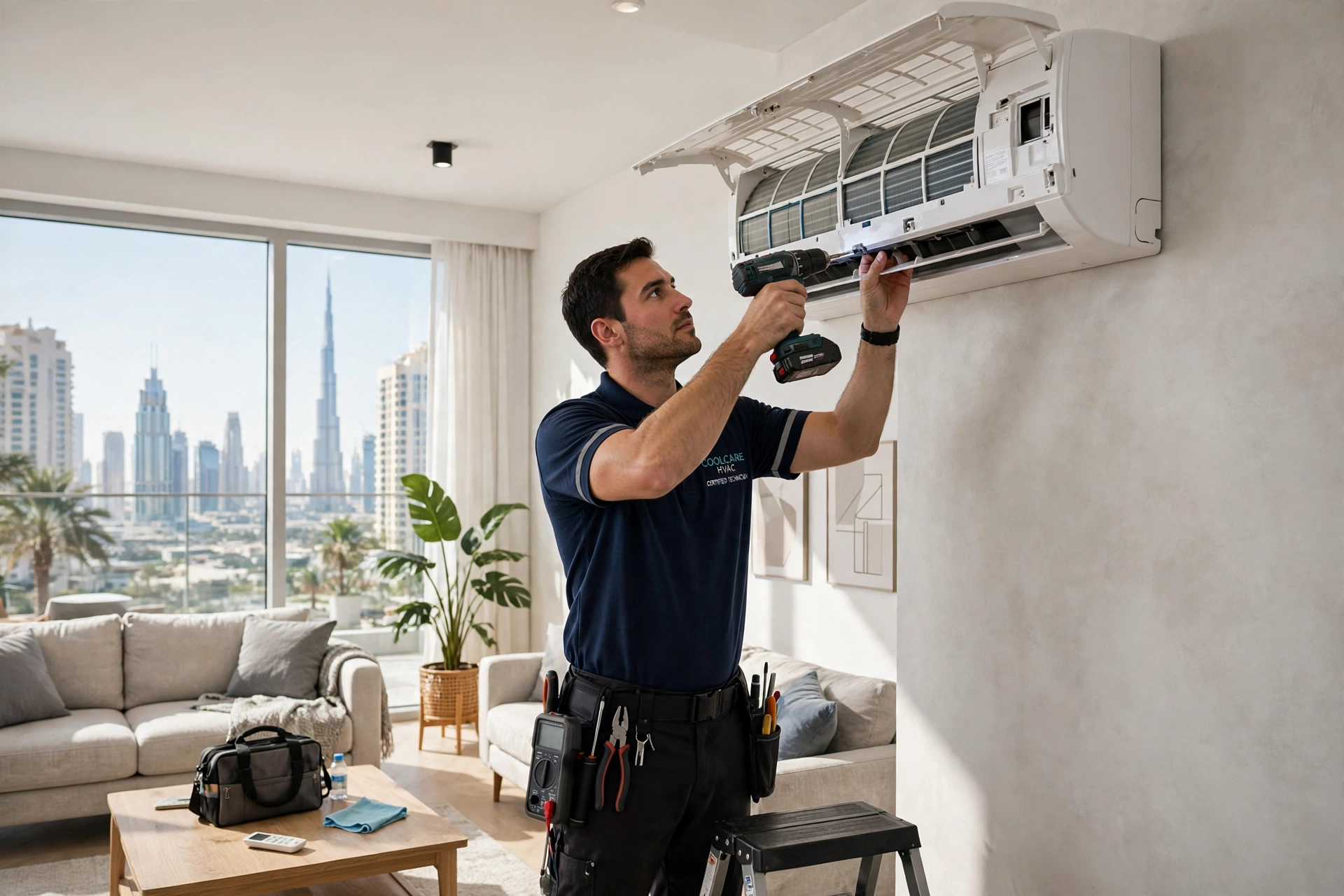
While some maintenance tasks, such as replacing filters, can be performed by homeowners, other tasks require professional expertise. Technicians perform a detailed inspection of the system, including electrical components, refrigerant levels, fan motors, and thermostat calibration. They also clean coils, check ductwork, and ensure the system is operating at peak performance. Professional maintenance not only extends the lifespan of the unit but also significantly reduces the presence of airborne pollutants and allergens. Scheduled servicing ensures that your AC system continues to contribute positively to your indoor environment.

Benefits of High-Efficiency Filters and Air Purifiers
For those particularly concerned about indoor air quality, upgrading to high-efficiency particulate air (HEPA) filters can make a noticeable difference. These filters are capable of capturing very small particles, including bacteria and viruses. In addition to HEPA filters, integrating air purifiers or UV lights into your HVAC system can further enhance air cleanliness. These technologies work alongside your AC to neutralize contaminants and ensure that the air circulated is as pure as possible. Discussing these options with a qualified HVAC technician can help tailor your system to your specific needs.
Seasonal Maintenance and Its Influence on Air Quality
Seasonal changes can affect both the performance of your AC unit and the quality of air in your home. During the transition from winter to summer or summer to winter, it’s essential to prepare the system for the coming months. This preparation includes a thorough cleaning and inspection, as well as replacing worn parts that may compromise air quality. Seasonal servicing helps identify and resolve potential issues before they become larger problems. A well-maintained AC system is better equipped to handle fluctuations in temperature and humidity, maintaining a consistently clean air supply.
Reducing Allergens Through Routine AC Care
Allergens such as pollen, dust mites, and pet dander can become embedded in AC filters, ducts, and coils. If not addressed regularly, these allergens can continuously recirculate throughout your home. Individuals with allergies or asthma are particularly vulnerable to the effects of airborne particles. Through consistent and thorough AC maintenance, allergens can be effectively removed from the system, significantly improving the quality of life for sensitive individuals. Technicians also recommend using allergy-friendly filters and conducting periodic indoor air assessments to track improvements.
Signs Your AC May Be Affecting Your Indoor Air
There are certain signs that indicate your AC may be harming rather than helping your indoor air quality. A musty odor, visible mold on vents, increased allergy symptoms, or inconsistent airflow are all red flags. If your home seems dustier than usual or if certain rooms feel more humid than others, your AC system may be in need of attention. Rather than waiting for a complete system failure, it’s advisable to schedule a professional inspection at the first sign of trouble. Early detection and intervention can prevent more serious air quality problems and costly repairs.
Creating a Maintenance Schedule for Long-Term Air Quality
Consistency is key when it comes to improving indoor air through AC maintenance. Creating a maintenance schedule that includes filter changes, duct cleaning, and bi-annual inspections can ensure that your system stays in peak condition year-round. Many professional service providers offer annual maintenance plans that take the guesswork out of scheduling and keep your system operating efficiently. Maintaining a clean and functional AC system not only ensures better air quality but also contributes to energy savings and overall home comfort.
How AC Maintenance Supports a Healthy Lifestyle
Good indoor air quality is an essential part of a healthy lifestyle. Whether you’re spending time with family, working from home, or simply relaxing, clean air enhances your overall well-being. AC maintenance plays a direct role in reducing pollutants, preventing illness, and creating a comfortable atmosphere. Investing in professional service is not just about the longevity of your equipment—it’s about protecting your health and creating a safe living environment. When your AC system works in harmony with air purification and humidity control, you can enjoy peace of mind knowing the air you breathe is clean and safe.
Trusting Professionals to Protect Your Indoor Environment
While it’s easy to overlook air quality in the hustle of daily life, making it a priority pays dividends in both health and comfort. Trusting professional HVAC technicians with your AC maintenance ensures that your system is thoroughly cleaned, efficiently operating, and optimized for air quality performance. At every service visit, potential issues are addressed before they escalate, and your system is tuned to meet your household’s specific needs. With expert care, your AC can transform from a simple cooling appliance into a vital part of your home’s air purification system.
Breathe Better with Smart AC Care
Improving indoor air quality doesn’t require drastic changes—it starts with the maintenance of what you already have. Your AC system, when properly maintained, can be a frontline defense against airborne pollutants, allergens, and poor humidity control. Through routine service, careful inspection, and strategic upgrades, you can significantly improve the air you and your family breathe every day. Take the first step toward a cleaner, healthier home environment by scheduling professional AC maintenance and making indoor air quality a lasting priority.