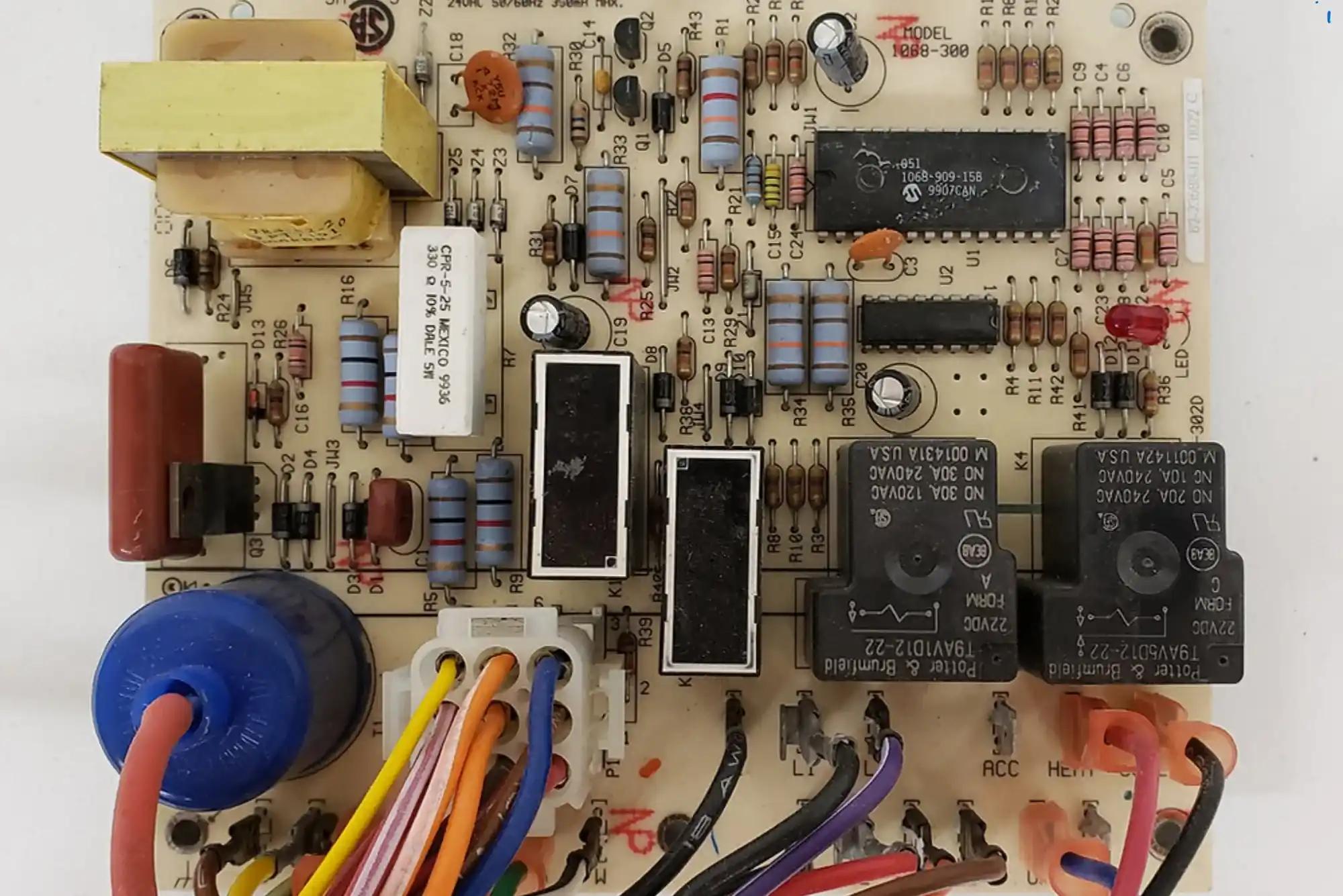
Air conditioning systems are vital for maintaining comfort, particularly during extreme weather. One of the most essential components of any air conditioning unit is the control board. This small but powerful part acts as the system’s brain, coordinating signals between different elements, including the thermostat, blower motor, compressor, and safety switches. When it malfunctions, your entire AC system can become unreliable or stop working entirely. Understanding how to diagnose AC control board issues can save time, prevent further damage, and ensure your cooling system remains efficient.
Diagnosing AC control board problems requires an in-depth understanding of the role it plays, the signs of failure, and the testing methods used to identify issues. In this comprehensive guide, we will explore the critical steps to identify AC control board problems and ensure your air conditioning system continues to function effectively.
Understanding the Function of an AC Control Board
The AC control board, often referred to as the circuit board or the main control module, is the communication hub of the entire system. It receives signals from the thermostat and translates them into actions by powering the blower fan, compressor, or other components. In modern units, the control board also monitors safety features, ensuring the system shuts down if there is a risk of overheating, short circuits, or pressure imbalances.
If the control board stops functioning properly, the entire chain of operations can be disrupted. For instance, the blower motor may fail to turn on, the compressor may not receive the necessary signals, or the system may cycle irregularly. In many cases, homeowners or technicians first notice the problem as a complete failure of the AC to start, even when the thermostat is set correctly.
Common Symptoms of a Failing AC Control Board
Recognizing the symptoms of a failing control board is the first step toward proper diagnosis. A malfunctioning board does not always fail completely; it can show intermittent signs that often confuse homeowners. Frequent issues include inconsistent cooling, irregular system behavior, and unexpected shutdowns.
A control board problem might manifest through delayed responses from the system after changing thermostat settings, unresponsive indoor fans, or outdoor units that fail to engage. The unit may also blow warm air because the compressor or fan signals are not being properly transmitted. Another indication is when the unit fails to cycle correctly, either running excessively or shutting off prematurely.

Sometimes, the control board itself may display error lights or diagnostic codes. These codes can guide technicians toward identifying specific electrical faults. Flickering or non-functional indicator lights are also warning signs that the board is not operating as it should.
Visual Inspection for Control Board Damage
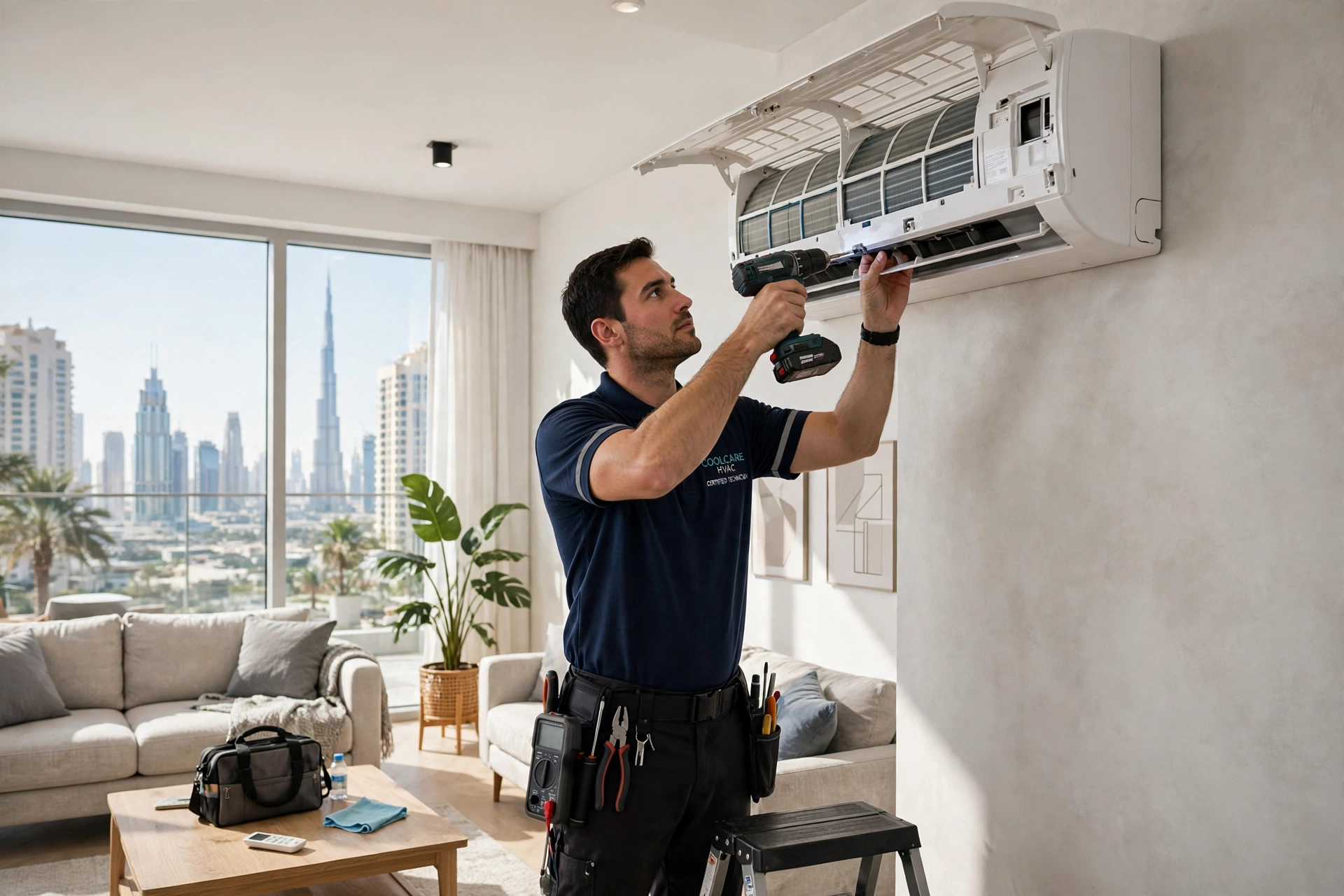
Before diving into advanced testing, a visual inspection of the control board can reveal many issues. Control boards are typically located inside the furnace or air handler. Turning off the power to the unit before inspection is crucial to ensure safety.
Burn marks, scorched areas, or melted components indicate that the board has experienced electrical surges or short circuits. Corrosion or moisture damage may be visible if the unit is installed in a damp environment. Loose wiring connections, damaged connectors, or broken solder points on the board are also indicators of a malfunction.
Dust accumulation can sometimes interfere with electrical connections, although this is less common in newer, sealed systems. However, cleaning the area around the board and ensuring proper ventilation can extend its life.
Testing Electrical Signals and Components
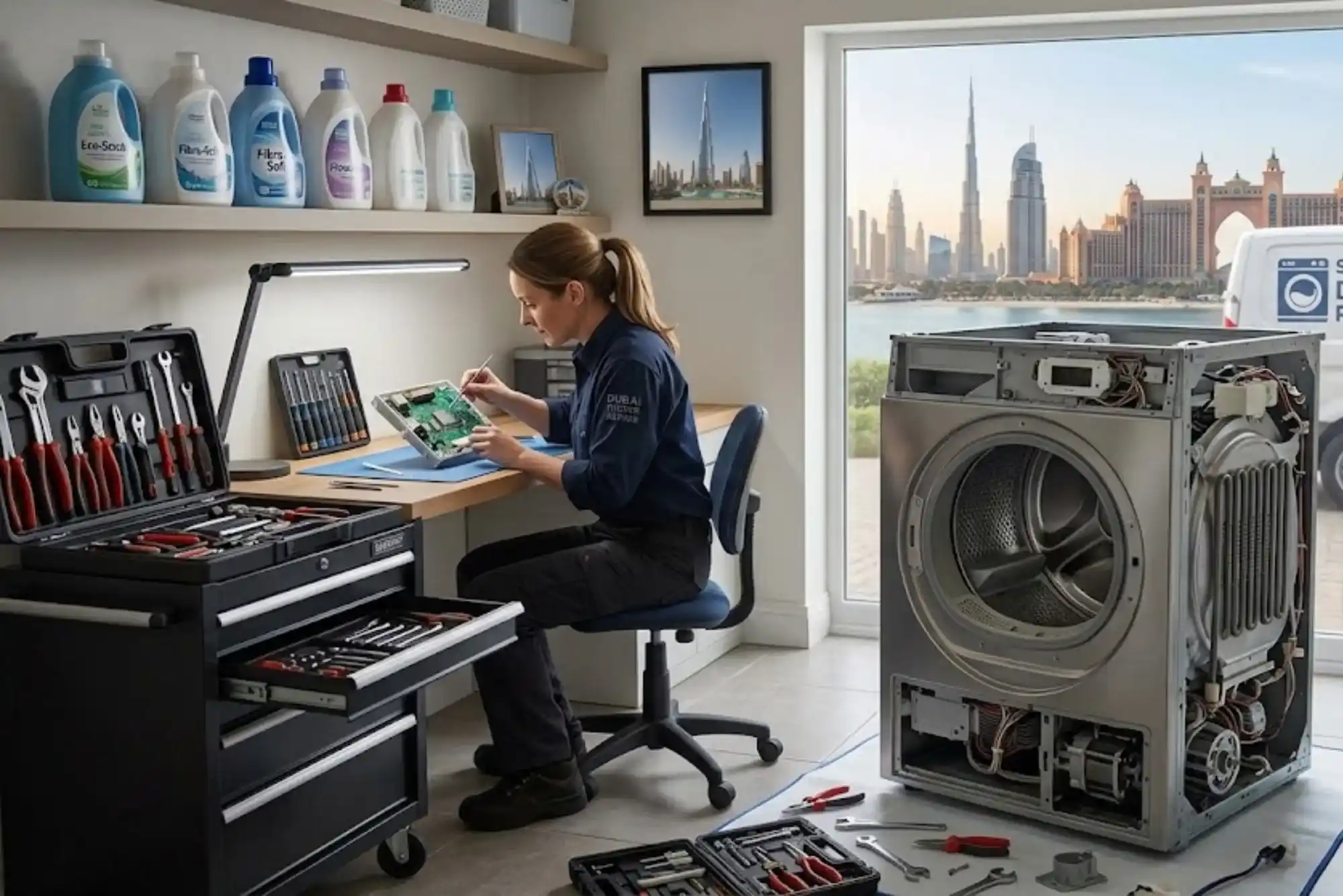
A thorough diagnosis often requires testing the electrical output of the control board. Professionals use a multimeter to check voltage levels at different connection points, ensuring the board is sending the correct signals to the fan motor,Post Category, compressor, and other elements.
Voltage tests are performed while the unit is powered, which requires extreme caution. Abnormal readings indicate that the board is not performing its role effectively. Technicians also verify that the incoming power supply to the control board is stable because inconsistent power can mimic board failure.
Some boards have built-in fuses or relays that can fail individually. Checking these smaller components can sometimes solve the problem without replacing the entire board.
Understanding Error Codes and Diagnostic Features
Many modern air conditioning units come equipped with diagnostic LED lights or digital displays on their control boards. These indicators can point directly to the nature of the problem. For example, a series of flashes might indicate a communication error, failed sensor, or shorted wire.
Consulting the system’s user manual allows technicians to decode these signals. Even without advanced tools, observing how these lights behave can guide the troubleshooting process and prevent unnecessary part replacements.
Environmental Factors Affecting Control Boards
Control board performance can also be influenced by environmental conditions. High humidity, dust accumulation, and temperature fluctuations can lead to premature wear. Systems located in garages, basements, or outdoor enclosures are particularly vulnerable to these factors.
Additionally, power surges caused by storms or unstable electrical grids are a leading cause of board damage. Installing a surge protector or voltage stabilizer can extend the life of the control board and reduce future failures.
Steps to Confirm a Control Board Issue
After examining the symptoms, performing visual inspections, and conducting voltage tests, confirming that the control board is the root cause becomes straightforward. The following sequence typically leads to a reliable diagnosis:
First, verify that the thermostat is operational and sending signals correctly. Then, confirm that other components, such as capacitors, motors, and sensors, are not malfunctioning. Only after eliminating these possibilities should a defective control board be considered the primary culprit.
Testing the continuity of the board’s circuits and ensuring there are no broken traces or burnt connections is a critical step. If the board fails these checks, replacement is generally the most effective solution.
Importance of Timely Diagnosis
Timely diagnosis of AC control board issues can prevent further damage to the system. When the board malfunctions, the compressor or blower motor may operate inefficiently, increasing energy costs. In severe cases, prolonged electrical faults can damage other sensitive components, leading to more expensive repairs.
Addressing control board problems promptly also ensures consistent indoor comfort. A failing board can cause intermittent cooling, which can be particularly uncomfortable during peak summer months. By identifying and resolving the issue early, you protect both your system’s longevity and your home’s comfort.
When to Seek Professional Assistance
While some diagnostic steps can be performed by experienced homeowners, most control board issues require professional handling. Working with electrical components carries inherent risks, and incorrect testing can cause additional damage.
A qualified HVAC technician will not only identify control board issues but also ensure that related components, such as transformers and relays, are in proper working order. In some cases, replacing the control board may require system recalibration to ensure optimal performance.
Preventive Measures for Future Reliability
Preventing future control board failures involves a combination of proper maintenance and environmental protection. Ensuring that the AC system receives regular service minimizes the risk of dirt, moisture, and corrosion affecting the board.
Installing surge protection devices is highly recommended, especially in areas prone to lightning or power fluctuations. Keeping the indoor environment dry and well-ventilated can further reduce the chances of board failure.
Final Thoughts
Learning how to diagnose AC control board issues is an essential skill for both homeowners and HVAC professionals. The control board serves as the command center of your air conditioning system, and any failure can lead to discomfort, inefficiency, and potential damage to other components. By understanding the symptoms, performing thorough inspections, and conducting proper electrical tests, you can confidently identify when the control board is at fault.
Timely intervention not only restores comfort but also prevents costly repairs. A properly functioning control board ensures your AC system operates efficiently, providing reliable cooling during the hottest months of the year. Staying proactive with maintenance and environmental precautions will significantly reduce the risk of future problems and ensure your air conditioning system remains dependable for years to come.