AC motors are essential components of air conditioning systems, responsible for driving fans, compressors, and other moving parts that enable efficient cooling. Like any mechanical device, these motors experience friction and wear during continuous operation. Proper lubrication plays a vital role in ensuring their smooth performance, reducing energy consumption, and prolonging their lifespan. When performed correctly, lubrication prevents unnecessary breakdowns and maintains optimal system efficiency.
Understanding the Importance of AC Motor Lubrication
Lubrication is the process of applying oil or grease to the motor’s moving parts to reduce friction between surfaces. Inside an AC motor, bearings and shafts are constantly in motion, and without proper lubrication, metal-to-metal contact can lead to excessive heat, wear, and eventual failure. Proper lubrication not only minimizes friction but also protects components from rust, corrosion, and premature damage caused by environmental factors like humidity and dust.
In air conditioning systems, motor performance directly impacts the overall cooling output. A motor that runs smoothly consumes less electricity and delivers consistent airflow. Neglecting lubrication can lead to reduced efficiency, increased noise, and higher energy bills. Understanding why lubrication is essential sets the foundation for performing it correctly.
Identifying the Components That Require Lubrication
Before applying any lubricant, it is important to know which parts of an AC motor actually require it. Most commonly, the bearings located at the ends of the motor shaft are the key points where lubrication is needed. Bearings support the motor shaft and enable smooth rotation, but over time, the original factory-applied lubricant may degrade or dry out. When this happens, the bearings may start to generate noise or excessive heat, signaling the need for maintenance.
Additionally, some motors are permanently sealed and labeled as “lubrication-free.” These motors have bearings that are pre-lubricated at the factory and do not require routine maintenance. For motors that are serviceable, understanding the lubrication points ensures that the correct areas receive attention without over-lubricating parts that should remain dry.
Choosing the Right Lubricant for AC Motors
Selecting the correct lubricant is crucial for effective motor maintenance. AC motors typically require either a high-quality electric motor oil or a non-detergent oil with the appropriate viscosity. Greases designed for electric motor bearings are often used because they can resist heat, moisture, and contamination while providing long-lasting protection.

Using the wrong lubricant can have negative consequences. Oils that are too thin may fail to provide adequate protection, while those that are too thick can create drag and reduce motor efficiency. Additionally, lubricants with additives meant for automotive engines or general machinery may harm electric motor components. Following the manufacturer’s recommendations is the most reliable approach to choosing the right product.
Preparing the Motor for Lubrication
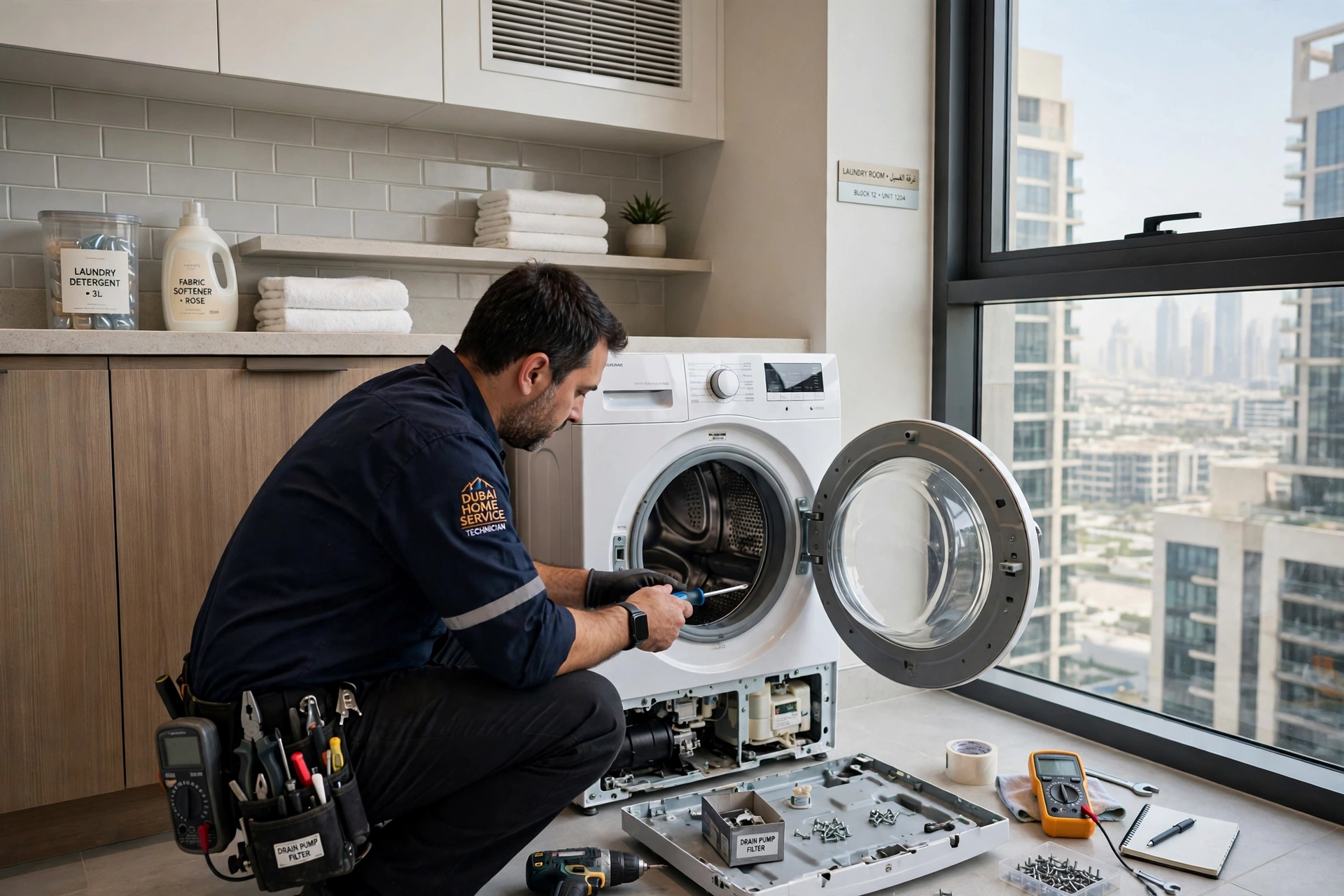
Proper preparation is a critical step before applying any lubricant. The motor should be completely powered down and disconnected from the electrical supply to prevent any safety hazards. Cleaning the exterior of the motor and the surrounding area prevents dust or debris from entering the bearings during lubrication. Technicians often check the motor’s housing, ventilation openings, and shaft for signs of dirt accumulation, as clean surfaces ensure more effective maintenance.
In some cases, motor components may need a brief inspection before lubrication. Checking for signs of wear, unusual vibration, or abnormal noise helps determine if additional repairs are necessary. Lubricating a motor that has mechanical damage without addressing the underlying issue may provide temporary relief but will not solve the root problem.
Applying Lubricant to AC Motor Bearings
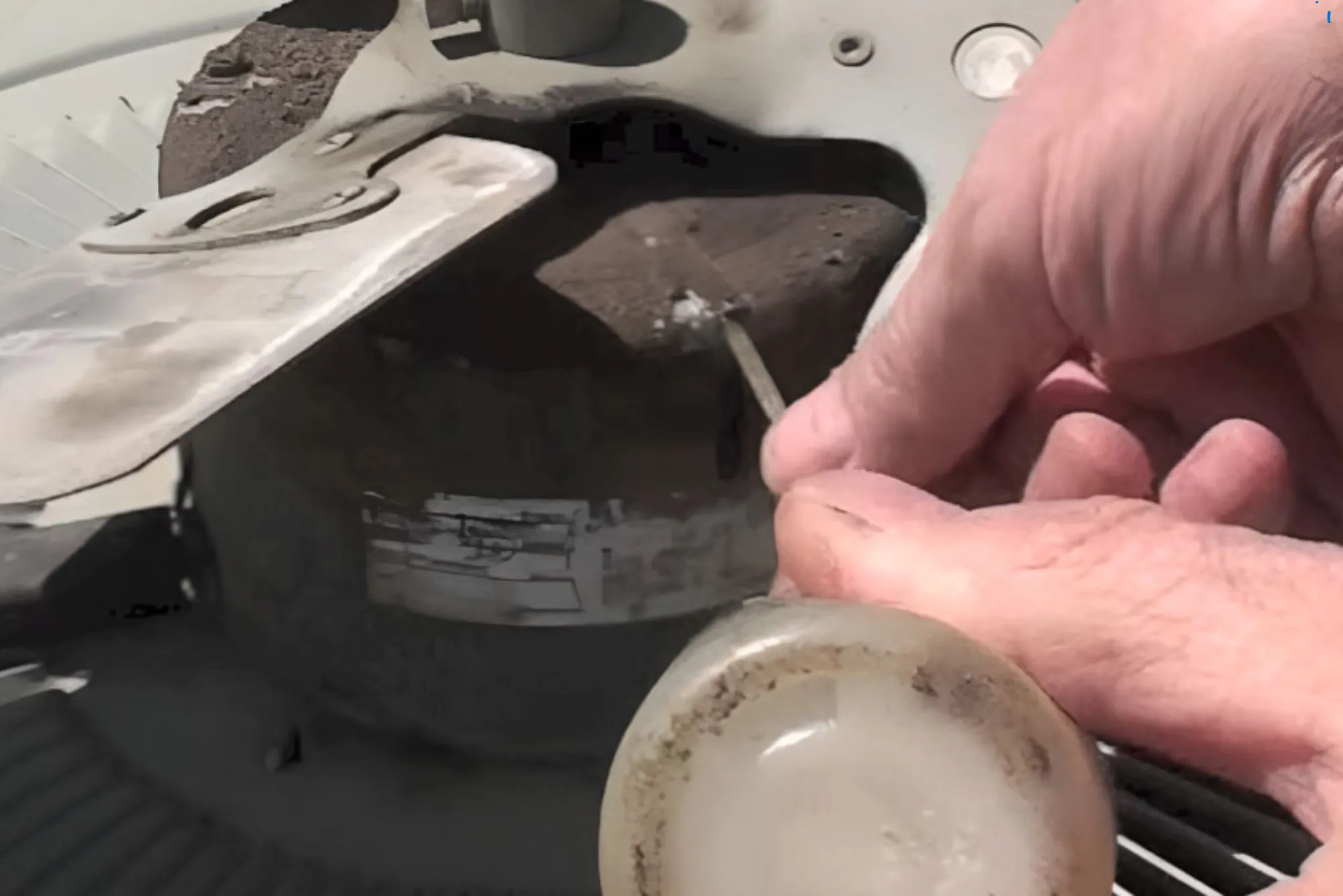
When it comes to actual lubrication, the process must be performed carefully to avoid over-lubrication or under-lubrication. Bearings generally have lubrication ports or fittings where grease can be applied. A small amount of the recommended lubricant is introduced to the bearing housing,Post Category, allowing it to distribute evenly as the motor operates.
Excessive lubrication can be just as harmful as insufficient lubrication. Overfilling the bearing housing can cause grease to leak into the motor windings, attracting dust and debris and leading to potential motor failure. Applying the correct quantity ensures that friction is minimized without creating secondary issues.
Recognizing Signs of Overdue Lubrication
AC motors often display clear signs when lubrication is overdue. Increased noise, particularly squealing or grinding sounds, often indicates that bearings are dry or worn. Another sign is the development of heat around the bearing areas, as friction increases without adequate lubrication. In some cases, the motor may draw more electrical current than usual, signaling increased resistance in the mechanical components.
Timely lubrication prevents these symptoms from escalating into costly repairs. Keeping a regular maintenance schedule allows technicians to anticipate the motor’s lubrication needs before performance issues arise.
Frequency of AC Motor Lubrication
The frequency of lubrication depends on the type of motor, its operational environment, and the manufacturer’s recommendations. Motors operating in dusty, humid, or high-temperature environments typically require more frequent maintenance. Conversely, motors in clean, controlled environments can operate for longer intervals without lubrication.
Establishing a preventive maintenance plan ensures consistent performance. Many facility managers rely on seasonal or annual schedules for AC motor lubrication, adjusting as needed based on operational demands. Sticking to a consistent routine minimizes downtime and extends the lifespan of both the motor and the overall AC system.
The Role of Environmental Conditions in Lubrication
Environmental factors significantly influence lubrication effectiveness. Dust, moisture, and temperature extremes can degrade lubricants more quickly. Motors located in outdoor units, near industrial facilities, or in coastal areas may require special attention because they are exposed to harsh conditions. Regular inspection helps identify when environmental conditions are accelerating the need for lubrication.
Using high-quality lubricants designed for specific environmental challenges further enhances motor reliability. Water-resistant greases and heat-tolerant oils can protect components under adverse conditions, maintaining performance where standard lubricants might fail.
Benefits of Proper AC Motor Lubrication
The advantages of proper lubrication extend far beyond reducing friction. Well-lubricated motors run more efficiently, consume less electricity, and produce less heat. Bearings remain in good condition for longer, reducing the frequency of replacements and associated labor costs. Noise levels remain low, creating a more comfortable environment for occupants and operators.
Additionally, proper lubrication reduces the risk of sudden motor failure, which could lead to a complete air conditioning shutdown. By maintaining smooth operation, lubrication directly contributes to overall system reliability and cost savings.
Common Mistakes to Avoid During Lubrication
While lubrication is straightforward, common mistakes can undermine its effectiveness. Over-lubricating bearings is a frequent error that leads to grease leakage and potential motor damage. Using the wrong type of lubricant can cause compatibility issues, reducing its protective properties. Neglecting to clean the lubrication points before applying grease may trap debris inside the bearings, accelerating wear instead of preventing it.
Avoiding these mistakes ensures that lubrication serves its intended purpose: extending motor life and maintaining performance.
Professional Maintenance for Long-Term Motor Health
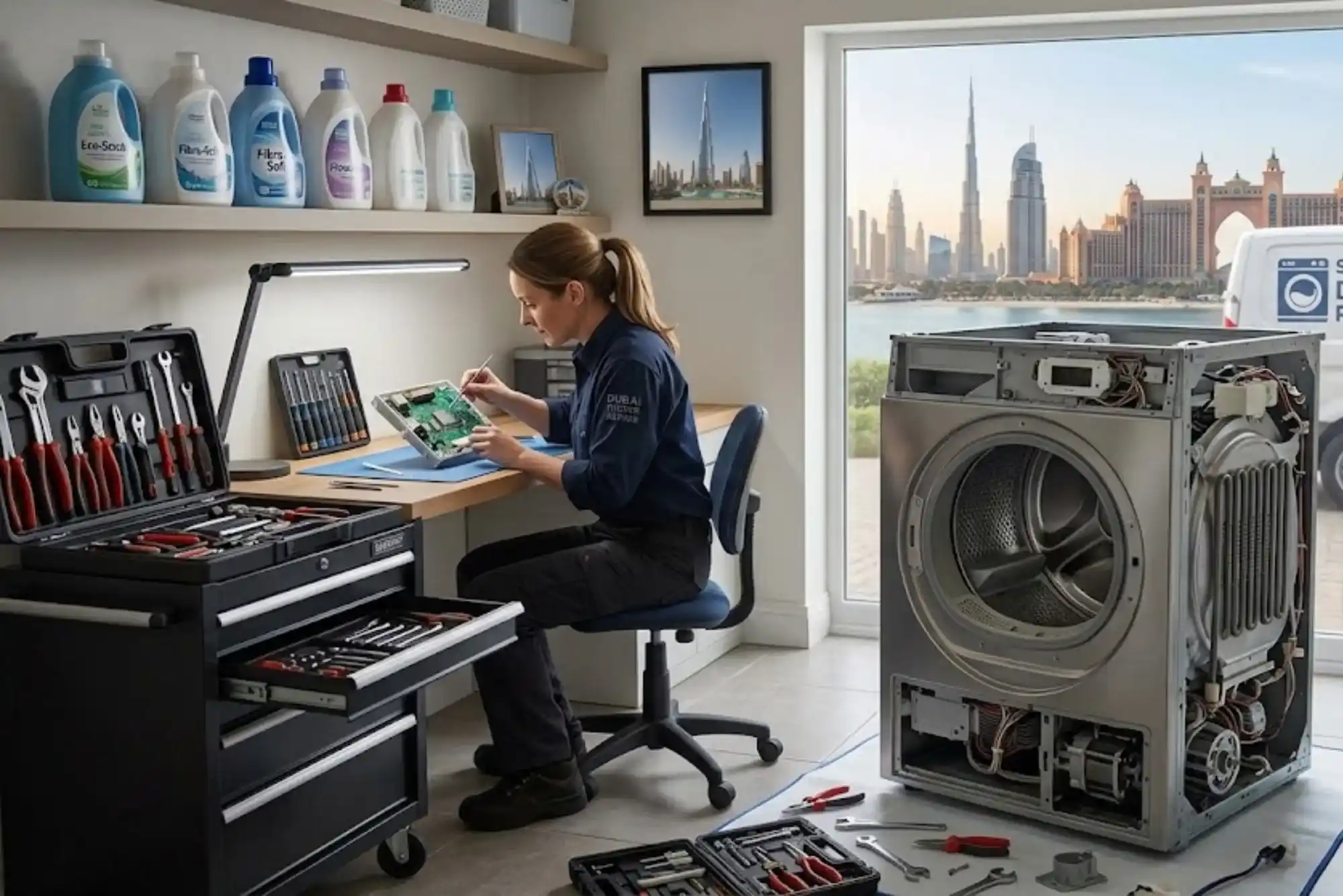
While basic lubrication can be performed by trained facility staff, professional HVAC technicians bring added value through thorough inspections and precise maintenance practices. They have the tools and expertise to detect early signs of wear, ensure proper alignment, and select the optimal lubricant for each application.
Relying on professional maintenance services ensures that the motor operates at peak efficiency and that potential problems are addressed before they cause costly downtime. Combining routine lubrication with expert inspection creates a comprehensive approach to AC motor care.
Lubrication as a Key to AC Motor Efficiency
Proper lubrication of AC motors is a critical aspect of air conditioning system maintenance. It reduces friction, prevents wear, and ensures smooth, energy-efficient operation. Understanding the correct lubricant type, preparation, application, and maintenance frequency is essential for protecting the motor and extending its lifespan. By incorporating lubrication into a regular maintenance routine and addressing environmental challenges, property owners and facility managers can achieve reliable cooling performance while minimizing repair costs.