Air conditioning systems are a combination of mechanical and thermal processes that work together to maintain comfortable indoor temperatures. Among the many components of an air conditioning system, the expansion valve plays a pivotal role in determining the system’s efficiency and overall performance. Understanding how expansion valves function and affect AC operation is crucial for both technicians and property owners aiming to maintain optimal cooling performance.
Expansion valves serve as precise regulators of refrigerant flow within an AC system. They control how much refrigerant moves into the evaporator coil, which directly influences the cooling process. By balancing refrigerant levels and pressures, these valves ensure the air conditioning system can efficiently absorb heat and deliver consistent comfort. Without a properly functioning expansion valve, even the most advanced AC system would struggle to operate at peak performance.
Understanding the Function of Expansion Valves in AC Systems
The expansion valve is a small but critical component located between the condenser and the evaporator in a refrigeration cycle. Its primary function is to regulate the amount of refrigerant entering the evaporator coil based on cooling demand. The valve reduces the pressure of the refrigerant as it moves from the high-pressure side of the system to the low-pressure side, causing it to expand and cool rapidly.
This pressure reduction is vital for the refrigeration process. Once the refrigerant pressure drops, it can efficiently absorb heat from the indoor air passing over the evaporator coil. This process allows the AC system to remove heat from the indoor space and maintain the desired temperature. A well-functioning expansion valve ensures that the right amount of refrigerant flows through the evaporator to achieve maximum heat absorption without overloading the compressor or causing inefficient operation.
Types of Expansion Valves and Their Impact on Performance
There are several types of Expansion Valves used in air conditioning systems, including thermostatic expansion valves (TXV), electronic expansion valves (EEV), and capillary tubes. Each type plays a slightly different role in managing refrigerant flow, but all share the same purpose of regulating pressure and ensuring proper heat exchange.
Thermostatic expansion valves are widely used in residential and commercial AC systems. They automatically adjust the refrigerant flow based on the evaporator’s temperature and pressure, maintaining an optimal superheat level. Electronic expansion valves, often found in advanced systems, provide even more precise control by using electronic sensors and microprocessors. This precision leads to improved energy efficiency and enhanced performance under varying load conditions.

The type of expansion valve installed can significantly affect system efficiency. Modern electronic valves, for example, can optimize cooling performance in real-time, reducing energy consumption and extending the life of critical components like the compressor.
The Relationship Between Expansion Valves and Cooling Efficiency
The performance of an air conditioning system depends heavily on how well the expansion valve manages refrigerant flow. If the valve delivers too much refrigerant to the evaporator, it can flood the coil, reducing its ability to absorb heat efficiently. Conversely, if the valve allows too little refrigerant to pass through, the coil may not cool properly, leading to poor indoor comfort and increased energy usage.
By ensuring the correct refrigerant flow, the expansion valve helps the AC system maintain consistent temperatures, avoid energy waste, and reduce strain on other components. In well-calibrated systems, the expansion valve works seamlessly with the compressor, condenser, and evaporator to deliver reliable cooling without unnecessary cycling or inefficiency.
Signs of Expansion Valve Problems Affecting AC Performance
While expansion valves are durable components, they are not immune to wear or malfunction. A faulty expansion valve can dramatically affect system performance. Common indicators include inconsistent cooling, reduced airflow, frost on the evaporator coil, and higher energy bills.
If the valve becomes stuck open, it can flood the evaporator coil, potentially damaging the compressor and causing the system to work harder than necessary. If it becomes stuck closed or partially blocked, the refrigerant flow is restricted, resulting in inadequate cooling. Recognizing these symptoms early is essential for preventing more extensive AC damage and costly repairs.
Importance of Regular Inspection and Maintenance
Expansion valves are precision components that require proper maintenance for optimal performance. Routine inspection by qualified technicians can ensure the valve is functioning correctly and the system is operating at its intended efficiency. During maintenance, technicians check refrigerant levels,Post Category, superheat settings, and valve responsiveness to temperature and pressure changes.
Keeping the system clean and free of contaminants is also critical, as dirt or moisture in the refrigerant lines can cause valve malfunction. A well-maintained expansion valve not only improves cooling performance but also prevents unnecessary wear on other AC components like the compressor and evaporator coil.
Professional Service for Expansion Valve Performance
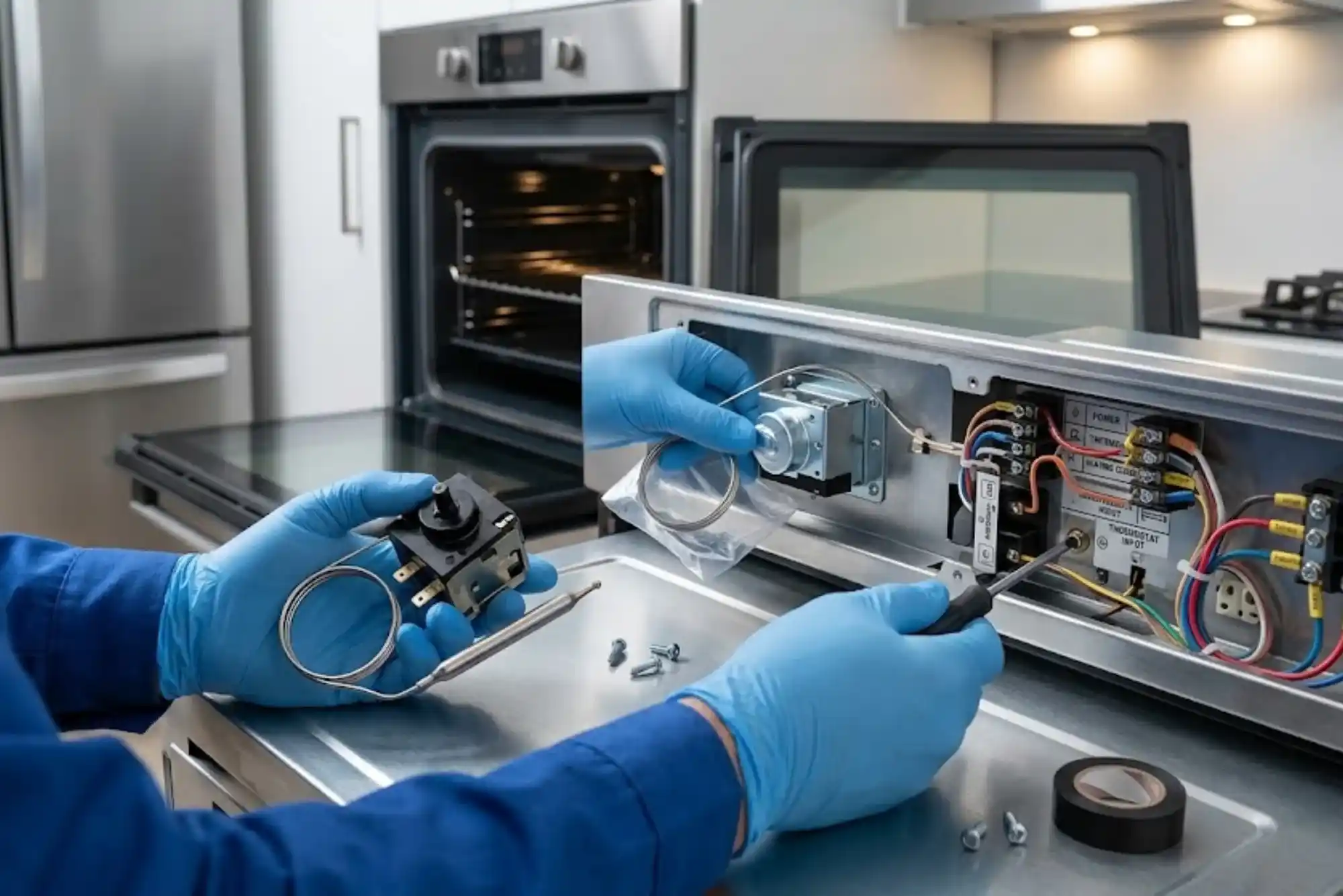
When an expansion valve shows signs of malfunction, professional service is required to restore system efficiency. Technicians may perform a detailed diagnosis, checking for refrigerant leaks, monitoring superheat levels, and assessing valve operation under different load conditions. In some cases, the valve may need to be cleaned, recalibrated, or replaced.
Professional servicing ensures the system continues to operate safely and efficiently. Addressing expansion valve issues promptly prevents secondary damage, such as compressor failure, which can be costly and disruptive.
How Expansion Valves Contribute to Energy Efficiency
One of the most significant benefits of a properly functioning expansion valve is improved energy efficiency. By delivering the right amount of refrigerant to the evaporator at the right time, the system avoids unnecessary energy consumption. Precise refrigerant management reduces compressor workload, minimizes power usage, and maintains consistent indoor temperatures without overcooling or cycling excessively.
For property owners and businesses, energy-efficient operation translates to lower utility bills and a reduced environmental footprint. In modern HVAC systems, the efficiency gains provided by advanced electronic expansion valves are particularly valuable in climates where air conditioning demand is constant.
The Role of Expansion Valves in System Longevity
Beyond cooling performance and energy efficiency, expansion valves play a vital role in extending the life of an AC system. Consistent and controlled refrigerant flow prevents stress on the compressor, reduces the risk of coil damage, and helps maintain proper lubrication in the system. By keeping all components operating within their intended parameters, a reliable expansion valve contributes to long-term system durability.
Neglecting valve maintenance or delaying repairs can have the opposite effect, leading to frequent breakdowns, premature part failures, and expensive replacements. Regular professional attention ensures the expansion valve continues to support overall system health.
Maximizing AC Performance with Reliable Expansion Valves
The expansion valve is a critical component in the refrigeration cycle that directly impacts AC performance, efficiency, and longevity. By regulating refrigerant flow and maintaining the correct pressure conditions, it ensures the system delivers consistent cooling while conserving energy. Recognizing the importance of expansion valve function, conducting regular inspections, and seeking professional service when needed are essential steps for maintaining reliable air conditioning performance.
Property owners and HVAC professionals alike benefit from understanding the role of expansion valves, as proper care and timely maintenance can prevent costly repairs and keep indoor environments comfortable throughout the year.