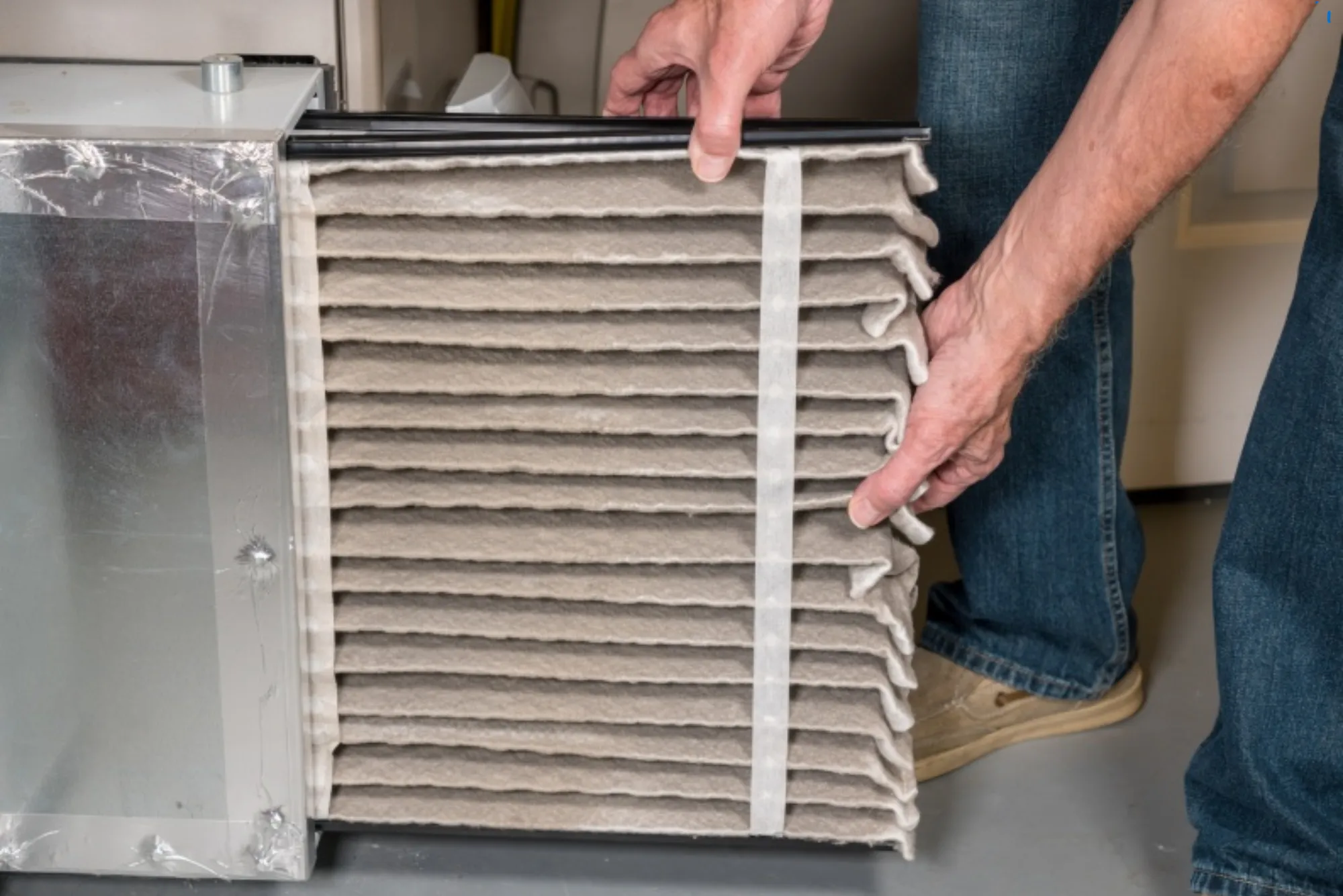
The Impact of Dirty Filters on AC Heat Exchange
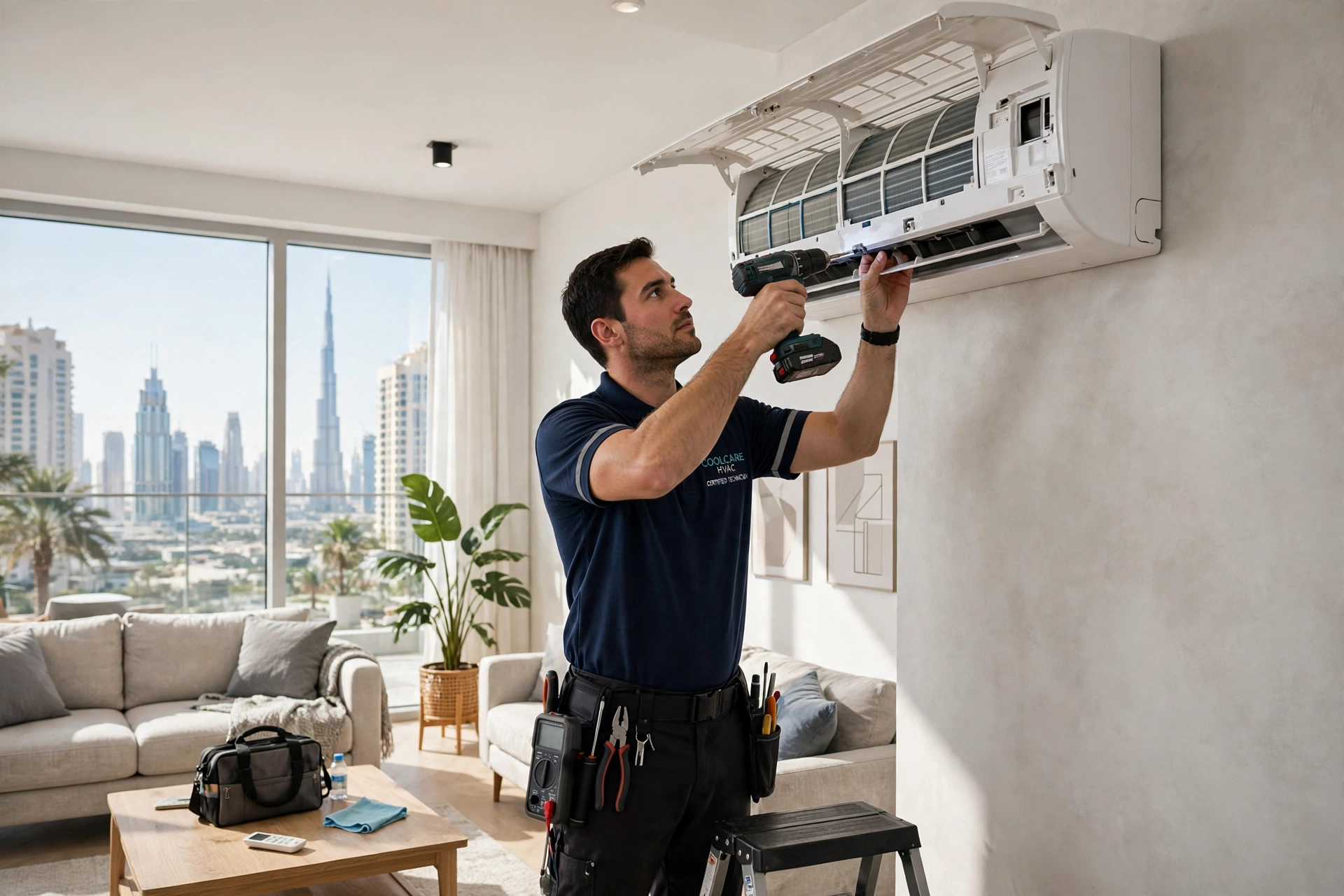
If you’ve ever noticed your air conditioner running longer than usual, producing weaker cooling, or making odd noises, there’s a good chance the culprit isn’t something dramatic like a broken compressor — it could be something as small and unassuming as a dirty air filter. Over the years, working with both residential and commercial HVAC systems, I’ve seen dirty filters quietly sabotage air conditioning performance more often than almost any other issue.
Most homeowners don’t realize that the humble air filter plays a direct role in AC heat exchange — the very process that allows your air conditioner to cool your home. When the filter gets clogged with dust, pollen, and debris, that heat exchange process suffers, and the effects ripple through the entire system.
In this article, I’ll break down exactly how dirty filters impact heat exchange, why it matters for your comfort and energy bill, and how you can prevent the problem before it costs you in repairs or replacements.
Understanding AC Heat Exchange in Simple Terms
Before we talk about how dirt affects it, let’s quickly go over what heat exchange actually means in the context of your AC. Your air conditioner works by moving heat, not creating cold. The evaporator coil inside the indoor unit absorbs heat from the air in your home, while the condenser coil outside releases that heat into the air outdoors.
Air needs to flow freely across these coils for the process to work. That airflow is pulled in through your return ducts, passes through the air filter, and then moves over the evaporator coil. The cleaner and more unobstructed that airflow, the more efficiently your AC can absorb heat indoors and dump it outside.
When airflow is restricted — say, because the filter is clogged — the coils can’t absorb or release heat effectively. It’s like trying to breathe through a straw while running; the system is starved for air, Post Category, and performance plummets.

The Role of the Air Filter in Heat Exchange
Many people assume an air filter is only there to protect the air you breathe. That’s partly true — a good filter catches dust, allergens, and pollutants before they circulate through your home. But in HVAC design, the primary job of the filter is to protect the internal components of your AC system, especially the coils and blower fan, from dirt buildup.
Clean filters ensure that air flows smoothly through the system. When they’re dirty, airflow slows down. This isn’t just a comfort issue; reduced airflow means less warm air is moving over the evaporator coil, which in turn means less heat is being absorbed. That imbalance throws the whole heat exchange process off.
How Dirty Filters Damage Heat Exchange Efficiency
Here’s where the problem snowballs. When your filter is clogged:
Reduced Airflow Means Reduced Heat Absorption
The evaporator coil depends on a steady volume of warm indoor air to absorb heat. Less air = less heat absorbed. This makes your AC work harder to achieve the same cooling, increasing run times and energy use.
Coils Can Freeze Over
Ironically, poor heat absorption can cause the coil’s temperature to drop so low that condensation on the coil freezes. Once that happens, the ice layer blocks even more airflow and heat exchange grinds to a halt.
Increased Strain on the Compressor
If heat isn’t being removed effectively indoors, the compressor outside has to work harder to keep refrigerant moving. Over time, this strain can shorten the compressor’s lifespan — and replacing a compressor is one of the most expensive AC repairs you can face.
Uneven Cooling and Hot Spots
Because the system is struggling to move air and exchange heat, some rooms stay warm while others get overly cool. That uneven performance is a telltale sign of airflow problems.
Higher Energy Bills
Since the system runs longer to meet the thermostat’s demand, your energy usage goes up. According to the U.S. Department of Energy, replacing a dirty filter with a clean one can lower your AC’s energy consumption by up to 15%.
The Long-Term Risks of Ignoring Dirty Filters
From experience, I can tell you that ignoring filter changes can turn a simple maintenance task into a full-scale repair job. Once dirt makes its way past the filter and onto the evaporator coil, cleaning it requires dismantling parts of the system, which can be labor-intensive and costly.
Even worse, poor heat exchange over an extended period can cause refrigerant pressures to rise or drop beyond safe levels. That imbalance may lead to refrigerant leaks, compressor damage, or electrical failures. I’ve seen homeowners replace entire AC units simply because a $20 filter wasn’t swapped out on time.
Signs That Your Dirty Filter Is Affecting Heat Exchange
Not everyone pops open their AC panel to inspect the filter, so it’s important to watch for indirect signs. If you notice any of these, your heat exchange efficiency might already be suffering:
Weak airflow from vents even at full fan speed
Longer cooling cycles than usual
Ice forming on refrigerant lines or the indoor coil
A noticeable drop in comfort levels despite the AC running
A sudden spike in your electricity bill during the summer
If you experience two or more of these issues, checking and replacing the filter should be your first step before calling a technician.
How Often Should You Replace Your AC Filter?
There’s no one-size-fits-all answer because usage and environment matter. A vacation home’s filter may last six months, while a filter in a busy family home with pets might clog in just four weeks.
As a rule of thumb:
- Basic fiberglass filters: Change every 30 days
- Pleated high-efficiency filters: Change every 60–90 days
- Homes with pets or allergy concerns: Every 30–45 days
If you’re unsure, just hold the filter up to the light. If you can’t see light passing through the mesh, it’s time for a replacement.
Personal Experience: A Costly Lesson in Filter Neglect
A few years ago, I was called to a home in the middle of a brutal summer. The homeowner complained that the AC wasn’t cooling, and their electric bill had doubled. They hadn’t changed the filter in almost a year. When I pulled it out, it was so clogged it looked like a felt pad.
The restricted airflow had frozen the coil solid, and the compressor was dangerously close to burning out from overwork. After defrosting the coil, cleaning the blower, and replacing the filter, the system ran fine — but the repair bill was nearly $500. Had they replaced the filter every two months, it would have cost less than $60 for the whole year.
That job cemented a lesson I now repeat to every customer: your AC filter is the cheapest insurance policy you’ll ever buy.
Practical Tips for Keeping Heat Exchange at Peak Efficiency
The easiest way to protect your AC’s heat exchange efficiency is simply to make filter changes a routine habit. Set a calendar reminder, pair it with another recurring task like paying a bill, or mark it on your phone.
Beyond filter replacement, keeping your outdoor condenser coil clear of leaves, dirt, and debris also helps heat exchange. And once a year, consider a professional tune-up. A technician can check refrigerant levels, inspect coils, and ensure the whole system is breathing freely.
Final Thoughts
Dirty air filters are one of the most common — and most preventable — causes of poor AC heat exchange. They choke airflow, reduce efficiency, strain components, and can lead to costly breakdowns. Yet avoiding the problem is as simple as replacing a filter on schedule.
Think of it this way: your AC is like an athlete, and heat exchange is its ability to perform. The air filter is its breathing passage. Keep it clear, and the system can perform at its best, keeping you cool while saving energy and avoiding unnecessary repairs.