A dishwasher is one of the most convenient appliances in any home, saving time and effort while ensuring spotless dishes after every meal. Yet, as reliable as modern dishwashers are, they are not immune to problems.
One of the most concerning issues homeowners face is a hidden leak. Unlike obvious water pooling on the floor, hidden dishwasher leaks are tricky—they slowly seep into surrounding areas, often unnoticed until damage has already occurred. Detecting these leaks early is crucial to preventing structural damage, mold growth, and expensive repairs.
In this detailed guide, we will explore how to detect hidden dishwasher leaks, why they occur, the warning signs you should never ignore, and when it’s time to call a professional appliance repair service.
Why Hidden Dishwasher Leaks Are a Serious Concern
When a dishwasher leaks in an obvious way, it is easier to identify and fix the problem. However, when water escapes quietly behind the unit, under flooring, or into cabinetry, the consequences can be far more severe. Even a small, consistent leak can warp wooden cabinets, weaken flooring, and encourage mold or mildew. Over time, what begins as a minor problem can turn into a costly restoration project.
The challenge lies in the fact that dishwashers are typically installed snugly into cabinetry, making it difficult to inspect behind or beneath them. That’s why understanding the subtle signs and knowing where to look becomes essential for homeowners who want to stay ahead of potential disasters.
Common Causes of Dishwasher Leaks
Before learning how to detect a hidden leak, it’s helpful to understand what usually causes them. Several components of a dishwasher are vulnerable to wear, loosening, or damage, and any of these can allow water to escape.

Seals and gaskets, for example, play a crucial role in keeping water inside the unit. Over time, they can harden, crack, or lose their effectiveness. Hoses that supply or drain water may also loosen or develop tiny punctures, causing slow leaks that go unnoticed. Additionally, an improperly leveled dishwasher can allow water to pool and escape from areas not designed to handle excess moisture.
By knowing these potential sources, homeowners can better monitor their dishwashers and act quickly when warning signs appear.
Early Signs of a Hidden Leak
Although hidden leaks are not immediately visible, dishwashers almost always provide subtle warnings. Homeowners who pay close attention can spot these indicators before major damage occurs.
One of the earliest signs is a musty or damp smell around the dishwasher area. This odor suggests moisture is trapped somewhere it shouldn’t be, often under flooring or behind cabinetry. Discoloration on nearby walls, bubbling paint, or warped wood panels are also strong clues. In some cases, the floor in front of the dishwasher may feel slightly soft, a telltale sign that water has seeped into the subfloor.
Another red flag is the presence of mold. Even a small patch of mold near the dishwasher should never be ignored, as it usually points to ongoing moisture issues. Similarly, if you notice your dishwasher is unusually noisy, leaving dishes less clean, or taking longer cycles, it may be struggling due to water escaping internally.
How to Safely Check for Leaks
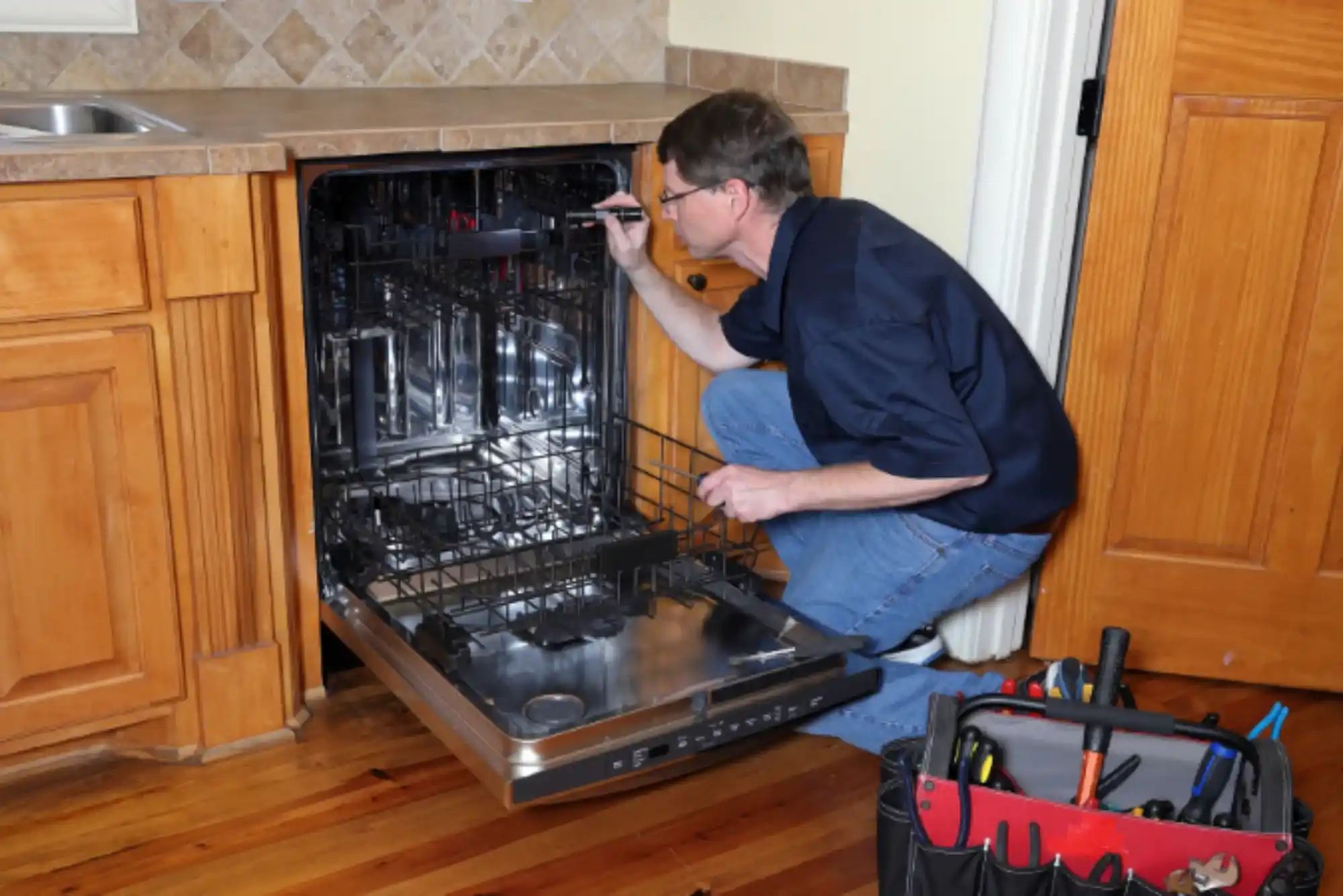
To properly detect a hidden leak, a systematic inspection is necessary. Start by running the dishwasher on a normal cycle while observing carefully around its edges. While it may look dry at first glance, take the time to check under the appliance with a flashlight if possible.
Removing the lower kick plate provides a better view of the dishwasher’s underside. Look for signs of dripping water, corrosion on metal parts, or moisture stains. If you see puddles, even small ones, this indicates an active leak.
Another effective step is to place paper towels or absorbent cloths under the dishwasher and check them after a cycle. Even slight dampness suggests a problem. In addition, carefully feel around water supply and drain hoses for wetness. Just be sure to switch off power and water supply before touching any connections to ensure safety.
Professional Tools for Leak Detection
While homeowners can often identify leaks with basic observation, professionals use advanced tools to detect even the smallest amounts of hidden moisture. Moisture meters, for example, can measure dampness levels in surrounding wood, drywall, or flooring without needing to remove the dishwasher. Thermal imaging cameras are another effective solution, highlighting areas where water intrusion has altered temperature patterns behind walls or floors.
For homeowners who suspect a hidden leak but cannot confirm it through basic checks, calling a professional appliance repair service or water damage specialist ensures accurate detection and prevents unnecessary damage.
Preventing Hidden Dishwasher Leaks
Once a leak is found and repaired, prevention becomes the next priority. Regular maintenance is the most reliable way to reduce the risk of hidden leaks. Start by cleaning seals and gaskets to prevent grime buildup that could weaken their effectiveness. Replacing worn-out gaskets as soon as they show signs of cracking is also important.
Inspect water supply and drain hoses annually, replacing them every five to seven years even if they appear intact. Ensuring your dishwasher is properly leveled prevents pooling and reduces pressure on key components. Finally, avoid overloading the dishwasher, as excess weight can strain seals and increase the chance of water escaping during a cycle.
When to Call a Professional
While many homeowners are capable of performing simple inspections, hidden leaks often require expert attention. If you notice water damage near your dishwasher, mold growth, or persistent odors, professional help is strongly recommended. Appliance repair specialists not only identify the root cause but also ensure a long-lasting fix.
In cases where water has already damaged cabinetry or flooring, it may also be necessary to involve a water restoration service. These experts handle drying, cleaning, and mold remediation, protecting your home from long-term damage.
The Cost of Ignoring a Leak
Ignoring a hidden dishwasher leak can be far more expensive than repairing it early. What starts as a minor drip may eventually rot wooden flooring, damage electrical wiring, and require extensive renovation. The average repair cost for water damage from hidden leaks can easily surpass the cost of a new dishwasher, not to mention the disruption it causes to your daily life.
By addressing leaks promptly, homeowners not only save money but also maintain the safety and hygiene of their kitchens. Mold from long-term leaks poses health risks, especially for children, elderly family members, or anyone with respiratory issues.
The Importance of Professional Maintenance
Even if your dishwasher appears to be working well, scheduling periodic maintenance with a qualified technician is a smart investment. A professional can inspect seals, hoses, and other vulnerable components, replacing them before they fail. This proactive approach ensures your appliance continues to operate efficiently while minimizing the risk of hidden leaks.
Furthermore, technicians can detect early wear that most homeowners overlook. Their expertise, combined with professional-grade tools, gives you peace of mind that your dishwasher is secure and your kitchen is safe from water damage.
A dishwasher is meant to bring convenience, not hidden damage. Unfortunately, unnoticed leaks can undermine that convenience, leading to costly repairs and potential health hazards.
Detecting hidden dishwasher leaks requires a combination of observation, maintenance, and sometimes professional intervention. By recognizing early warning signs—such as odors, warped wood, or mold—and taking proactive steps to inspect and maintain your appliance, you can protect your home from serious water damage.