Why Descaling a Dishwasher is Essential
A dishwasher saves time and effort in every household, but it requires regular care to remain efficient. Over time, hard water leaves behind mineral deposits, most commonly calcium and magnesium, that solidify into limescale. These chalky white layers form on internal parts such as the walls, filters, spray arms, and heating elements. When this buildup grows thicker, the dishwasher consumes more water and energy, produces cloudy glassware, and sometimes gives off unpleasant odors. In severe cases, limescale can even cause long-term damage to the appliance. Descaling is the key to preventing these problems and ensuring that the dishwasher runs smoothly for years.
Understanding How Limescale Forms
Hard water is the main culprit behind limescale. Whenever the dishwasher operates, water is heated to high temperatures, and as it evaporates, minerals separate and attach to surfaces. At first, the deposits appear as a light film, but with time they harden into stubborn crusts. This buildup interferes with the free flow of water, clogs spray arms, and forces the heating element to work harder. The result is poor cleaning performance, higher utility bills, and a greater risk of costly repairs. By recognizing how limescale develops, it becomes clear why regular descaling is a crucial part of dishwasher maintenance.
How Often Should You Descale a Dishwasher
The frequency of descaling depends on the hardness of the water in your area. In regions with very hard water, deposits form quickly, making monthly descaling necessary. In areas with softer water, descaling once every few months may be enough. Regardless of water type, regular cleaning ensures that the machine maintains peak performance. Ignoring this step often leads to performance issues, wasted energy,Post Category, and unsatisfactory cleaning results.
Natural Ways to Descale a Dishwasher
Many homeowners prefer using natural ingredients to maintain their dishwashers. Vinegar is one of the most popular methods, as its acidic properties effectively dissolve mineral deposits while removing odors. A cup of vinegar placed on the top rack during a hot wash cycle spreads throughout the appliance, loosening limescale and grease. Baking soda can be added afterward to refresh the interior and brighten surfaces, while lemon juice provides a natural scent along with mild descaling power. These solutions are safe, eco-friendly, and inexpensive, making them ideal for routine maintenance.
Commercial Descaling Solutions
For more stubborn buildup, natural remedies may not be sufficient. Commercial descaling products are specifically designed to handle thick layers of limescale. They often come in the form of cleaning tablets or liquid solutions that are placed inside the machine during a hot cycle. These cleaners penetrate every part of the dishwasher, dissolving deposits that household ingredients may not fully remove. Manufacturers frequently recommend these products because they are tested to work effectively without damaging the internal components of the appliance. Using them periodically ensures a deeper clean, especially if the dishwasher has not been descaled for a long time.
Cleaning Important Dishwasher Components
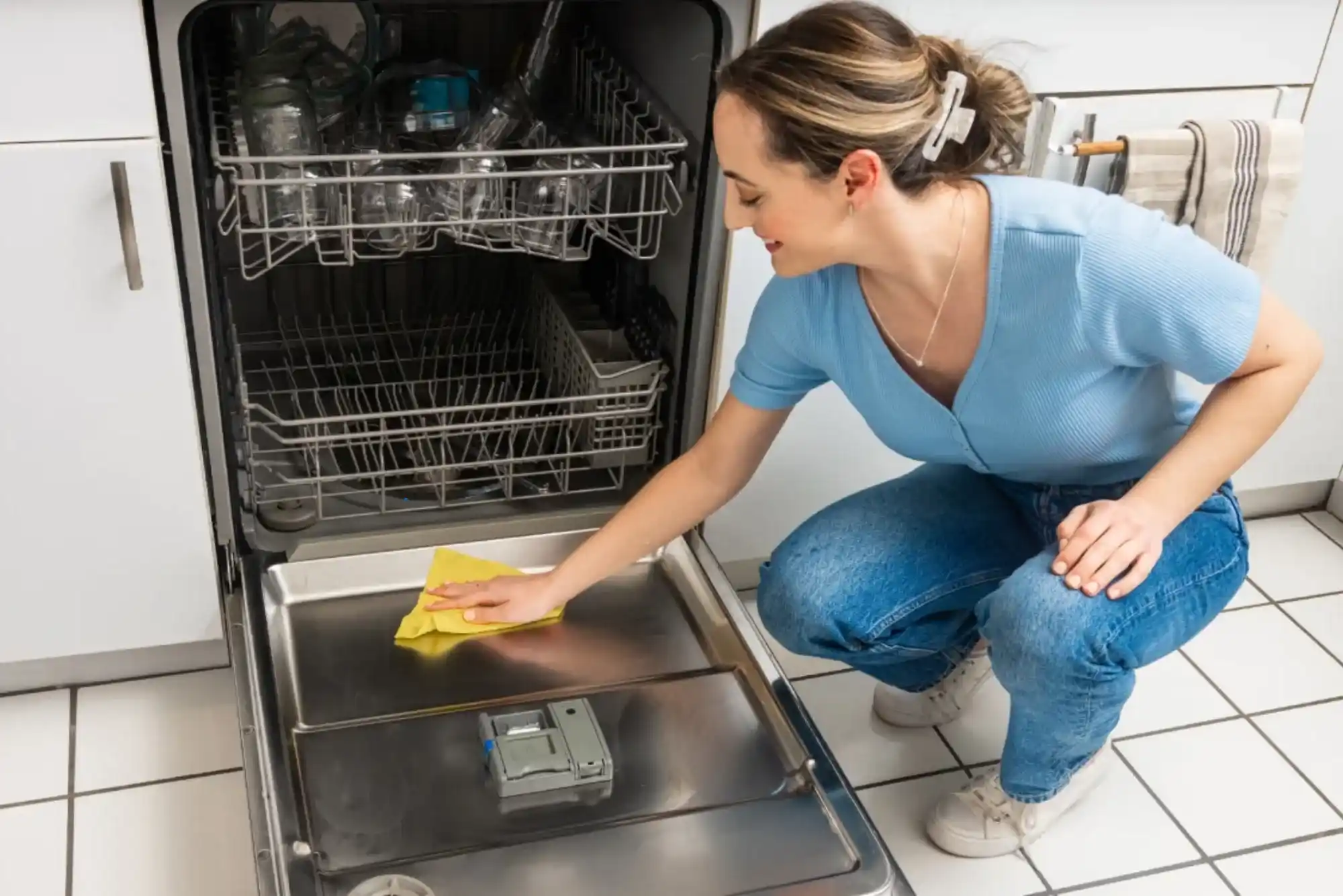
Descaling the interior is effective, but certain components require extra attention. Spray arms, for example, can lose efficiency when their nozzles become clogged with mineral deposits. Cleaning them with a descaling solution restores proper water pressure and coverage. Filters are another critical part, as they trap food particles along with mineral buildup. Soaking them in warm soapy water or vinegar helps restore cleanliness and ensures smooth water circulation. Even door seals and gaskets can harbor limescale, soap residue, and mold. Wiping these areas with a vinegar-soaked cloth keeps them flexible, clean, and hygienic.

Preventing Future Limescale Buildup
While descaling addresses existing problems, prevention helps reduce the frequency of heavy cleaning. Using dishwasher salt in machines designed for it balances water hardness and minimizes scaling. Running the dishwasher on hot cycles helps prevent grease and minerals from solidifying into tough deposits. Leaving the door slightly open after a cycle allows moisture to escape, reducing the chance of residue drying inside. Choosing high-quality detergents also makes a difference, as they leave fewer residues behind and are formulated to reduce scaling. These preventive measures complement regular descaling, ensuring long-term performance and reliability.
When to Consider Professional Dishwasher Maintenance
Sometimes, even regular descaling may not fully restore a heavily scaled dishwasher. If performance drops significantly, dishes remain cloudy, or odors persist, professional maintenance may be required. Technicians can disassemble the appliance and clean hidden parts such as heating elements, pumps, and water lines, which are not easily accessible at home. Professional servicing not only eliminates severe limescale but also identifies worn-out seals or damaged components that could lead to breakdowns. By investing in professional care when needed, you can extend the lifespan of your dishwasher and restore it to optimal working condition.
The Long-Term Benefits of Regular Descaling
The benefits of descaling go far beyond cleaner dishes. A scale-free dishwasher consumes less energy and water, which reduces utility bills. The appliance also lasts longer, saving you the expense of frequent repairs or early replacement. From a hygiene standpoint, descaling removes bacteria, mold, and residue, ensuring that every wash delivers sanitary results. There is also a noticeable improvement in the appearance of dishes and glassware, which come out sparkling clean and free of streaks. In the long run, descaling is a simple maintenance step that pays off with better performance, lower costs, and a more reliable kitchen routine.
Descaling a dishwasher should never be treated as an optional task. It is a necessary part of responsible appliance care that protects efficiency, reduces operating costs, and extends the lifespan of the machine. Whether you rely on natural solutions like vinegar and baking soda, invest in commercial descaling products for tougher buildup, or call in a professional for deep maintenance, the result is the same: a cleaner, more efficient, and longer-lasting appliance. By incorporating descaling into your regular household routine and taking preventive measures to reduce limescale, you can enjoy spotless dishes, fresher cycles, and the peace of mind that your dishwasher is working at its best.