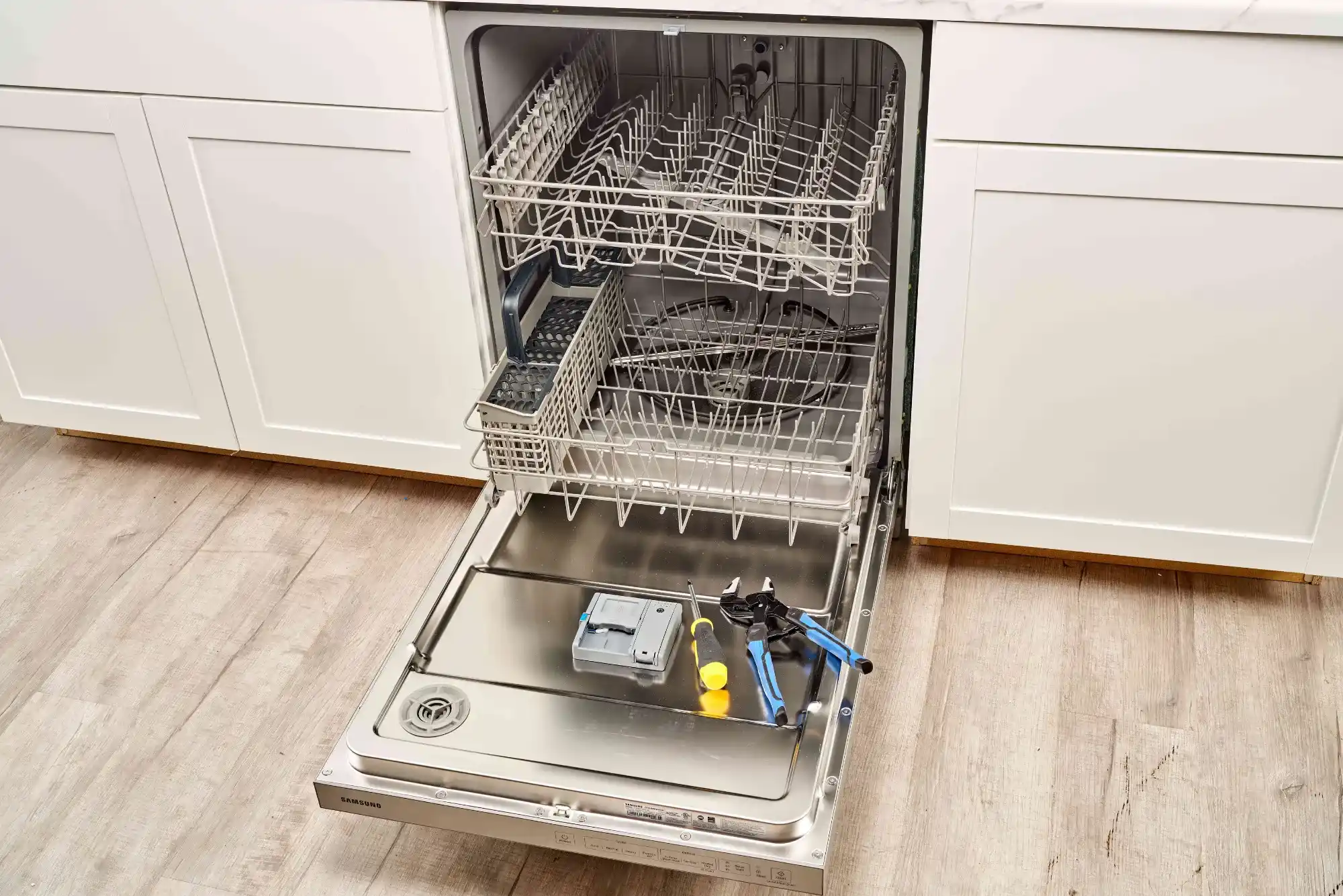
Modern dishwashers are far more advanced than their early predecessors. At the core of this transformation is the electronic module, often called the control board or brain of the appliance. This small yet powerful component governs the entire operation of a dishwasher—from water intake and temperature regulation to cycle control and drainage. When the electronic module begins to fail, the dishwasher may display unusual symptoms, stop mid-cycle, or not start at all. Understanding how to troubleshoot this part can save time, money, and unnecessary frustration.
Understanding the Role of the Electronic Module
Before attempting any troubleshooting, it is essential to know what the electronic module actually does. Think of it as a central command center. It receives signals from sensors, interprets user commands from the control panel, and activates specific components such as the water inlet valve, pump motor, or heating element. Because of its complex functions, even a small malfunction can disrupt the entire washing process.
Electronic modules are typically sensitive to power surges, moisture, and prolonged wear. They are designed to last for years, but improper handling, frequent electrical fluctuations, or blocked vents can lead to early failure. Recognizing the signs of trouble at the earliest stage can prevent a complete breakdown.
Common Symptoms of Module Malfunctions
When the dishwasher electronic module develops a fault, the appliance often exhibits certain recognizable behaviors. The dishwasher may fail to start despite power being available, or it may stop in the middle of a wash cycle without completing the program. In some cases, the machine might display blinking lights, error codes, or refuse to respond to the control buttons. Another frequent symptom is irregular water filling or draining—when the dishwasher fills too much, too little, or drains inconsistently.
The heating function may also be compromised, leaving dishes dirty and wet at the end of the cycle. Because the electronic module governs communication with sensors, even a small malfunction can cause the dishwasher to misinterpret the condition inside the chamber. For instance, the dishwasher might assume the water temperature is correct when it is not, or it may think the tank is empty when water is still present.
Safety First in DIY Troubleshooting
When dealing with any electrical component, safety must always be a priority. Dishwashers run on high-voltage electricity, and improper handling can result in serious injury. Before attempting to inspect or troubleshoot the electronic module, disconnect the dishwasher from the power supply. If possible, also shut off the water line to avoid accidental leaks.

It is important to work in a dry environment and use insulated tools where possible. Grounding yourself before touching the control board can prevent damage from static electricity. If the dishwasher is built-in,Post Category, take care while moving it out of its cavity, as the water hoses and electrical wiring can be delicate.
Inspecting for Visible Signs of Damage
Once the dishwasher is safely disconnected, the electronic module can usually be accessed by removing the outer control panel or the kick plate, depending on the model. Carefully examine the module for visible issues. Burn marks, scorched wires, or bulging capacitors are tell-tale signs of an electrical short or overheating. Moisture or corrosion on the board can also interfere with its operation.
Sometimes, the issue is not with the board itself but with loose or damaged wiring connections. Re-seating the connectors or replacing frayed wires may restore functionality. However, avoid scraping or aggressively cleaning the board, as this may cause further damage.
Resetting the Dishwasher Control System
Some dishwasher electronic issues can be solved with a simple reset. Many modern machines have built-in reset functions designed to clear error codes or glitches. This may involve pressing a sequence of buttons or holding the power switch for a few seconds. For example, on certain models, pressing the start button for five seconds resets the system.
If your dishwasher does not respond, disconnecting the appliance from power for at least ten minutes can sometimes allow the electronic module to reboot. This step is often effective in cases where the module has locked up due to a temporary surge or sensor miscommunication.
Using a Multimeter for Deeper Troubleshooting
For homeowners with some technical skill, a multimeter can be an invaluable tool when diagnosing module issues. By measuring voltage and continuity, you can check whether the module is correctly sending signals to other components. For instance, if the dishwasher fails to heat, you can test whether the module is providing voltage to the heating element. If there is no output, the control board may be faulty.
Be cautious during this process, as live electrical testing requires precision. If you are unsure about readings, it is better to consult professional technicians who can interpret the results more accurately.
Software and Error Code Diagnosis
Many modern dishwashers come equipped with diagnostic features. When the module detects an issue, it may display an error code on the digital panel. These codes are invaluable in pinpointing specific faults. For example, an error code might indicate a faulty temperature sensor, a communication error between the module and pump, or a short circuit within the control board itself.
Understanding these error codes often requires consulting the dishwasher’s user manual. Online resources from manufacturers can also provide explanations. By interpreting these signals, you can narrow down whether the problem lies with the module itself or another related component.
When to Repair vs. Replace the Module
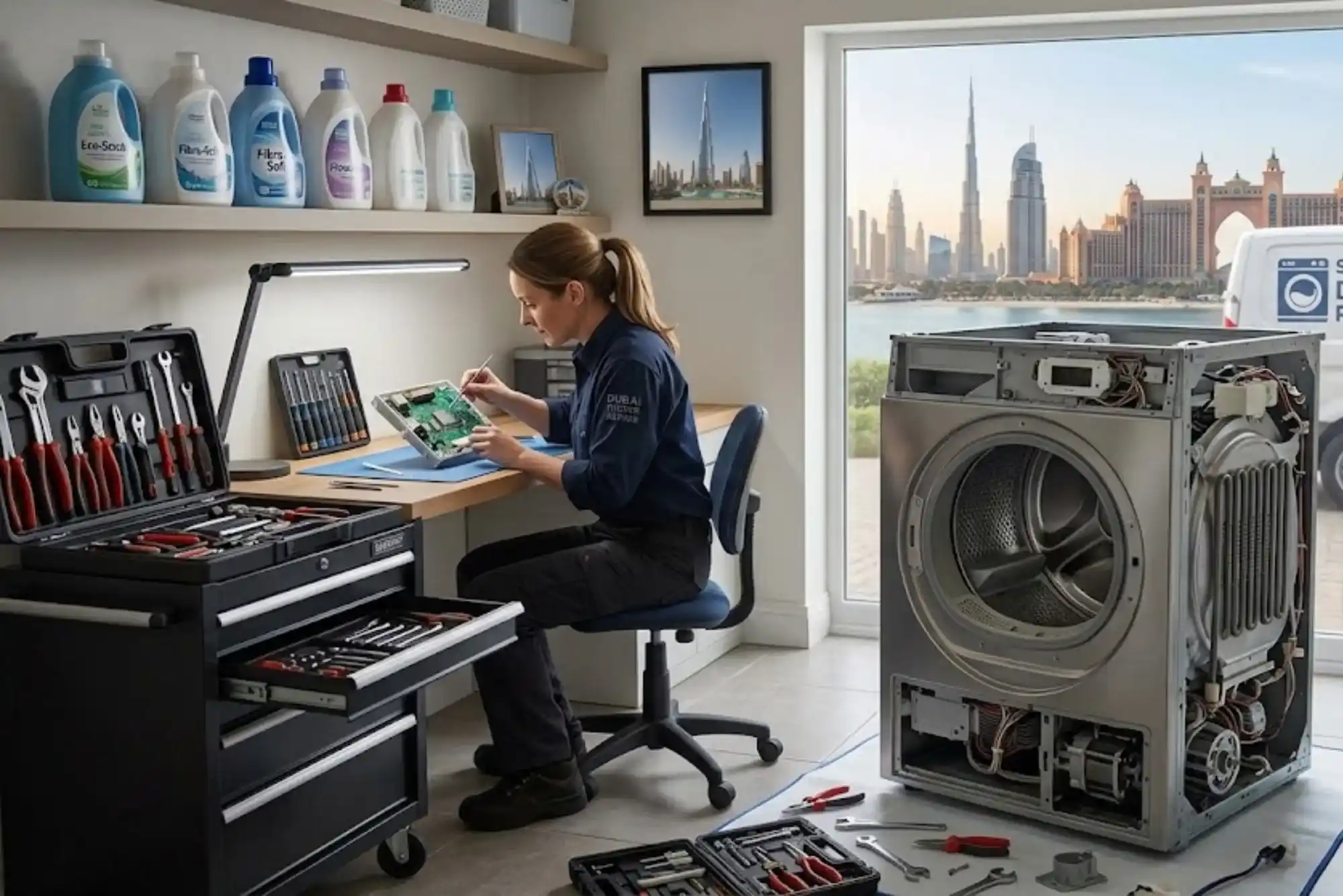
Not all electronic module problems require immediate replacement. In some cases, minor repairs—such as soldering a loose connection or replacing a damaged capacitor—can restore the dishwasher’s operation. However, such repairs require advanced knowledge and soldering skills. For many homeowners, replacing the module is a more practical solution.
Replacement boards are usually model-specific and must be sourced carefully to ensure compatibility. The installation process involves disconnecting the old board, transferring wiring harnesses, and securing the new module in place. Once fitted, the dishwasher often requires calibration or resetting before it resumes normal operation.
Professional Help and Long-Term Care
While DIY troubleshooting is possible, it is not always the safest or most efficient solution. Professional repair services have the tools, training, and replacement parts needed to quickly identify and resolve module-related issues. Attempting complex repairs without experience can sometimes worsen the problem, leading to higher costs in the long run.
To extend the life of a dishwasher electronic module, regular maintenance is key. Using a surge protector can shield the control board from power fluctuations. Ensuring the dishwasher remains dry inside its control cavity prevents corrosion, while avoiding overloading cycles reduces stress on the system. Proper care and immediate attention to minor issues go a long way in maintaining performance.
The electronic module is the heart of any modern dishwasher, controlling every stage of the cleaning cycle. When it malfunctions, the appliance may become unresponsive, inconsistent, or unreliable. By understanding how the module works, recognizing signs of failure, and applying safe DIY troubleshooting methods, homeowners can often restore normal operation or at least identify whether professional repair is necessary.