An oven is one of the most relied-upon appliances in any kitchen, whether for preparing everyday meals or cooking for special gatherings. For gas ovens, the igniter plays a vital role in ensuring safe and consistent heating. When the oven fails to heat properly, the igniter is often the culprit. Diagnosing a faulty oven igniter requires a careful understanding of how it functions, what signs point to failure, and how to confirm the issue before seeking repair or replacement. This guide will provide a detailed overview of diagnosing a bad oven igniter, including professional insights into the process.
Understanding the Role of an Oven Igniter
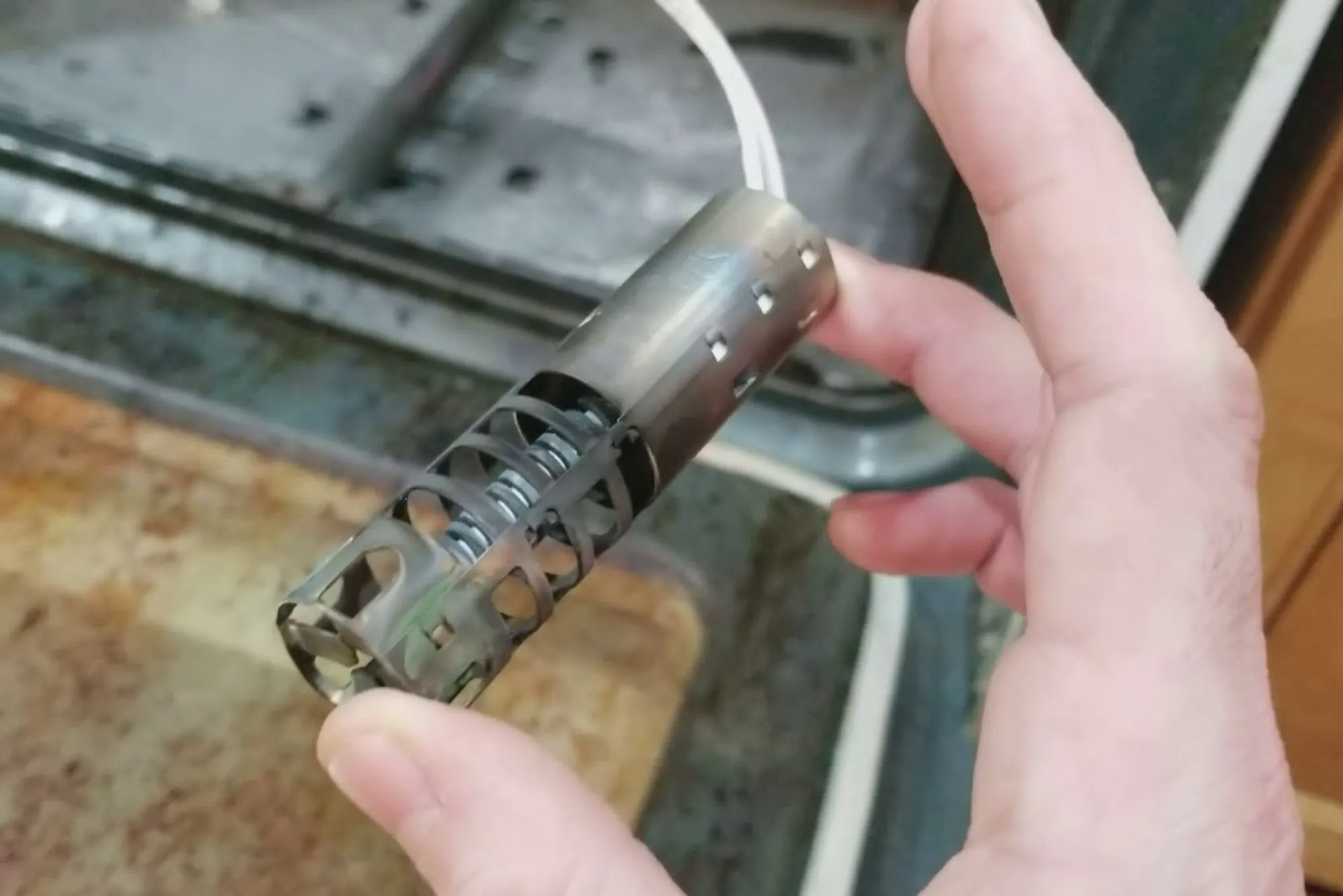
The oven igniter is a small but powerful component that initiates the combustion process inside a gas oven. When you turn the oven on, the igniter draws electrical current and becomes hot enough to ignite the gas that flows into the burner. Once the gas ignites, the oven begins heating to the desired temperature.
The igniter’s job may seem simple, but it requires precision. If the igniter fails to heat adequately or does not draw enough current, the gas valve will not open, preventing the oven from firing up. Over time, igniters wear out due to repeated exposure to high heat and electrical resistance, which eventually affects their performance.
Common Symptoms of a Faulty Oven Igniter
When an igniter begins to fail, the oven’s performance changes in noticeable ways. One of the most obvious signs is when the oven does not heat at all. You may hear a faint clicking or buzzing sound, but no flame appears. In other cases, the oven might take significantly longer to preheat or fail to maintain a consistent temperature, resulting in unevenly cooked food.
Another key symptom is visual inspection of the igniter. A healthy igniter glows bright orange when activated, but a weak igniter may only glow faintly or not at all. Additionally,Post Category, if the oven produces a gas smell without igniting, it suggests the igniter is not hot enough to trigger combustion safely.
Step-by-Step Diagnosis of an Oven Igniter
Diagnosing the oven igniter begins with observation and progresses to testing. Safety should always be the priority, so it is advisable to disconnect the appliance from power before attempting inspection.

Start by turning the oven on and watching the igniter closely. If the igniter glows but the oven does not ignite after a minute or two, this is a strong indication of a weak igniter. A properly working igniter will typically cause ignition within 30 to 60 seconds.
If there is no glow at all, the igniter may have burned out completely or the electrical connection may have failed. At this stage, a multimeter can be used to test the igniter for continuity. A lack of continuity indicates the igniter has failed and requires replacement.
Another important diagnostic step is checking the current draw. Most oven igniters require between 3.2 to 3.6 amps to function properly. If the igniter is not drawing sufficient current, it cannot open the safety valve, preventing gas flow and ignition.
The Importance of Timely Diagnosis
Delaying the diagnosis and repair of a faulty oven igniter can lead to more serious issues. A weak igniter not only affects the oven’s ability to heat but can also create safety risks if gas is released without proper ignition. Additionally, the longer the igniter struggles, the more stress it places on the gas valve, potentially leading to expensive repairs.
By addressing igniter issues early, homeowners can prevent unnecessary risks and maintain the efficiency of their oven. Professional technicians emphasize that prompt diagnosis is one of the most effective ways to extend the lifespan of the appliance.
Causes of Igniter Failure
Igniters fail for several reasons, most of which are related to normal wear and tear. Over time, exposure to high heat weakens the igniter’s material, reducing its ability to generate the necessary current. Electrical surges, power fluctuations, and poor wiring connections can also contribute to failure.
In some cases, the issue may be environmental. Excess grease or food particles that accumulate inside the oven can affect airflow and combustion, putting additional strain on the igniter. Improper cleaning methods that damage electrical components can also shorten the igniter’s life.
Repair or Replacement Considerations
Once diagnosed, the main decision is whether the igniter should be repaired or replaced. In most cases, igniters are not repairable, and replacement is the most practical solution. Fortunately, igniter replacement is a relatively straightforward and cost-effective repair compared to other oven issues.
Replacing the igniter involves accessing the oven’s interior, removing the old igniter, and installing the new one with proper wiring connections. It is always advisable to use manufacturer-approved replacement parts to ensure compatibility and safety. While some homeowners attempt DIY replacement, professional repair services guarantee correct installation and eliminate the risk of accidental damage.
Professional Diagnosis vs. DIY Inspection
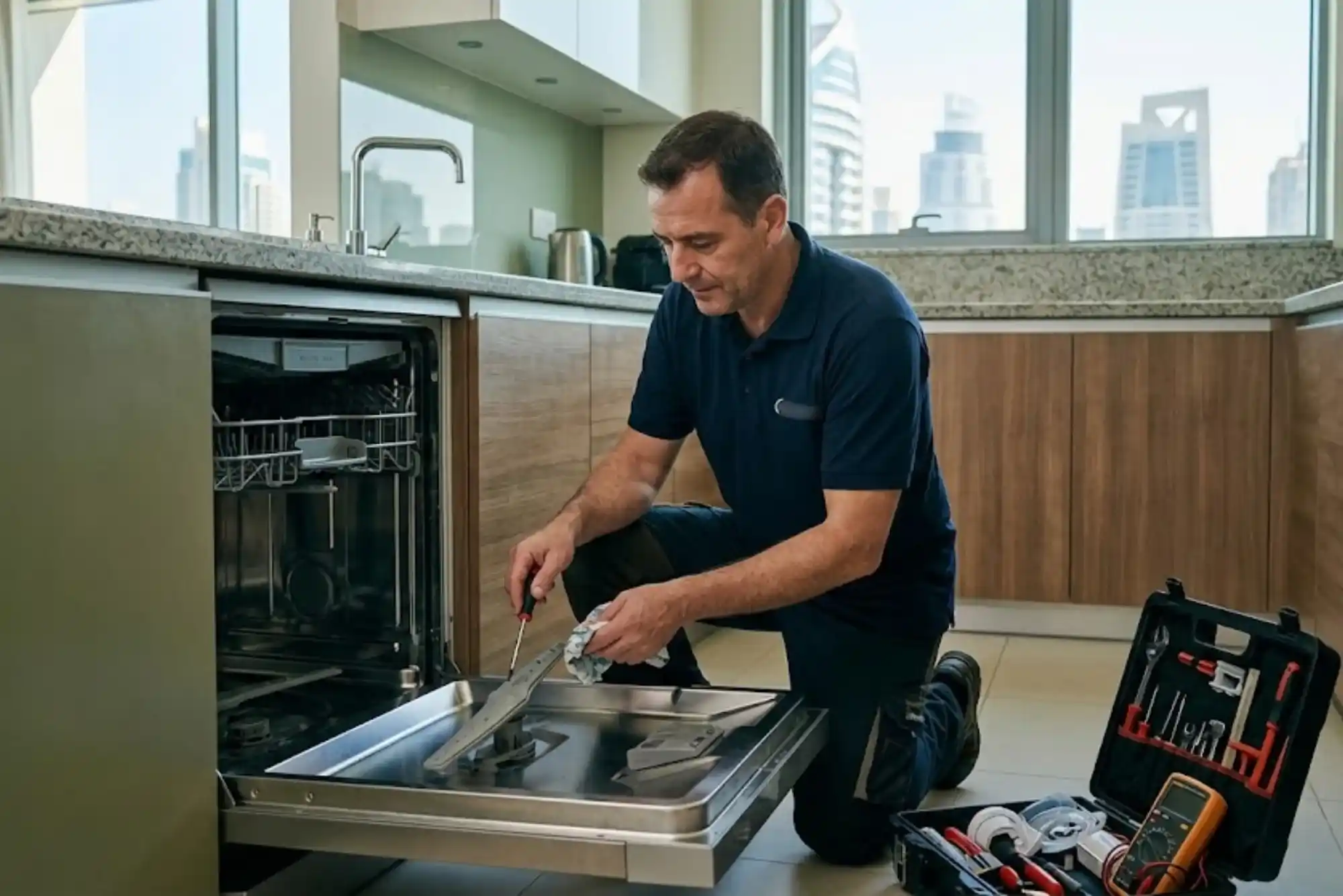
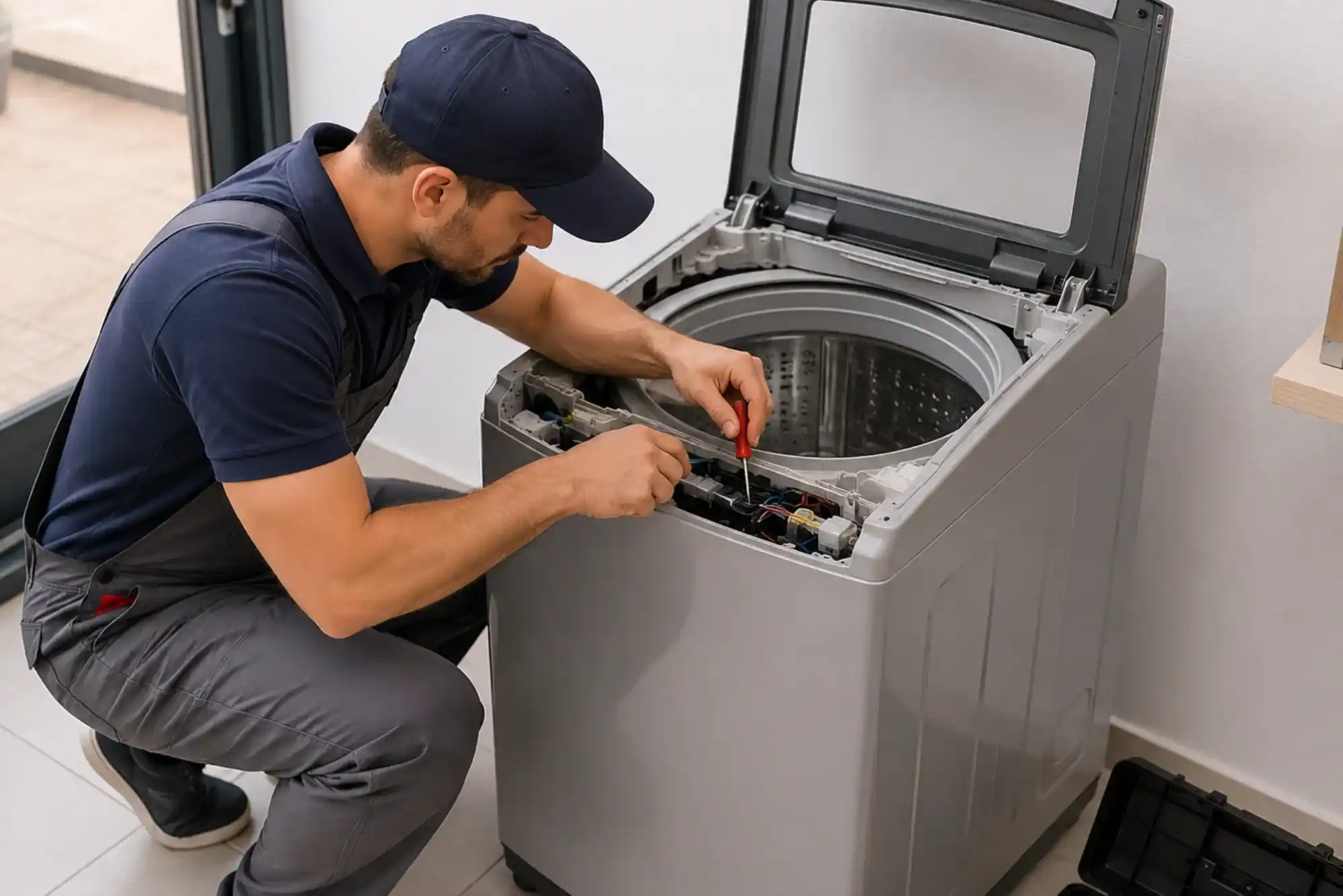
While basic observation can be done at home, professional diagnosis offers greater accuracy. Technicians use advanced tools to measure electrical current, check the gas valve’s operation, and inspect wiring connections. They can also determine if additional problems, such as a faulty thermostat or control board, are contributing to the oven’s failure to ignite.
A DIY inspection is helpful for recognizing visible signs of failure, such as a weak glow or complete lack of response from the igniter. However, without technical knowledge, it is easy to misdiagnose the problem. For example, a no-heat issue may appear to be caused by the igniter but could instead stem from a defective safety valve or control module.
Preventive Measures to Protect the Oven Igniter
Although igniters naturally wear out over time, preventive measures can extend their life. Regular cleaning of the oven reduces grease buildup that might interfere with combustion. Ensuring the oven is not overloaded with heavy cookware prevents excessive strain on the heating system.
Another important practice is monitoring the oven’s performance over time. If preheating begins taking longer than usual, it may signal early igniter weakness. Addressing such issues before complete failure ensures uninterrupted use of the appliance.
Safety Concerns with a Malfunctioning Igniter
A faulty igniter does more than prevent the oven from working efficiently. It can also create hazardous conditions if gas is allowed to accumulate without ignition. This poses a fire risk and may expose the household to harmful fumes.
For this reason, any sign of gas odor without ignition should be taken seriously. The oven should be turned off immediately, and a technician should be contacted. Professional oven repair services emphasize that safety should always come before continued appliance use.
When to Call a Professional Technician
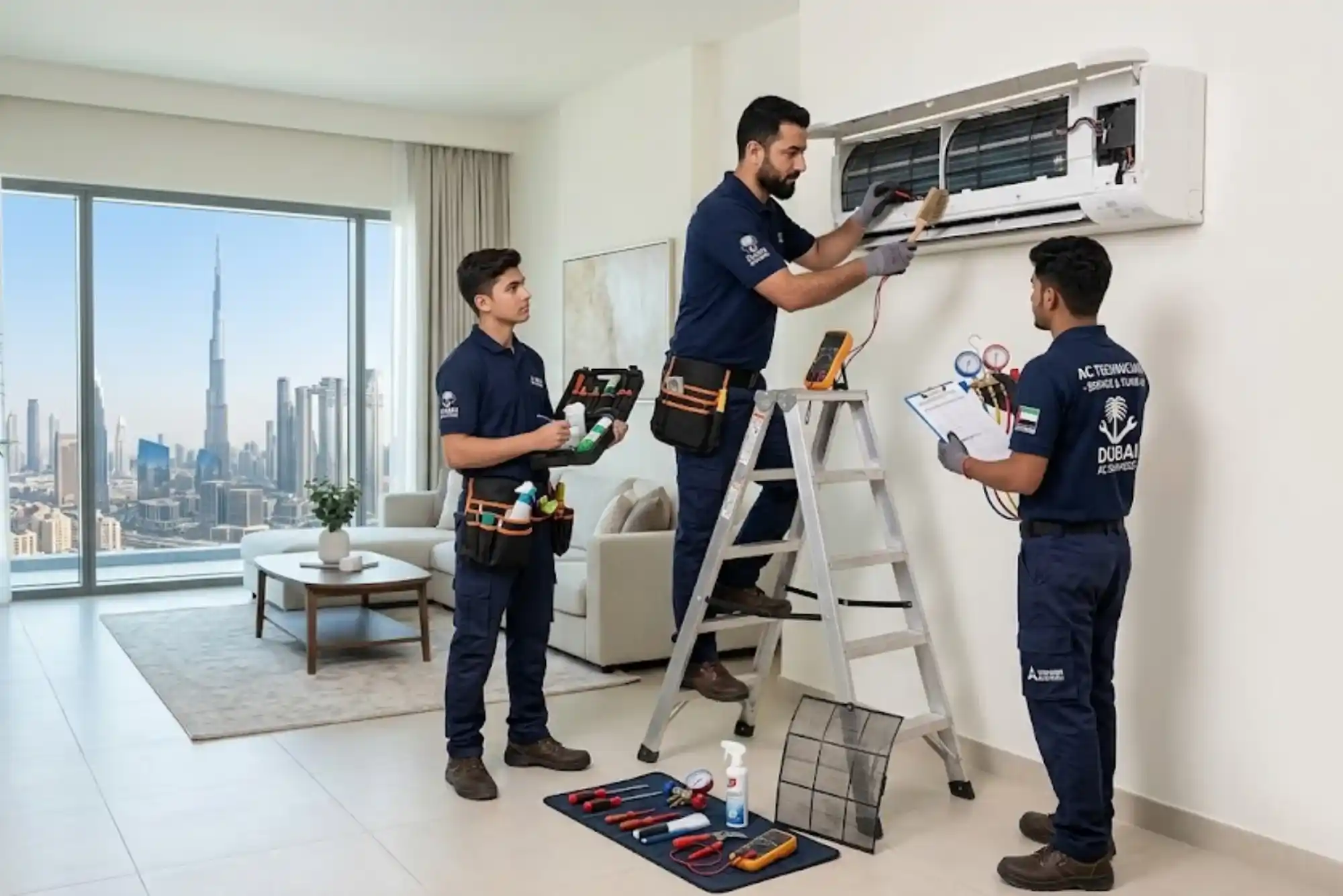
If the oven fails to heat despite glowing igniter, or if the igniter does not glow at all, contacting a professional technician is the safest option. Experienced repair specialists can quickly determine whether the igniter needs replacement or if additional components are failing.
In Dubai and other service-based regions, professional appliance repair companies offer same-day service to restore ovens to working condition. This not only saves time but ensures repairs are completed according to manufacturer standards.
Diagnosing a faulty oven igniter requires attention to detail, an understanding of how the component works, and careful observation of symptoms. While basic inspection can be done at home, professional diagnosis ensures accurate results and safe repairs. Timely replacement of a failing igniter restores the oven’s efficiency, prevents hazards, and prolongs the life of the appliance.
Whether you are a homeowner noticing your oven taking longer to preheat or a professional seeking to maintain reliable service, understanding how to diagnose a faulty oven igniter is essential. By recognizing the warning signs and taking prompt action, you can ensure your oven continues to provide safe, dependable performance for years to come.