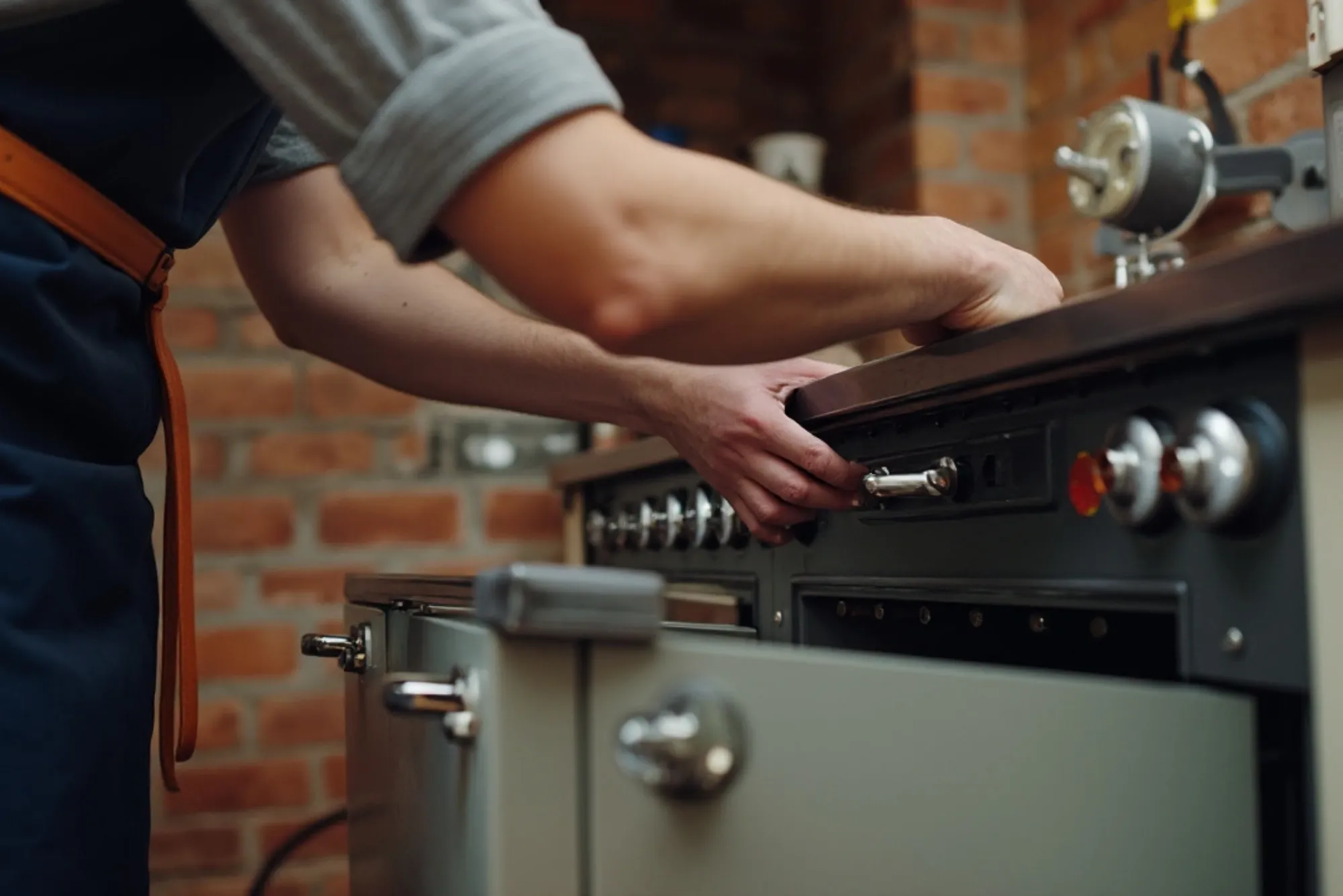
Ovens are an essential part of every kitchen, serving as the backbone of meal preparation for families, restaurants, and individuals alike. Despite their importance, ovens, like any appliance, are subject to wear and tear over time. From uneven heating to electrical malfunctions, these issues can affect your cooking experience and potentially pose safety hazards. When an oven begins to show signs of trouble, homeowners often face a common dilemma: should they repair the appliance or replace it entirely? Understanding the factors involved in this decision can save you time, money, and unnecessary frustration.
Recognizing Oven Problems Early
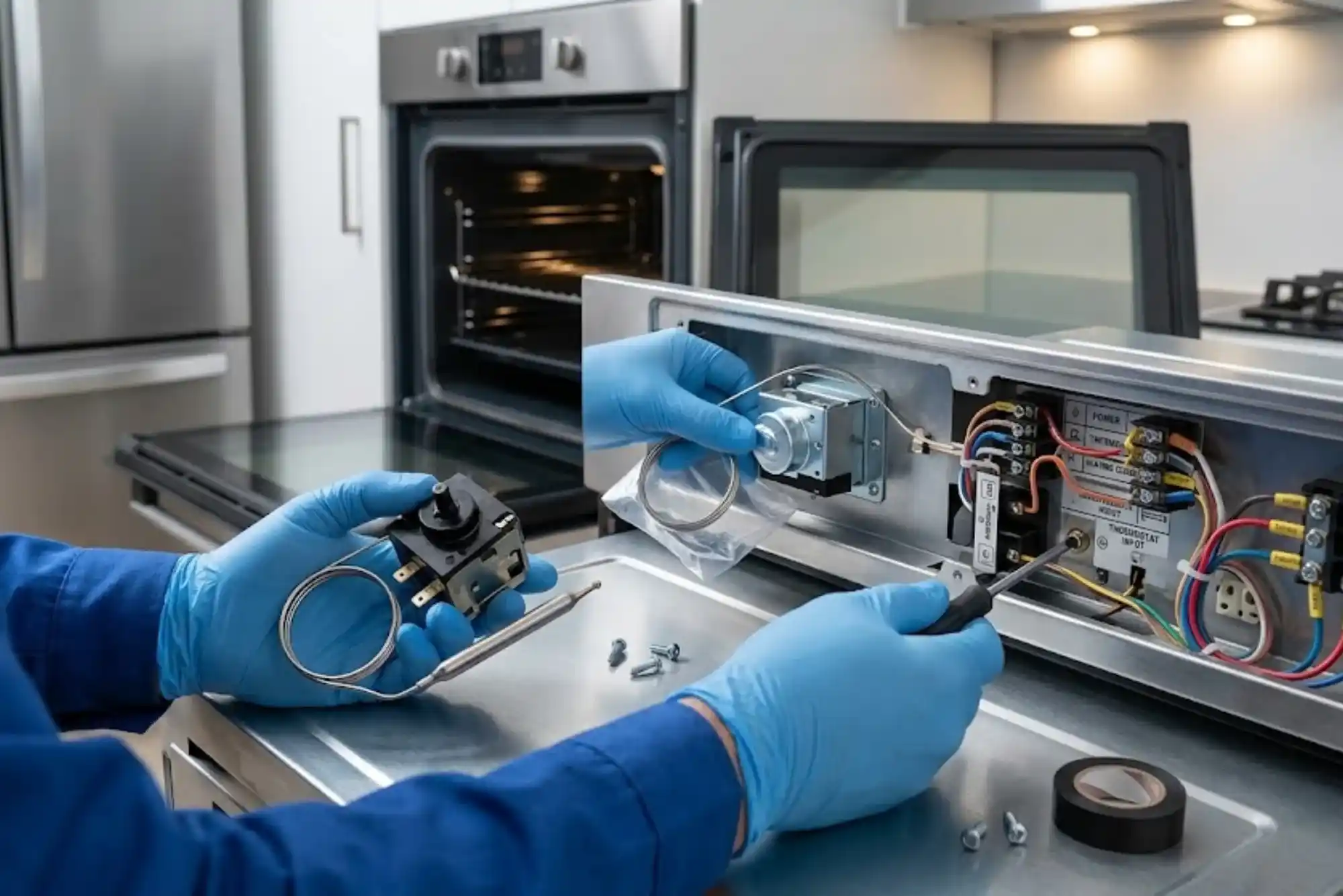
One of the first steps in deciding whether to repair or replace an oven is recognizing when something is wrong. Ovens may experience a variety of issues, from minor annoyances to major malfunctions. Symptoms such as uneven cooking, unusual noises, or a door that does not seal properly indicate that professional intervention may be needed. Electrical ovens might experience issues with heating elements or faulty thermostats, whereas gas ovens may encounter problems with ignition or gas flow. Identifying these problems early allows homeowners to explore repair options before the situation worsens, which could increase repair costs or lead to safety risks.
Ignoring minor problems can sometimes escalate into more significant issues. A small fault in a heating element might initially cause uneven baking, but if left unaddressed, it could result in a complete breakdown. Similarly, a malfunctioning thermostat could cause temperature fluctuations, affecting cooking performance and potentially damaging the oven further. Homeowners must pay attention to unusual smells, smoke, or sparking, as these are often indicators of serious electrical or mechanical failures that require immediate professional attention.
The Cost Factor: Repair vs. Replacement
Cost is a crucial consideration when deciding between repairing or replacing an oven. Minor repairs, such as replacing heating elements or fixing a thermostat, are often cost-effective and extend the life of your appliance. However, when repair costs approach or exceed the price of a new oven, replacement becomes a more sensible option. Ovens that are over ten years old, or models that are no longer manufactured, often require parts that are expensive or hard to find, making repairs less feasible.
It is also essential to consider the efficiency and features of newer models. Modern ovens offer advanced functionalities such as convection cooking, digital controls, self-cleaning features, and energy-efficient designs. In some cases, replacing an older oven with a new, energy-efficient model can provide long-term savings on electricity bills while improving cooking performance. While the initial investment might be higher, the benefits of upgrading can outweigh the costs of repeated repairs on an outdated appliance.
Evaluating the Severity of the Damage
Another factor to consider is the severity of the oven’s damage. Cosmetic issues, such as minor dents or scratches, generally do not affect the oven’s performance and are usually not a reason for replacement. Structural damage, on the other hand, such as a warped oven door repair or cracked interior, can compromise the appliance’s safety and efficiency. If the oven door does not seal properly, heat may escape during cooking, leading to uneven results and increased energy consumption. In cases of severe damage, professional repair may not restore the oven to optimal functionality, making replacement the more practical choice.

Electrical and gas-related problems should be evaluated carefully by a licensed technician. Faulty wiring, malfunctioning ignition systems, or gas leaks pose serious safety risks. Professional assessment ensures that repairs are conducted safely and effectively, or if necessary, confirms that replacement is the safest solution. Attempting to repair these issues without expert guidance can result in injury or further damage to the appliance.
The Role of Warranty and Service Support
Warranty coverage and available service support play a significant role in the repair versus replacement decision. Ovens that are still under warranty may be repaired at little or no cost, making repair the preferred option. Manufacturers often provide support for parts and labor, which can significantly reduce expenses and extend the appliance’s lifespan. Conversely, appliances that are out of warranty may incur higher repair costs, which must be weighed against the cost of a new oven.
Service support is another essential consideration. Some older models may have limited availability of replacement parts, making timely and effective repairs challenging. Consulting a professional home appliance repair service, such as Hafixer, can provide guidance on whether repairs are practical or if replacement is recommended. Experienced technicians can offer insights based on the model, age, and condition of the oven, helping homeowners make informed decisions.
Convenience and Lifestyle Considerations
Beyond cost and damage, lifestyle and convenience also influence the decision to repair or replace an oven. Frequent home cooks or families who rely on their oven daily may find that even minor performance issues can disrupt their routine. In such cases, repairing the appliance promptly ensures that cooking schedules are maintained without interruption. On the other hand, if an oven is nearing the end of its life and frequently requires maintenance, replacement can provide a more reliable solution and peace of mind.
For homeowners who enjoy modern technology and innovative cooking methods, upgrading to a new oven may enhance the culinary experience. Features such as smart controls, precise temperature settings, and multiple cooking modes allow for improved performance and convenience. While repair can restore functionality, it cannot provide the enhanced capabilities that modern appliances offer.
Professional Assessment and Recommendations
Making the decision to repair or replace an oven requires careful evaluation and professional guidance. Licensed technicians can diagnose problems accurately, estimate repair costs, and recommend the most practical solution. Professional home appliance repair services, such as Hafixer, have the expertise to handle various oven brands and models, ensuring that repairs are completed safely and effectively. Their assessment takes into account the age of the oven, severity of the damage, cost implications, and safety considerations.
Professional evaluation also helps homeowners avoid common pitfalls, such as undertaking costly repairs on an appliance that is unlikely to function reliably afterward. In addition, technicians can advise on energy-efficient upgrades, helping homeowners save money in the long term and improve cooking performance.
Deciding whether to repair or replace your oven is a multifaceted decision that requires careful consideration of the appliance’s condition, repair costs, safety, and lifestyle needs. Early recognition of issues, cost analysis, and evaluation of damage severity are crucial factors in making an informed choice. While repairs can extend the life of a functional oven, replacement may provide enhanced performance, energy efficiency, and peace of mind, particularly for older or severely damaged appliances.
Engaging professional services ensures that the decision is based on accurate diagnostics and expert recommendations. Hafixer Home Appliances Repair offers specialized guidance and services, helping homeowners maintain their kitchen appliances safely and efficiently. By understanding the signs of oven problems and weighing the costs and benefits of repair versus replacement, you can make the best choice for your home, lifestyle, and culinary needs.