When it comes to home appliances, few are as essential as the oven. Whether you use it for everyday cooking, baking, or preparing meals for special occasions, the oven is often the centerpiece of the kitchen. However, many homeowners overlook one crucial step in ensuring their oven operates safely and efficiently—proper installation. The way your oven is installed can significantly affect not only its performance but also its safety, longevity, and energy consumption. Understanding the importance of correct installation is essential for anyone investing in a new oven or replacing an existing one.
Safety as the Top Priority
Safety should always be the first consideration when installing an oven. Ovens, whether gas or electric, are powerful appliances that draw on high levels of energy. An improperly installed oven can pose serious hazards such as electrical fires, gas leaks, or carbon monoxide poisoning. These risks are not only dangerous but can be life-threatening if not addressed immediately.
For gas ovens, even a small error in connecting the gas line can lead to leaks. Gas leaks are particularly dangerous because they are not always immediately noticeable. Over time, accumulated gas can ignite with just a small spark, leading to catastrophic explosions. Similarly, with electric ovens, incorrect wiring or poor grounding can increase the chance of electrical fires or shocks. Professional installation ensures that all safety protocols are followed, minimizing these risks.
Enhancing Energy Efficiency
Another vital aspect of proper installation is energy efficiency. Modern ovens are designed with advanced technology to provide excellent performance while consuming as little energy as possible. However, incorrect installation can prevent the appliance from working at peak efficiency. For example, if an oven is not leveled correctly, heat may not distribute evenly inside, causing food to cook unevenly and requiring longer cooking times. This not only wastes energy but also leads to frustration in the kitchen.
Gas ovens, in particular, require proper ventilation to burn fuel efficiently. Without the correct setup, the appliance may use more gas than necessary, driving up utility bills. Similarly, electric ovens need stable electrical connections to function optimally. Professional installers make sure all components are positioned and connected properly, allowing the oven to run as efficiently as possible.
Extending the Lifespan of the Appliance
A well-installed oven is likely to last much longer than one that has been improperly set up. Appliances represent a significant financial investment, and no homeowner wants to replace an oven prematurely due to poor installation. When connections are secure, airflow is properly managed, and electrical or gas supply lines are safely fitted, the oven experiences less strain during operation.

Incorrect installation can cause unnecessary wear and tear. For instance, if the oven door does not close tightly because the appliance is not level, heat can escape. This forces the oven to work harder to maintain the desired temperature, which accelerates wear on internal components such as the thermostat or heating elements. Over time, this can lead to frequent breakdowns, costly repairs, and the need for early replacement. Proper installation safeguards your investment and ensures you get the most value out of your appliance.
Ensuring Proper Ventilation
Ventilation is one of the most overlooked aspects of oven repair & installation, yet it is essential for safety and performance. Both gas and electric ovens generate significant amounts of heat, and without proper ventilation, this heat can build up in your kitchen. Not only does this make the environment uncomfortable, but it also places additional strain on the appliance and surrounding cabinetry.
For gas ovens, ventilation is even more critical due to the byproducts of combustion, such as carbon monoxide. A professional installer ensures that vents are properly positioned and that there is adequate airflow to carry harmful gases outside the home. Poor ventilation not only reduces the efficiency of your oven but also creates serious health risks for your household.
Optimizing Kitchen Space and Design
Beyond safety and performance, proper installation also plays a role in the overall design and functionality of your kitchen. Ovens are often built into cabinetry or integrated into specific layouts, and incorrect installation can create gaps, uneven surfaces, or misaligned fittings. These not only look unprofessional but can also interfere with the convenience of using the oven daily.
For example, if the oven is not flush with surrounding counters, it may create spaces where crumbs and spills accumulate, leading to hygiene issues. On the other hand, a properly fitted oven enhances the seamless look of your kitchen, improving both aesthetics and practicality. Professional installers understand how to balance technical requirements with design considerations, giving your kitchen a polished and functional finish.
Meeting Manufacturer and Warranty Requirements
Most oven manufacturers provide warranties that cover repairs or replacements for a certain period. However, these warranties often come with conditions, including the requirement that the appliance must be installed by a licensed professional. Attempting to install the oven yourself, or hiring an unqualified technician, could void your warranty.
This means that if your oven experiences problems later on, the manufacturer may refuse to cover the costs if it was not installed correctly. By ensuring professional installation, you not only comply with warranty terms but also gain peace of mind knowing that your investment is protected.
The Role of Professional Expertise
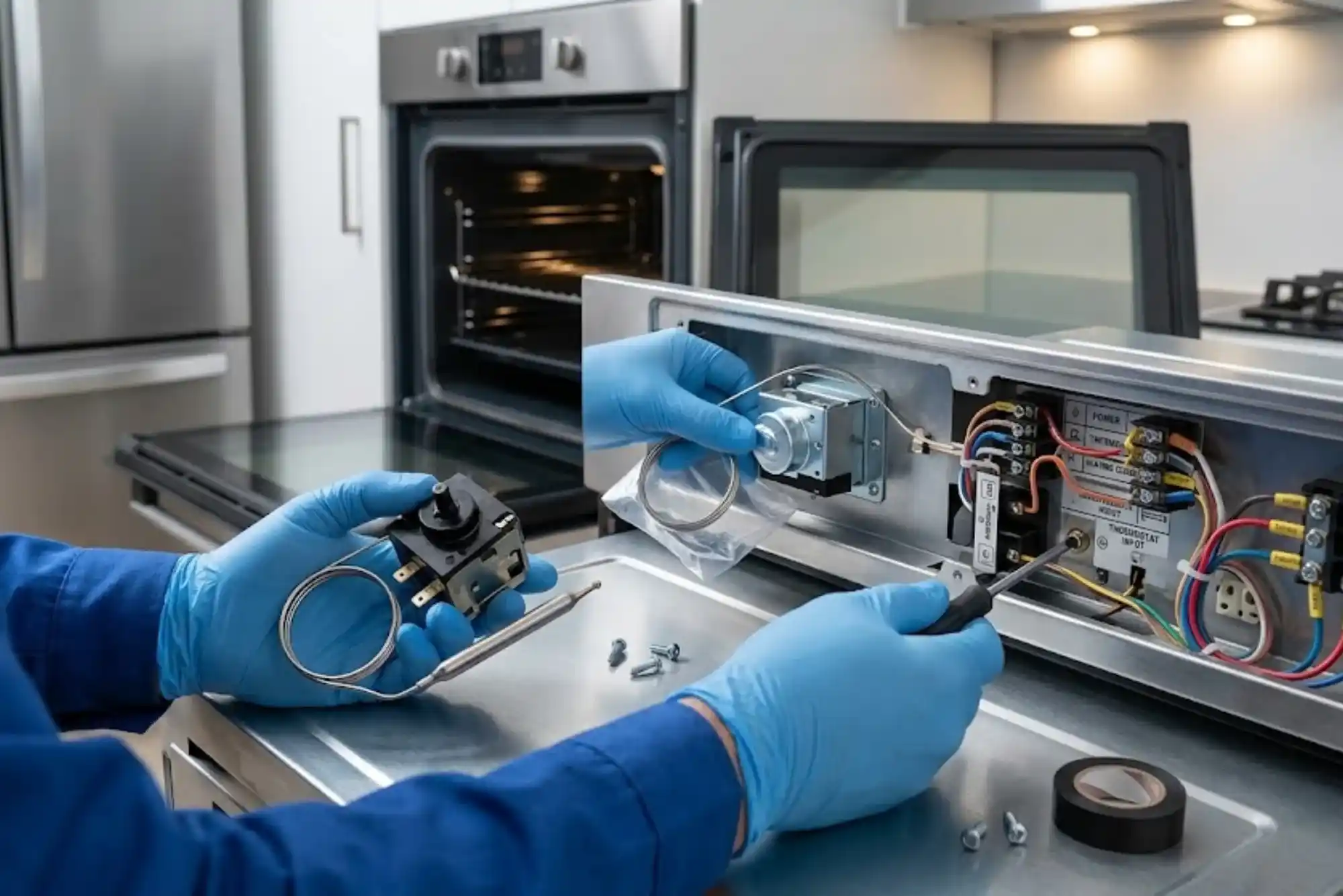
While some homeowners may be tempted to treat oven installation as a do-it-yourself project, the reality is that the process requires technical knowledge, experience, and specialized tools. Professional installers are trained to handle electrical wiring, gas connections, and ventilation systems safely and effectively. They are also familiar with local building codes and regulations, ensuring that the installation meets legal standards.
Choosing professional installation also saves time and stress. Instead of struggling with manuals and potentially making costly mistakes, you can rely on experts to complete the job efficiently. This allows you to start using your oven immediately with confidence that it has been installed correctly.
Long-Term Peace of Mind
Ultimately, proper oven installation is not just about getting the appliance up and running—it is about long-term peace of mind. Knowing that your oven has been safely and correctly installed allows you to focus on what really matters: enjoying delicious meals with family and friends. From protecting your household against potential hazards to ensuring optimal performance and longevity, proper installation is a step that should never be overlooked.
The oven is a vital part of any home, and investing in a high-quality model is only half the story. Without proper installation, even the best oven will fail to deliver its full potential. Professional installation ensures safety, maximizes efficiency, prolongs the appliance’s lifespan, and enhances your kitchen’s overall design. It also secures your warranty and provides reassurance that your oven is ready to perform reliably for years to come.
When installing an oven, it is essential to resist the temptation of cutting corners. The expertise and precision of a professional installer are invaluable in safeguarding your home, your investment, and your peace of mind. By recognizing the importance of proper oven installation, you not only protect your household but also ensure that every meal you prepare is cooked to perfection.