When an oven begins making loud or unusual noises, it can be both disruptive and concerning. A well-functioning oven should operate quietly, with only a faint hum or fan sound in some models. If you hear banging, grinding, rattling, or high-pitched squeals, it signals that something inside the appliance is not functioning as intended. Addressing these noises promptly is important, not only to restore peace in your kitchen but also to prevent potential safety hazards and costly repairs.
Fixing an oven that makes loud noises requires a clear understanding of how the appliance works, what components could be responsible for the sound, and how to safely diagnose and repair the issue. This guide explores the common causes of noisy ovens, the methods professionals use to identify the problem, and safe steps you can take to resolve it.
Understanding Why Ovens Make Noise
Modern ovens are complex appliances with multiple moving and electrical components. Some level of sound is normal, especially in convection models where a fan circulates heat for even cooking. However, when the sound becomes unusually loud or irregular, it indicates a mechanical fault, wear and tear, or loose internal parts.
The noises can vary in type and intensity. A deep rumbling often points to issues with the fan motor, while metallic rattling can suggest a loose panel or screw. High-pitched squeals may come from bearings inside the motor, and repetitive clicking might be associated with electrical relays or igniters.
Understanding these distinctions helps narrow down the possible sources of the problem, ensuring that you approach the repair logically rather than through guesswork.
Safety First When Diagnosing Oven Noise
Before attempting to inspect or repair your oven, prioritizing safety is essential. Ovens operate using either high-voltage electricity or gas, both of which pose significant risks if handled incorrectly.

Always disconnect the oven from its power source before opening any panels or removing components. If you are dealing with a gas oven, shut off the gas supply to prevent leaks. Use insulated tools where possible, and avoid touching wires, heating elements, or sharp edges inside the oven cavity.
If you are unsure of your skills or lack the proper tools, contacting a professional technician is always the safest option. Many issues that cause noise require careful disassembly and reassembly,something best left to trained experts if you are not experienced with appliance repair.
Common Causes of Loud Noises in Ovens
Several parts inside an oven can create loud or unusual noises when they malfunction. Identifying the specific cause requires listening carefully to the type of sound and where it seems to originate.
One of the most frequent culprits is the convection fan. In convection ovens, the fan circulates hot air to ensure even cooking temperatures. Over time, the fan blade can become loose, bent, or obstructed, leading to grinding, scraping, or rattling noises. Similarly, the motor that drives the fan can wear out, producing a persistent hum or squeal.
Another potential source is the cooling fan. Some ovens feature a secondary fan designed to prevent overheating of control panels and electronic components. When this fan becomes faulty, it too can generate loud or irregular sounds.
Loose internal parts, such as screws, brackets, or panels, can also vibrate loudly during operation. Heat cycles may cause metal components to expand and contract, loosening them over time and leading to rattles or clanking noises.
Gas ovens may produce loud bangs or pops if the gas ignites improperly, a condition that should be addressed immediately due to the potential danger.
Diagnosing the Source of the Noise
Accurately diagnosing the noise begins with careful observation. Start by noting when the sound occurs. Does it happen during preheating, while cooking at a steady temperature, or only when the oven shuts off? The timing can provide important clues about which component is involved.
Next, listen closely to the quality of the noise. Grinding or scraping often points to a fan blade making contact with surrounding parts. A loud hum may suggest an electrical issue with the motor, while rattling often indicates loose hardware.
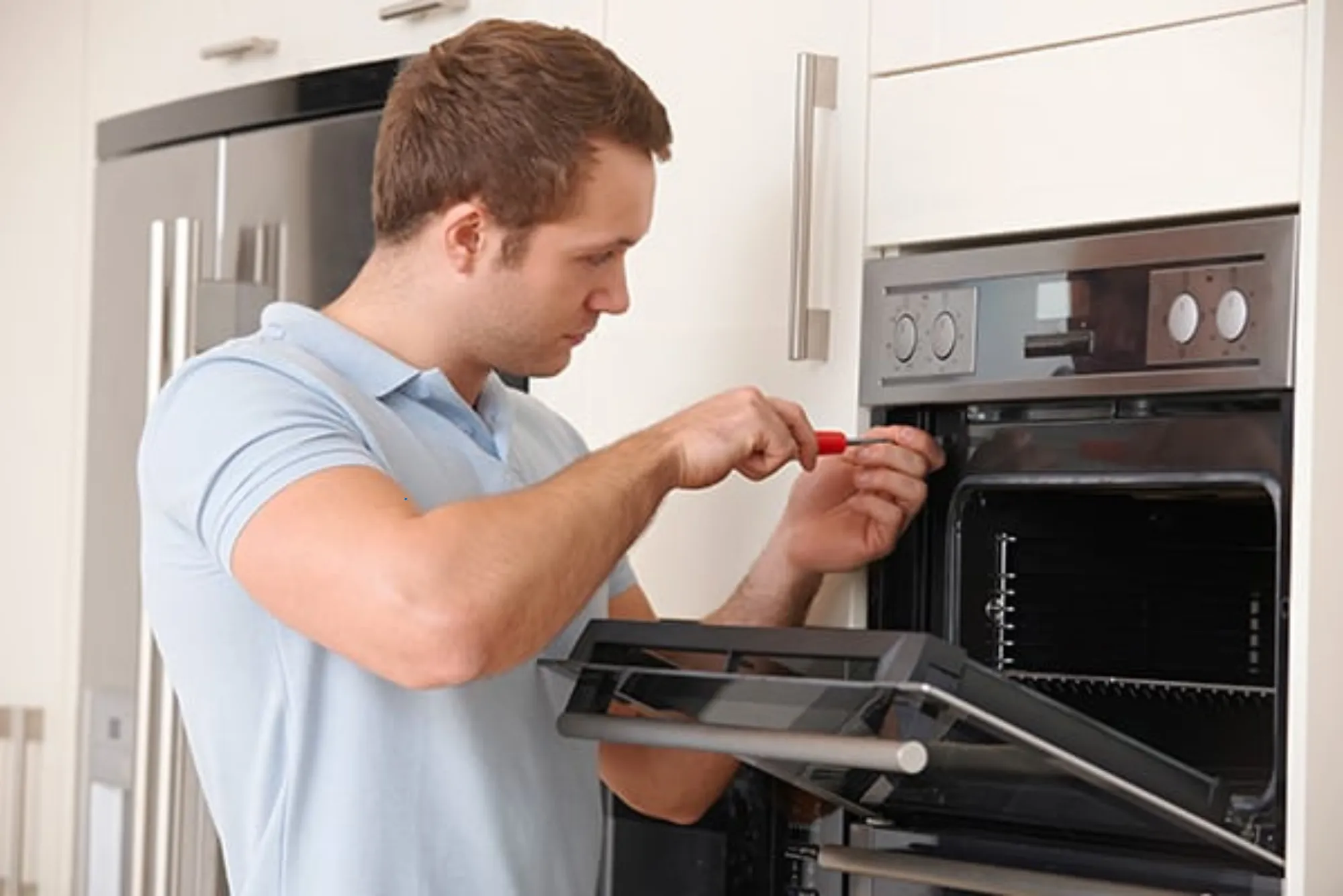
Once you have narrowed down the possibilities, unplug the oven and inspect the suspected area. For convection fans, remove the protective panel at the back of the oven cavity and check the fan blade for obstructions or wear. For cooling fans, you may need to access the rear or top panels of the appliance. Look for screws or brackets that may have loosened and inspect for any signs of damage or overheating.
In gas ovens, if the noise resembles a loud bang, check the burner assembly and igniter for signs of delayed ignition or gas buildup. These issues are particularly sensitive and often require a professional to handle safely.
Repairing or Replacing Faulty Components
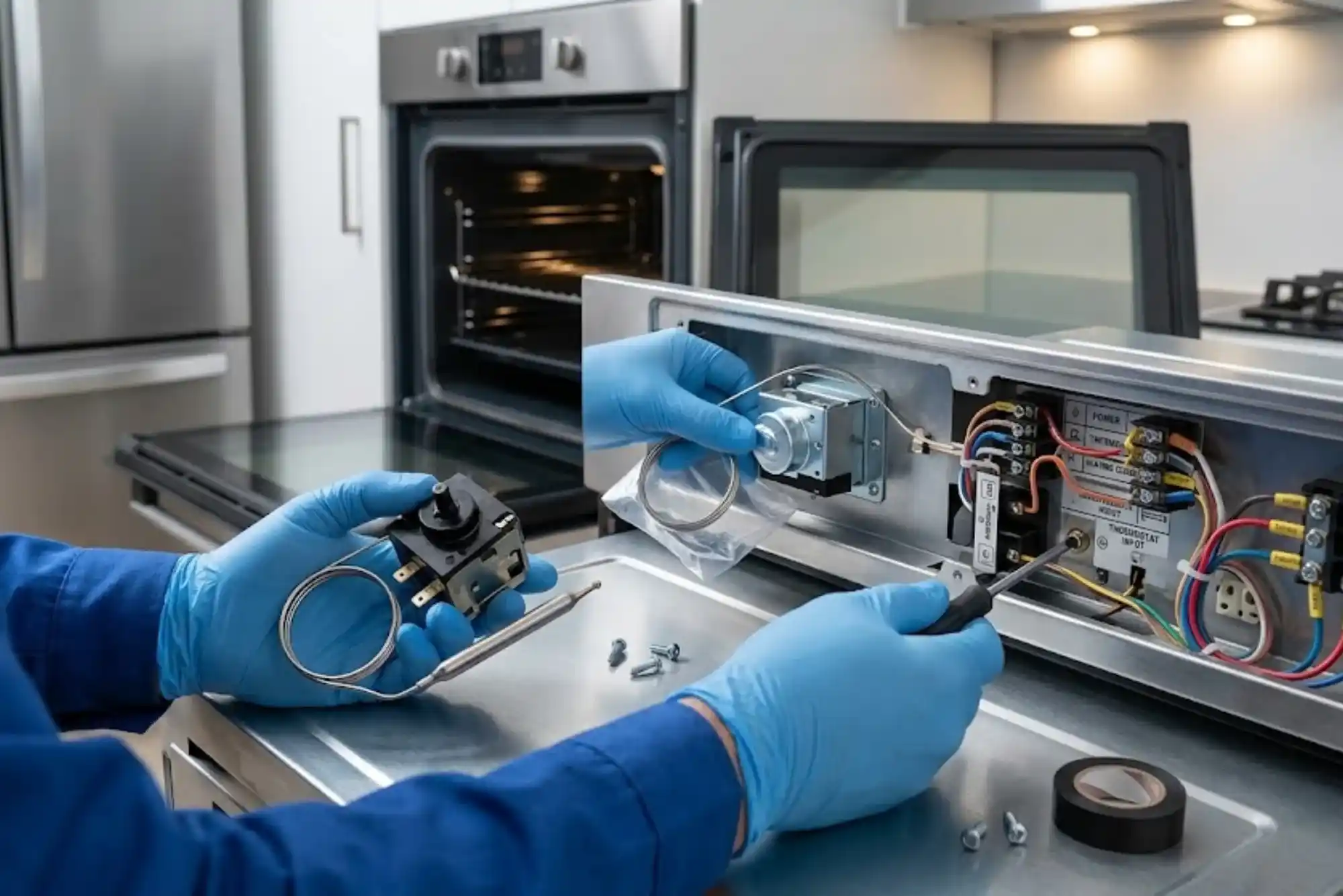
Once you have identified the faulty component, the next step is deciding whether to repair or replace it. Many oven parts are designed to be replaceable, including fan motors, blades, igniters, and thermostats.
If the fan blade is bent or damaged, it should be replaced rather than repaired, as even slight distortions can create imbalance and ongoing noise. A failing fan motor can sometimes be lubricated, but in most cases replacement is the long-term solution. Cooling fans and convection fans are widely available as spare parts, and many can be installed with basic tools once the oven is safely disconnected.
Loose screws or panels can often be fixed simply by tightening them securely. However, ensure that you use the correct size screwdriver and avoid overtightening, which can strip the threads or damage the metal.
For gas ovens, if the issue lies in the ignition system, replacement of the igniter or burner assembly may be necessary. These repairs should only be attempted by professionals, as mishandling gas connections can lead to leaks or dangerous malfunctions.
Preventing Noises Through Regular Maintenance
While repairing a noisy oven is possible, prevention is always better. Regular maintenance can reduce the likelihood of issues developing in the first place.
Cleaning the oven cavity and fans regularly helps prevent grease and food debris from obstructing moving parts. Inspecting and tightening screws and panels during routine cleaning can stop rattling before it becomes a problem. For electric ovens, checking wiring and connections periodically ensures that components remain secure and operate efficiently.
For gas ovens, scheduling annual professional servicing is highly recommended. A technician can inspect the burners, igniters, and gas lines, ensuring that everything functions safely and quietly.
By incorporating these maintenance practices, you not only extend the lifespan of your oven but also reduce the chances of disruptive and potentially hazardous noises occurring.
When to Call a Professional Technician
Although many oven noises can be traced to relatively simple causes, not all issues should be handled at home. If the noise is accompanied by electrical burning smells, smoke, or irregular heating, immediate professional attention is necessary. Similarly, loud bangs in gas ovens should never be ignored, as they may indicate dangerous ignition problems.
If you lack experience with electrical or gas appliances, attempting complex repairs may lead to injury or further damage. Professional technicians have the training, tools, and replacement parts necessary to diagnose and repair ovens safely and effectively.
Final Thoughts on Fixing a Noisy Oven
An oven that makes loud noises is more than just an annoyance—it is a signal that something inside the appliance requires attention. Whether caused by a loose fan blade, a failing motor, or ignition issues in a gas model, these noises can often be resolved through careful diagnosis and timely repair.
By approaching the problem systematically, prioritizing safety, and knowing when to seek professional help, you can restore your oven to quiet, reliable operation. Regular maintenance and inspection play a crucial role in preventing noise-related issues, ensuring that your oven continues to serve your household effectively for years to come.