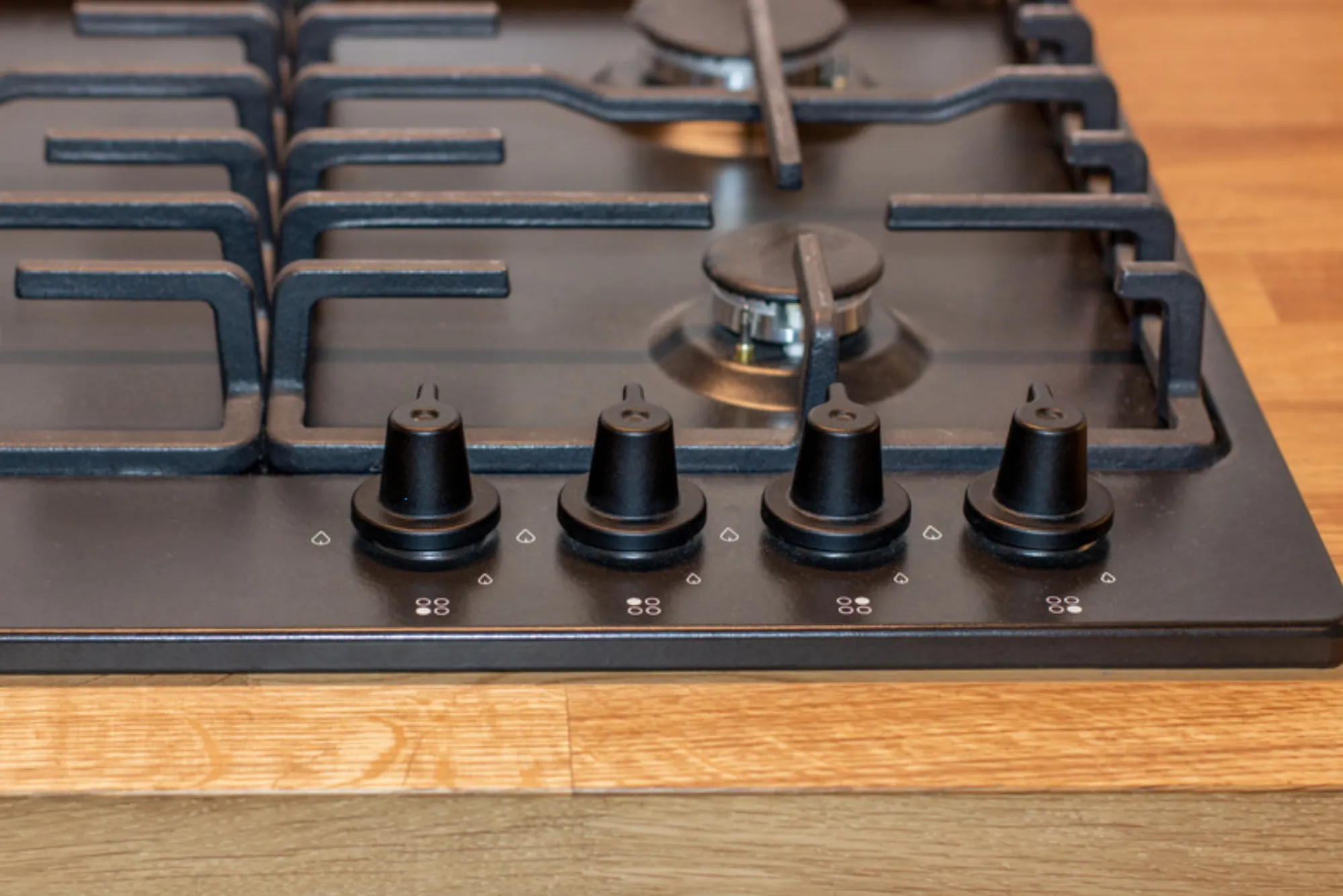
Cleaning stove control panels can feel tricky because they are sensitive areas that combine electronics, labels, knobs, and finishes. Unlike flat cooktops or oven interiors, the control panel requires a gentler approach to avoid scratching surfaces, erasing printed markings, or allowing moisture to seep into electrical components. A well-maintained control panel not only improves the look of your kitchen but also ensures your appliance continues to operate safely and efficiently.
In this article, we will explore in detail how to clean stove control panels, the different types of panels you may encounter, what cleaning solutions are safe, the mistakes to avoid, and tips for ongoing care that prevent long-term damage.
Understanding the Different Types of Control Panels
Not all stove control panels are the same, and recognizing their materials and design helps you choose the right cleaning approach. Traditional ranges often feature raised knobs with plastic or stainless-steel backings. Modern stoves may incorporate sleek glass touch panels or digital screens. Some hybrid models combine both physical knobs and electronic touchpads.
Plastic panels are more prone to scratching, so abrasive tools are unsuitable. Stainless-steel panels resist scratches better but can show streaks and fingerprints. Glass or glossy touch panels require special care to avoid smudges while protecting sensitive electronic sensors beneath the surface. Recognizing the type of panel you have is the first step to choosing safe cleaning products and techniques.
The Importance of Regular Cleaning
Control panels are high-contact areas that accumulate grease, food splatters, and fingerprints every time you cook. If left uncleaned, this buildup not only dulls the appearance of your stove but can also damage the labeling on knobs or buttons, making it difficult to read settings. Sticky residues can affect the smooth rotation of knobs, while moisture and grime may penetrate gaps and interfere with electrical functions.
Regular cleaning ensures that markings remain visible, buttons function properly, and the appliance maintains a polished appearance. It also helps reduce bacteria and allergens that could spread from food preparation surfaces to the stove. By making cleaning a routine task, you prevent stubborn buildup that later requires harsher scrubbing and stronger chemicals.

Preparing for Safe Cleaning
Before you begin cleaning a stove control panel, safety is the priority. Always make sure the stove and oven are completely off and cooled down. If your stove has an electronic touch panel, it is wise to unplug the appliance or switch it off at the breaker box to prevent accidental activation during cleaning.
Gather soft microfiber cloths, cotton swabs, mild dish soap, warm water, and a spray bottle. Avoid abrasive pads, sharp tools, or cleaners containing ammonia or bleach, as these can strip away protective coatings or remove printed labels. Having a gentle, non-toxic cleaning solution ensures the surface is sanitized without causing harm.
Cleaning Knob-Based Control Panels
For stoves with physical knobs, remove the knobs carefully by pulling them straight off the panel. Most knobs are designed to be detachable for cleaning. Place them in a bowl of warm, soapy water and let them soak while you work on the panel. Use a slightly damp microfiber cloth to wipe down the surface of the control panel, paying attention to crevices where grease often collects.
Avoid excessive moisture, as liquids can seep into the shaft openings where the knobs attach. A cotton swab lightly dipped in the cleaning solution can help reach narrow spaces around knob posts. After cleaning, dry the panel thoroughly before reattaching knobs. Clean the knobs separately with a sponge or soft brush, rinse them well, and allow them to dry completely before snapping them back into place.
Cleaning Digital or Touch Control Panels
Modern digital panels require even greater caution. Harsh chemicals can damage the sensitive touch-sensitive film, while too much water may seep into electronic circuits. Spray your cleaning solution onto a microfiber cloth rather than directly onto the panel. Gently wipe in smooth motions to remove smudges and stains without pressing too hard.
If you encounter stubborn grease spots, dampen a cloth slightly more and hold it against the stain for a few seconds before wiping, rather than scrubbing aggressively. This softens the residue without scratching the surface. Finish by buffing the panel with a dry microfiber cloth to restore its shine and reduce streaks.
Removing Stubborn Grease and Stains
Cooking often results in grease splatters that cling tightly to control panels. To deal with stubborn stains, mix a solution of equal parts white vinegar and warm water. Dampen a cloth with the mixture and press it gently onto the stain. Allow it to sit for a minute before wiping clean. For heavy grease, a small amount of baking soda paste applied with a soft cloth can break down residue, but it must be used gently to avoid abrasion.
Never use steel wool, rough sponges, or chemical degreasers that can scratch surfaces or remove printed text. Patience and gentle repetition work better than forceful scrubbing. Always rinse with a clean, damp cloth afterward to remove any cleaner residue.
Drying and Finishing Touches
After cleaning, moisture must be completely removed to protect the panel and electronics. Use a dry microfiber cloth to wipe down the entire area, including around the edges and behind knobs. On stainless-steel panels, polish in the direction of the grain to prevent streaks. On glass panels, circular buffing helps restore a smooth, clear finish.
Once the knobs are dry, reattach them carefully, making sure they are secure but not forced into place. If your stove features backlighting or LED indicators, check that these are working correctly after reassembly. A thorough drying process not only prevents water damage but also leaves the panel looking freshly polished.
Mistakes to Avoid When Cleaning Control Panels
One of the most common mistakes people make is spraying cleaning solutions directly onto the control panel. Liquids can drip into seams and compromise electronics. Another mistake is using rough cleaning tools like scouring pads, which may scratch surfaces permanently or remove essential markings.
Using highly concentrated cleaners such as bleach, ammonia, or oven sprays can erode plastic finishes and lettering. Rushing the drying process and reattaching wet knobs is also risky, as residual moisture may lead to corrosion or electrical issues. Avoid applying excessive force to knobs or buttons, which can cause loosening or misalignment.
Tips for Long-Term Maintenance
Preventive care is just as important as cleaning. Wipe down your control panel after each cooking session, even if only with a dry microfiber cloth, to remove fingerprints and light splatters. For heavier use, establish a weekly cleaning routine with mild soap and water.
Consider placing removable silicone knob covers on stoves with heavy traffic, especially in households with children, to protect markings from frequent handling. Always use range hoods while cooking to minimize grease buildup on the control panel. If your stove is under warranty, check the manufacturer’s recommendations for cleaning products to avoid voiding coverage.
When to Seek Professional Help
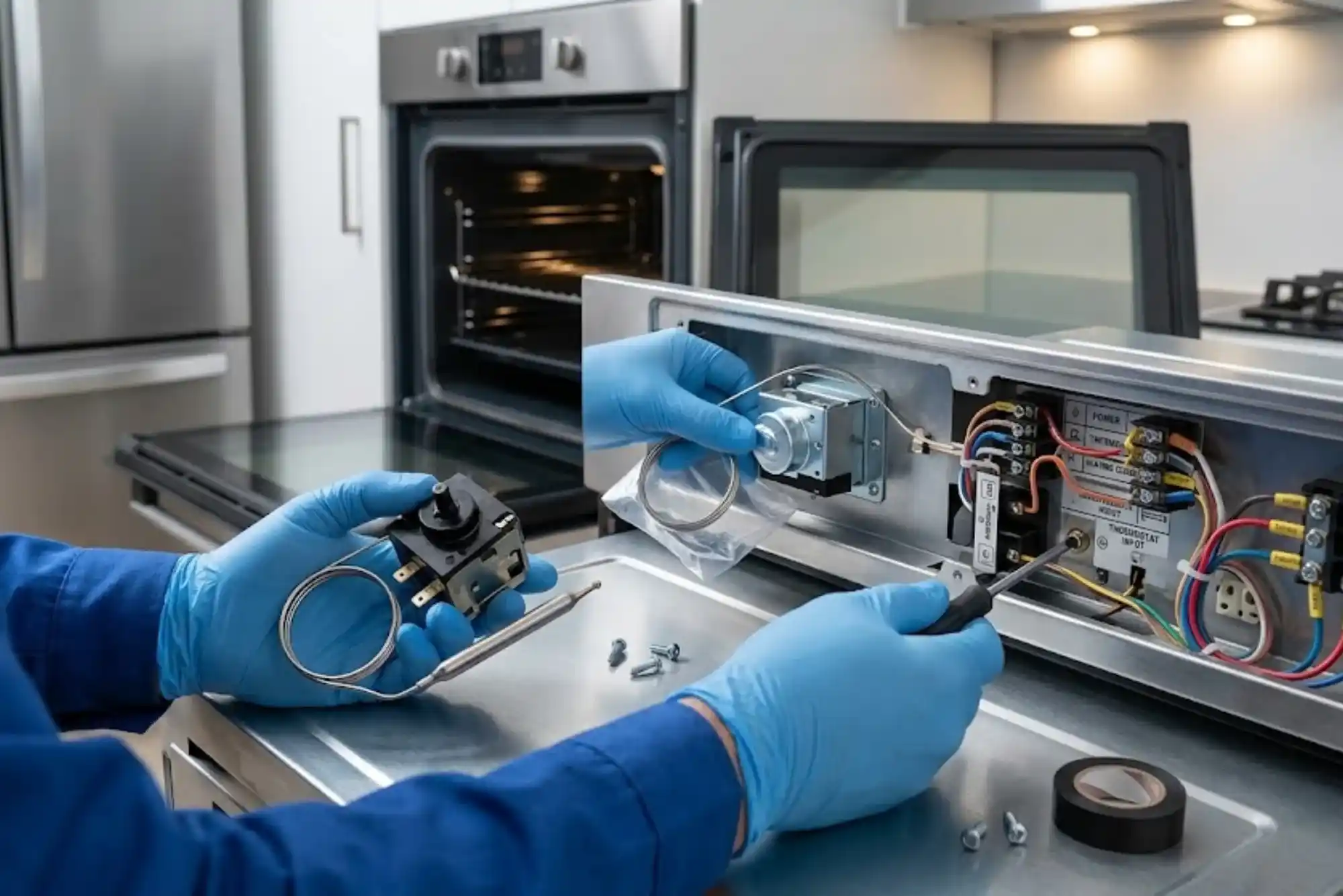
In some cases, cleaning alone may not be enough. If buttons are sticking, knobs fail to turn smoothly, or electronic panels are unresponsive after cleaning, professional service may be required. Attempting to dismantle the panel without training could cause further damage or pose safety risks.
A technician can inspect for deeper issues such as moisture damage, faulty wiring, or worn-out switches. Regular professional maintenance not only restores function but also prolongs the life of your appliance
Cleaning stove control panels requires a balance of thoroughness and care. By understanding the type of panel you own, using gentle solutions, and avoiding harsh tools, you can preserve both the appearance and functionality of this vital part of your kitchen appliance. Regular upkeep prevents stubborn buildup, protects labeling, and ensures your stove remains both safe and visually appealing.
Incorporating simple habits like wiping after use and polishing weekly reduces the time and effort required for deeper cleaning sessions. With the right approach, your stove control panel will continue to look new and function smoothly for years, making cooking both safer and more enjoyable.