Cooking appliances are the heart of every kitchen, whether at home or in a professional restaurant. Among them, gas stoves are widely preferred for their efficiency, precise heat control, and reliability. Yet, with these benefits comes an undeniable responsibility to manage safety. Gas-related accidents such as leaks, explosions, or carbon monoxide poisoning can be catastrophic, and much of the prevention depends on seemingly small but critical components—stove safety valves.
Stove safety valves are often overlooked compared to burners, igniters, or cookware, but they are central to maintaining a safe cooking environment. By regulating the gas flow and preventing leaks, these devices act as silent protectors in kitchens worldwide. Understanding their role is essential not only for appliance manufacturers and engineers but also for everyday users who rely on stoves for daily cooking.
Understanding the Function of Stove Safety Valves
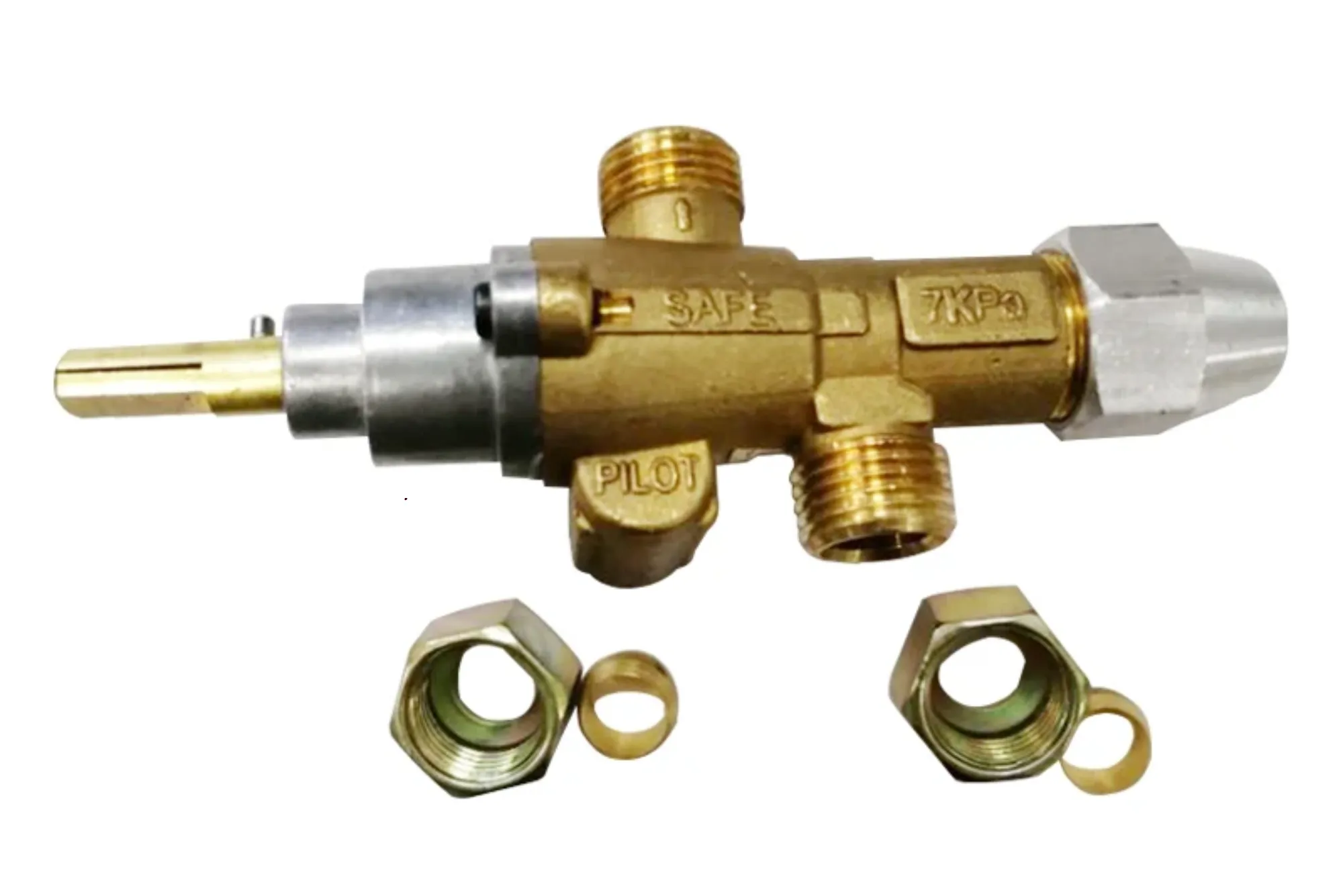
At the most basic level, a stove safety valve is designed to regulate or stop the flow of gas when unsafe conditions are detected. These valves are strategically positioned within the gas supply system of a stove, ensuring that fuel is only delivered when ignition is present. Without them, gas could continue to flow even if the flame goes out due to a spill, a draft, or accidental extinguishing, leading to dangerous accumulations.
The primary function lies in what is known as the flame-failure device. This mechanism senses whether the burner flame is active. If the flame is accidentally extinguished, the valve automatically shuts off the gas flow, eliminating the possibility of unburned gas escaping into the kitchen. This simple yet effective safeguard drastically reduces the risk of explosions or poisoning.
Beyond flame monitoring, modern stove safety valves are integrated with advanced sensors and electronics. Some can detect abnormal pressure levels, overheating, or faulty connections, sending alerts or cutting off the gas supply before a hazardous situation develops. This evolution of safety valves reflects how kitchen technology has adapted to rising safety standards and consumer expectations.
Historical Development of Stove Safety Systems
The history of stove safety valves is tied to the broader development of gas appliances. Early gas stoves in the late nineteenth and early twentieth centuries had limited safety features. Their popularity grew quickly because they offered a more controllable flame compared to coal or wood, but they also introduced serious risks. Gas leaks and carbon monoxide poisoning were common in households that lacked proper ventilation or awareness of the dangers.

The first versions of safety valves were mechanical, relying on simple thermal sensors. When exposed to flame, these sensors would expand or contract, allowing gas to flow. If the flame went out, the sensor cooled and triggered the valve to shut. Although primitive by today’s standards, this innovation marked a turning point in stove safety.
As technology progressed through the mid-twentieth century, regulations and consumer demand pushed manufacturers to design more reliable and responsive safety valves. The inclusion of thermocouples, pressure regulators, and eventually electronic controls transformed the reliability of these systems. Today, stove safety valves are standard in both domestic and commercial appliances, reflecting decades of progress in gas safety.
How Stove Safety Valves Contribute to Household Safety
In residential kitchens, safety is paramount because gas stoves are often used multiple times a day. Families with children, elderly individuals, or busy schedules cannot afford the constant worry of hidden gas leaks or accidental fires. Safety valves mitigate these concerns by ensuring gas is only available when needed.
For example, consider a situation where boiling milk overflows onto a burner and extinguishes the flame. Without a safety valve, gas would continue to escape unnoticed, creating a hazardous buildup. With the valve in place, the system immediately cuts off the supply, preventing escalation.
Moreover, safety valves reduce the risk of carbon monoxide exposure. Incomplete combustion of gas produces this colorless, odorless gas, which can be fatal in enclosed spaces. By regulating the gas supply and ensuring proper ignition, valves indirectly minimize the production of harmful emissions.
The role of safety valves also extends to energy efficiency. By preventing wasteful gas leaks, households not only save money but also reduce environmental impact. A stove fitted with a functional safety valve is not only safer but also more economical and sustainable.
Importance in Commercial and Industrial Kitchens
While household kitchens benefit significantly from stove safety valves, their importance is magnified in commercial and industrial settings. Restaurants, hotels, and catering services operate multiple burners simultaneously, often for long hours under demanding conditions. The margin for error is smaller, and the potential damage from accidents is much greater.
Commercial kitchens also deal with higher gas pressures and larger volumes of fuel. Any leak or uncontrolled flame poses a severe threat not only to staff but also to customers and property. Safety valves, in this context, become more than a precaution; they are essential components of occupational safety and regulatory compliance.
In many countries, building codes and fire safety regulations mandate the use of safety valves in professional kitchens. Inspections often check for their presence and functionality, and non-compliance can lead to penalties or shutdowns. This regulatory enforcement underlines the critical role safety valves play in protecting public spaces where cooking is central to daily operations.
Additionally, commercial-grade safety valves often include advanced features like electronic monitoring systems. These systems can integrate with building management software, allowing supervisors to detect irregularities in real time and take corrective actions swiftly. This integration showcases how stove safety valves have evolved beyond simple mechanical parts into smart safety systems.
Technological Advances in Stove Safety Valves
Modern stove safety valves are the result of continuous technological innovation. While the principle of cutting gas flow remains unchanged, the methods of detection and response have advanced significantly.
Thermocouples, once the primary sensing devices, are now often paired with microcontrollers and digital sensors. These systems not only react faster but also provide diagnostic information. For instance, an advanced safety valve can send signals to the user’s smartphone or kitchen dashboard if abnormal gas flow is detected.
Another innovation is the use of solenoid valves. These electrically controlled devices allow for precise regulation of gas flow and can be linked with automatic shutoff systems triggered by smoke detectors or carbon monoxide alarms. The integration of stove safety valves with home automation platforms further enhances control, enabling remote shutdown in case of emergencies.
Sustainability has also influenced the design of safety valves. Manufacturers are developing valves that operate efficiently with alternative fuels such as biogas or hydrogen, ensuring safety remains uncompromised in the transition to greener energy sources. These forward-looking designs demonstrate how stove safety valves are adapting to the global push for cleaner technologies.
Challenges and Maintenance Considerations
Despite their importance, stove safety valves are not immune to wear and tear. Dirt, grease, and prolonged use can impair their sensitivity or block their mechanisms. Regular maintenance is essential to ensure they function correctly.
One challenge lies in consumer awareness. Many users are unaware of the presence or purpose of safety valves in their stoves. As a result, they may neglect regular inspections or fail to notice signs of malfunction. Educating users about the importance of these devices is crucial to maintaining their protective role.
For commercial kitchens, maintenance protocols are often stricter. Regular inspections by certified technicians are necessary to comply with safety regulations. Replacing faulty valves promptly is non-negotiable, as even minor delays can have serious consequences.
Another challenge comes from counterfeit or low-quality valves entering the market. These products may not meet safety standards and could fail in critical moments. Ensuring that stoves are fitted with certified, high-quality safety valves is an essential step toward effective hazard prevention.
The Future of Stove Safety Systems
Looking ahead, the role of stove safety valves will likely expand as kitchens become smarter and more interconnected. The rise of the Internet of Things (IoT) means safety valves may become integral nodes in a larger safety ecosystem. Instead of operating independently, they could communicate with fire alarms, ventilation systems, and even emergency services.
Artificial intelligence could further enhance the predictive capabilities of safety valves. By analyzing patterns of use and detecting subtle irregularities, AI-driven systems could preemptively alert users to potential issues before they escalate into hazards. This proactive approach represents the next frontier in kitchen safety.
Sustainability will also shape the evolution of safety valves. As households and industries transition to renewable gases, safety mechanisms must adapt to new combustion characteristics. Manufacturers will need to design valves that are versatile, durable, and compatible with emerging fuel technologies.
Ultimately, the future points toward a convergence of safety, efficiency, and sustainability. Stove safety valves, though small in size, will continue to play a monumental role in shaping how kitchens of tomorrow function safely and responsibly.
The role of stove safety valves cannot be overstated. These unassuming devices stand at the frontline of kitchen safety, preventing leaks, reducing risks of fire, and safeguarding lives. Their importance stretches from household kitchens to bustling commercial establishments, where they not only ensure compliance but also protect workers and property.
From their humble beginnings as simple mechanical devices to their current integration with smart technologies, stove safety valves embody the progress of engineering dedicated to human well-being. As society embraces cleaner fuels and smarter appliances, their role will only grow in significance.
For homeowners, recognizing the value of stove safety valves means prioritizing maintenance and understanding their protective function. For manufacturers and regulators, it means pushing for continuous innovation and enforcing standards that safeguard users.
In the end, the stove safety valve represents more than a technical component—it symbolizes a commitment to safety, responsibility, and the seamless coexistence of technology and everyday life.