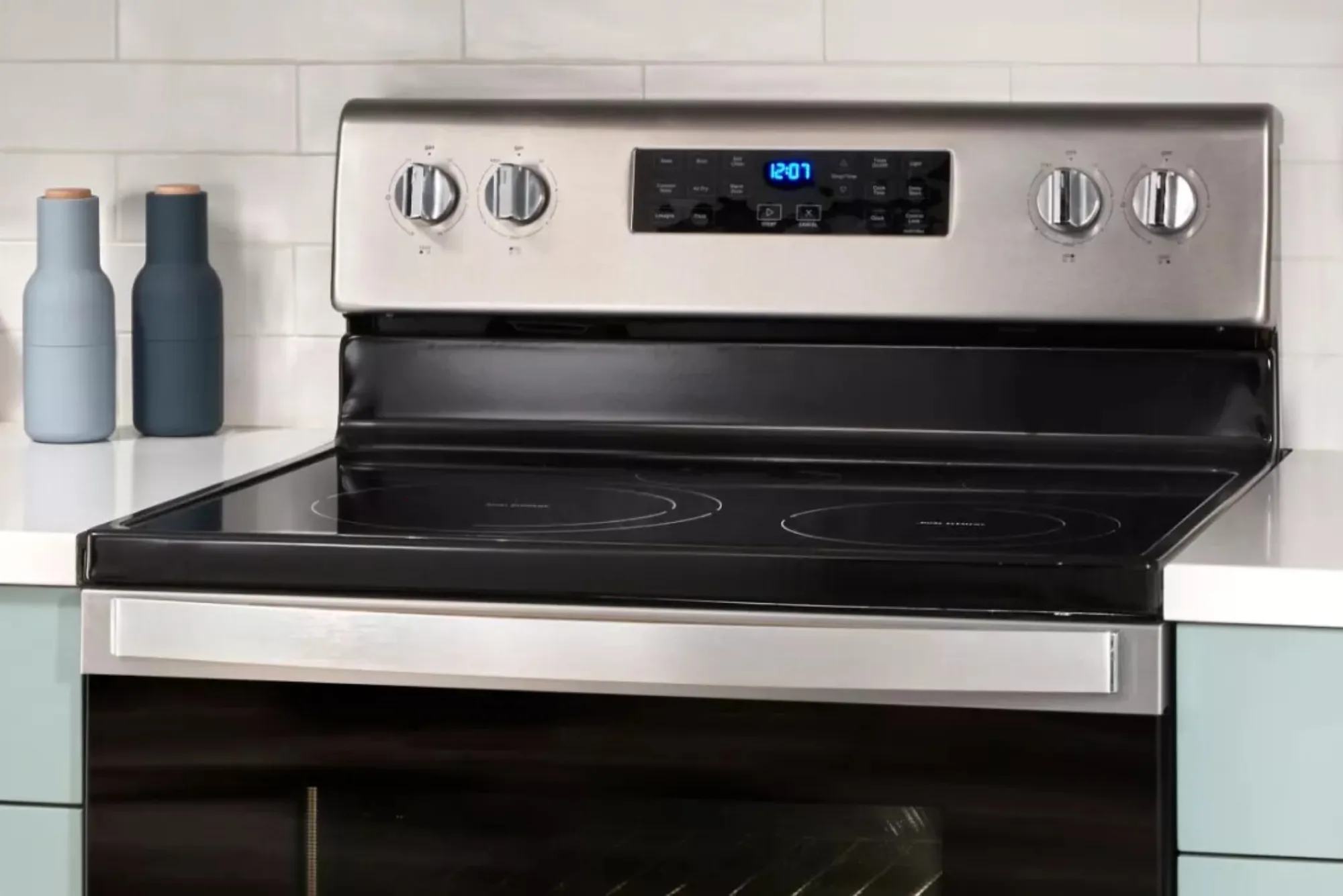
The stove is the heart of the kitchen, a place where family meals, experiments, and traditions come to life. Over time, stoves have evolved from simple mechanical devices into advanced machines with electronic controls. Among the most noticeable additions is the digital display. This glowing panel is the primary way users interact with the appliance, offering precise oven temperatures, timers, error codes, and cooking modes.
But a frequent complaint from homeowners is that the electronic display starts to fade after years of use. What once shone brightly becomes dim and hard to read. This isn’t just an inconvenience—it can make cooking less safe and far more frustrating. To understand why this happens, we need to look closely at the technology of displays, the stresses of the kitchen environment, and the choices manufacturers make when building modern stoves.
Why the Display Matters
The digital display is more than a decorative screen. It is the command center of the stove. Without it, it becomes difficult to set the oven temperature, track cooking time, or even see whether an error code indicates a fault. For those who rely on precision, such as bakers or busy families, a dim or fading display makes cooking harder and more error-prone.
A clear display is not just about convenience—it is about safety and proper function. If the oven overheats or malfunctions, the error message usually appears on this display. A faded screen can prevent the user from noticing warnings in time.
The Technology Behind Stove Displays
Different display types are used in modern stoves:
Vacuum fluorescent displays (VFDs) were common for decades and offered bright, high-contrast illumination. However, they wear down as the cathodes degrade and gases leak inside the tubes, eventually leading to a dim glow. Light-emitting diodes (LEDs) are now common because they are more efficient and longer lasting. Even so, LEDs can lose brightness if circuits weaken or if heat stresses the diodes. Liquid crystal displays (LCDs) appear mostly in premium or touchscreen models, and they rely on backlights that can fail or fade over time.

Despite differences, all of these technologies are vulnerable to the same environmental factors: heat, moisture, and electrical strain.
Heat: The Constant Enemy
Stoves are built to generate intense heat, and unfortunately, the display sits right above the oven cavity where rising heat concentrates. Insulation helps, but over time the repeated expansion and contraction from cooking cycles weakens delicate solder joints and accelerates aging.
For VFDs, heat speeds up gas leakage and cathode wear. For LED displays, it reduces diode life and causes uneven brightness. For LCDs, excessive heat shortens the lifespan of the backlight. Even the control board itself is affected, as capacitors dry out faster in warm conditions.
This constant exposure makes heat one of the most common reasons for a fading stove display.
Electrical and Circuit Board Issues
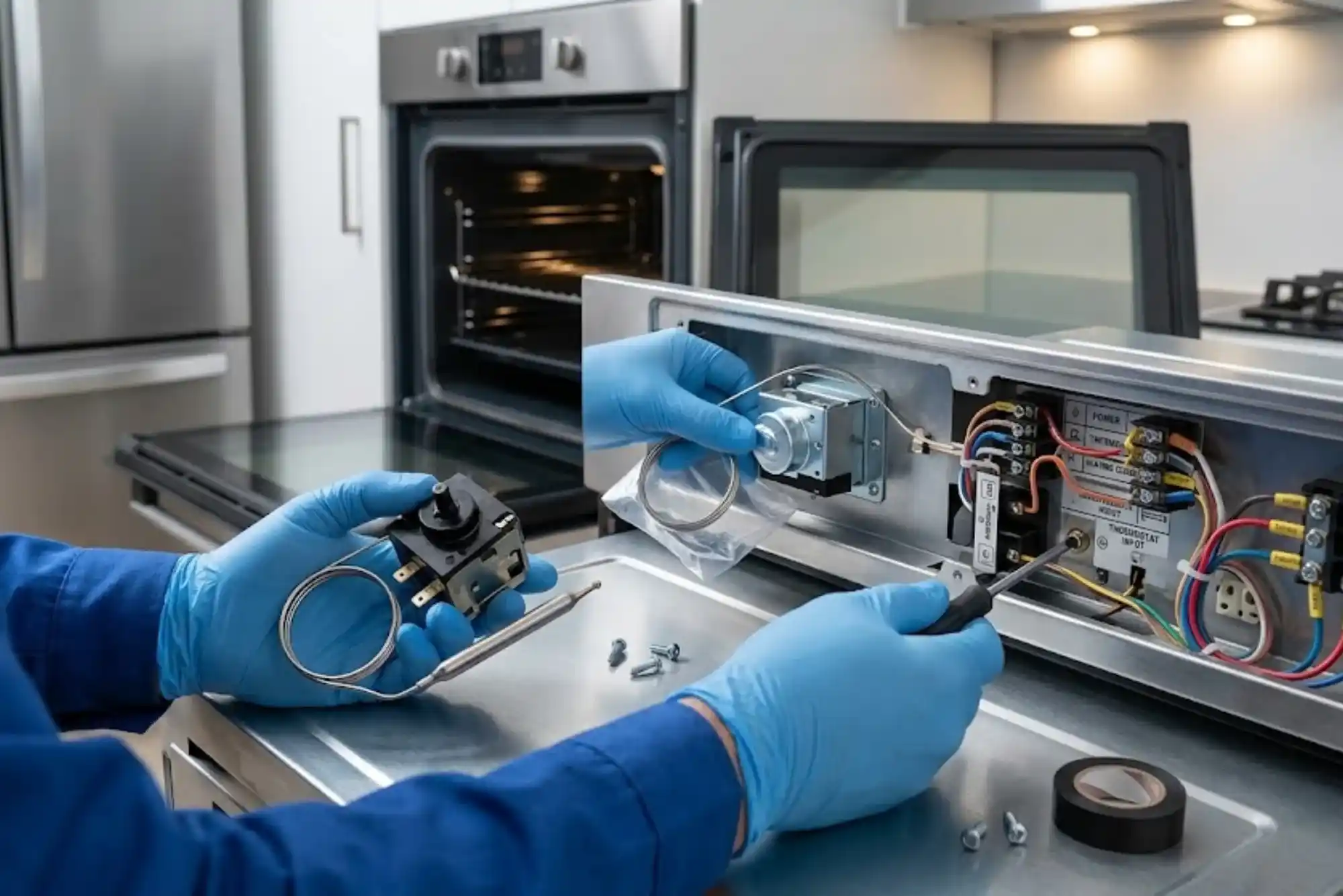
The display is powered by the electronic range control (ERC), a circuit board that manages power and communication with the appliance’s sensors and heating elements. When components on this board fail—such as capacitors drying out or resistors weakening—the voltage to the display drops.
The result is a dim screen or flickering digits. In many cases, a fading display is the first visible symptom of deeper electronic problems. If ignored, these issues can eventually cause the entire stove to stop functioning correctly.
Moisture and Kitchen Conditions
Cooking produces more than just heat; it produces steam and humidity. Over time, moisture can seep into control panels, leading to corrosion of tiny electronic connectors. A poorly ventilated kitchen speeds up this process, which is why some households experience fading displays earlier than others.
Even condensation that forms when a hot oven is turned off in a cool kitchen can settle on electronic parts. Though not immediately damaging, repeated cycles of moisture exposure wear down circuitry over years of use.
The Impact of Manufacturing Choices
The durability of a stove’s display also depends on how the manufacturer designed and built the appliance. Cost-cutting often leads to the use of mid-grade electronic components that wear out faster under stress. Capacitors of lower quality, thinner solder joints, and minimal insulation all reduce longevity.
High-end stoves may last longer, but even they are not immune. As manufacturers chase sleek, modern designs with slim profiles, electronics are often placed closer to heat sources than in older models. This makes displays more vulnerable despite their higher initial quality.
Warning Signs to Watch For
Before the display fails completely, users often notice subtle changes:
- The display is dimmer immediately after oven use.
- Certain digits or sections appear darker than others.
- The screen flickers before stabilizing.
- Bright kitchen lighting makes the display almost unreadable.
These early signs are signals that components are weakening. Addressing the issue at this stage can sometimes prevent a total failure.
Repair or Replace?
When a stove display fades, there are generally two solutions: repair or replacement. Repair usually involves replacing the control board, which ranges in cost from $150 to $400 depending on the brand. In some cases, skilled technicians can replace only failing capacitors, lowering costs, but this is less common and requires expertise.
For older stoves, homeowners may decide that a full appliance replacement is more cost-effective, especially if other parts are showing wear. However, for relatively new or otherwise functional stoves, repairing the display can restore full usability for many more years.
How to Extend the Life of Your Stove’s Display
While no display lasts forever, some simple practices can help:
- Limit the use of the oven’s self-cleaning cycle, which subjects electronics to extreme heat.
- Ensure the kitchen is well ventilated to reduce moisture buildup.
- Use surge protectors to protect against power spikes.
- Clean the control panel gently with a damp cloth instead of spraying harsh cleaners directly onto it.
These steps reduce unnecessary stress on sensitive electronic components and slow the fading process.
Looking at the Bigger Picture
The fading display problem is part of a larger story about modern appliances. Older stoves lasted decades with few issues because they were primarily mechanical. Modern models add convenience and precision but rely on electronics that are less durable in harsh environments.
This doesn’t mean newer appliances are worse—they offer features older models never could. But it does mean that consumers must accept some level of maintenance and repair as part of appliance ownership today.
The Future of Stove Displays
Manufacturers are working on solutions to these durability issues. Advances in LED and OLED technology may provide longer-lasting brightness, while better insulation and modular board designs aim to make repairs easier. Some stoves are moving toward smartphone integration, where users view settings and alerts on their phones instead of relying solely on the appliance’s panel.
Such changes may reduce the problem of fading displays in the future, but for now, awareness and proactive care remain essential for extending the life of current models.
A fading stove display may seem like a minor annoyance, but it highlights the delicate balance between technology and durability in today’s kitchen appliances. Heat, moisture, electrical wear, and manufacturing choices all contribute to the problem.
The good news is that fading displays can often be repaired, and with good care, they can be delayed. For homeowners, understanding the causes helps in making smart decisions about maintenance, repair, or replacement.
As stoves continue to evolve, the hope is that future designs will provide the same clarity and precision for many years without fading—ensuring that the glow of technology in the kitchen remains as strong as the meals it helps create.