A washing machine is one of the most essential appliances in modern homes, ensuring that laundry tasks are quick, efficient, and consistent. At the heart of its water management system lies the water inlet valve. This small but critical component controls how hot and cold water enters the machine, regulating the precise flow needed for different wash cycles. When it malfunctions, the results can range from slow filling to no water intake at all, making the entire washing process ineffective. Understanding how to test a washing machine water inlet valve is therefore not only a technical skill but also a necessary step for anyone who wants to keep their machine in optimal condition and avoid costly repairs.
Understanding the Role of the Inlet Valve
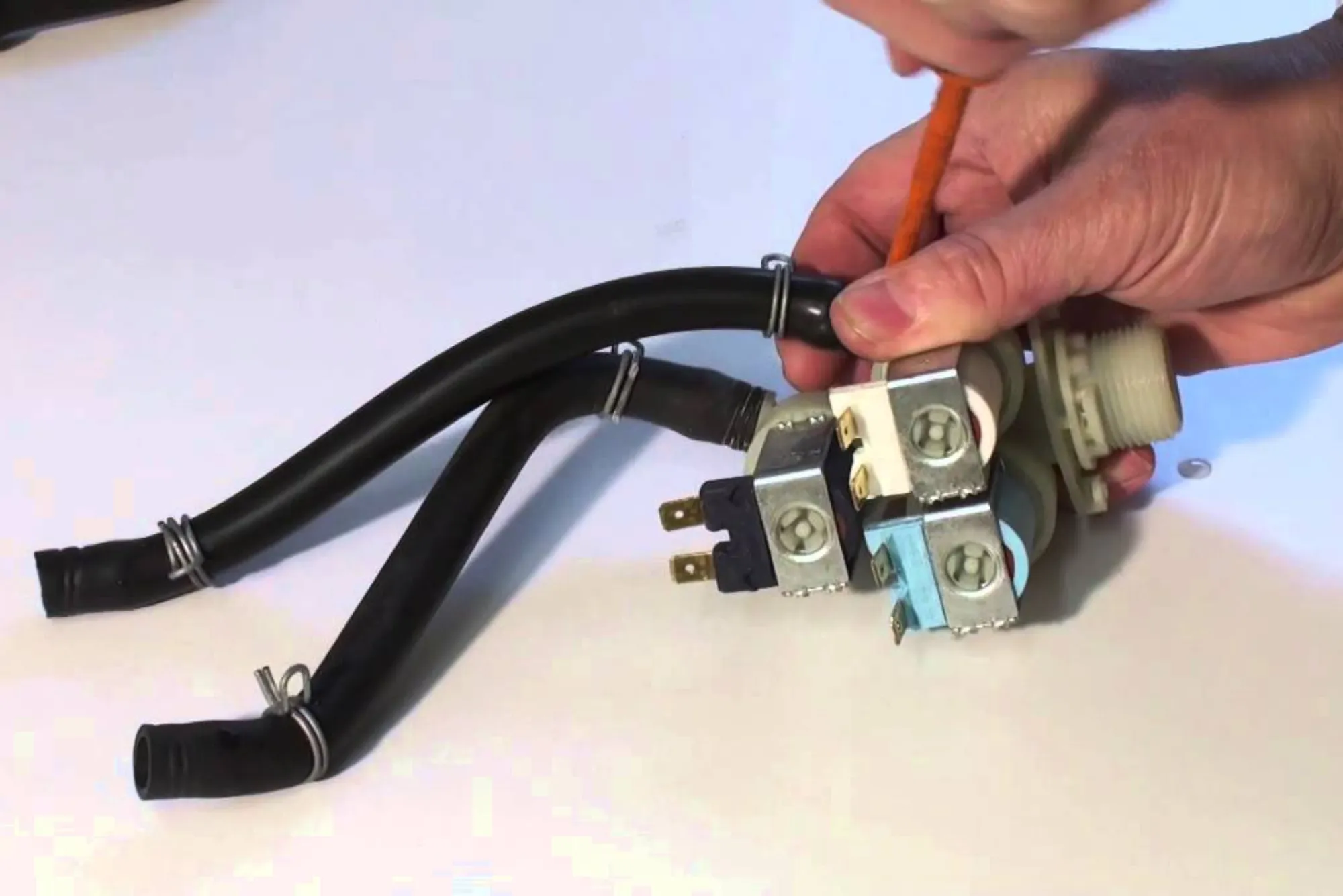
The water inlet valve is typically located at the back of the washing machine, usually where the water hoses connect. Its purpose is straightforward but vital: to allow water into the drum at the right pressure and in the right proportion of hot and cold, depending on the chosen wash cycle. Controlled by electronic signals from the machine’s timer or control board, the valve opens and closes in precise intervals. Without its proper function, the machine cannot fill adequately, and common washing cycles will either fail or be severely compromised.
When a washing machine begins to show signs of faulty water intake, the inlet valve becomes a prime suspect. But because symptoms such as low water flow can also result from other issues like blocked hoses, kinked lines, or even poor household water pressure, testing the valve directly becomes essential for accurate diagnosis.
Signs That Suggest Valve Problems
Before diving into the testing procedure, it is useful to recognize the indications that point toward a defective inlet valve. One of the most obvious symptoms is a washing machine that does not fill with water even though the cycle has started. Another sign is when the machine fills too slowly, regardless of whether the hoses are fully open. In some cases, the valve can fail in a way that causes continuous water flow into the drum, even when the machine is turned off, which can result in flooding. Noises such as humming or buzzing during the fill cycle may also suggest that the solenoids inside the valve are struggling.
These warning signs provide strong clues but cannot be taken as absolute proof. Since water systems are interconnected, a clear test is the only way to confirm that the valve itself is the problem.
Preparing to Test the Inlet Valve
Testing a washing machine water inlet valve requires some basic preparation. First, it is essential to prioritize safety. Washing machines are connected to both water and electricity, and careless handling can lead to accidents. The first step before any inspection is to unplug the machine from the power supply. Once electrical safety is ensured, the water supply valves that feed the washing machine must be shut off to avoid leaks.
The washing machine should then be pulled away from the wall carefully, providing enough space to access the rear panel. Most machines have a back cover or an access panel that shields the internal components. With the right screwdriver, this panel can be removed, exposing the inlet valve and its connecting hoses.
Visual Inspection of the Valve
The initial stage of testing involves a simple visual examination. By inspecting the inlet valve and the hoses connected to it, one can sometimes spot obvious problems such as cracks, corrosion, or blockages. The small screens inside the valve ports, which act as filters to catch debris from household water supply lines, should be checked as well. Over time, mineral deposits, dirt, and rust particles can clog these screens, preventing proper water flow.
If the screens are dirty, cleaning them carefully with a soft brush or cloth can restore functionality. However, if the valve body itself shows signs of damage or corrosion, a replacement is often necessary, since these parts are not designed for repair.
Using a Multimeter to Test Solenoids
For a more precise test, a multimeter is the essential tool. The water inlet valve operates through solenoids—small electromagnetic coils that open and close the internal gates when energized. To test these solenoids, the electrical connectors leading to the valve must first be detached. This is usually a simple process, as most connectors slide off the metal terminals with gentle pressure.
With the multimeter set to the resistance or ohms setting, the probes are placed on the terminals of each solenoid coil. A properly functioning solenoid will show a specific resistance value, usually within a range set by the manufacturer. If the reading is infinite or zero, it indicates that the coil is faulty—either completely open or shorted.
This simple resistance test is one of the most reliable ways to confirm whether the valve is working electrically. If both solenoids pass the test, the valve may still be defective mechanically, in which case further evaluation is required.
Testing Water Flow Mechanically
Once electrical integrity has been confirmed, the valve can also be checked for its ability to allow water flow. With the machine unplugged and water supply still off, the hoses leading to the valve can be detached. By briefly turning on the water supply with the hoses removed, one can verify that water pressure from the house supply is strong enough. Then, reconnecting the hoses and running a diagnostic fill cycle while observing the valve in action provides insight into whether it opens properly.
If the control board sends a signal, but water fails to flow despite the solenoid testing fine, the valve’s internal gate may be jammed with mineral deposits or debris. In such cases, replacement is again the most effective solution.
Differentiating Between Valve Issues and Other Problems
It is worth noting that not all water intake issues are caused by faulty inlet valves. Kinked hoses, blocked household water lines, or even a malfunctioning control board can mimic the same symptoms. Therefore, when testing, it is important to rule out these alternative causes. If both water supply and hoses are clear and the solenoids register normal resistance but water still fails to flow, the issue may lie upstream in the electronics rather than in the valve itself.
Professional technicians often run control diagnostics through the washing machine’s built-in service mode, which can simulate fill cycles and confirm whether the control board is sending the correct signals. While such testing may be beyond the scope of most homeowners, understanding this distinction helps in making informed repair decisions.
Why Replacement Is Often Preferred Over Repair
Although in theory one could attempt to clean or repair a malfunctioning water inlet valve, in practice replacement is usually the better choice. These valves are relatively inexpensive components, and their design does not lend itself to easy disassembly or repair. A new valve offers reliability and peace of mind, ensuring that the washing machine will operate as intended. Attempting to patch up a failing valve may only lead to repeated breakdowns, leaks, or incomplete washes.
When replacing the valve, it is important to purchase one that matches the exact make and model of the washing machine. Universal valves may not always fit properly or function with the correct pressure balance, leading to further complications. Manufacturers and authorized parts suppliers can provide the correct replacements that guarantee compatibility.
Maintaining the Water Inlet Valve for Longevity
Even after replacement, it is beneficial to adopt practices that extend the lifespan of the water inlet valve. Periodic inspection of hoses and screens can prevent blockages. Installing external filters or water softeners in areas with hard water can reduce the accumulation of mineral deposits. Ensuring that household water pressure remains within the recommended range—neither too low nor excessively high—also helps protect the valve from undue strain.
By paying attention to these preventive measures, homeowners can significantly reduce the chances of valve-related failures and keep their washing machines performing efficiently for years.
The Value of Professional Assistance
For individuals who are unfamiliar with electrical testing or hesitant about handling appliance repairs, professional assistance remains a wise option. Certified technicians bring both experience and specialized diagnostic tools that allow for quick and accurate identification of the problem. In many cases, their service also includes warranties on both labor and parts, providing added security against future breakdowns.
Nevertheless, learning the basics of how to test a washing machine water inlet valve empowers users with knowledge. It enables them to communicate more effectively with service providers, avoid unnecessary expenses, and even undertake minor repairs with confidence.
The water inlet valve may be a small part of a washing machine, but its importance cannot be overstated. Without proper water flow, the most advanced appliance cannot function. Knowing how to test this component—through visual inspection, multimeter resistance checks, and flow observation—equips homeowners and technicians alike with the ability to diagnose issues accurately.