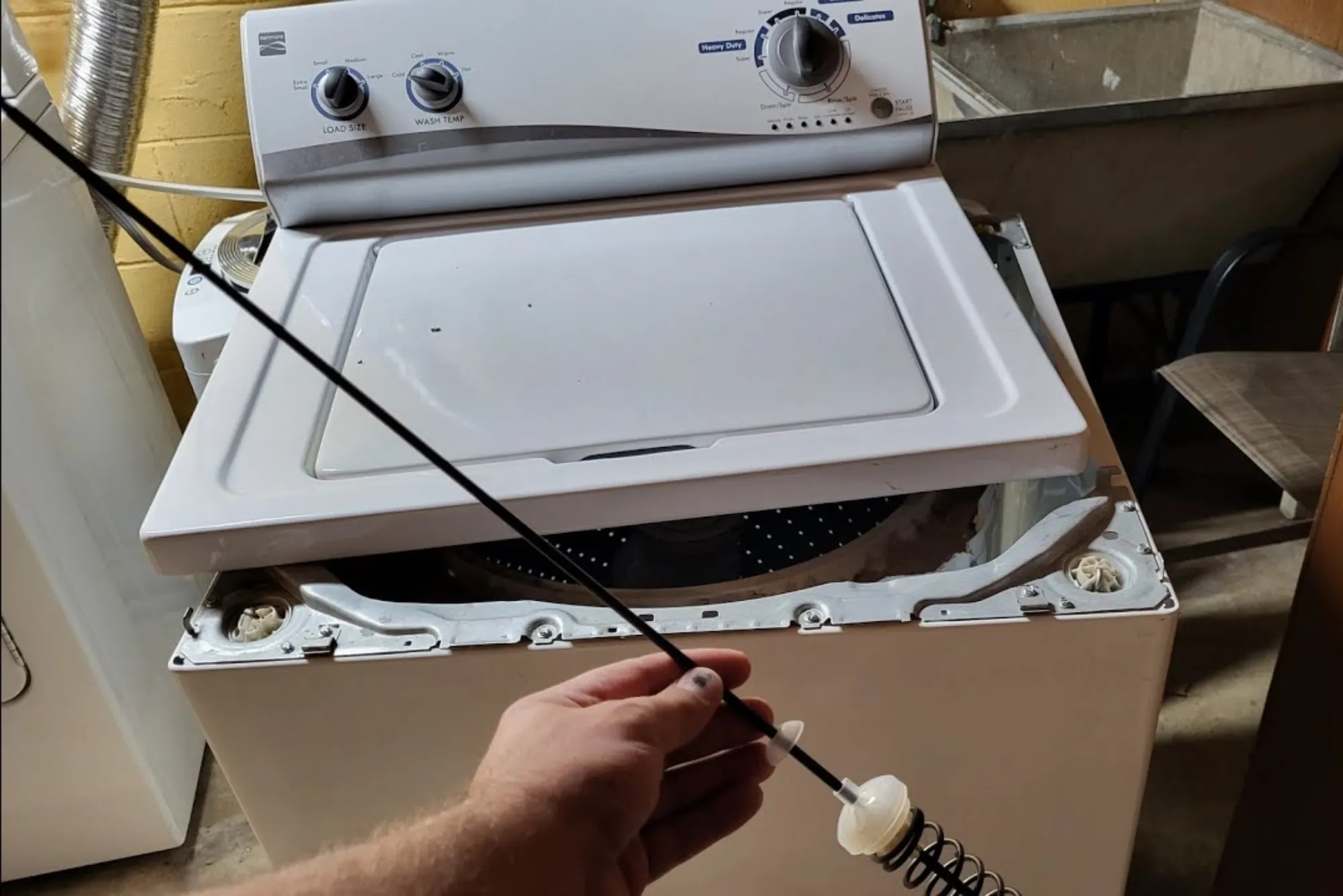
Suspension rods are among the most vital components of a top-loading washing machine. Their main function is to absorb the vibration and movement of the drum during the wash and spin cycles. Over time, these rods wear out due to constant use, moisture, and load imbalance. When they fail, you might notice excessive shaking, banging, or the machine walking across the floor during operation. Replacing them not only restores stability but also extends the life of the appliance.
Before diving into the replacement process, it’s essential to understand how suspension rods work. These rods connect the tub of the washing machine to the frame, allowing it to move freely yet remain controlled. Springs and dampers inside the rods minimize oscillation, especially during high-speed spinning. When these parts wear out, the machine loses its balance, leading to noise, poor washing performance, and potential damage to other components.
Signs That Your Suspension Rods Need Replacement
When suspension rods fail, the symptoms are often clear. The machine may shake violently, make loud knocking sounds, or fail to complete a spin cycle due to imbalance. In some cases, the washer might display an error code related to unbalanced loads. Another common sign is when the inner tub seems to hang too low or lean to one side. If you press down on the tub and it bounces excessively or does not spring back evenly, the suspension system likely needs attention.
Ignoring these signs can cause further issues, including damage to the tub bearings, drive system, and even the control board due to stress overloads. Timely replacement ensures optimal performance and prevents costly future repairs.
Preparing for the Replacement Process
Replacing suspension rods is a moderately complex repair, but with patience and the right tools, it can be done at home. Before starting, ensure that your washing machine is unplugged from the power source to prevent any risk of electric shock. Also, shut off the water supply and disconnect the inlet hoses.
Clear enough workspace around the washer to tilt or move it if necessary. You’ll need basic tools like a Phillips screwdriver, pliers, gloves, and a flashlight. Having a towel or shallow tray nearby is helpful to catch any water drips. If your washing machine model has a service manual, keep it handy for reference to the exact rod type and placement instructions.

It’s always a good idea to order a genuine replacement suspension rod kit that matches your specific model. Using the manufacturer’s parts ensures compatibility, durability, and proper performance.
Accessing the Suspension Rods
To access the suspension rods, you’ll usually need to remove the top panel of the washing machine. Depending on the model, this might involve releasing clips under the lid or removing screws at the back. Once the top panel is off, you’ll see the rods connecting from the tub to the frame corners.
Be cautious when lifting or tilting the washer drum, as it may still be heavy. Supporting it with a piece of wood or having an extra pair of hands helps prevent accidental damage. Take note of how each suspension rod is attached—some use a locking tab system, while others have hooks or spring caps. Photographing the setup before disassembly can help during reinstallation.
Removing the Old Suspension Rods
Each suspension rod is typically held in place at both ends: one attached to the tub and the other to the machine frame. To remove them, start by lifting the tub slightly to release tension. Then, carefully unhook or twist out the rod from its mount. The bottom ends might require gentle twisting or pulling to release from the plastic or metal bracket.
When removing the old rods, pay attention to any debris, corrosion, or wear marks. These indicators can help identify if other components, like the suspension springs or dampers, are also compromised. Dispose of the old rods safely, as their internal springs can still have some tension.
It’s also wise to clean the surrounding area—dirt and soap residue can interfere with the performance of new parts. Wipe down the rod sockets and frame mounts using a mild detergent or vinegar solution to ensure a clean fit.
Installing the New Suspension Rods
Installing new suspension rods follows the reverse order of removal but requires precision. Start by attaching the lower ends of the rods to the tub assembly. Make sure they fit securely into the designated sockets or clips. Next, connect the upper ends to the frame, ensuring that each rod aligns vertically and has full range of movement.
Once all rods are in place, gently press down on the drum to verify balance. The tub should move smoothly and return to center without excessive bouncing. If the movement feels uneven, double-check each rod’s seating and alignment. Some models may require the use of grease or a special washer lubricant at the contact points to reduce friction.
After confirming stability, reinstall the top panel of the washing machine. Secure all screws or clips, ensuring a tight fit to prevent vibration noises later. Reconnect the water hoses and plug the machine back into power.
Testing the Washing Machine
Before resuming normal use, run a short test cycle with no laundry. This helps confirm that the installation was successful and the suspension rods are functioning correctly. Observe the tub’s motion during the wash and spin phases. It should rotate smoothly, with minimal noise or vibration.
If you notice any imbalance, stop the machine and recheck the rods’ alignment and attachments. Sometimes, a minor adjustment can resolve residual shaking. Once everything runs quietly and evenly, you can proceed to regular washing loads.
Testing also allows you to ensure that no water leaks occurred while reattaching hoses. Inspect the back and bottom areas of the washer for any signs of dripping. Confirm that the lid closes properly and the control panel operates as expected.
Common Mistakes to Avoid During Replacement
One common mistake homeowners make is replacing only one suspension rod instead of the entire set. Since all rods wear out at a similar rate, replacing them as a complete set ensures uniform balance and performance. Another error is failing to secure the top mounts properly, which can cause the rods to pop out during operation.
Some DIY enthusiasts also overlook the importance of model compatibility. Even slight variations in rod length or spring tension can disrupt the washer’s balance system. Always verify the part number with the manufacturer before purchase.
Additionally, avoid overloading the machine after replacement. Running a few smaller loads first allows the new suspension system to settle and adapt to the drum’s weight.
Maintenance Tips for Prolonging Suspension Rod Life
After replacing the suspension rods, regular maintenance will help keep your washing machine running smoothly. Always distribute laundry evenly in the drum to avoid imbalance during the spin cycle. Clean the washer monthly to prevent soap buildup, which can interfere with the suspension’s movement.
Check for leaks or moisture under the machine, as water can accelerate corrosion. Keeping the area around your washer dry and ventilated helps extend component life. Periodically inspect the suspension system by pressing down on the tub; a firm, steady resistance indicates that the rods are still in good shape.
Using vibration pads under the washer feet can also reduce wear and improve stability, especially on tile or wooden floors.
When to Call a Professional
While replacing suspension rods is manageable for many DIYers, some situations call for professional help. If your washer is built-in, front-loading, or has additional balance rings and counterweights, accessing the suspension system can be complex. A certified technician can perform the job safely and ensure all components are calibrated correctly.
You should also seek professional service if you notice persistent vibration even after replacement, as it could indicate deeper issues such as a damaged tub bearing, broken springs, or a faulty shock absorber system.
Having a technician inspect your washer annually is a worthwhile investment for preventing costly breakdowns.
Restoring Balance and Efficiency
Replacing washing machine suspension rods is an effective way to eliminate excessive vibration, restore stability, and enhance the appliance’s performance. With proper tools, preparation, and attention to detail, homeowners can perform this repair confidently. Understanding the function and importance of these components ensures a smoother laundry experience and a longer-lasting machine.
Maintaining balance is key not just for the washer’s mechanics but for household peace of mind—no more noisy cycles or walking appliances. Whether you choose to handle it yourself or hire a professional, timely replacement of suspension rods keeps your washing machine efficient, quiet, and reliable for years to come.