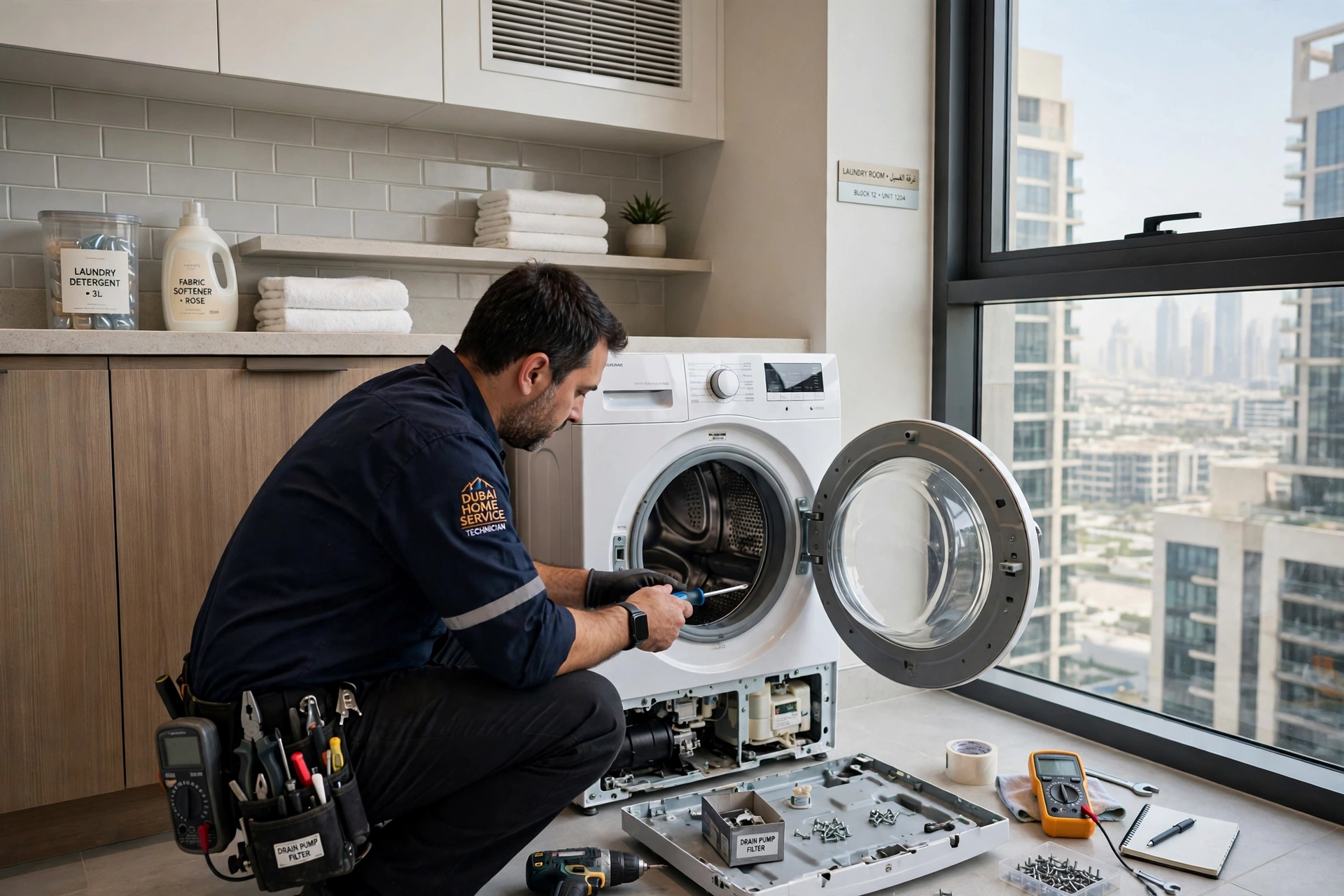
A washing machine is one of the most important appliances in any home, taking the hassle out of doing laundry and saving both time and effort. However, while most homeowners focus on choosing the right brand or detergent, one crucial detail is often overlooked—proper washing machine leveling. Ensuring that your washing machine is level may seem like a minor concern, but it plays a vital role in the machine’s performance, energy efficiency, and overall durability. When a washing machine is not level, it can lead to excessive vibration, noise, internal damage, and even costly repairs. Understanding the importance of proper leveling can help you maintain your appliance for years of smooth operation.
Why Washing Machine Leveling Matters
Leveling a washing machine is not just about keeping it steady; it is about maintaining balance. When the appliance sits unevenly on the floor, the rotation of the drum during spin cycles becomes imbalanced. This imbalance causes the machine to shake violently, move across the floor, or make loud banging sounds. Over time, these issues can damage internal components, loosen connections, and reduce the washing machine’s lifespan.
A level washing machine ensures that the drum spins evenly, reducing unnecessary stress on bearings, shock absorbers, and suspension springs. It also helps distribute loads evenly during cycles, resulting in better washing performance and quieter operation. The importance of this small but critical adjustment becomes clear when you notice the difference between a stable, quiet machine and one that rattles every time it runs.
The Consequences of an Unleveled Washing Machine
When a washing machine repair is not properly leveled, the effects go beyond simple noise or inconvenience. The constant imbalance can create a series of mechanical and operational issues that worsen over time.
First, the internal drum components experience increased wear and tear. Each time the machine vibrates or shakes excessively, it puts extra strain on the suspension system designed to stabilize the drum. This can lead to misalignment or even permanent damage to the internal parts.
Secondly, an unleveled washer often results in poor washing results. Clothes may not be cleaned evenly, and detergent may not rinse out properly. This happens because an uneven drum cannot rotate consistently, affecting water distribution and detergent efficiency.

Energy consumption also becomes a concern. When a machine struggles to maintain balance during spin cycles, it often extends its cycle duration automatically in an attempt to stabilize. This leads to higher electricity usage and increased water consumption. Over time, this inefficiency can contribute to higher utility bills and unnecessary environmental impact.
Additionally, the continuous vibration can affect the surrounding area. The machine may move slightly during operation, scraping floors or damaging walls. It can also create a disruptive noise that disturbs the peace of your home, especially if the laundry area is near living spaces or bedrooms.
Extending Appliance Lifespan Through Proper Leveling
Proper washing machine leveling is not just a one-time adjustment; it’s an essential maintenance step that protects your investment. When a machine is balanced, the internal components operate as intended, minimizing friction and pressure on moving parts. Bearings last longer, belts remain aligned, and the suspension system maintains stability.
In contrast, a constantly vibrating machine can loosen screws, bolts, and hoses. Over time, this could lead to leaks, electrical issues, or complete system failure. Simply ensuring your washing machine sits evenly on the floor can add years to its life. It also reduces the need for costly repairs that often stem from neglecting such minor details.
For homeowners who have recently installed a new washing machine, leveling should be the first step before starting the first wash cycle. Most manufacturers recommend using a spirit level and adjusting the legs accordingly until the machine is perfectly balanced. Regular checks every few months can help ensure it remains stable, especially if your home’s flooring shifts slightly over time due to humidity or foundation movement.
Improved Efficiency and Performance
When your washing machine is correctly leveled, it performs each cycle more efficiently. The balanced position allows the drum to rotate freely and smoothly, enabling optimal spin speeds. This leads to better water extraction during the spin cycle, which means clothes come out drier and require less drying time.
Additionally, the motor and suspension system work in harmony when the washer is stable. This prevents unnecessary strain and reduces wear on vital components. Over time, you will notice that a level machine requires fewer repairs, runs more quietly, and operates at peak performance.
For front-loading washing machines, leveling is even more critical. These machines rely heavily on balance to spin at high speeds effectively. A slightly tilted front loader can lead to premature bearing failure, which is one of the most expensive issues to repair.
By taking the time to ensure your washing machine sits evenly on the floor, you are improving not only its performance but also your overall laundry experience. A stable washer is quieter, more efficient, and less likely to cause disruption during operation.
Protecting Floors and Home Environment
One of the lesser-known effects of an unleveled washing machine is the damage it can cause to your floors and surroundings. When a washing machine shakes excessively, it may move slightly with each cycle. This movement can scratch or damage flooring materials such as tile, laminate, or vinyl. Over time, these small movements can create visible marks or cracks on the floor.
In some cases, vibrations can transfer to the walls, causing plaster damage or even loosening tiles in nearby bathrooms or kitchens. Proper leveling ensures that the machine remains stationary and stable, protecting not only the appliance but also your home’s structural integrity.
Noise reduction is another benefit. A level washer produces less vibration noise, which is especially important in apartments or homes with laundry areas near bedrooms. Keeping the appliance stable helps maintain a quiet and peaceful environment, even during high-speed spin cycles.
Enhancing Safety and Preventing Accidents
Safety is another important reason to ensure proper washing machine leveling. An unstable machine can move during operation, creating a safety hazard. If the appliance shifts position or tips slightly, it can damage surrounding fixtures, hoses, or power cords. In extreme cases, an unbalanced washer can even cause water leaks or electrical shorts.
Proper leveling eliminates these risks by keeping the appliance stable and secure. The rubber feet or adjustable legs should all make firm contact with the floor, preventing any rocking motion. A solid, balanced base provides both safety and reliability during every wash cycle.
Professional Assistance for Leveling and Maintenance
While leveling a washing machine may seem like a simple task, it’s not always straightforward. Uneven flooring, worn-out adjustable legs, or vibration-absorbing pads may complicate the process. That’s why many homeowners prefer to hire professionals to handle appliance installation and leveling.
Trained technicians have the tools and experience needed to ensure your washing machine is perfectly balanced. They can also inspect for any underlying issues such as floor instability or damaged parts that may contribute to vibration. Regular maintenance visits from professional appliance repair experts, such as those from Hafixer Home Appliances Repair, can help you maintain your washer in top condition.
These experts can check for proper alignment, test vibration levels, and make fine adjustments to ensure long-term performance. In addition, they can diagnose early signs of internal wear caused by previous imbalance, preventing more serious problems down the line.
Long-Term Savings and Peace of Mind
A properly leveled washing machine not only functions better but also saves you money in the long run. Reduced wear and tear means fewer repairs and replacements. Efficient spin cycles lower energy costs, and quieter operation improves household comfort.
By taking the time to ensure proper leveling—or hiring professionals to do it—you are making a small investment that yields big returns. You avoid premature part failure, keep your laundry routine smooth, and enjoy consistent cleaning performance with minimal disruption.
Ultimately, maintaining a balanced washing machine is about peace of mind. It ensures that every wash cycle runs smoothly, safely, and efficiently, without the annoyance of noise or the risk of damage.
Proper washing machine leveling may seem like a minor household detail, but it plays a critical role in maintaining performance, efficiency, and longevity. A level washer operates quietly, protects its internal components, and ensures your clothes are washed effectively every time. Ignoring this essential step can lead to unnecessary repairs, higher energy consumption, and even home damage caused by vibration.