Washing machines are an essential appliance in every household, helping us save time and effort when it comes to laundry. One of the most crucial yet often overlooked parts of this appliance is the door lock mechanism. The door lock ensures that the washing machine operates safely by preventing the door from opening during cycles. However, when the lock malfunctions, it can prevent the washer from starting or completing its cycle. Understanding how to test washing machine door lock mechanisms is vital for diagnosing issues early and ensuring smooth, safe operation.
In this detailed guide, we’ll explore everything you need to know about testing washing machine door lock systems, how they function, common problems, and how professionals handle testing and repairs effectively.
Understanding the Function of the Door Lock Mechanism
The door lock mechanism in a washing machine plays a safety-critical role. It ensures that once the washing cycle begins, the door cannot be opened until it’s safe to do so. This prevents water leaks, electrical hazards, and accidents that might occur if someone tries to open the washer mid-cycle.
In modern washing machines, the door lock system consists of three main components:
- The door latch which physically holds the door closed.
- The lock mechanism which engages when the cycle starts.
- The electrical interlock switch, which signals the control board that the door is securely locked.
When the washer begins its cycle, power is sent to the interlock switch, which activates the locking mechanism. If the system fails to detect a proper lock, the machine won’t start.
Why Door Lock Mechanisms Fail
Door lock problems are common in washing machines, especially after years of use. A malfunction can be caused by mechanical damage, electrical faults, or user-related issues. Understanding these causes helps you determine whether the problem can be fixed easily or requires professional intervention.

One common reason for failure is wear and tear on the latch or locking components. Over time, the repeated action of locking and unlocking can weaken the mechanism. Another frequent cause is electrical failure within the interlock switch or the control board. If power isn’t reaching the lock system, it won’t engage properly.
Moisture and dirt buildup can also interfere with the lock’s electrical contacts, especially if detergent residue or lint has accumulated around the door area. Additionally, door alignment issues or physical obstructions can prevent the latch from engaging fully, which stops the washing machine from operating.
Symptoms of a Faulty Door Lock
Before testing the door lock mechanism, it’s important to recognize the symptoms that indicate a possible issue. If your washing machine refuses to start even after pressing the start button, the door lock may be faulty. Another sign is when the machine starts a cycle but stops suddenly, showing an error code related to the lock or door.
In some cases, the washer door may not unlock after a cycle ends, leaving your clothes trapped inside. This is a strong indication that the door lock mechanism is stuck or electrically shorted. You might also hear clicking sounds when trying to start the machine, but the door fails to engage — another common symptom of a malfunctioning lock.
Preparing to Test the Door Lock Mechanism
Before performing any tests, safety should be your first priority. Always unplug the washing machine from the power source before touching any internal parts. Testing the lock mechanism involves checking both mechanical and electrical components, so you’ll need some basic tools such as a multimeter, screwdriver, and pliers.
You should also familiarize yourself with your washing machine’s make and model, as the door lock assembly might differ slightly between brands. Most modern washers have the lock mechanism mounted behind the front panel or attached directly to the door frame.
Step-by-Step Process to Test the Door Lock Mechanism
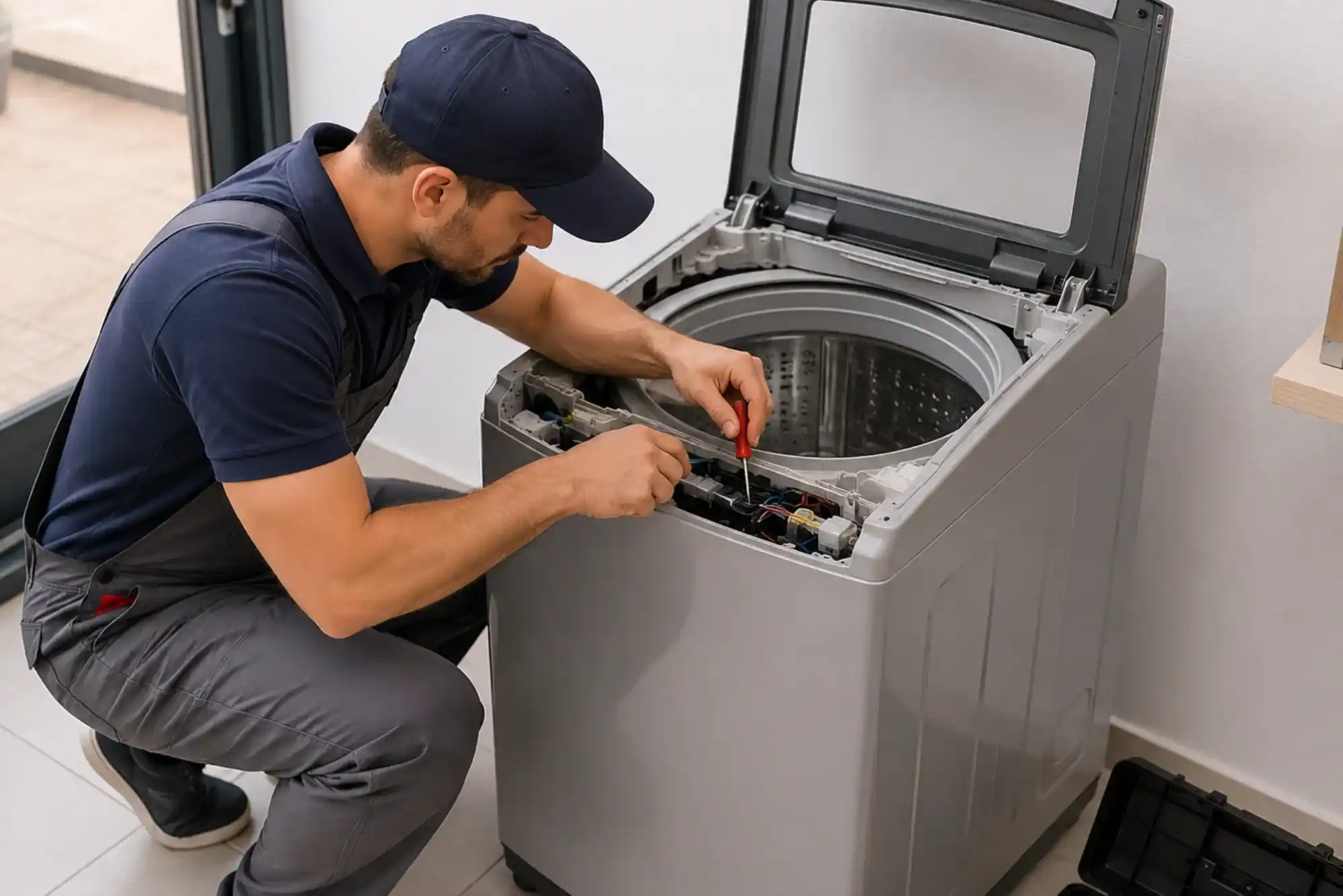
Testing a washing machine door lock repair requires patience and careful attention. The process generally involves both visual inspection and electrical continuity testing. Start by removing the door seal and accessing the lock mechanism. Once visible, inspect the lock assembly for any visible damage, such as broken plastic parts, burnt connectors, or corrosion.
After the visual check, the next step is to test the electrical continuity using a multimeter. The lock mechanism usually has two or three terminals. Set your multimeter to the lowest resistance setting and touch the probes to the terminals. When the door is locked, there should be continuity; when it’s unlocked, there shouldn’t be.
If you don’t get continuity when the door is locked, it indicates an internal fault in the switch. Similarly, if your multimeter shows zero resistance even when unlocked, it may mean the contacts are fused together, which also requires replacement.
Another important part to test is the bi-metal actuator, present in some models. This small component heats up when current passes through it, causing the locking pin to move. If it doesn’t respond during testing, it may need replacement.
Electrical Testing and Control Board Connection
In many modern washing machines, the control board plays an essential role in activating the door lock mechanism. If the board isn’t sending the right voltage, even a perfectly functioning lock won’t engage. During testing, check the wires connecting the door lock to the control module for signs of loose connections or burnt insulation.
You can test voltage output from the control board using your multimeter, but this must only be done if you are experienced or qualified, as it involves working with live electricity. If the control board is not sending proper signals, then the problem isn’t with the door lock itself but rather with the electronic control system.
When to Replace the Door Lock Mechanism
After testing, if the lock mechanism fails the continuity test or shows visible signs of damage, replacement is the best option. Door locks are not expensive parts, but installation should be handled carefully to ensure a secure fit and proper electrical connection.
When replacing the lock, always choose OEM (Original Equipment Manufacturer) parts for the best compatibility and longevity. A poorly fitted or non-compatible lock can cause further issues and even void your appliance warranty.
Replacing the mechanism usually involves disconnecting the wiring harness, removing screws, and installing the new part in the same position. Ensure that all connections are tight and the door closes firmly before testing the machine again.
The Importance of Professional Testing and Repair
While DIY testing is possible, it’s not always the safest or most efficient option for everyone. Washing machine door locks are integrated with electronic circuits and sometimes linked to water safety systems. Mishandling these components can lead to electrical shock or damage to the washer’s control board.
Professional technicians have the tools and expertise to diagnose and test these mechanisms accurately. They can perform voltage checks, continuity tests, and part replacements without risking your appliance’s integrity. Additionally, they can identify underlying causes, such as faulty wiring or damaged boards, that may not be visible to the untrained eye.
For residents in Dubai, trusted services like Hafixer Home Appliances Repair specialize in washing machine maintenance and repair. Their experienced technicians can test, repair, or replace faulty door lock mechanisms efficiently, ensuring your washer operates safely and reliably.
Preventive Maintenance for Door Lock Mechanisms
Regular maintenance can prevent many door lock issues before they arise. Keeping the door area clean and free from detergent buildup helps maintain smooth locking and unlocking action. Avoid slamming the washer door, as this can weaken the latch over time.
It’s also advisable to run occasional cleaning cycles to remove soap residue and moisture that might cause corrosion on electrical contacts. If your washing machine is frequently exposed to humid environments, ensure proper ventilation to prevent rust formation around the lock mechanism.
Testing washing machine door lock mechanisms is an important step in maintaining appliance safety and functionality. A faulty lock can stop your washer from operating or even trap your laundry inside. By understanding how these mechanisms work, what causes them to fail, and how to test them properly, you can ensure your machine remains in excellent condition.