Washing machines have become an essential part of every household, providing convenience and saving time. They handle daily laundry loads efficiently, ensuring clean and fresh clothes with minimal effort. However, one of the most common mistakes that homeowners make is overloading their washing machines. Many people believe that cramming as many clothes as possible into a single wash cycle saves water, energy, and time, but the reality is quite the opposite. Overloading not only reduces cleaning efficiency but also shortens the lifespan of the washing machine significantly. Understanding how overloading affects your washing machine can help you maintain it better and avoid expensive repairs.
Understanding the Mechanics of a Washing Machine
A washing machine operates using a balance of water, detergent, and mechanical movement. Its drum spins to agitate clothes, creating friction that removes dirt and stains. The motor, suspension system, bearings, and belts work together to keep the drum stable while it rotates at high speeds. When you overload the drum, this delicate balance is disrupted. The excess weight puts additional strain on the motor and other internal parts, forcing them to work harder than designed. Over time, this extra stress can lead to wear and tear that shortens the lifespan of the appliance.
Each washing machine model comes with a specific load capacity mentioned in the manual. For example, a 7 kg washing machine is designed to handle up to 7 kilograms of dry clothes. Filling beyond that limit can create uneven loads, poor water circulation, and inefficient detergent distribution, resulting in poor washing results and potential mechanical issues.
The Hidden Consequences of Overloading
Overloading might seem harmless, but the long-term consequences are serious. One of the first signs of overloading is reduced washing performance. Clothes come out less clean, still soapy, or even partially dry. This happens because the detergent and water cannot circulate properly through the densely packed fabrics. Inadequate rinsing leaves detergent residues on clothes, which can irritate the skin and cause fading or fabric damage.
The motor is another critical part affected by overloading. When the drum is too full, the motor struggles to rotate it efficiently. This increases the load on the drive belt and bearings, causing friction, heat, and eventually mechanical failure. Over time, the motor may burn out, leading to costly replacements. Similarly, the suspension system, which is designed to absorb movement and maintain stability during spinning, can get damaged when the weight is excessive. Once damaged, the machine may start vibrating excessively, making loud noises during operation.
Overloading also affects water drainage. When there’s too much laundry, water may not drain properly, leading to incomplete cycles and wet clothes at the end. Prolonged exposure to standing water can also cause mold growth inside the drum, leading to unpleasant odors and hygiene issues.

Energy and Water Efficiency Issues
Many people believe that overloading saves water and electricity by reducing the number of cycles. However, the opposite is true. When the machine is overloaded, it has to work harder to move the drum, which consumes more electricity. Additionally, clothes don’t wash properly, forcing users to run another cycle to achieve better results. This double washing increases both water and energy consumption.
Overloading can also confuse the washing machine’s sensors. Modern washing machines are equipped with load sensors that adjust the water level and spin speed based on the weight. When the load is excessive, the sensors might not function accurately, leading to inefficient washing and unnecessary strain on the components. Over time, the repeated stress of overloading results in higher utility bills and a shorter machine lifespan.
How Overloading Reduces Washing Machine Lifespan
Every washing machine repair has an estimated operational lifespan, typically ranging from 8 to 12 years, depending on the model, brand, and usage patterns. Overloading significantly reduces this lifespan. The extra strain placed on critical components like the motor, bearings, drum, and suspension system leads to frequent breakdowns.
Bearings are especially vulnerable. These small yet essential parts allow the drum to spin smoothly. When overloaded, the extra force can cause the bearings to wear out prematurely. Once the bearings fail, the machine may produce grinding noises and eventually stop spinning altogether. Replacing bearings can be an expensive and time-consuming process.
In addition to mechanical damage, overloading also increases the chances of leaks. The extra weight can cause seals and hoses to loosen, allowing water to escape during washing cycles. This not only damages the machine but can also harm your flooring. Over time, repeated water exposure may lead to rust and corrosion, especially in older models.
The Role of Balance and Distribution
Proper balance inside the washing machine drum is crucial for effective operation. Overloading prevents even distribution of clothes, causing the drum to become unbalanced. During the spin cycle, an unbalanced load leads to excessive vibrations, shaking, and noise. These violent movements put pressure on the internal joints and suspension system. In severe cases, the drum may even collide with the sides of the machine, damaging its outer shell.
Uneven loads also lead to poor washing results. When clothes are tangled or packed tightly, water and detergent cannot reach all areas evenly. This leaves some clothes dirty or soapy, while others may experience fabric stretching or tearing due to the friction. Regularly overloading the machine increases the risk of irreversible internal damage.
Financial Impact of Overloading
The financial impact of overloading a washing machine can be significant. What may start as a minor performance issue often leads to costly repairs. Motor replacements, bearing fixes, or suspension repairs can be expensive, sometimes costing half the price of a new washing machine. In many cases, users are forced to replace the appliance earlier than expected because of the accumulated damage caused by continuous overloading.
Additionally, overloading affects your electricity and water bills. Running extra cycles to clean inadequately washed clothes wastes resources and money. Over time, this adds up to a higher monthly expense. Investing in proper laundry habits and following manufacturer guidelines can save you substantial amounts in maintenance and energy costs.
Best Practices for Optimal Washing Performance
To maintain your washing machine’s efficiency and extend its lifespan, it’s essential to follow the recommended load capacity. Always check the user manual for specific weight guidelines. A simple rule of thumb is to fill the drum loosely — about three-quarters full — leaving enough space for the clothes to move freely. This allows water and detergent to circulate effectively and ensures even cleaning.
Sorting clothes by fabric type and weight also helps. Washing heavy items like jeans or towels separately from lighter clothes prevents unbalanced loads and excessive strain on the drum. Regular maintenance, such as cleaning the filter and drum, checking for leaks, and inspecting the hoses, also keeps the machine in good condition.
It’s equally important to use the right amount of detergent. Too much detergent creates excessive foam, which can interfere with the washing process and put more pressure on the motor. Using high-efficiency detergent formulated for your machine type ensures better cleaning with less residue.
Expert Help When Needed
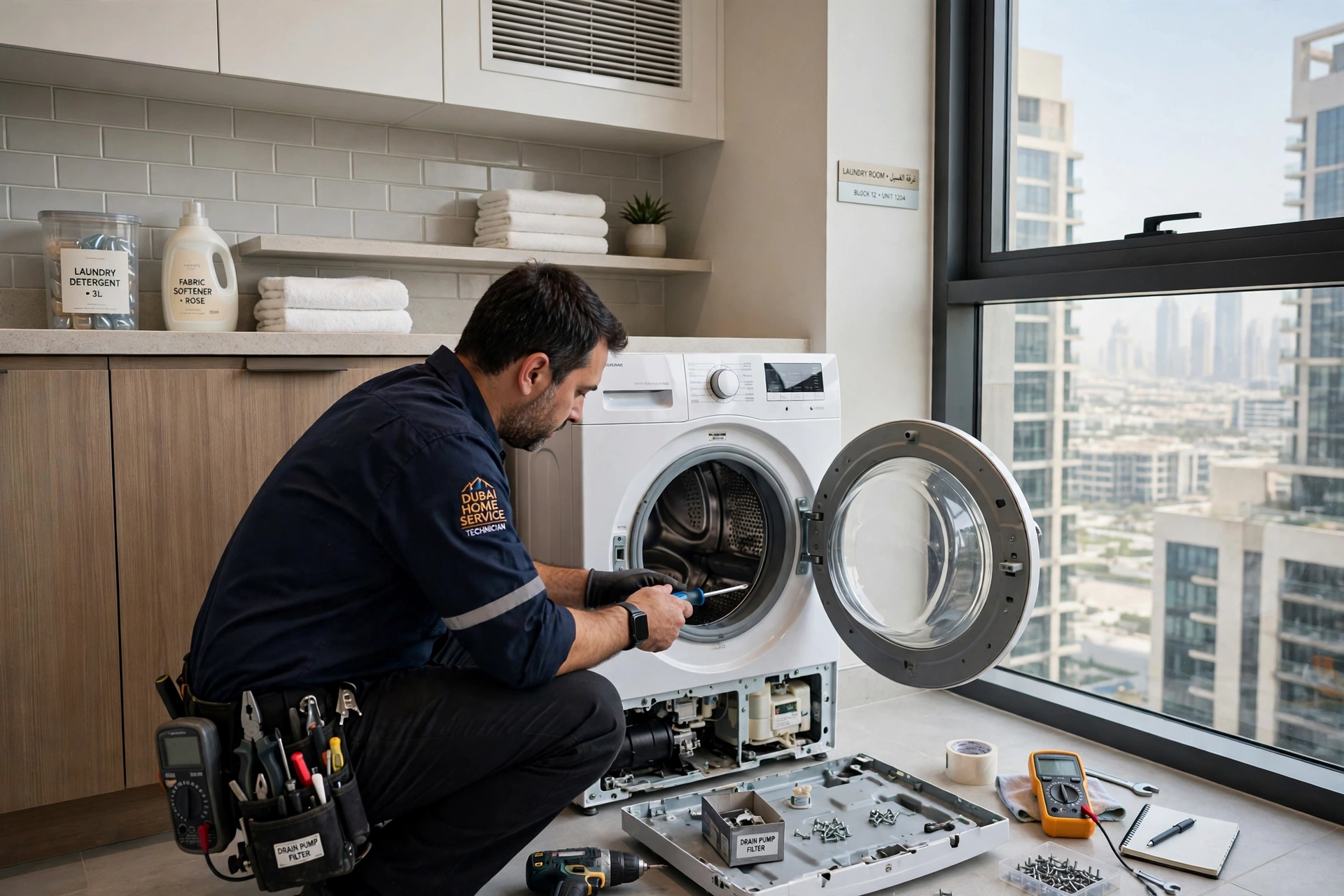
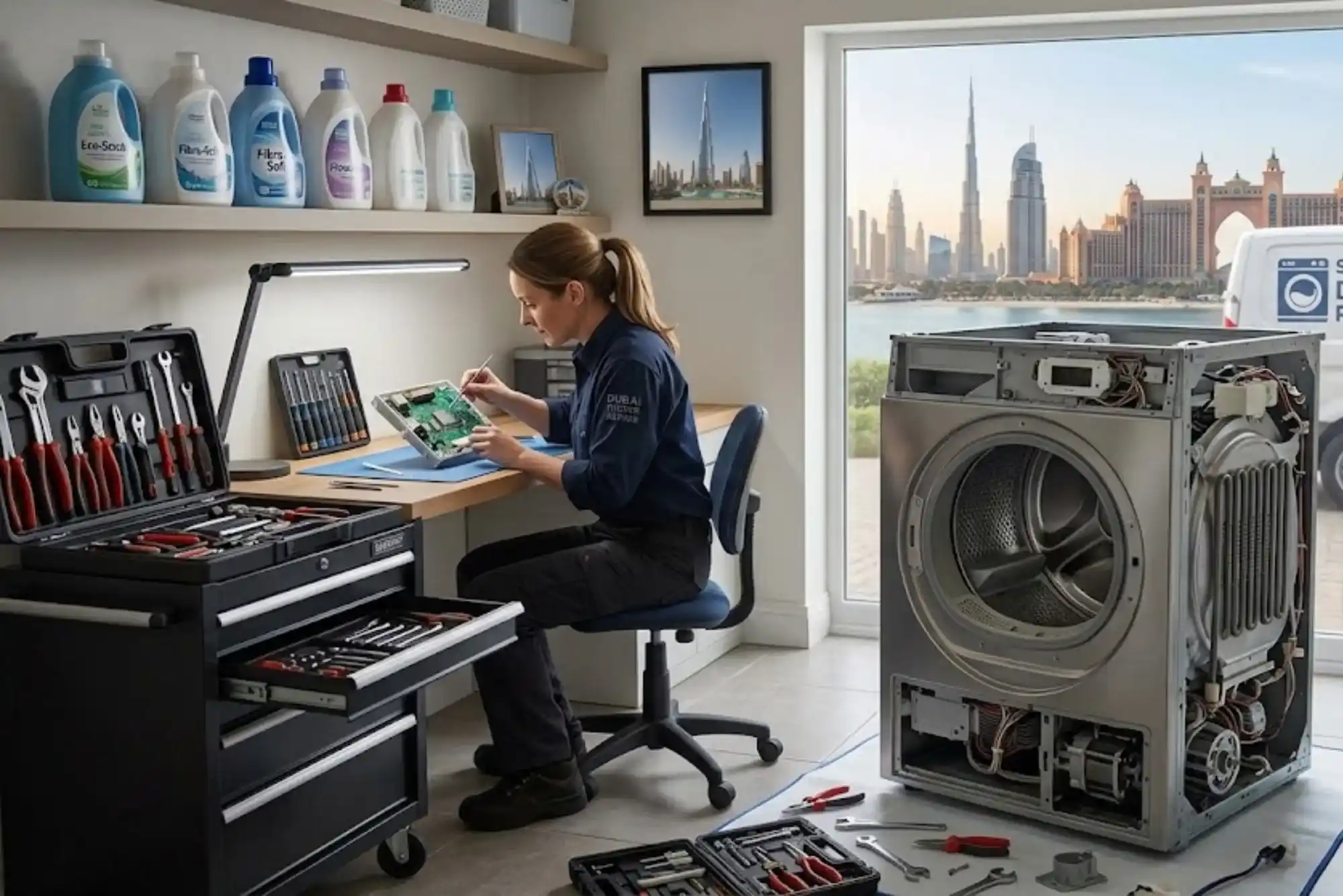
If you notice unusual noises, vibration, or poor cleaning results, it’s best to call a professional appliance repair technician. Continuing to use a damaged or overstrained washing machine can worsen the problem and increase repair costs. Experts can diagnose the issue, replace worn-out parts, and restore your machine to optimal condition. Professional maintenance not only fixes existing issues but also helps detect potential problems before they escalate.
Overloading a washing machine might seem like a time-saving trick, but in reality, it leads to costly repairs, poor performance, and a shorter appliance lifespan. By understanding how overloading affects your machine and adopting proper laundry habits, you can protect your investment and enjoy cleaner clothes with every wash. Treat your washing machine with care — it’s a hardworking appliance that deserves regular maintenance and balanced use. A little attention today can save you from major expenses tomorrow, keeping your washing machine efficient and long-lasting for years to come.