Washing machines are among the most frequently used home appliances, designed to handle heavy loads and operate for years. However, with constant use, certain parts begin to show wear and tear — and one of the most common issues homeowners face is a damaged or loose door hinge. The hinge plays a crucial role in ensuring the washing machine door closes tightly, preventing leaks and maintaining the machine’s efficiency. Understanding how to replace washing machine door hinges can save time, money, and the hassle of waiting for a technician. This detailed guide will walk you through every aspect of hinge replacement, including why it happens, how to identify the issue, and how professionals handle the process effectively.
Understanding the Role of Door Hinges in Washing Machines
The door hinge of a washing machine may seem like a small component, but it’s vital for the appliance’s proper operation. It ensures the door opens and closes securely, creating a watertight seal during wash cycles. A properly aligned hinge prevents leaks and ensures the locking mechanism functions correctly. Over time, repeated opening and closing can weaken the hinge, especially if the door is handled roughly or if heavy pressure is applied when loading or unloading laundry.
Front-loading washing machines rely heavily on the integrity of the door and its hinge system. When the hinge becomes damaged or misaligned, the door might not close completely, which could stop the machine from running or lead to water leakage. Therefore, maintaining and replacing washing machine door hinges is a crucial part of appliance care.
Common Reasons Why Door Hinges Fail
Door hinges can fail for several reasons, often linked to user habits, environment, and general wear. One of the main causes is frequent rough handling. Many users tend to push or pull the washing machine door forcefully, which gradually loosens or bends the hinge.
Another common issue is rust or corrosion. Since washing machines operate in humid conditions, metal components such as hinges can corrode over time, especially if the machine is placed in poorly ventilated areas. This weakens the metal and reduces the hinge’s ability to hold the door firmly.
Sometimes, overloading the washing machine can indirectly affect the hinges. The extra weight inside the drum may shift pressure to the door during cycles, straining the hinge mechanism. Additionally, improper installation of the washing machine or misalignment of the door can also accelerate hinge wear.

Signs That Your Washing Machine Door Hinges Need Replacement
Recognizing early signs of hinge failure can prevent further damage. One clear indicator is difficulty closing the door. If you need to push harder than usual or the latch doesn’t align properly, the hinge could be bent or loose.
Another warning sign is visible rust or damage on the hinge area. Any corrosion, cracks, or loosened screws are strong signs that the hinge is wearing out. Sometimes, water leaks during washing cycles occur when the door doesn’t seal properly, which often results from a damaged hinge or distorted door frame.
A misaligned hinge can also cause the door to sag, making it harder for the locking mechanism to engage. If you notice the door hanging unevenly or the gap between the door and machine body is uneven, hinge replacement may be necessary.
Preparing for Hinge Replacement
Before replacing the hinge, it’s important to prepare properly. Safety should always come first. Begin by disconnecting the washing machine from the power supply and shutting off the water supply to prevent any accidents. Make sure the area around the washing machine is clear and well-lit.
Professional technicians usually assess the type and model of the washing machine to identify the correct replacement part. Different brands and models use specific hinge designs, and using an incorrect hinge can lead to improper alignment or leakage. Having the correct replacement part ready before beginning the process saves time and ensures a smoother installation.
The Process of Replacing Washing Machine Door Hinges
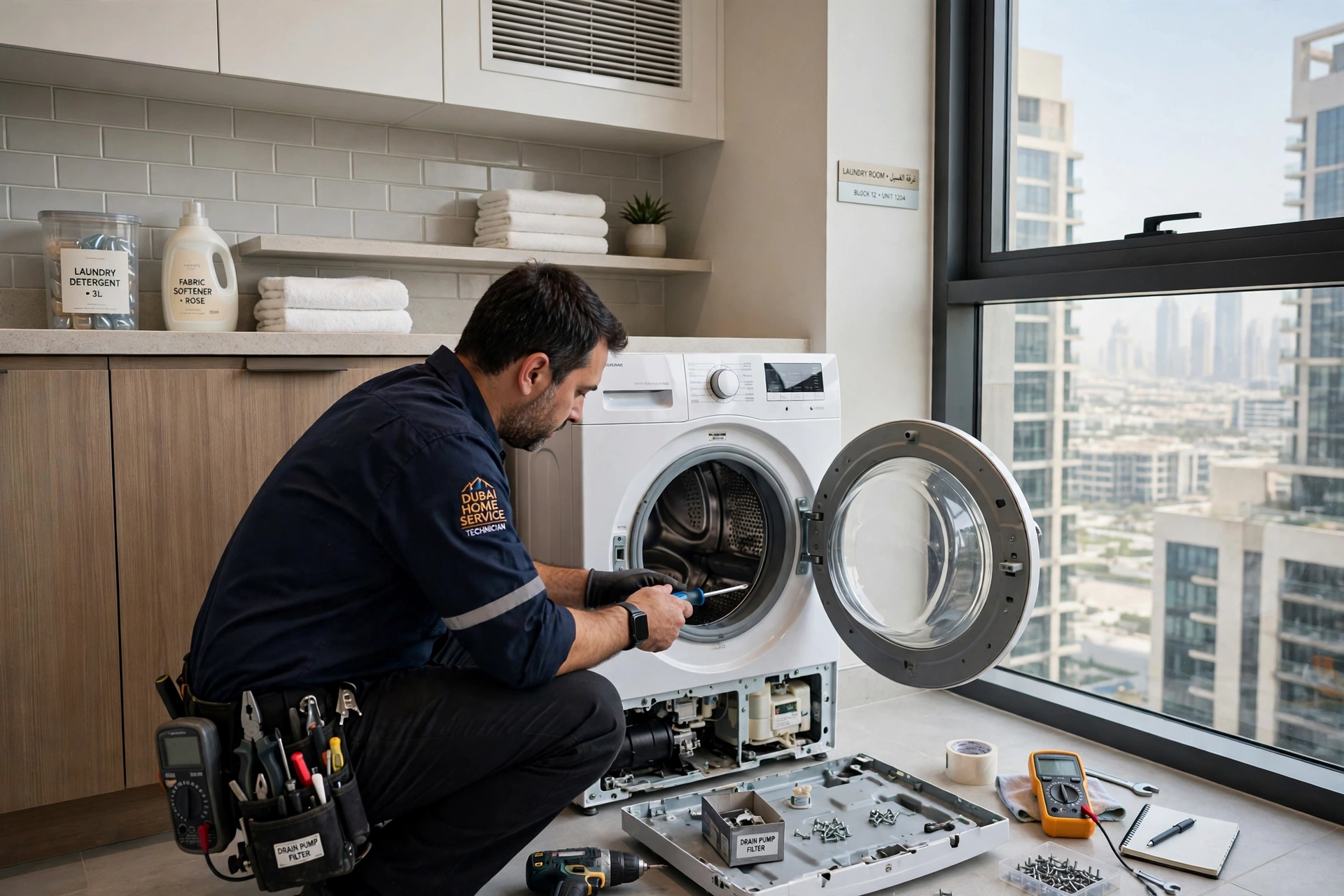
Replacing a washing machine door repair hinge involves precision and care. Professionals begin by removing the outer door cover or door assembly, depending on the machine’s design. The screws holding the hinge in place are carefully removed, and the old hinge is detached from both the machine body and the door frame.
Once the damaged hinge is removed, the new one is positioned carefully. Technicians ensure that the hinge aligns perfectly with the screw holes and door structure. Tightening the screws evenly helps prevent any misalignment, which could affect the door’s sealing ability.
After securing the new hinge, the door is reattached and tested to confirm that it opens and closes smoothly. The locking mechanism is checked to ensure proper functionality. Finally, the technician runs a short wash cycle to confirm there are no leaks or operational issues.
Although the process may seem simple, accuracy is key. Even a slight misalignment can cause door sealing problems, leaks, or long-term stress on the new hinge.
Why Professional Help Is Recommended
While some homeowners attempt to replace washing machine door hinges themselves, professional assistance is often the safer and more efficient choice. Washing machines are complex appliances with delicate parts, and an inexperienced hand can easily cause further damage.
Professionals have the right tools and knowledge to handle different washing machine models and ensure precise alignment. They can also inspect the door lock, gasket, and other components during the repair to make sure everything functions properly.
Another advantage of hiring professionals is warranty protection. Attempting DIY repairs may void manufacturer warranties. Authorized service providers can perform hinge replacements without affecting your appliance warranty.
A professional technician can also identify underlying problems, such as a bent door frame or damaged latch, which might not be obvious to an untrained eye. Addressing these hidden issues helps prevent future breakdowns and extends your washing machine’s lifespan.
Preventing Future Hinge Problems
Once the hinge is replaced, proper care and maintenance can help prevent future damage. Always open and close the door gently, avoiding unnecessary force. It’s also a good idea to keep the door dry after each wash, as moisture accelerates rusting.
If your washing machine is located in a humid area, consider improving ventilation to reduce moisture buildup. Using a dehumidifier or keeping the door slightly open after washing can help prevent corrosion.
Regularly check the hinge screws and door alignment to ensure they remain tight and secure. Small adjustments or tightening can prevent bigger issues later. If you notice any unusual creaking sounds or door misalignment, contact a technician promptly before the problem worsens.
The Importance of Timely Replacement
Delaying hinge replacement can lead to bigger problems. A damaged hinge not only affects the door’s movement but can also damage the door seal and latch mechanism. This can cause leaks, increased energy consumption, and potential electrical issues.
Timely replacement ensures your washing machine operates safely and efficiently. It also prevents inconvenience, such as incomplete wash cycles or water spillage. In the long run, maintaining your appliance through timely repairs saves both money and effort.
Professional Washing Machine Repair Services in Dubai
If you’re located in Dubai and dealing with a faulty washing machine door hinge, it’s best to seek help from experienced technicians who specialize in appliance repair. Companies like provide expert washing machine services, including door hinge replacement, gasket repair, and complete door alignment.
Their trained professionals handle all major washing machine brands and models, ensuring that your appliance is repaired using genuine parts and high-quality workmanship. They focus on providing fast, reliable, and affordable services to help your washing machine function like new again.
Replacing washing machine door hinges is a vital maintenance task that restores the appliance’s functionality and prevents water leakage. While it might appear to be a minor issue, a faulty hinge can disrupt the machine’s performance and even cause damage to other components. By understanding the signs of hinge failure and seeking timely professional help, you can keep your washing machine in top condition.