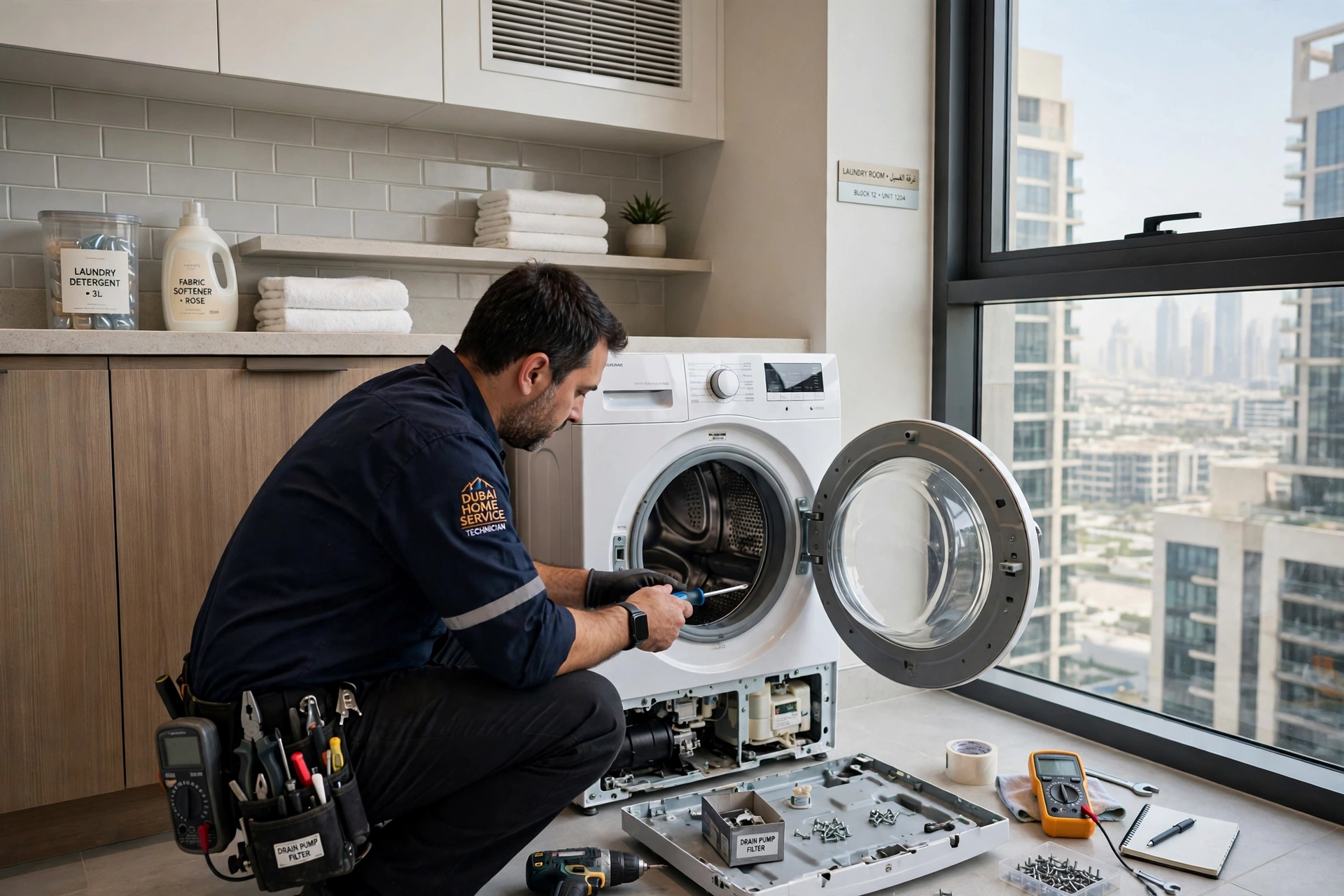
Washing machines are intricate systems that blend mechanical precision with electrical technology to deliver seamless cleaning performance. Among their many internal components, one of the lesser-known yet critical parts is the flux band. While most users may never think about it, the flux band plays a vital role in maintaining stability, reducing electromagnetic interference, and ensuring the motor operates efficiently. When the flux band fails or malfunctions, it can cause performance irregularities that disrupt the entire washing process. Understanding how to troubleshoot washing machine flux band issues is essential for maintaining optimal performance and preventing further mechanical damage.
The flux band is typically a metallic ring or series of conductors mounted around the stator of the motor. Its function is to stabilize magnetic fields and minimize electrical noise. In essence, it acts as a shield that protects the motor’s electromagnetic system from interference. Without this component working correctly, the machine may experience irregular spin cycles, vibration, or power fluctuation.
Understanding the Role of the Flux Band in Washing Machines
To grasp the importance of flux bands, it is necessary to understand how the motor functions. The heart of a washing machine’s operation lies in the electric motor, which converts electrical energy into mechanical movement. This motion drives the drum, creating the agitation and spin required to wash and rinse clothes effectively. However, as current passes through the motor coils, magnetic fields are generated, and these fields must remain balanced for consistent performance.
The flux band works as a stabilizing barrier that regulates these magnetic fields. By reducing the stray flux, it ensures smooth torque, balanced motor rotation, and efficient energy usage. In simple terms, it makes the motor more stable and reliable. When the flux band becomes damaged, loose, or misaligned, the system loses its balance, and performance begins to deteriorate.
Symptoms of Flux Band Malfunction
A malfunctioning flux band can cause a variety of problems that may initially appear to be unrelated. Users might notice that their washing machine vibrates excessively during the spin cycle or produces unusual humming sounds. In some cases, the motor may overheat or fail to start properly. These are early indicators that the flux band may not be functioning as it should.
Electrical interference is another common sign. When the band is loose or corroded, it fails to suppress electromagnetic noise. This can result in erratic behavior, such as fluctuating speeds or cycles that stop unexpectedly. Over time, the additional strain on the motor can lead to complete failure, making timely diagnosis crucial.

Causes Behind Flux Band Failures
Flux band issues can occur due to various reasons, most of which relate to wear and tear or electrical stress. Continuous operation of the motor under heavy loads generates heat, and prolonged exposure to this heat can weaken the band’s metallic structure. Additionally, moisture or detergent residues may corrode the metal, reducing its ability to conduct and stabilize electromagnetic fields.
Improper servicing or mishandling during maintenance can also lead to displacement of the flux band. When the band becomes misaligned, the magnetic balance of the motor is disrupted, resulting in vibration and noise. In modern inverter-type washing machines, electronic faults such as surges or grounding problems can also impact the function of the flux band. Understanding these causes helps in preventing future failures and ensuring smoother operation.
The Importance of Early Troubleshooting
Ignoring flux band problems can have severe consequences. A washing machine that operates with a compromised flux band not only performs inefficiently but also risks damaging other components. The imbalance caused by electromagnetic distortion can strain the motor bearings, accelerate wear on the drum assembly, and cause overheating.
Early troubleshooting is essential to minimize repair costs and extend the life of the appliance. Technicians trained in washing machine diagnostics can identify flux band faults through performance tests and electrical measurements. Repairing or replacing the band before the damage spreads ensures that the machine remains safe and energy-efficient.
Diagnosing a Faulty Flux Band
Diagnosing flux band issues requires a combination of visual inspection and electrical testing. The technician begins by examining the motor assembly for visible signs of damage, such as burnt marks, corrosion, or displacement of the band. If the band appears intact, resistance and continuity tests may be performed using a multimeter to detect irregularities in current flow.
Motor vibration analysis can also reveal flux instability. An unstable magnetic field produces inconsistent torque, which manifests as vibration or audible hum during the spin cycle. Advanced diagnostic tools can measure electromagnetic flux variations, allowing professionals to pinpoint the exact source of the disturbance.
Because flux band diagnosis involves working around electrical components, safety precautions are critical. The washing machine must be disconnected from the power source, and technicians should follow standard grounding and handling protocols to avoid shocks or equipment damage.
Repairing the Flux Band
Once the issue is identified, repair involves either realigning or replacing the flux band. In some cases, the band may only need to be re-secured to its position if it has become loose. If corrosion or structural weakening is evident, replacement is the safest solution.
Replacement involves carefully removing the motor housing, disconnecting electrical connections, and fitting a new flux band that matches the manufacturer’s specifications. The repair must be performed with precision to ensure that the band sits correctly around the stator and maintains the appropriate distance from the rotor. After installation, testing is carried out to verify that the motor runs smoothly without vibration or overheating.
Professional service centers that specialize in appliance repair are best equipped to handle this process. Technicians understand the electrical and mechanical balance of washing machines, ensuring that the repair restores the appliance’s performance to factory standards.
The Role of Professional Technicians
Flux band troubleshooting requires advanced technical knowledge, as it involves interaction with both electrical circuits and moving mechanical parts. For most homeowners, attempting such repairs without proper training is not advisable. Professional technicians possess the tools and understanding needed to handle flux band repairs safely.
A skilled repair expert can also identify whether the problem lies solely with the flux band or whether other components—such as the stator windings, inverter board, or drive belt—are contributing to the issue. Comprehensive testing ensures that the root cause is addressed rather than just the symptom.
In cities where appliance usage is high, like Dubai, professional service providers play a vital role in maintaining household efficiency. Companies with expertise in washing machine diagnostics offer dependable solutions that prevent future breakdowns and improve energy performance.
Preventing Flux Band Problems
Preventive care is always more efficient than repair. Maintaining a washing machine properly can significantly reduce the likelihood of flux band issues. Keeping the appliance clean, ensuring proper ventilation, and avoiding overloading helps the motor operate under stable conditions.
Regular servicing ensures that internal components remain in good shape. During professional maintenance visits, technicians can inspect the motor for early signs of flux band degradation, corrosion, or alignment issues. Early intervention not only prevents costly repairs but also keeps the washing machine operating smoothly for years.
Why Flux Band Maintenance Matters
While the flux band may seem like a minor component, its impact on performance and energy consumption is substantial. A malfunctioning flux band forces the motor to work harder, drawing more current to maintain torque. This increases energy consumption and may trigger circuit protection mechanisms, causing the machine to shut off unexpectedly.
Proper maintenance keeps this component efficient, helping the washing machine operate quietly and consistently. For households that rely heavily on their appliances, such attention to detail ensures reliability and comfort.
The Future of Washing Machine Motor Design
Modern washing machines are becoming increasingly advanced, integrating inverter technology, smart sensors, and precision engineering. As these technologies evolve, the role of flux management becomes even more important. Manufacturers are now designing improved flux bands made from high-durability alloys and materials that better withstand heat and corrosion.
Future designs may even replace traditional metallic bands with advanced composite materials that offer better electromagnetic shielding and longer service life. For users, this means fewer breakdowns and reduced maintenance costs. However, until these technologies become standard, regular servicing remains essential for preventing issues.
Restoring Performance Through Proper Troubleshooting
The washing machine flux band may not be a household term, but it is an essential part of the motor’s performance and reliability. When it malfunctions, the entire system suffers, resulting in reduced efficiency, vibration, and noise. Understanding its role, recognizing the signs of failure, and taking timely action are key to keeping your appliance running at its best.
Troubleshooting washing machine flux band problems requires both technical understanding and careful attention to safety. While homeowners can recognize early warning signs, actual diagnosis and repair are best handled by professional technicians. Through expert inspection, testing, and precision repairs, the appliance’s balance and efficiency can be fully restored.
In today’s world, where appliances form the backbone of daily life, maintaining technical components like the flux band is vital for long-term performance. Proper troubleshooting ensures that your washing machine not only operates smoothly but also continues to deliver the reliability and efficiency modern households depend on.