Modern washing machines have become indispensable in homes, offering automation, precision, and energy efficiency. They handle everything from gentle fabric care to heavy-duty cleaning at the touch of a button. However, as advanced as they are, washing machines remain highly sensitive to one often-overlooked factor — voltage fluctuations.
In many parts of the world, fluctuating power supply is common due to grid instability, sudden load changes, or environmental conditions. These voltage inconsistencies may seem minor, but they can have a profound impact on electrical appliances, especially those as complex as washing machines. Understanding how voltage fluctuations affect these machines is crucial for maintaining their performance, safety, and lifespan.
Voltage fluctuations occur when the power supply deviates from its standard value — typically 220 to 240 volts for most household appliances. When the supply is too low or too high, it disrupts the normal operation of the washing machine’s motor, control board, and sensors. Over time, these fluctuations can lead to reduced efficiency, component failure, and costly repairs.
Understanding Voltage Fluctuations
Voltage fluctuation refers to variations in the electrical supply from the normal operating range. These deviations can occur due to various reasons — overloading of the power grid, frequent switching of heavy appliances, or sudden electrical surges caused by lightning or power restoration after an outage.
A washing machine, being an electronically controlled appliance, relies on a stable voltage supply to function properly. It uses sensors, motors, timers, and control circuits that require consistent energy input. Even a small drop or spike in voltage can alter how these components operate. For example, when voltage drops, the machine’s motor struggles to spin the drum efficiently. Conversely, when voltage rises beyond safe limits, delicate electronic parts can burn out.
These voltage fluctuations may not be visible immediately, but the cumulative effect is damaging. Continuous exposure to unstable voltage gradually weakens components and increases the likelihood of sudden breakdowns.

How Voltage Fluctuations Affect Washing Machine Performance
Voltage fluctuations affect washing machines in several ways, beginning with their most crucial part — the electric motor. The motor is responsible for driving the drum during the wash and spin cycles. When voltage drops below optimal levels, the motor runs slower and with more strain, leading to incomplete washing or inefficient rinsing.
When voltage is excessively high, the motor may overheat due to increased electrical current, damaging its windings and insulation. Over time, this not only shortens the motor’s life but can also lead to complete failure.
The electronic control board is another vulnerable part. Modern washing machines rely on microprocessors to regulate cycles, control water temperature, and ensure energy efficiency. Voltage surges can fry these delicate circuits, rendering the machine inoperable. Replacement of a control board can be expensive, sometimes costing almost half the price of a new machine.
Low voltage also affects the heating element, which requires a certain amount of power to heat water to the set temperature. Insufficient voltage results in lukewarm water, reducing cleaning effectiveness and forcing the machine to run longer cycles. This increased runtime not only consumes more electricity but also adds wear and tear to mechanical components.
The Hidden Dangers of Frequent Power Surges
Power surges are short, intense bursts of high voltage that occur suddenly. They often result from lightning strikes, damaged power lines, or unstable grid conditions. Unlike low voltage, which slowly wears down components, surges can cause instant damage.
When a surge passes through a washing machine, it can destroy electronic circuits, blow fuses, and even melt internal wiring. The most affected parts are the printed circuit board (PCB) and display panel. These components manage multiple sensors and commands that regulate washing cycles. Once damaged, the entire appliance may fail to start or behave unpredictably.
Even smaller, more frequent surges can degrade electrical insulation and solder joints within the machine. Over time, these microscopic damages accumulate, eventually causing the appliance to malfunction unexpectedly. The result is a reduced appliance lifespan and higher maintenance costs.
Impact on Energy Efficiency and Water Usage
One of the less-discussed effects of voltage fluctuations is the way they influence energy efficiency. A washing machine operating under low voltage conditions consumes more electricity because the motor and heating elements struggle to function at their designed capacity. The machine may take longer to complete cycles, leading to more energy and water usage.
Conversely, during voltage spikes, the appliance may attempt to compensate for irregular power supply by abruptly stopping or restarting cycles. This repeated start-stop behavior can waste both water and detergent. Over time, users may notice higher utility bills and increased operational noise, signaling internal strain.
Furthermore, fluctuating voltage affects the sensors that control water level and temperature. When these sensors receive inconsistent signals, they may cause the machine to fill more or less water than required or heat water to the wrong temperature. These inefficiencies not only compromise wash quality but also increase resource wastage.
Long-Term Effects on Washing Machine Lifespan
Voltage fluctuations are silent killers of home appliances. A washing machine that frequently experiences inconsistent power may appear to work fine for months or even years, but internally, its components are deteriorating. Electrical insulation becomes brittle, connections loosen, and capacitors lose capacity.
Eventually, these internal stresses lead to frequent malfunctions — from error codes on the display to complete system failures. The most affected parts include the motor, electronic control board, and heating elements. Replacing these components is expensive and often impractical compared to buying a new unit.
This is why manufacturers recommend using voltage stabilizers or surge protectors, especially in areas where power fluctuations are common. By maintaining a consistent voltage supply, these devices prevent damage and extend the washing machine’s operational life.
The Role of Modern Technology in Managing Power Fluctuations
Many modern washing machines are equipped with built-in voltage regulators or surge protection features. These technologies automatically adjust to minor voltage changes and prevent damage during sudden spikes. However, their protection capacity is limited. Prolonged or extreme fluctuations can still exceed the appliance’s tolerance.
Smart appliances now use sensors that detect unstable power supply and temporarily pause the washing cycle to prevent damage. Once voltage stabilizes, the machine resumes operation automatically. This level of automation helps protect components and ensures safety.
Despite these advancements, external stabilizers remain essential in regions where voltage variation is severe. These devices act as a buffer between the power supply and the washing machine, providing a steady flow of electricity regardless of external conditions.
Protecting Washing Machines from Voltage Instability
The first step in protection is understanding the local power supply condition. In many areas, especially developing regions, voltage instability is common during peak consumption hours. Installing a voltage stabilizer dedicated to your washing machine ensures that it always receives the correct power level.
Another practical measure is unplugging the appliance during electrical storms or long power outages. When electricity is restored suddenly, the returning surge can be powerful enough to damage appliances that remain plugged in. Using surge protectors with built-in circuit breakers adds another layer of safety.
Regular maintenance is also key. Checking power cords, outlets, and plugs for damage ensures proper current flow. Any loose connection increases resistance, generating excess heat that can contribute to voltage drops.
Why Professional Diagnosis Matters
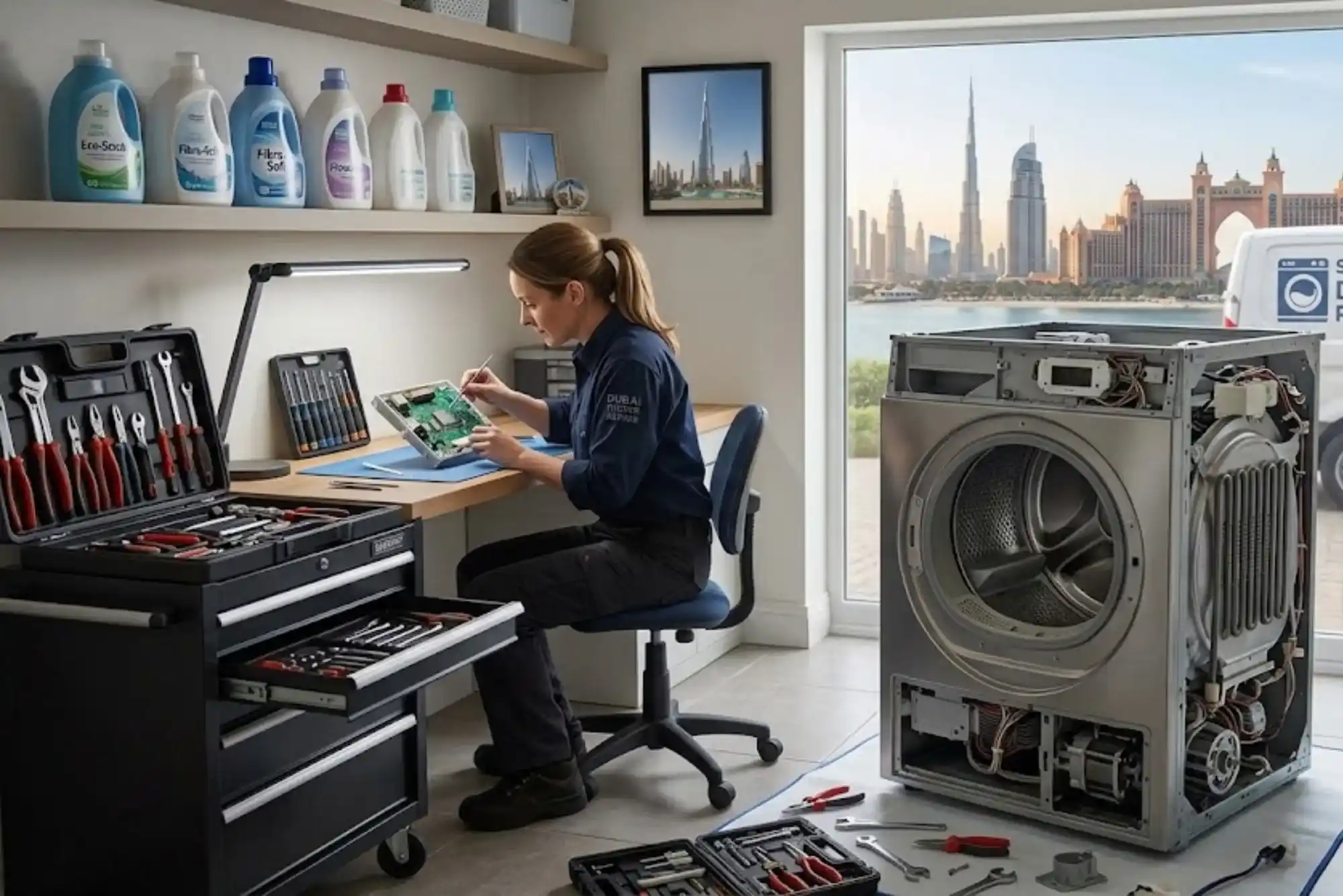
If your washing machine shows signs of malfunctioning after a voltage fluctuation — such as not turning on, inconsistent cycles, or burning smells — professional inspection is necessary. A qualified technician can assess whether the problem lies with the control board, motor, or power connections.
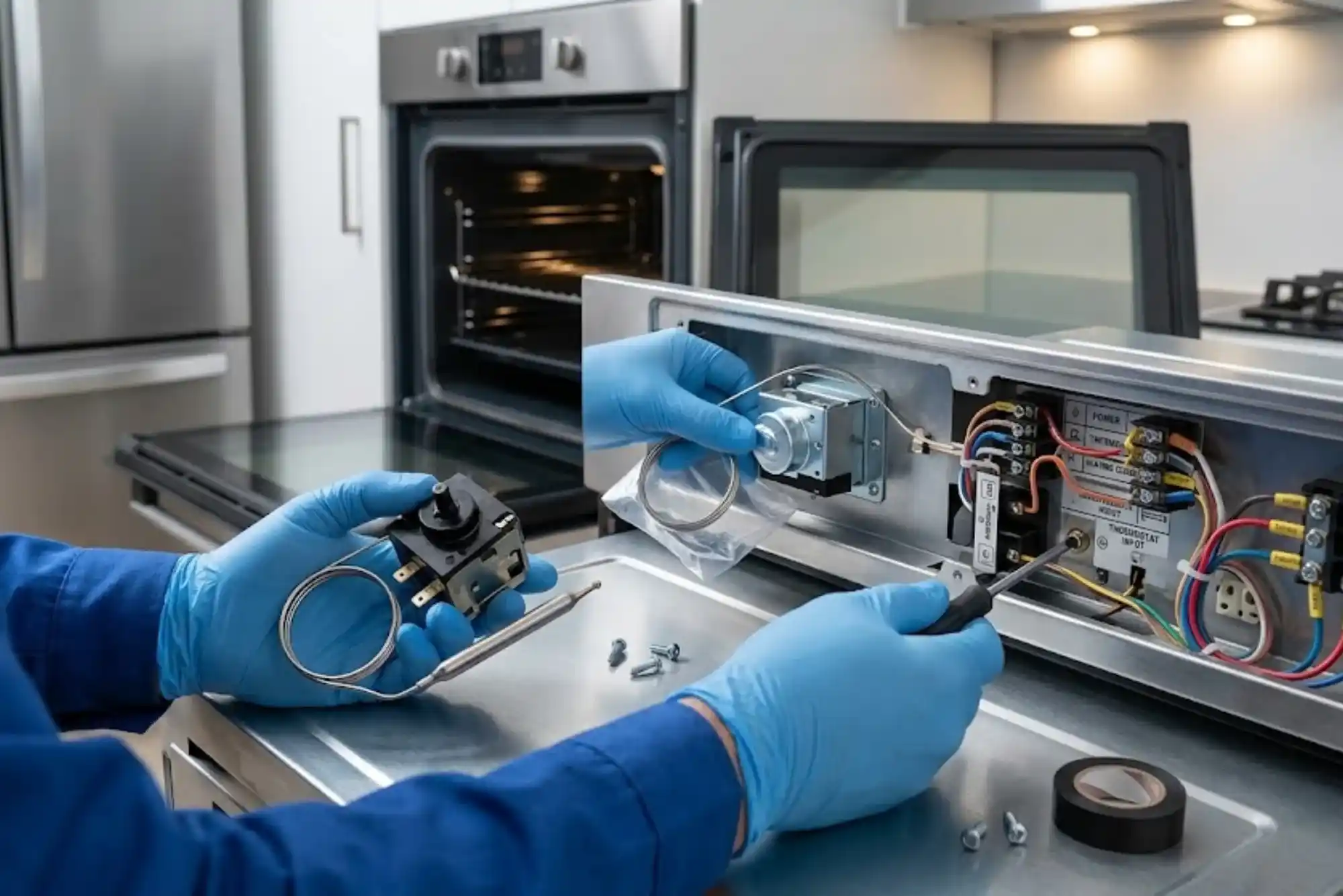
Attempting to repair a washing machine without the right expertise can worsen the issue or create safety risks. Technicians use specialized tools to test electrical components and determine if parts need replacement or recalibration. They also ensure that grounding and insulation are intact, which are critical for user safety.
Professional evaluation after a severe power event is especially important because not all damage is visible. A technician can detect weakening components that might fail later, preventing unexpected breakdowns.
The Future of Power Management in Home Appliances
As technology evolves, manufacturers continue to design washing machines that are more resilient to electrical irregularities. Future models may feature advanced power modulation systems capable of withstanding wider voltage ranges without damage.
Integration with smart home energy systems will also play a key role. With the help of AI-driven sensors, appliances can communicate with power grids, automatically adjusting their operation during low or high voltage conditions. This will not only protect appliances but also contribute to energy efficiency and sustainability.
Until such systems become universal, the responsibility remains with homeowners to ensure their appliances are adequately protected through stabilizers and surge protectors.
Stability Equals Longevity
Voltage fluctuations might seem like a routine inconvenience, but their effect on washing machines is significant and lasting. From overheating motors to damaged circuit boards, the impact of inconsistent voltage can lead to high repair costs and reduced appliance lifespan.
A washing machine performs best when it receives a stable, uninterrupted power supply. Taking preventive measures such as using a voltage stabilizer, unplugging during power outages, and seeking professional servicing when needed can make all the difference.
Electrical stability is not just about protecting an appliance — it is about ensuring convenience, safety, and efficiency in your daily life. By understanding and managing voltage fluctuations, you not only extend the life of your washing machine but also enhance the overall reliability of your home’s electrical ecosystem.