A refrigerator is one of the most essential appliances in any home, silently working day and night to keep food fresh. However, like any machine, it requires proper maintenance to function efficiently. One of the most crucial yet often overlooked maintenance tasks is cleaning the refrigerator condenser coils. These coils play a vital role in the cooling process, and when they get dirty, your refrigerator has to work much harder, consuming more energy and potentially shortening its lifespan. In this detailed guide, we will explore why cleaning refrigerator condenser coils is so important, how to do it properly, and what benefits regular cleaning can bring to your appliance.
Understanding the Role of Condenser Coils
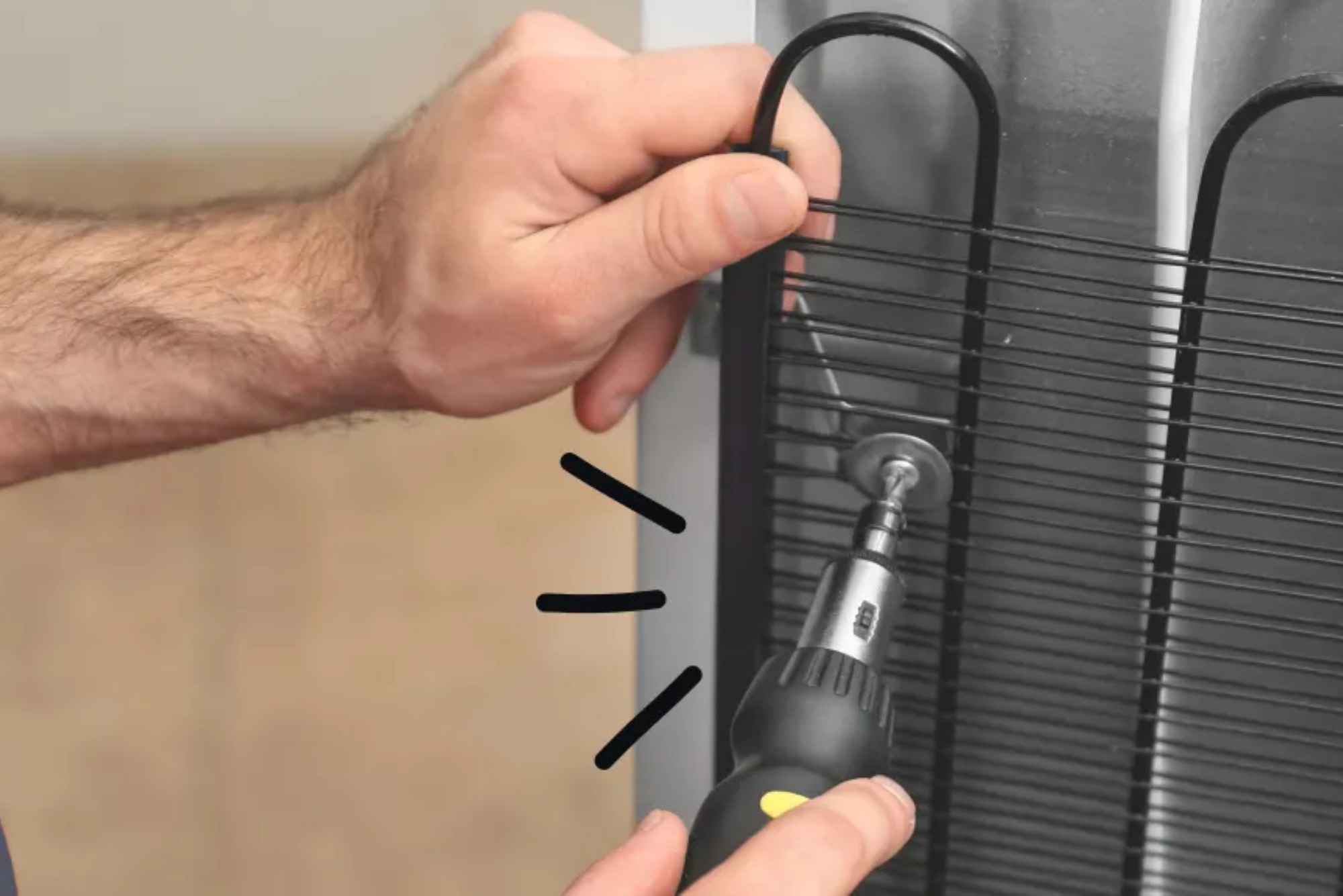
Before diving into the cleaning process, it is important to understand what condenser coils do. Condenser coils are usually located either at the back or underneath your refrigerator. Their function is to release the heat produced during the refrigeration cycle. As the refrigerant flows through these coils, it dissipates heat into the surrounding air, allowing your refrigerator to maintain a cool temperature inside.
Over time, dust, pet hair, and kitchen grease can accumulate on these coils. When that happens, heat cannot escape efficiently, causing the compressor to work harder. This not only increases your electricity bills but also leads to overheating and potential component failure. Keeping the condenser coils clean is therefore a simple but essential task to ensure the longevity and performance of your refrigerator.
Signs That Your Condenser Coils Need Cleaning
If you notice that your refrigerator is running continuously or not cooling as effectively as before, it may be time to clean the coils. Other signs include a warm exterior surface, especially near the bottom or back of the unit, and higher energy consumption than usual. In some cases, you might even hear the compressor running more frequently or for longer durations. All these are clear indicators that dust and dirt buildup are obstructing proper airflow around the coils.
Preparing for the Cleaning Process
Safety should always come first when working with electrical appliances. Before you begin cleaning the condenser coils, make sure to unplug the refrigerator repair from the power outlet. This prevents any risk of electrical shock or accidental activation of the compressor while you are working. You should also move the refrigerator slightly away from the wall to gain easy access to the coils. If your model has coils at the bottom, remove the grille or kick plate to expose them.
It is advisable to use tools like a vacuum cleaner with a narrow attachment, a soft brush, and a clean dry cloth. Avoid using wet materials or metal objects that might damage the coils. A flashlight can also be handy if the area is dimly lit, allowing you to see all the dust that needs to be removed.

Step-by-Step Guide to Cleaning the Condenser Coils
Once you have unplugged the refrigerator and accessed the coils, gently start by removing the loose dust and debris with a vacuum cleaner. The narrow nozzle attachment helps you reach tight spaces and corners. After vacuuming, use a coil cleaning brush to gently loosen any stubborn dirt or grease sticking to the coils. This brush is specifically designed for this purpose and can reach around the coils without damaging them.
After brushing, use the vacuum cleaner again to remove the loosened dust. Continue this process until the coils appear clean and free from grime. Finally, wipe the surrounding area with a dry cloth to remove any remaining dust. Once you are satisfied, plug the refrigerator back in and return it to its original position.
This entire process typically takes less than thirty minutes but can significantly improve your refrigerator’s performance.
The Importance of Regular Cleaning
Cleaning the condenser coils is not a one-time task. To maintain optimal performance, it should be done regularly. For most households, cleaning the coils every six months is sufficient. However, if you live in a dusty environment or have pets, it is wise to clean them more frequently—perhaps every three to four months.
Regular maintenance not only enhances the efficiency of your refrigerator but also prevents unnecessary strain on the compressor. When the coils are clean, the refrigerator doesn’t need to run as long to maintain cool temperatures, which means it uses less electricity. This leads to noticeable energy savings over time and helps you avoid expensive repairs in the future.
Benefits of Cleaning Condenser Coils
The advantages of maintaining clean condenser coils go beyond just saving money. Firstly, a clean refrigerator operates more efficiently, ensuring that your food remains at the correct temperature. This prevents spoilage and reduces waste. Secondly, when your refrigerator uses less power, it helps reduce your household’s overall energy consumption, which is beneficial for both the environment and your wallet.
Another important benefit is the extended lifespan of your appliance. A refrigerator that does not have to overwork its compressor is less likely to suffer from mechanical breakdowns. Regular coil cleaning also minimizes noise levels because the compressor doesn’t need to operate as often.
What Happens If You Don’t Clean the Coils
Neglecting coil cleaning can lead to several problems over time. The buildup of dust and debris acts as insulation, trapping heat inside the system. This makes the compressor work harder and longer, leading to overheating and early failure. As a result, the cooling capacity decreases, and the refrigerator may no longer be able to maintain safe food storage temperatures.
In extreme cases, a dirty coil can even cause the refrigerator to stop cooling entirely, requiring costly repairs or replacement. Additionally, the excess strain on the motor increases your monthly electricity bill. Therefore, skipping this simple maintenance task can end up costing you far more in the long run.
Professional Cleaning Services
While cleaning refrigerator coils is a task that most homeowners can handle, some people prefer to hire professional appliance technicians for thorough servicing. Professionals have specialized tools and experience that allow them to clean not just the coils but the entire cooling system, ensuring that every component functions efficiently.
Professional maintenance services are particularly useful for built-in refrigerators or models with coils that are difficult to reach. A technician can also inspect other parts of your refrigerator, such as the compressor, fan, and thermostat, and perform preventive maintenance if necessary. Scheduling professional cleaning once a year can be a good investment to keep your refrigerator in peak condition.
Safety and Maintenance Tips
When cleaning or maintaining your refrigerator, always prioritize safety. Never use water directly on the coils as moisture can cause rust or electrical hazards. Ensure that the refrigerator is completely unplugged before you start cleaning, and wait a few minutes after switching it off to allow the compressor to cool down.
Keep the area around your refrigerator clean and free from dust or pet hair. Avoid pushing the appliance too close to the wall, as it needs adequate airflow for proper cooling. Finally, check the user manual of your refrigerator model for any specific cleaning instructions recommended by the manufacturer. Following these tips can help you maintain an efficient and reliable appliance for many years.
Knowing how to clean refrigerator condenser coils is a simple yet essential skill for every homeowner. This basic maintenance task can significantly enhance the efficiency, performance, and lifespan of your refrigerator. Regular cleaning ensures that the appliance consumes less energy, operates quietly, and keeps your food fresh for longer periods.
By investing just a small amount of time every few months, you can prevent major mechanical issues and save money on both energy bills and repairs. Whether you choose to do it yourself or hire a professional service, keeping your condenser coils clean is an important step toward a healthier, more sustainable home.