The world of home appliances has evolved rapidly over the past decade, and one of the biggest advancements has come in the form of high-efficiency (HE) washers. These modern washing machines promise superior performance, lower energy consumption, and a more sustainable approach to laundry care. Yet, like any technology, they are not without their trade-offs. Understanding both their advantages and limitations helps homeowners make smarter choices that align with their needs, budget, and lifestyle.
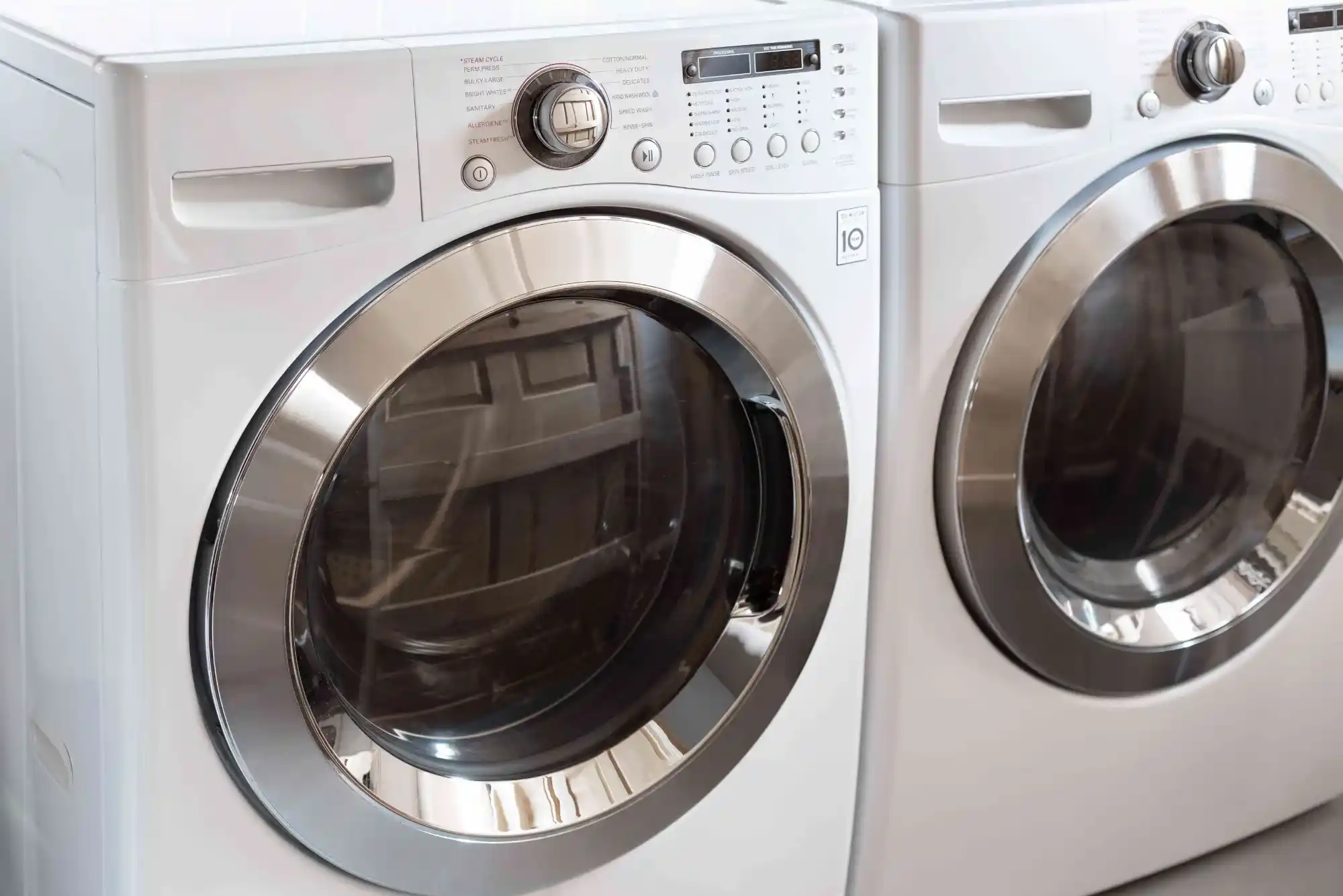
High-efficiency washers are designed with innovation in mind. They rely on advanced sensors, precise water control, and sophisticated drum motion to clean clothes effectively while using less detergent and energy. Compared to traditional top-loading machines, they consume significantly less water, making them a favorite among environmentally conscious consumers. But before embracing the idea of upgrading to one, it’s important to examine how this technology truly performs in real-world conditions.
How High-Efficiency Technology Works
Traditional washers clean by immersing clothes completely in water and agitating them with a central agitator. High-efficiency washers, on the other hand, use a combination of low-water immersion and high-speed tumbling or spinning to remove dirt and stains. Sensors automatically adjust the water level based on the size of the load and the type of fabric. This means each wash cycle is optimized for efficiency.
Another key difference is the use of specialized HE detergent, which produces fewer suds and rinses more effectively. The system’s advanced design also allows better moisture extraction during the spin cycle, reducing drying time and energy usage. Together, these factors contribute to substantial resource savings, making high-efficiency washers both eco-friendly and economical in the long term.
The Advantages of High-Efficiency Washers
The most appealing benefit of a high-efficiency washer is its reduced environmental impact. With increasing global emphasis on sustainability, using less water and electricity aligns perfectly with modern eco-standards. Households that switch to HE washers often notice a measurable drop in utility bills, especially over months of consistent use.
Another advantage is the gentle treatment of fabrics. Because these washers avoid aggressive agitation, clothes experience less wear and tear, extending their lifespan. The precision of water and detergent usage also enhances overall wash quality. High-efficiency washers often feature multiple specialized cycles for different materials such as wool, synthetics, and delicates, allowing for custom care at the touch of a button.

Technological sophistication adds convenience, too. Many modern HE washers are equipped with digital interfaces, smart connectivity, and automatic maintenance alerts. Integration with mobile apps allows users to monitor cycles remotely, receive notifications, and even schedule washes when energy demand is low. This integration of smart technology exemplifies how home appliances are becoming more intuitive and responsive to users’ daily routines.
The Challenges of High-Efficiency Washers
Despite the clear benefits, high-efficiency washers come with certain limitations that homeowners should consider before investing. The first noticeable challenge is cost. These machines generally carry a higher upfront price than traditional models, although their long-term savings often balance the investment.
Another issue is cycle duration. Because HE washers use less water, they compensate by extending cycle times to ensure thorough cleaning. For households with frequent laundry needs, longer cycles can feel inconvenient. Additionally, the need for specific HE detergents means users must avoid standard soaps, which can create excess suds and interfere with the washer’s performance.
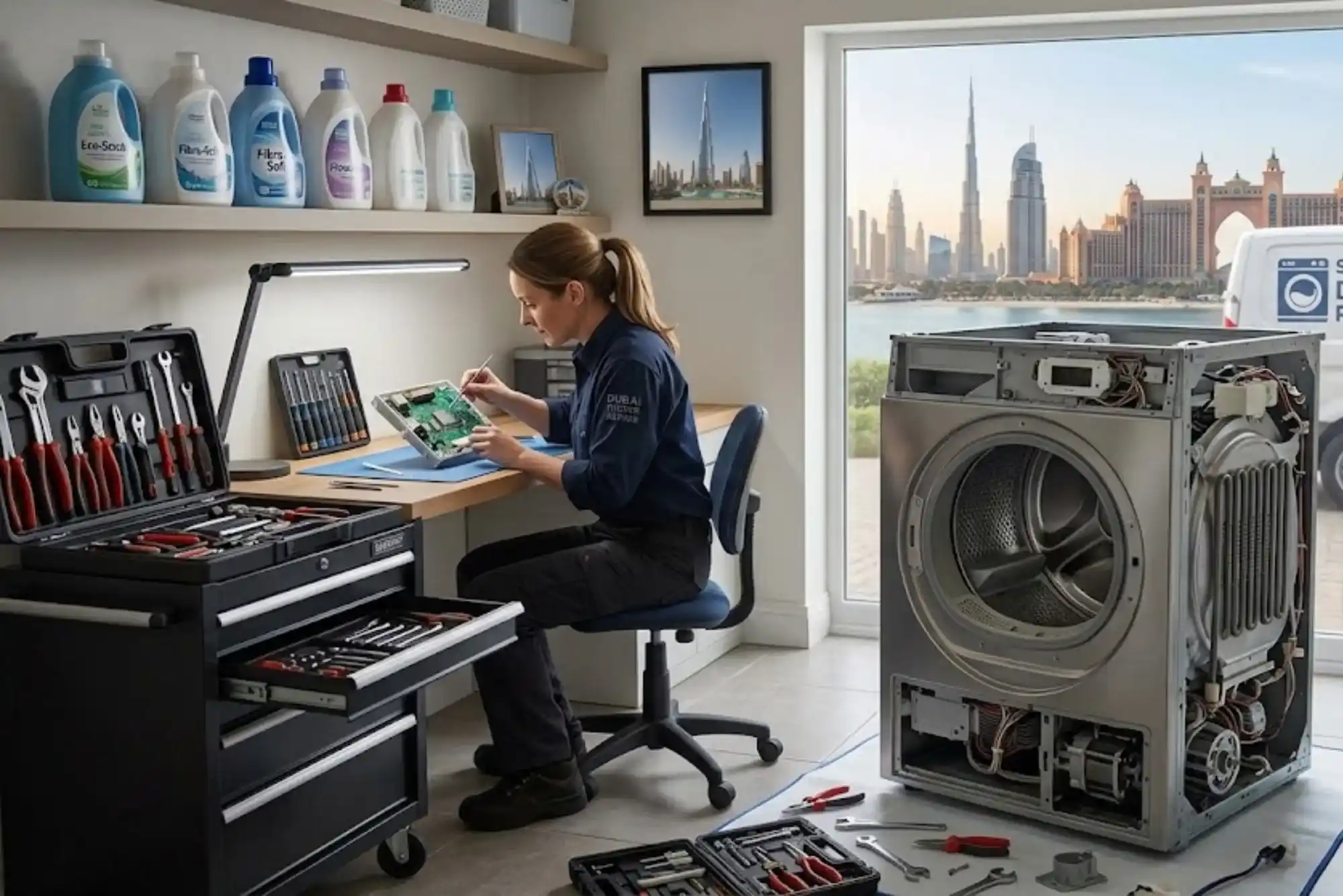
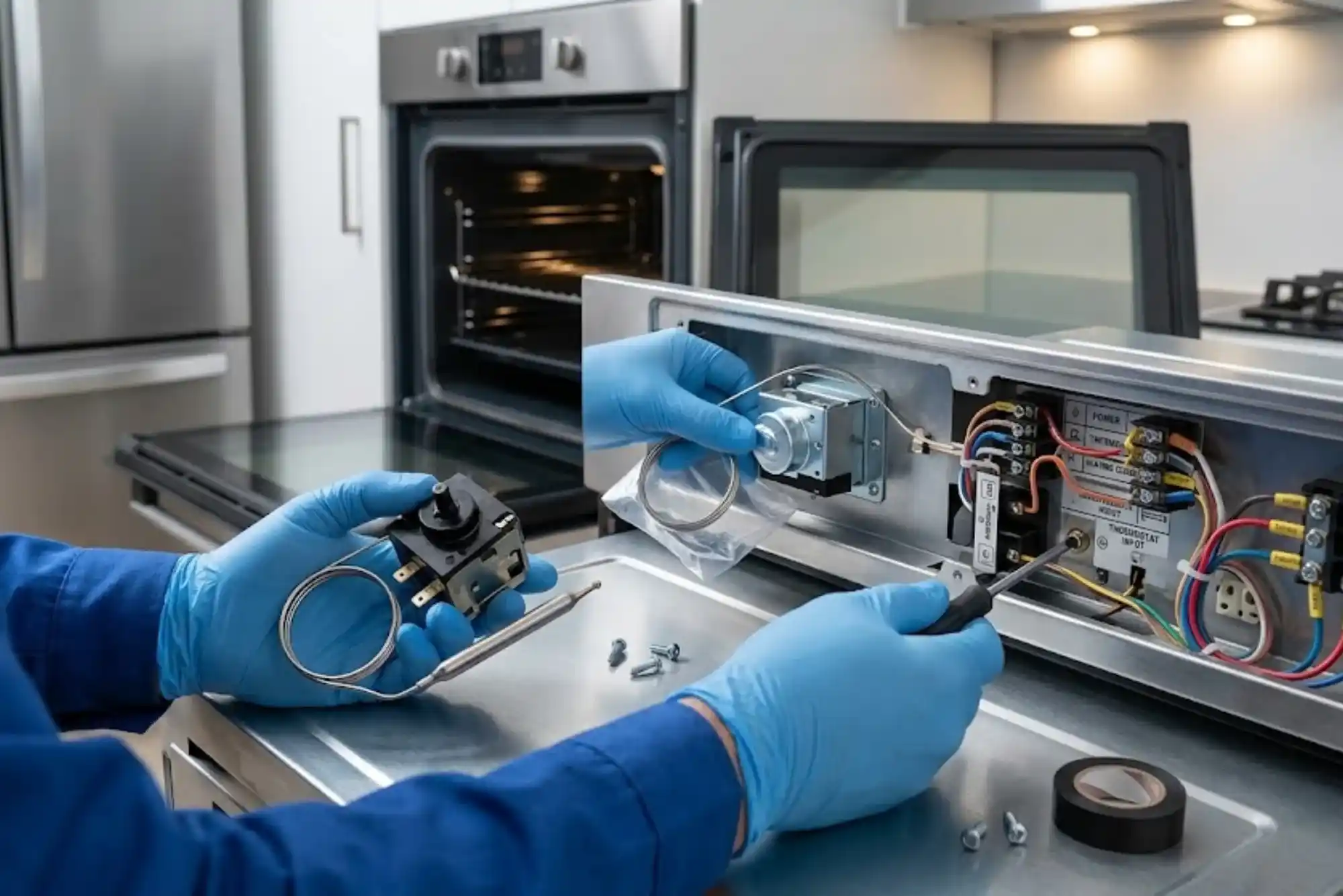
Maintenance is also a key consideration. High-efficiency washers require regular cleaning to prevent mold and odor buildup, especially around rubber seals. Their advanced sensors and components, while efficient, can be more sensitive and may require professional servicing over time. The complexity of their design means DIY repairs are not always feasible, which can increase maintenance costs.
The Balance Between Technology and Practicality
When evaluating high-efficiency washers, the decision often comes down to balancing innovation with practicality. For environmentally conscious users or those living in areas with high water costs, these washers represent a significant advancement. The technology reduces waste and contributes to a sustainable household. However, for families seeking speed and simplicity, the longer cycles and maintenance requirements may seem less appealing.
Manufacturers are continually working to improve this balance. Newer models are addressing earlier drawbacks with faster cycles, improved detergent efficiency, and self-cleaning systems. Many now include adaptive wash technologies that automatically detect load types and optimize every parameter, further bridging the gap between efficiency and convenience.
The Role of Smart Technology in Laundry Evolution
One of the most exciting developments in high-efficiency washing technology is the integration of smart connectivity. Modern washers can now connect to home Wi-Fi networks and sync with mobile devices. This connectivity allows users to start or stop cycles remotely, track maintenance needs, and even receive energy-saving tips based on usage data.
Artificial intelligence is also beginning to influence how washers operate. Some advanced systems analyze previous washing patterns to suggest optimal cycles automatically. Others use machine learning to detect when detergent levels are low and adjust usage accordingly. This seamless interaction between technology and everyday living illustrates how home appliances are evolving beyond basic functionality to become intelligent household companions.
The Future of High-Efficiency Washers
As sustainability becomes a global priority, the demand for high-efficiency washers is expected to grow. Manufacturers are already focusing on creating models that combine speed, power, and eco-efficiency without compromise. Innovations such as heat-pump drying, water recycling, and antimicrobial drum coatings are being introduced to enhance hygiene and reduce waste even further.
In the coming years, the boundary between high-efficiency and traditional washing machines may disappear altogether as efficiency standards become universal. The next generation of washers will likely emphasize modular design, energy optimization, and compatibility with smart home ecosystems. The shift represents not just an upgrade in appliances but a fundamental change in how technology interacts with daily domestic life.
Making an Informed Choice
High-efficiency washers embody the progress of modern appliance technology—smart, sustainable, and forward-thinking. Their ability to conserve water and energy makes them a practical choice for those who value environmental responsibility. At the same time, their longer cycles and maintenance demands remind us that innovation often requires adaptation.
For most homeowners, the decision ultimately depends on balancing priorities: cost, convenience, and ecological impact. Investing in a high-efficiency washer is not just about upgrading a machine; it’s about participating in a broader shift toward sustainable living. As these appliances continue to evolve, they will redefine what efficiency truly means in the context of modern home technology.