A washing machine is one of the most reliable and hardworking appliances in any home, ensuring that laundry is cleaned efficiently and on time. However, when the machine suddenly stops spinning or fails to complete a cycle, one of the first components to suspect is the drive motor. The drive motor is the heart of the washing machine, responsible for converting electrical energy into mechanical power that drives the drum. Over time, due to wear and tear or electrical faults, the motor may stop functioning properly, leading to reduced performance or complete breakdown. Understanding how to replace the drive motor safely and effectively is essential for technicians and homeowners who value proper maintenance and long-term appliance performance.
Replacing a washing machine drive motor requires both technical knowledge and careful handling, as it involves working with electrical systems and mechanical components. Unlike simpler parts, the motor plays a central role in the overall operation, and even a minor mistake during installation can cause further damage. Therefore, preparation and safety are crucial.
Understanding the Role of the Drive Motor
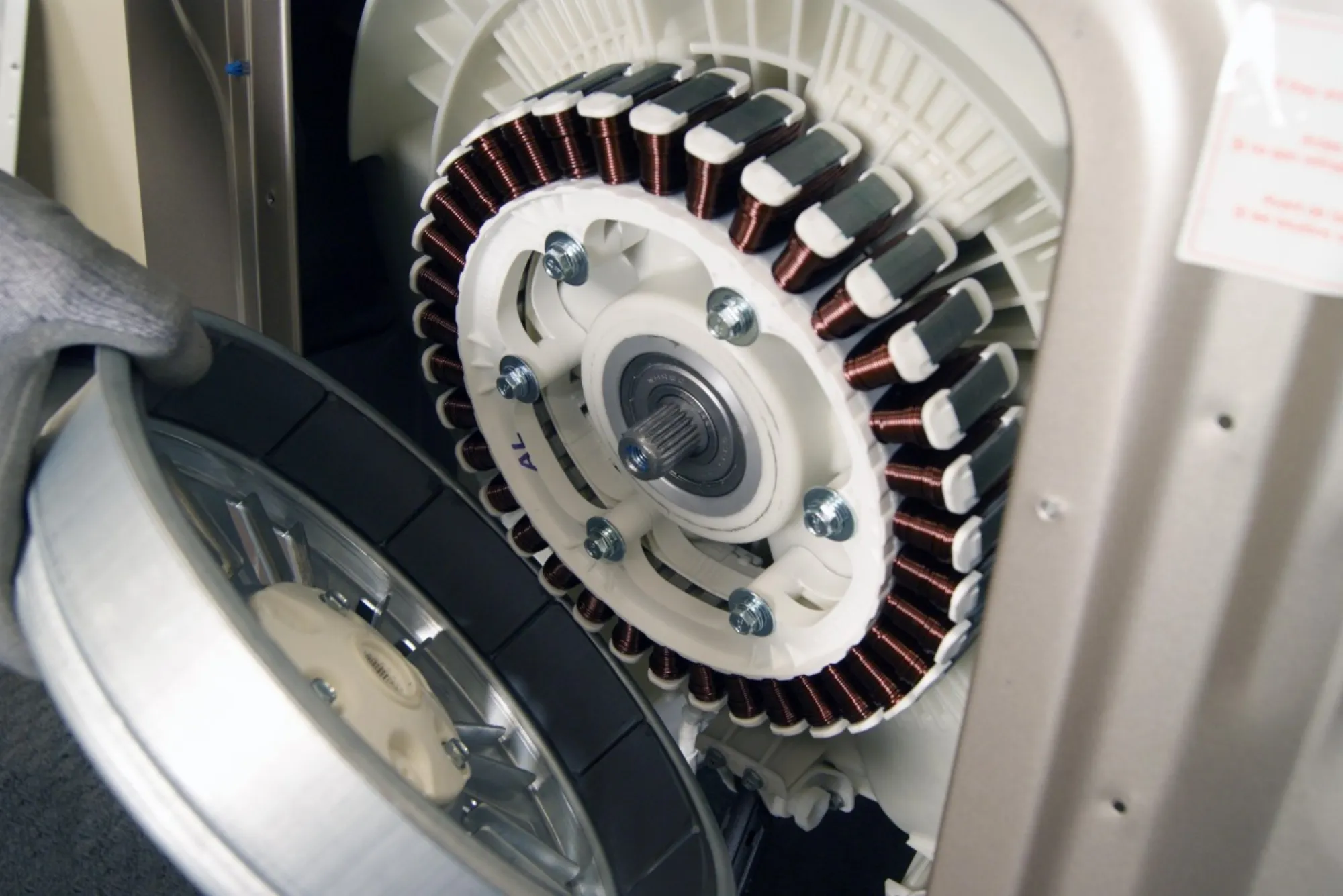
Before attempting to replace the motor, it is important to understand what it does. The drive motor powers the drum, enabling it to agitate and spin the clothes during the washing and rinsing cycles. Depending on the type of machine—front-load or top-load—the motor’s function and connection to the belt or direct drive system may vary. When the motor begins to fail, users might notice unusual noises, slow spinning, or the drum failing to move altogether. In such cases, replacing the motor is usually the most effective solution rather than attempting short-term repairs.
Recognizing When the Drive Motor Needs Replacement
Several signs indicate a faulty washing machine motor. If the machine hums but the drum doesn’t spin, or if the motor smells burnt during operation, it’s a clear signal that the motor windings might be damaged. Some models may also display error codes on the digital panel indicating a motor malfunction. In these situations, simple resets or resets of the control board rarely resolve the problem permanently. Replacing the motor ensures that the washing machine regains its original efficiency and performance.
Preparation Before Replacing the Motor
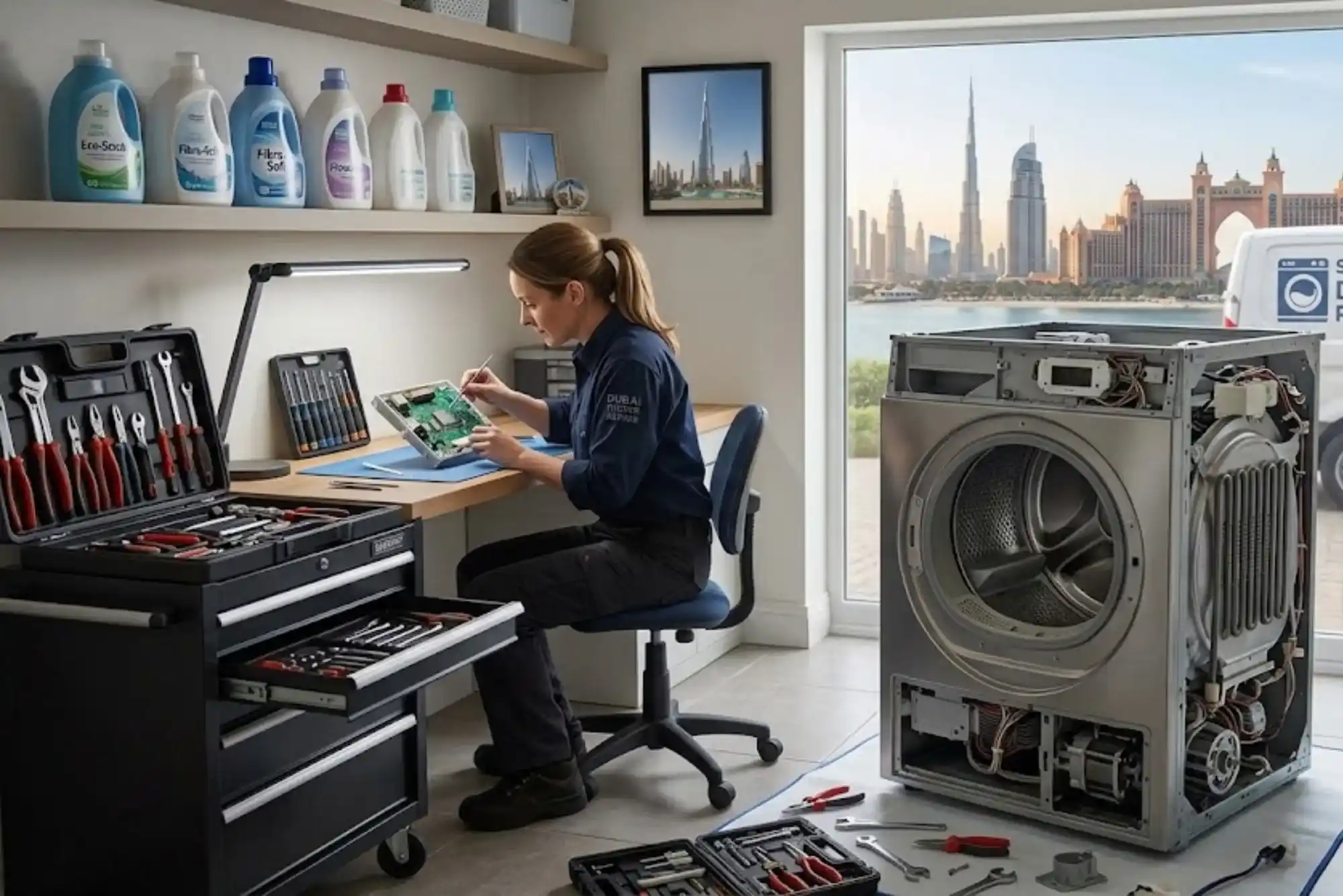
Replacing the drive motor is a technical procedure that should begin with safety. The washing machine must always be disconnected from the electrical supply before any work begins. It should also be moved away from the wall to provide enough space for access. Once the back or bottom panel is removed, the internal components, including the drive belt, pulleys, and motor mount, become visible. The exact layout can vary by manufacturer, but the principle remains the same across most models.
The old motor is typically secured with bolts and connected to the main control harness. Before detaching the old motor, it’s essential to take note of the wiring configuration. Taking photos or labeling wires ensures that the new motor will be connected correctly. Precision at this stage prevents future electrical or operational issues.

Installing the New Drive Motor
Once the faulty motor has been removed, the new one should be positioned in the same orientation and secured tightly to its mount. The wiring harness must be reconnected according to the original configuration. It’s also important to inspect related components such as the motor coupler, drive belt, and pulley system, as these parts often experience wear alongside the motor. If they appear damaged, replacing them at the same time prevents future complications.
After reassembly, the washing machine should be tested carefully. Plugging it back in and running a short wash or spin cycle will reveal whether the new motor is functioning correctly. The drum should move smoothly, and there should be no burning smell or unusual vibrations. If the machine operates normally, the replacement has been successful.
The Importance of Professional Assistance
Although replacing a washing machine drive motor may sound straightforward in theory, it involves multiple steps that demand technical skill. Incorrect installation can lead to electrical hazards, misalignment, or even short-circuiting. For this reason, many homeowners choose to rely on professional technicians who are trained to handle such repairs. Experienced specialists not only replace the motor but also inspect other parts of the appliance, ensuring it runs efficiently.
Professional service providers have access to the correct tools, original replacement parts, and diagnostic equipment to identify hidden issues. They also follow strict safety protocols, ensuring that the washing machine’s electrical integrity remains intact. For those unfamiliar with mechanical and electrical systems, professional repair is the safest and most cost-effective approach.
Ensuring Long-Term Performance After Replacement
Once the new motor is installed, proper care helps extend its lifespan. Avoid overloading the washing machine, as excessive weight strains the motor and related components. Regular maintenance, including checking the belt tension and keeping the motor area clean, ensures smooth operation. It’s also wise to use stable electrical outlets and avoid sudden power fluctuations, which can harm the new motor’s windings over time.
Monitoring performance after installation is equally important. If the machine continues to make strange noises or struggles to spin, it may indicate that another part of the system needs adjustment. Immediate attention to small irregularities prevents more serious damage.
Why Drive Motor Replacement Improves Efficiency
A well-functioning drive motor doesn’t just restore washing performance—it improves energy efficiency. When motors age, they draw more current while producing less torque, leading to higher energy consumption and slower cycles. By replacing a failing motor, the appliance operates more smoothly and completes cycles faster, ultimately reducing electricity usage. For households that rely heavily on their washing machines, especially in busy urban settings, this difference can be significant.
In addition, a new motor reduces stress on other mechanical parts like bearings and belts, contributing to overall durability. Investing in timely replacement rather than repeated temporary repairs saves both time and money in the long run.
Restoring Performance with Care
Replacing a washing machine drive motor is a delicate but rewarding process that restores the appliance’s power and efficiency. While the task involves technical complexity, careful preparation, and attention to detail, it ensures that the washing machine continues to perform reliably for years.
Whether performed by a skilled technician or an experienced individual, the key is precision and safety. Disconnecting power, properly installing the new motor, and testing for smooth operation are all essential steps. For those without prior repair experience, professional help remains the best option to ensure proper installation and long-term reliability.
Ultimately, the drive motor is the engine that powers every washing cycle. Replacing it when necessary not only revives your appliance but also enhances its efficiency and safety. With proper handling and care, your washing machine can continue to deliver consistent, powerful performance, making everyday chores easier and more efficient.