A refrigerator is one of the most essential household appliances. It quietly works every day to keep food fresh, beverages cool, and produce safe for consumption. When it stops maintaining the right temperature, the problem quickly becomes noticeable. Food may spoil faster, milk might curdle overnight, and vegetables can wilt sooner than expected. Beyond inconvenience, temperature instability can lead to waste and safety concerns. Understanding why a fridge fails to maintain temperature is essential for preventing further damage and restoring optimal performance.
Modern refrigerators are complex machines with a combination of mechanical and electronic components. Each part—from the compressor and thermostat to the evaporator and sensors—plays a vital role in regulating temperature. When any of these parts malfunction, the refrigerator’s cooling balance is disrupted. There are many possible causes behind the issue, and identifying the correct one requires patience, observation, and sometimes professional intervention.
The Importance of Consistent Cooling
The refrigerator’s primary purpose is to maintain a stable environment where perishable items remain fresh for longer periods. Consistent temperature prevents bacterial growth, ensures food safety, and helps maintain flavor and texture. When the fridge begins to fluctuate between warm and cold temperatures, it disrupts this delicate balance. The appliance may start working harder to compensate, consuming more electricity and wearing out its internal components.
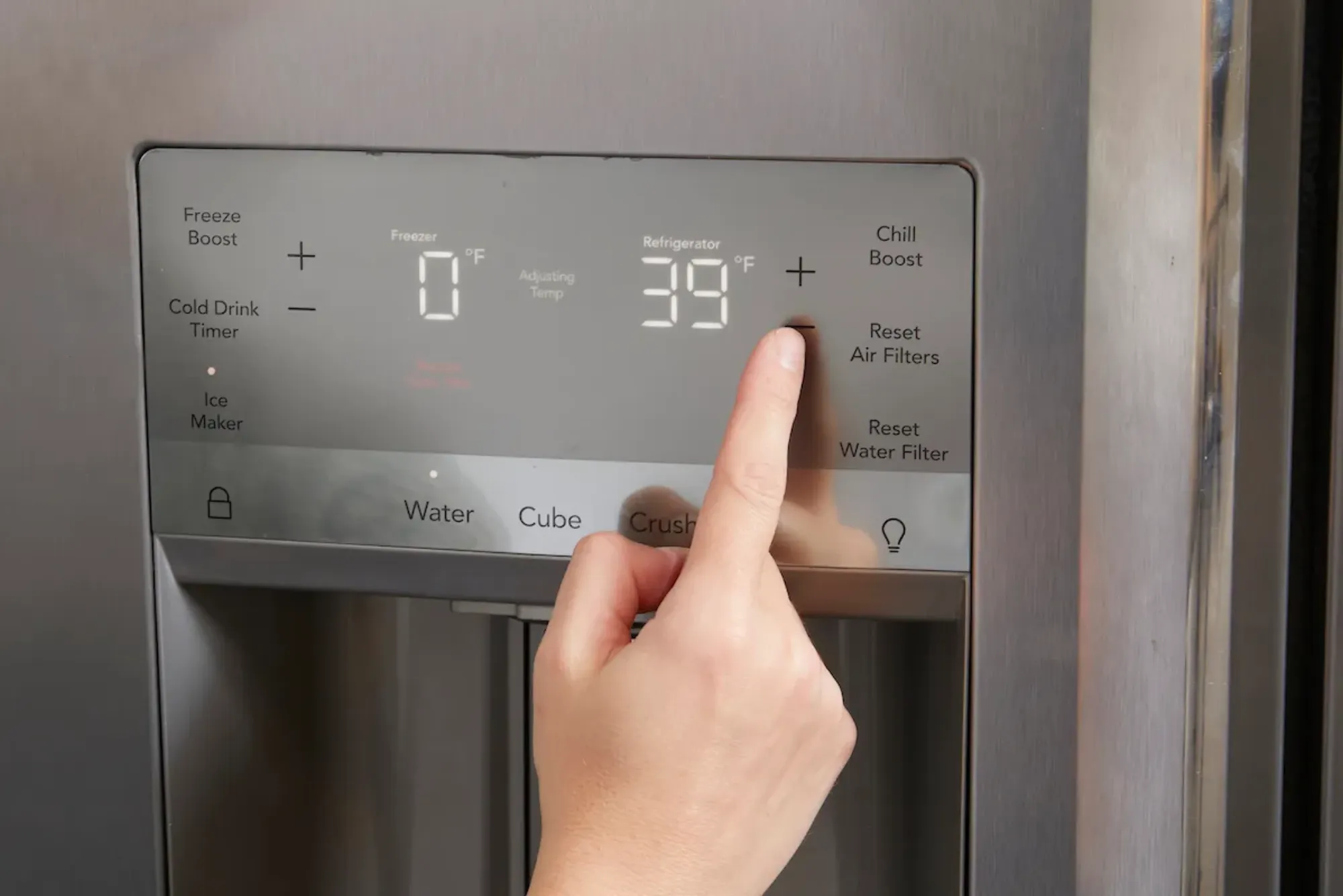
For most households, the optimal fridge temperature should stay between three and five degrees Celsius. Freezers should remain at about minus eighteen degrees Celsius. If temperatures go above these levels, ice may melt and perishable food will quickly deteriorate. Prolonged temperature problems can even damage the fridge’s compressor, leading to expensive repairs.
Understanding How the Cooling System Works
Refrigerators maintain their temperature using a cycle that involves refrigerant, compression, and heat exchange. The compressor pumps refrigerant through coils, which absorb heat from inside the fridge and release it outside. This cycle repeats continuously to maintain cool air circulation. When sensors or thermostats detect that the internal temperature has risen, the compressor activates automatically to bring it back down.
Any disruption in this process affects the overall cooling efficiency. A blocked airflow, dirty condenser coils, or malfunctioning thermostat can all prevent the fridge from staying cold. In modern units, electronic control boards manage these operations. A minor error in one of these systems can lead to temperature inconsistencies that are not immediately visible but affect performance over time.

Common Reasons Behind Temperature Problems
When a refrigerator is not maintaining temperature, one of the most frequent causes is dirty or clogged condenser coils. These coils are responsible for releasing heat, and when they accumulate dust or debris, they cannot perform effectively. The compressor must then work harder to cool the fridge, eventually leading to uneven temperature distribution.
Another common cause is a faulty door seal. If the door does not close tightly, cold air escapes while warm air enters. This constant exchange of air disrupts the cooling balance. A damaged or worn-out gasket around the door frame can easily go unnoticed but has a major impact on energy efficiency and temperature regulation.
Temperature control issues can also arise from problems with the thermostat or sensors. If the thermostat fails to detect the correct internal temperature, it may not activate the cooling cycle when necessary. In some cases, the evaporator fan or the air damper that circulates cold air between the freezer and fridge compartments might malfunction, causing one section to become colder than the other.
Electrical issues or a failing compressor can also lead to poor temperature maintenance. Since the compressor is the heart of the cooling system, any defect in it can prevent the refrigerant from flowing properly. This kind of problem usually requires expert diagnosis and repair.
Signs That Indicate a Temperature Issue
The most obvious sign that a refrigerator is not maintaining temperature is when food spoils before its expected shelf life. Ice cream may soften, milk may sour, or water bottles may no longer feel cold. Another sign is frost buildup inside the freezer or condensation on food containers. Sometimes, the motor runs constantly without stopping, or the fridge cycles on and off too frequently.
These signs suggest that something inside the cooling system is not functioning as it should. Ignoring them can worsen the problem, leading to more severe damage and higher repair costs. Observing the performance of your fridge regularly helps identify issues before they escalate.
The Role of Professional Diagnosis
While some temperature issues can be caused by minor maintenance oversights, others stem from deeper mechanical or electrical faults. Attempting to repair these problems without proper training can be risky and may lead to further damage. A professional technician uses specialized tools to measure temperature accuracy, check refrigerant levels, and inspect components such as sensors, fans, and control boards.
Professionals are trained to identify the exact source of the problem, ensuring that the repair is both safe and effective. They also ensure that any replaced components are compatible with the appliance model. Regular servicing and inspections by qualified experts help maintain the fridge’s performance and extend its lifespan.
Why Timely Maintenance Matters
Neglecting temperature issues can lead to irreversible damage. When a fridge struggles to maintain its set temperature, the compressor and other parts are forced to work harder. Over time, this extra strain shortens their lifespan and increases the risk of complete breakdown. Early intervention not only prevents costly repairs but also improves energy efficiency.
Routine maintenance tasks such as cleaning coils, checking door seals, and ensuring proper airflow can make a significant difference. Even simple steps like not overloading the fridge or allowing space for ventilation between stored items can help maintain even cooling. Preventive care is far more cost-effective than emergency repairs.
The Connection Between Environment and Performance
Sometimes, the fridge’s surrounding environment affects its temperature stability. Placing it near a heat source, such as an oven or direct sunlight, forces it to work harder to stay cool. Similarly, poor ventilation around the back or sides of the unit can trap heat, reducing efficiency.
Room temperature also plays a role. In extremely hot conditions, the fridge’s internal sensors may struggle to maintain optimal cooling. Ensuring proper placement and adequate airflow around the appliance helps it operate more efficiently and consistently.
Energy Efficiency and Temperature Stability
A refrigerator that maintains a stable temperature uses less energy. When the appliance constantly adjusts to compensate for fluctuations, it consumes more electricity. Modern fridges are designed to balance performance and energy consumption, but this balance is disrupted when internal components are dirty or malfunctioning.
Maintaining efficiency is not just about saving energy costs; it is also about sustainability. Properly maintained appliances contribute to lower environmental impact and longer service life. By ensuring consistent temperature control, homeowners not only preserve food better but also contribute to responsible energy use.
Restoring Performance Through Professional Service
When a refrigerator cannot maintain temperature despite basic cleaning and care, professional repair becomes the best solution. Trained technicians can identify whether the issue lies in the compressor, control board, fan, or thermostat. They can also recalibrate sensors and replace worn components safely.
A professional repair service ensures that the refrigerator operates within its designed parameters. The result is consistent cooling, improved energy efficiency, and extended appliance life. Homeowners benefit from restored confidence that their food will stay fresh and their appliance will perform reliably.
Conclusion
A fridge not maintaining temperature is a clear indication that something is wrong within the cooling system. It can stem from minor maintenance issues or more complex mechanical faults. Understanding how the system works, recognizing the warning signs, and addressing problems promptly are essential steps toward preserving both food quality and appliance health.
While regular care helps prevent many issues, professional attention is often required to restore performance fully. With timely servicing, proper usage, and awareness of environmental factors, a refrigerator can continue to operate efficiently for many years. Consistent temperature control not only keeps food safe but also ensures the appliance remains an energy-efficient and reliable part of everyday life.