A refrigerator is one of the most vital appliances in any home, silently working to preserve food and maintain freshness. Its efficiency depends on several interconnected components that regulate temperature and cooling cycles. Among these, the temperature sensor plays a critical role. When this small but essential part fails, it disrupts the refrigerator’s ability to maintain a consistent temperature, often leading to food spoilage or freezing problems. Understanding how a temperature sensor works, what causes it to malfunction, and how to replace it correctly is important for both homeowners and technicians.
Modern refrigerators use digital control systems that depend heavily on accurate readings from temperature sensors. These sensors constantly monitor the internal temperature and send data to the control board, which adjusts the compressor and fans to maintain the desired cooling level. When the sensor fails or becomes inaccurate, the refrigerator may overcool or fail to cool at all. Recognizing the signs early and performing a timely replacement ensures the appliance continues to operate efficiently and prevents energy waste.
Understanding the Function of a Fridge Temperature Sensor
The temperature sensor, sometimes referred to as a thermistor, is responsible for detecting the internal temperature of the fridge and freezer compartments. It converts temperature changes into electrical signals that the control board interprets. This process allows the refrigerator to maintain an even and accurate temperature, adapting its cooling cycles as needed.
When the sensor is functioning properly, the refrigerator maintains the correct balance between energy efficiency and consistent cooling. However, when the sensor becomes faulty, it can send incorrect signals to the control system. This results in temperature fluctuations, over-freezing, or insufficient cooling. The compressor may run continuously or fail to start, causing food to spoil faster.
Common Reasons for Sensor Failure
Like most electronic components, temperature sensors can deteriorate over time. Regular wear, exposure to moisture, and temperature changes can affect their sensitivity. In some cases, manufacturing defects or power surges may also cause failure. Poor maintenance practices, such as ignoring frost buildup or dirt accumulation inside the fridge, can lead to further damage.
Another common reason for sensor issues is physical damage during cleaning or repairs. Because the sensor is usually located inside the fridge wall or behind protective panels, mishandling can easily break its wiring or insulation. Once a sensor is damaged, replacement is the only way to restore full functionality.

Signs of a Faulty Temperature Sensor
There are several signs that may indicate the refrigerator temperature sensor needs replacement. If the fridge runs continuously without shutting off, even after reaching the set temperature, it could mean that the sensor is sending incorrect signals. Similarly, if the fridge does not cool properly or freezes everything inside, this also points to a malfunctioning sensor.
Sometimes, the control panel may display error codes related to temperature inconsistencies. In other cases, frost buildup in unusual areas or uneven cooling between shelves may appear. These symptoms often confuse users, but professional technicians can quickly identify whether the issue lies with the sensor or another component.
Importance of Accurate Diagnosis
Before replacing the temperature sensor, it is crucial to confirm that it is indeed the cause of the problem. Other parts, such as the control board, compressor, or evaporator fan, may exhibit similar symptoms when they fail. Accurate diagnosis prevents unnecessary replacement of functional components.
Technicians use specialized tools such as multimeters to measure resistance levels in the sensor. By comparing the readings with manufacturer specifications, they can determine whether the sensor is defective. Proper diagnosis saves both time and money, ensuring the correct issue is addressed the first time.
The Process of Replacing a Temperature Sensor
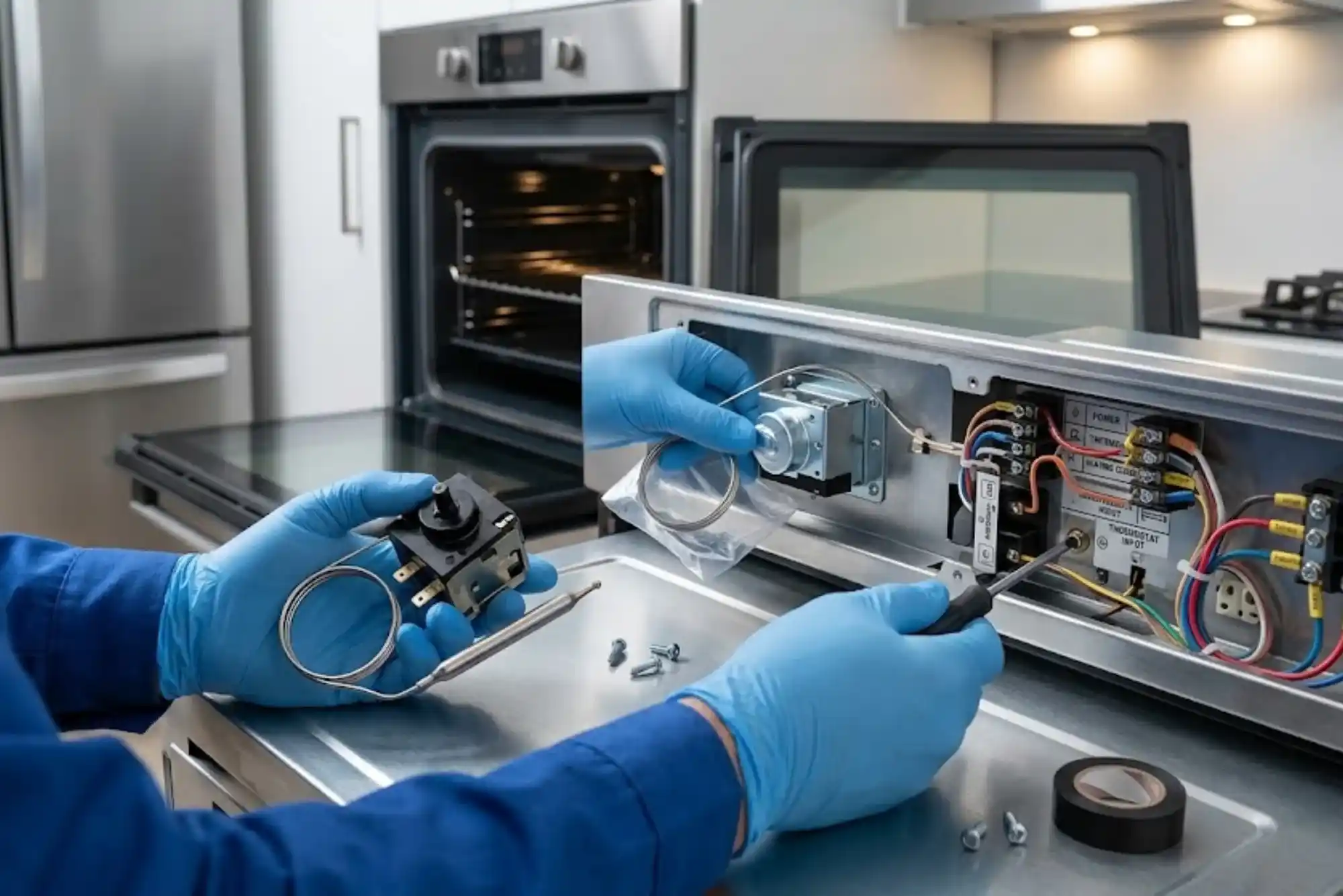
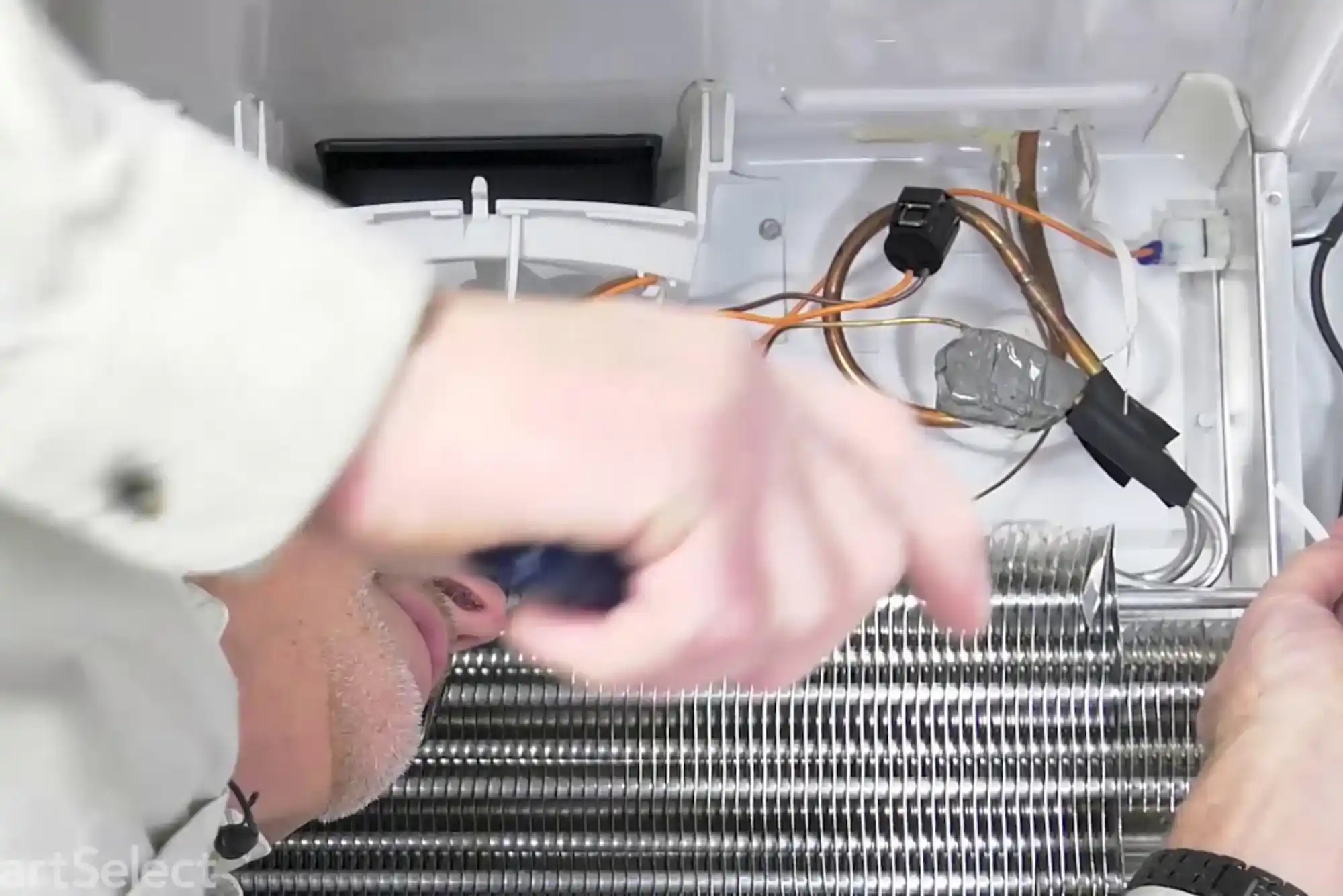
Replacing a fridge temperature sensor is a delicate process that requires precision and attention to safety. The refrigerator must be unplugged before any internal components are accessed to prevent electrical hazards. The sensor is usually connected to the main control board through insulated wiring. Technicians locate it inside the fridge or freezer section, often near the evaporator coils or behind the inner liner.
The defective sensor is disconnected carefully, and the new one is installed following manufacturer guidelines. It must be positioned correctly to ensure it measures temperature accurately. Any incorrect placement can lead to poor readings and continued cooling problems. After installation, the fridge is reassembled, powered on, and tested to confirm that the temperature cycles are functioning properly.
Why Professional Help is Recommended
While some appliance owners may consider replacing the sensor themselves, professional service is highly recommended. Refrigerators involve both electrical and refrigerant systems that require technical expertise. Mishandling even a small component can cause further damage or compromise safety. Certified technicians have the necessary tools and experience to perform the replacement correctly and efficiently.
Professional repair services also ensure that genuine parts are used. Generic or incompatible sensors can cause irregular performance or void manufacturer warranties. By choosing a qualified technician, homeowners gain confidence that their appliance will be repaired to original standards and continue running smoothly.
How Regular Maintenance Prevents Sensor Failure
Preventive maintenance is one of the best ways to avoid temperature sensor problems. Keeping the interior clean, avoiding frost buildup, and ensuring proper airflow inside the fridge help reduce strain on sensors. Periodic professional inspections can detect minor faults early before they lead to major failures.
Regular servicing also helps maintain other components such as fans, coils, and thermostats, which all work in harmony with the sensor. A well-maintained refrigerator not only performs better but also consumes less energy, resulting in lower utility bills and longer lifespan.
Cost Considerations for Sensor Replacement
The cost of replacing a fridge temperature sensor can vary depending on the brand, model, and accessibility of the sensor. For basic models, replacement costs are generally affordable, while more advanced units with digital controls may require higher investment.
However, compared to the price of replacing the entire refrigerator, sensor replacement remains a cost-effective solution. Professional technicians can provide accurate estimates after inspection, ensuring that customers understand the value of timely repair. Investing in repair rather than replacement not only saves money but also reduces waste and supports sustainability.
The Role of Advanced Technology in Modern Fridges
Today’s refrigerators are equipped with smart sensors that offer precise temperature management and energy optimization. These modern systems rely heavily on accurate sensor feedback to adjust cooling patterns automatically. With technological advancements, sensors have become more reliable, but they still require maintenance and occasional replacement over time.
Replacing a temperature sensor in a modern fridge often involves updating firmware or recalibrating the control system. This is another reason why expert technicians are essential. They possess the knowledge and equipment to synchronize all systems, ensuring seamless communication between the new sensor and the control board.
Why Timely Replacement Matters
Delaying the replacement of a faulty temperature sensor can have lasting consequences. Food safety is compromised when the refrigerator fails to maintain the correct temperature. Over time, the compressor and other components may overwork to compensate for inaccurate readings, leading to higher energy consumption and potential damage to other parts.
Timely sensor replacement ensures that the refrigerator operates efficiently, preserves food quality, and maintains safe storage conditions. It also prevents additional repair costs and extends the appliance’s lifespan. Taking quick action when performance issues appear is always the best approach for homeowners.
Conclusion
The refrigerator temperature sensor is a small yet crucial component that ensures consistent cooling performance and food safety. When it malfunctions, the entire system suffers, resulting in temperature fluctuations and energy inefficiency. Understanding the signs of failure, recognizing the importance of accurate diagnosis, and seeking timely replacement are essential steps to keeping the refrigerator in peak condition.
Replacing a fridge temperature sensor is not just a technical task but a preventive measure that enhances the appliance’s reliability and efficiency. Professional service ensures that the job is performed safely and accurately, restoring balance to the cooling system. With regular maintenance and expert care, refrigerators can continue to perform efficiently for many years, providing comfort, convenience, and reliability in every home.