Air conditioning systems have become essential for maintaining comfort in homes and workplaces, especially in regions with extreme temperatures. A key element that ensures the effective functioning of any air conditioning system is its refrigerant. Refrigerant is the medium responsible for absorbing heat from indoor air and releasing it outside, allowing the AC unit to cool the environment efficiently. Over time, however, refrigerant levels can drop due to leaks, evaporation, or natural depletion, which directly affects the performance of the system. This is where professional AC refrigerant top-up service becomes critical to maintaining cooling efficiency and preventing costly breakdowns.
An AC refrigerant top-up service involves checking the refrigerant level, identifying potential leaks, and replenishing the system with the appropriate type of refrigerant. This service requires technical expertise because incorrect handling of refrigerants can be dangerous and may damage the AC system. Certified technicians are trained to handle refrigerants safely while ensuring the unit operates optimally.
Importance of Maintaining Proper Refrigerant Levels
Refrigerant levels are directly linked to the cooling efficiency of an AC system. Low refrigerant levels can cause the compressor to overwork, resulting in higher energy consumption, increased wear and tear, and reduced cooling performance. In extreme cases, insufficient refrigerant can cause the compressor to fail, which is one of the most expensive components to replace in an air conditioning system.
Maintaining proper refrigerant levels through regular top-ups not only ensures consistent cooling but also improves energy efficiency. A system with adequate refrigerant consumes less electricity, reduces utility bills, and minimizes the environmental impact of excessive energy usage. Proper refrigerant maintenance also extends the life of the AC unit, reducing the likelihood of frequent repairs.
Signs That Your AC Requires a Refrigerant Top-Up
There are several indicators that suggest an AC unit may need a refrigerant top-up. A noticeable decrease in cooling efficiency is one of the most common signs. If the system takes longer to cool a room or the temperature fails to reach the desired level, it may indicate low refrigerant.
Other signs include unusual hissing or bubbling sounds coming from the AC unit, ice formation on the evaporator coil, and higher-than-usual electricity bills. Professional technicians conducting an AC refrigerant top-up service are able to diagnose these signs accurately, measure the exact refrigerant levels, and determine if a top-up or leak repair is required.

The Process of AC Refrigerant Top-Up
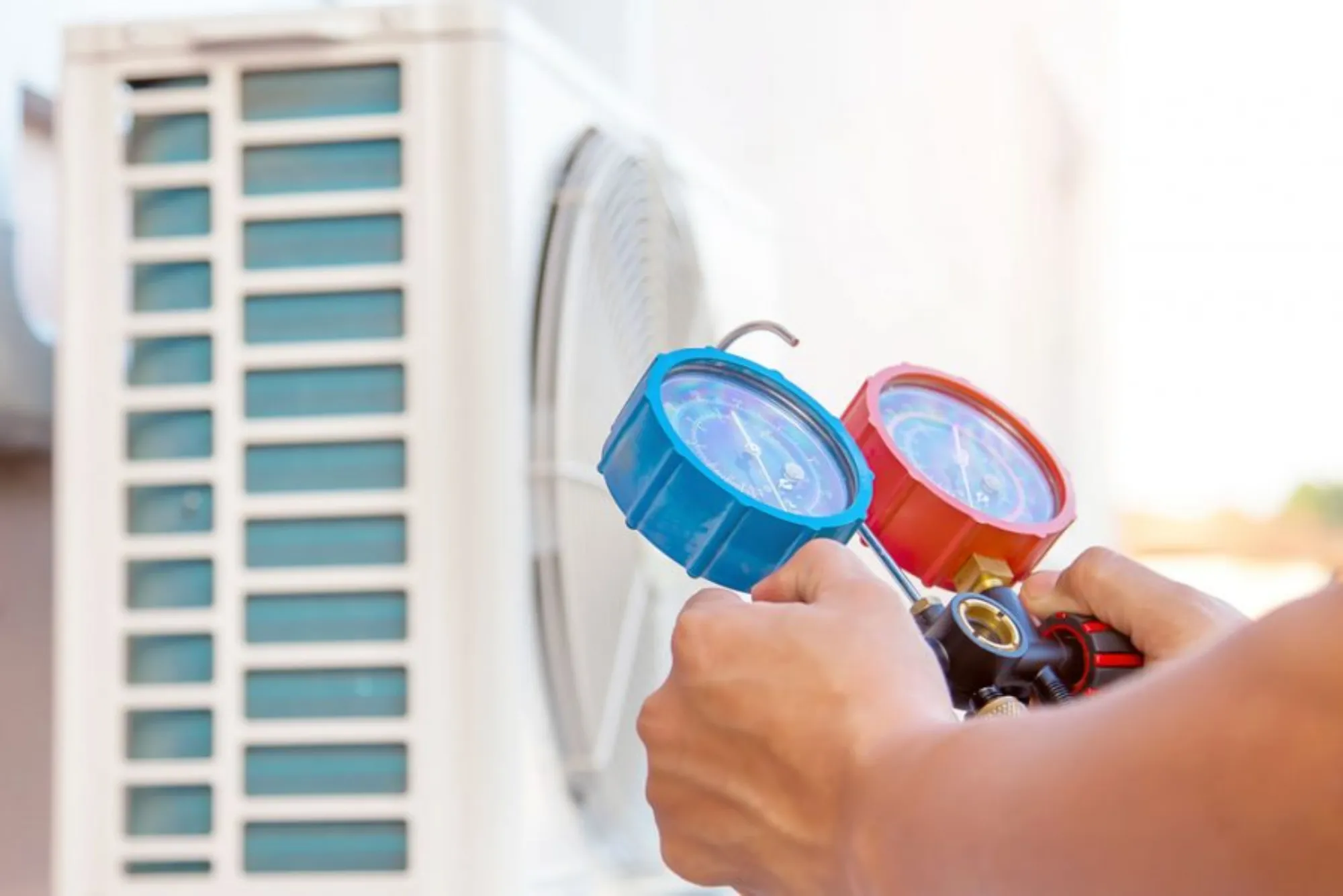
The process begins with a thorough inspection of the air conditioning system. Technicians check for leaks, measure refrigerant pressure, and assess overall system performance. Identifying leaks is an important step because topping up refrigerant without fixing leaks is a temporary solution that can lead to recurring problems.
Once the system is inspected, the technician selects the appropriate type of refrigerant compatible with the AC unit. Different systems require different refrigerants, and using the wrong type can result in system damage. The refrigerant is then carefully introduced into the system using specialized equipment, ensuring that the pressure and levels are precisely calibrated. After the top-up, the technician tests the AC unit to confirm that cooling efficiency has been restored and that the system is operating safely.
Safety Considerations During Refrigerant Top-Up
Handling refrigerants requires strict adherence to safety protocols. Refrigerants are chemicals that can be hazardous if inhaled or improperly handled. Professional technicians wear protective equipment and use calibrated instruments to manage refrigerant levels accurately.
In addition to personal safety, technicians also ensure that the AC system itself is not damaged during the top-up. Overcharging or undercharging the system can lead to compressor failure, reduced cooling efficiency, and increased wear and tear. A well-executed AC refrigerant top-up service guarantees safe and efficient operation, preserving the life of the unit and maintaining indoor comfort.
Benefits of Professional Refrigerant Top-Up
Professional AC refrigerant top-up services provide multiple benefits beyond just restoring cooling. Proper refrigerant levels improve overall system efficiency, reduce energy consumption, and prevent excessive strain on the compressor and other components. Regular maintenance through refrigerant top-ups also helps detect leaks early, preventing more serious issues that could lead to costly repairs.
Professional services ensure that the refrigerant is handled responsibly, reducing the risk of environmental damage. Modern refrigerants are designed to be eco-friendly, but mishandling them can release harmful gases into the atmosphere. Certified technicians are trained in safe handling procedures and follow environmental regulations to minimize impact.
Extending the Lifespan of Your AC
Regular AC refrigerant top-ups contribute significantly to the longevity of the air conditioning system. When refrigerant levels are maintained at optimal levels, the compressor operates smoothly without overworking, reducing mechanical stress and preventing premature failure. A system that receives regular attention is less likely to encounter major malfunctions, ensuring consistent performance and comfort over the years.
Investing in professional top-up services also protects other components of the AC system, such as coils, fans, and valves. Adequate refrigerant levels prevent ice formation on coils and avoid unnecessary strain on electrical components, all of which contribute to extended system life.
Environmental Responsibility and Refrigerant Handling
Environmental considerations are increasingly important in air conditioning maintenance. Refrigerants can have a significant impact on the environment if released improperly. Professional technicians ensure that refrigerant top-ups are conducted responsibly, capturing and recycling gases where necessary and complying with environmental regulations.
Using the correct refrigerant type also prevents environmental harm. Older refrigerants can be harmful to the ozone layer, while modern alternatives are designed to minimize ecological impact. A responsible AC refrigerant top-up service combines efficiency, safety, and environmental responsibility.
Choosing a Reliable AC Refrigerant Top-Up Service
Selecting a qualified and experienced service provider is essential for ensuring a successful refrigerant top-up. Experienced technicians understand the technical intricacies of different AC systems and follow precise procedures to maintain system integrity. They are equipped to identify potential issues such as leaks, faulty valves, and pressure irregularities before performing the top-up.
Working with a professional service ensures that your AC system is handled with expertise, safety, and care. Regular professional maintenance through refrigerant top-ups not only restores cooling efficiency but also minimizes unexpected breakdowns and prolongs the lifespan of the system.
Maintaining Optimal AC Performance
AC refrigerant top-up service is a critical aspect of maintaining efficient and reliable air conditioning. Proper refrigerant levels ensure consistent cooling, energy efficiency, system longevity, and environmental responsibility. Recognizing early signs of refrigerant depletion and seeking professional services prevent costly repairs and maintain comfort in homes and workplaces.
Professional AC refrigerant top-up services combine technical expertise, safety protocols, and precision handling to ensure that the system operates at peak performance. By investing in regular maintenance and top-ups, homeowners and businesses can enjoy uninterrupted cooling, lower energy consumption, and longer equipment life. Maintaining an AC unit through timely refrigerant management is an essential step in safeguarding comfort and efficiency, making it a wise and responsible choice for every property.