A washing machine that refuses to drain water can disrupt daily routines, lead to unpleasant odors, and even cause damage to the appliance if left unresolved. Identifying the cause and implementing an effective washer not draining water solution is crucial for homeowners who rely on their washing machines for clean clothes and hassle-free laundry. This guide explores the common causes of drainage issues, practical solutions, preventive measures, and when to seek professional help, ensuring your washing machine operates efficiently for years to come.
Common Causes of Washer Not Draining Water
Understanding why a washing machine fails to drain is the first step toward a solution. Several factors can prevent water from leaving the drum during a wash cycle. A clogged drain hose, malfunctioning pump, defective lid or door switch, and electrical problems are among the most frequent reasons. Each cause requires specific attention, as the solution depends on identifying the root of the problem. Ignoring drainage issues can lead to further complications, including mold growth, water damage, and costly repairs.
One common reason is debris blockage. Over time, small clothing items, lint, detergent residue, or coins can accumulate in the drain pump or hose, obstructing water flow. Similarly, kinks or bends in the drain hose can restrict water movement, causing it to remain in the drum. Understanding these possibilities helps homeowners approach the problem methodically, reducing guesswork and avoiding unnecessary expenses.
How the Drain Pump Affects Water Removal
The drain pump is a key component in any washing machine, responsible for expelling water from the drum after washing and rinsing cycles. When a washer fails to drain, the pump is often the culprit. Symptoms of a failing pump include partial water removal, unusual noises during the drain cycle, or complete failure to remove water.
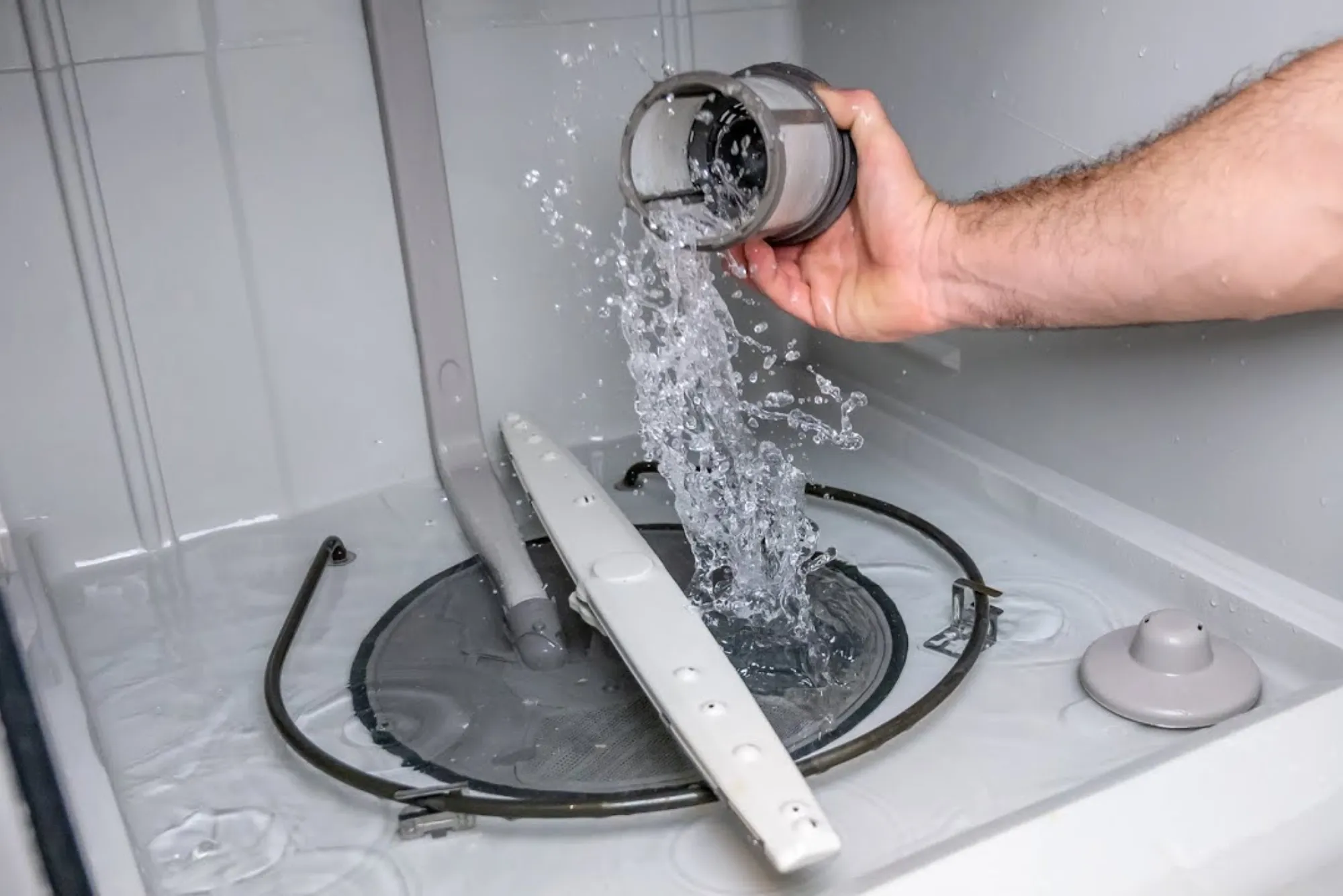
Sometimes, the pump is not defective but blocked. Objects like small socks, hairpins, or detergent buildup can jam the pump impeller, preventing it from functioning correctly. Cleaning the pump and ensuring it is free from obstruction can often restore proper operation. In more severe cases, replacement may be necessary, and using the correct pump for your washer model is crucial to maintaining performance and safety.
Inspecting and Maintaining the Drain Hose
The drain hose plays a critical role in ensuring water exits the washer efficiently. A bent, clogged, or improperly positioned hose can prevent drainage, leading to standing water in the drum. Regular inspection of the hose is part of an effective washer not draining water solution.

Homeowners should check for any visible kinks or clogs, and ensure the hose is securely attached to both the washer and household drainage system. In some cases, flushing the hose with warm water can remove minor blockages, while in other instances, replacement may be required. Proper hose installation, including ensuring the correct height and angle, is essential for smooth water flow.
The Importance of the Lid or Door Switch
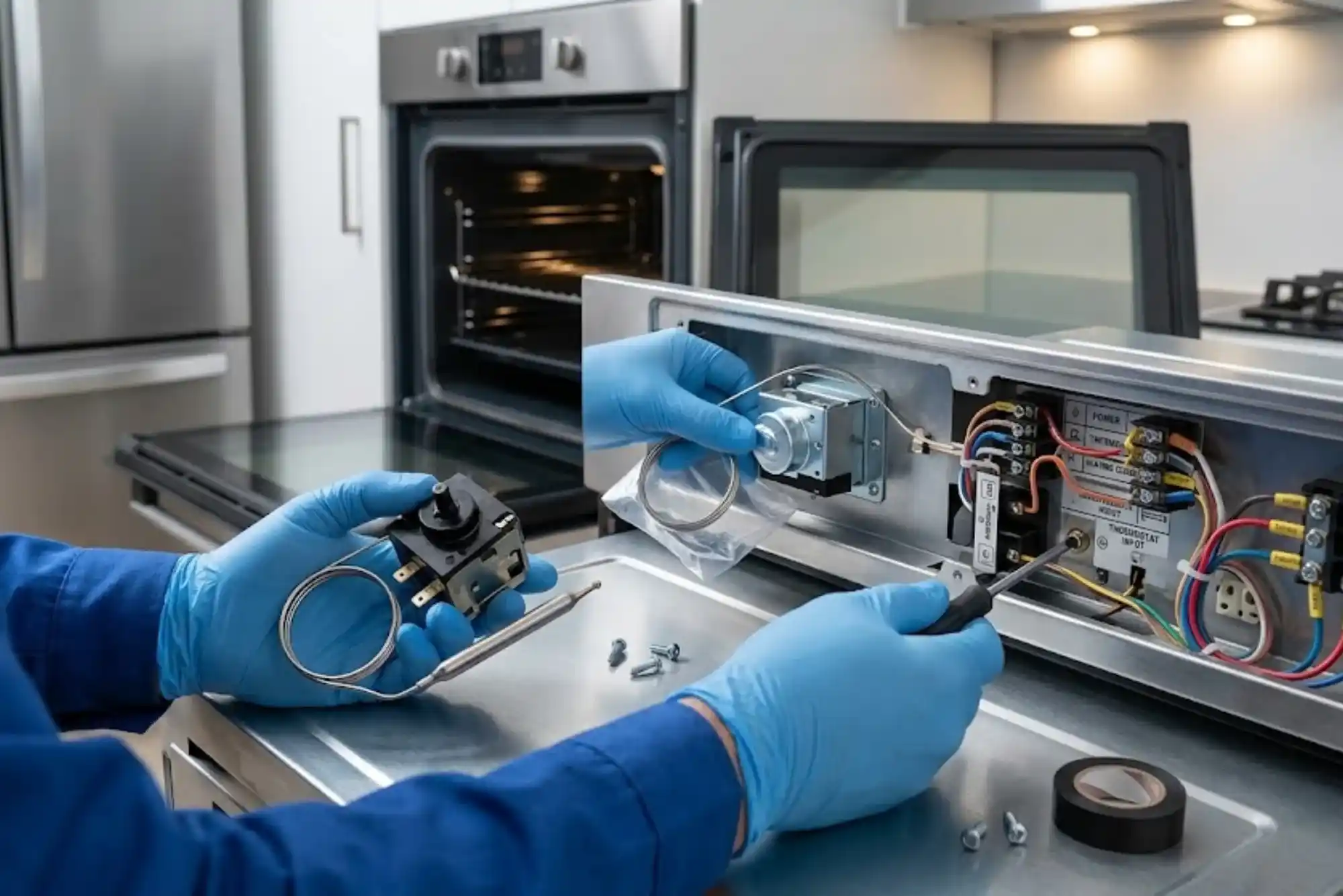
Modern washing machines include safety features such as lid or door switches that prevent the machine from operating if the door is open. A malfunctioning switch can interfere with the drain cycle, leaving water trapped in the drum. Testing the switch with a multimeter can determine if it is working correctly. If the switch fails this test, replacing it is a straightforward and effective solution.
Ensuring the switch operates properly is not only important for drainage but also for user safety. Attempting repairs without a functioning switch can be dangerous, as it may allow the washer to operate while the lid is open, exposing users to moving parts and electrical components.
Electrical and Control Board Issues
When a washer continues to retain water despite checking the pump, hose, and switch, electrical problems may be the cause. The control board is responsible for managing washing machine cycles, including activating the drain pump. A malfunctioning control board or damaged wiring can prevent the pump from receiving power, leaving water in the drum.
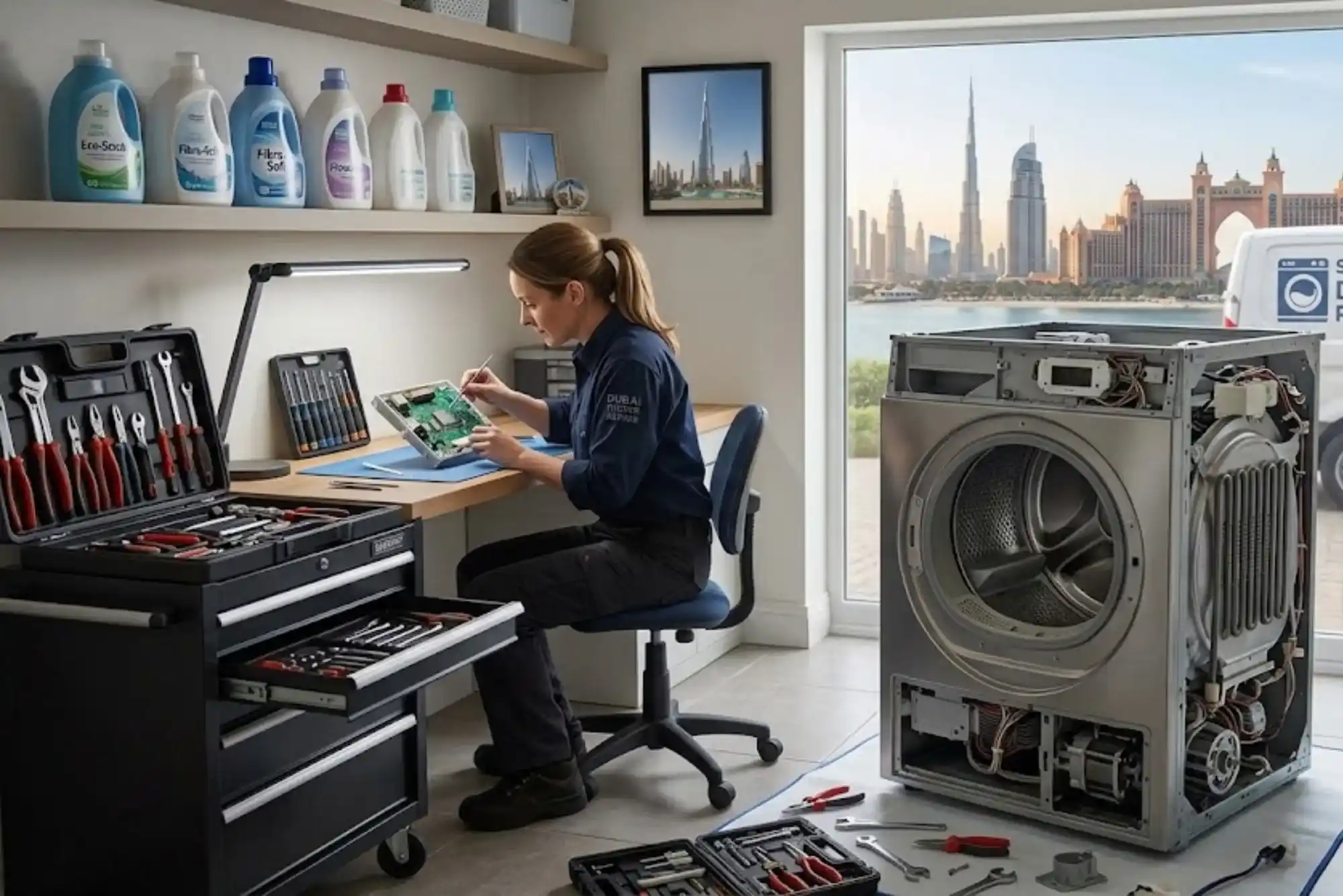
Diagnosing electrical issues often requires professional expertise. Technicians use specialized tools to test circuits, inspect connections, and replace defective components safely. Addressing electrical problems promptly can prevent further damage to the washer and ensure continued safe operation.
Symptoms Indicating a Washer Not Draining Properly
Recognizing the signs of drainage problems helps homeowners act quickly and avoid escalating issues. Common symptoms include water remaining in the drum after a cycle, clothes coming out excessively wet, unusual noises during the spin or drain cycles, and error codes displayed on digital washers. These indicators point to underlying problems, such as a blocked pump, faulty switch, or electronic malfunction.
Timely attention to these symptoms is crucial. Ignoring water retention can lead to mold growth, unpleasant odors, and potential damage to clothing. By acting on these early warning signs, homeowners can implement a washer not draining water solution before the problem becomes severe and costly.
Step-by-Step Troubleshooting at Home
Homeowners can attempt several troubleshooting measures to address minor drainage issues. Start by unplugging the washing machine and inspecting the drain hose for blockages or kinks. Next, check the pump for debris and ensure it spins freely. Testing the lid or door switch for continuity is also recommended.
While these steps can resolve many common problems, caution is necessary when dealing with electrical components. If any tests indicate a faulty switch, pump, or control board, replacement is typically required. Ensuring the correct parts and professional installation helps maintain safety and efficiency.
Preventive Measures for Long-Term Washer Health
Preventing drainage problems is more effective than repairing them. Regular maintenance is a key component of a successful washer not draining water solution. Homeowners should routinely inspect the drain pump, clear lint and debris, and check hoses for kinks or blockages. Avoiding overloading the washer and using appropriate detergents can also reduce strain on the drainage system.
Additionally, keeping small items out of the washer prevents clogs in the pump and hose. Implementing these practices extends the life of the washing machine, ensures efficient operation, and reduces the likelihood of emergency repairs.
When Professional Help Is Necessary
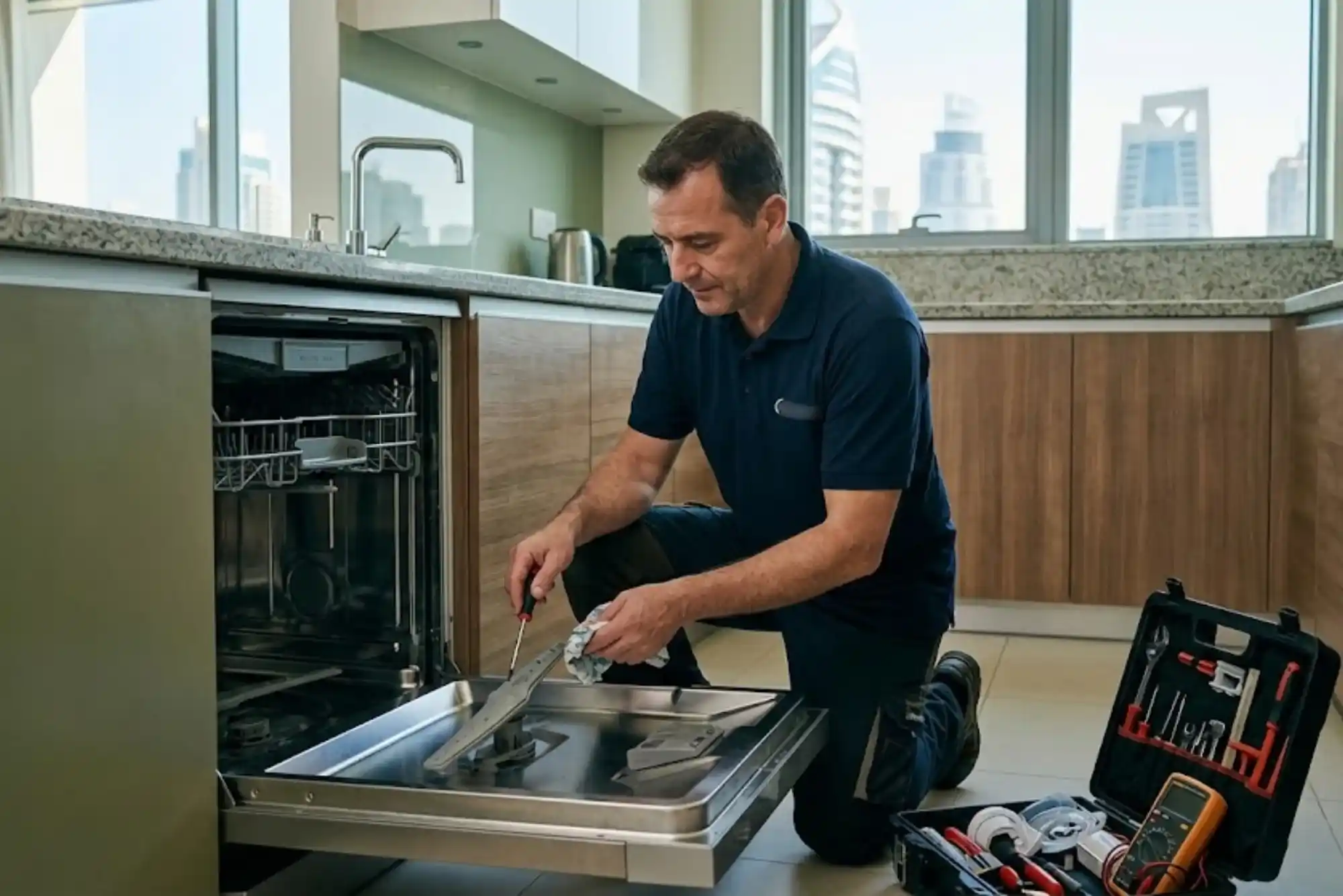
While some drainage issues can be resolved at home, professional intervention is often required for complex problems. Persistent water retention, unusual noises, or electronic malfunctions should be addressed by qualified technicians. Professionals have the training, diagnostic tools, and replacement parts necessary to repair washers safely and effectively.
Calling an expert also prevents further damage. Attempting to force repairs on electrical or mechanical components can worsen the problem and void warranties. A professional evaluation ensures that the correct solution is applied, restoring the washer to full functionality.
Environmental and Cost Considerations
A washer not draining properly not only impacts convenience but can also increase water and energy consumption. Inefficient cycles require additional water and electricity, raising household costs and environmental impact. Implementing a washer not draining water solution promptly helps reduce unnecessary resource usage, supporting both household budgets and eco-friendly practices.
Addressing a washer not draining water requires careful diagnosis, proper maintenance, and, when necessary, professional repair. By understanding the common causes, inspecting key components such as the pump, hose, and lid switch, and addressing electrical or control board issues, homeowners can restore efficient operation to their washing machines. Preventive measures, including routine cleaning and avoiding overloading, further enhance the lifespan of the appliance.