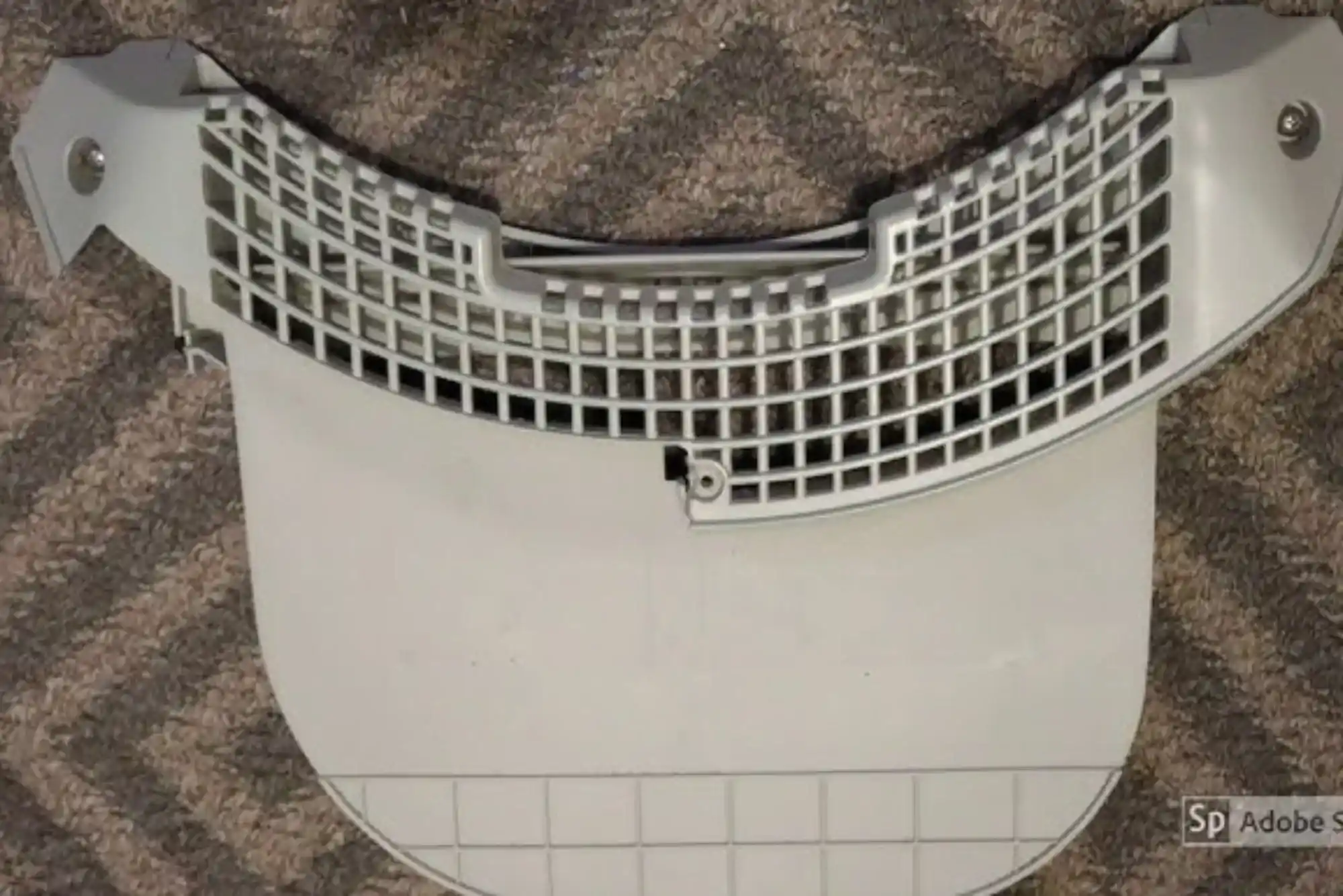
The dryer lint filter housing is one of the most essential yet overlooked components of a clothes dryer. While most users regularly clean the lint screen, very few pay attention to the housing compartment where the lint filter sits. This hidden section plays a critical role in maintaining airflow, improving drying efficiency, and preventing serious safety hazards such as overheating or fire risks. When lint accumulates inside the housing, it restricts airflow and forces the dryer to work harder than necessary. Over time, this strain can reduce performance, increase electricity consumption, and damage internal components. Understanding how the dryer lint filter housing functions and why it requires proper care is essential for maintaining your appliance in optimal condition.
The lint filter housing is designed to hold the removable lint screen securely in place while directing airflow through the drum and into the exhaust vent. During every drying cycle, hot air circulates through wet clothes to remove moisture. As clothes tumble, they release lint, fibers, and debris that are captured by the lint screen. However, not all lint stays on the screen. Fine particles often pass through and settle inside the housing compartment. Without regular cleaning and inspection, this buildup can become compacted, leading to blockages that compromise dryer efficiency.
How Dryer Lint Filter Housing Affects Dryer Performance
Proper airflow is the foundation of efficient drying. When the lint filter housing becomes clogged, airflow decreases significantly. This reduction forces the heating element to remain active for longer periods, increasing wear and tear on internal components. As a result, drying cycles become longer, clothes may come out damp, and energy bills may rise unexpectedly. Many homeowners mistakenly assume the problem lies with the heating element or thermostat, when in reality, a blocked lint housing is the underlying cause.
Restricted airflow also causes the dryer drum to retain excess heat. When heat cannot escape efficiently, the internal temperature rises beyond normal levels. This overheating may trigger safety thermostats, shut down the dryer prematurely, or in severe cases, cause permanent damage. Keeping the lint filter housing clean ensures balanced airflow, protects vital components, and maintains consistent drying performance.
Common Problems Associated with Dryer Lint Filter Housing
Over time, several issues can develop within the dryer lint filter housing. One of the most common problems is compacted lint buildup deep inside the compartment. Even if the lint screen is cleaned after every load, fine particles gradually accumulate beyond the visible surface. This hidden buildup can become thick and dense, restricting airflow more than users realize.
Another issue involves cracks or damage to the housing structure itself. Plastic lint housings can weaken due to heat exposure, while metal housings may corrode in humid environments. If the housing becomes damaged, lint can bypass the filter entirely and enter the blower wheel or vent system. This not only reduces efficiency but also increases fire hazards.

Improper installation of the lint filter can also cause problems. If the filter does not sit securely in the housing, gaps may allow lint to escape into the internal ductwork. Over time, this can create blockages that require professional cleaning. Therefore, ensuring the lint filter housing remains intact and properly aligned is essential for safe operation.
Signs That Your Dryer Lint Filter Housing Needs Attention
There are several warning signs indicating that your dryer lint filter housing may need cleaning or repair. One noticeable symptom is extended drying time. If clothes take longer than usual to dry, airflow restriction could be the cause. Another common sign is excessive heat on the dryer’s exterior. When lint blocks airflow, heat becomes trapped, causing the appliance to feel unusually hot during operation.
A burning smell is a more serious indicator. Lint is highly flammable, and when it accumulates inside the housing near heating elements, it can produce a burning odor. If this occurs, the dryer should be turned off immediately and inspected. Additionally, visible lint debris around the lint slot or inside the drum may suggest that the housing is not functioning correctly.
Unusual noises can also point to lint buildup affecting internal airflow components. When lint accumulates near the blower wheel, it can create imbalance or obstruction, resulting in rattling or humming sounds. Addressing these signs promptly prevents further damage and ensures safe dryer operation.
Cleaning the Dryer Lint Filter Housing Properly
Cleaning the lint filter housing is a simple yet crucial maintenance task. Before beginning, always unplug the dryer to ensure safety. Remove the lint screen and inspect the slot carefully. While surface lint can be removed by hand, deeper debris often requires a vacuum cleaner with a narrow hose attachment. Gently insert the attachment into the housing compartment to remove hidden lint.
For stubborn buildup, a specialized dryer lint cleaning brush can reach deeper into the compartment. Slowly rotating the brush while pulling it out helps loosen compacted lint. In some cases, partial disassembly of the dryer may be required to access the full housing area, especially if lint has traveled beyond the visible compartment.
Regular cleaning should be performed at least every few months, depending on usage frequency. Households that run multiple loads daily may need more frequent maintenance. Consistent cleaning improves airflow, reduces drying time, and minimizes safety risks.
Repairing or Replacing Damaged Lint Filter Housing
If the lint filter housing is cracked, warped, or severely damaged, repair or replacement may be necessary. Minor cracks can sometimes be sealed temporarily, but permanent solutions usually require replacing the housing component. Since the lint housing connects directly to internal duct systems, precise installation is essential to prevent air leaks.
Professional technicians can inspect the housing thoroughly and ensure correct alignment with the lint screen and blower assembly. Attempting complex repairs without proper knowledge may cause further damage or compromise safety. Replacing a faulty housing restores proper airflow and prevents lint from entering sensitive internal areas.
Preventing Fire Hazards Through Proper Maintenance
One of the most critical reasons to maintain the dryer lint filter housing is fire prevention. Lint is highly combustible, and when exposed to high heat, it can ignite easily. Blocked airflow increases internal temperatures, creating conditions that elevate fire risk. Regular cleaning significantly reduces this danger.
Ensuring that the entire vent system is also clear complements lint housing maintenance. Even a clean housing cannot compensate for a clogged exhaust vent. Together, these components maintain balanced airflow and safe heat levels. Preventive maintenance protects not only the appliance but also your home and family.
Improving Energy Efficiency with a Clean Lint Housing
Energy efficiency is another major benefit of maintaining the dryer lint filter housing. When airflow is unrestricted, moisture is removed from clothes more quickly. This reduces the overall drying time and lowers electricity consumption. Over months and years, proper maintenance can lead to noticeable savings on utility bills.
A dryer operating under optimal airflow conditions also experiences less mechanical strain. Motors, heating elements, and thermostats function more efficiently, reducing the likelihood of premature breakdown. Investing time in cleaning the lint housing ultimately extends the appliance’s lifespan.
Professional Inspection and Long-Term Care
While routine cleaning can be handled at home, periodic professional inspections provide added assurance. Technicians can assess deeper internal areas that may not be easily accessible. They can also check for structural damage, airflow issues, or hidden lint accumulation beyond the housing compartment.
Long-term care involves developing consistent maintenance habits. Cleaning the lint screen after every load, inspecting the housing monthly, and scheduling annual professional servicing ensures reliable performance. These proactive measures prevent unexpected breakdowns and costly repairs.
The Hidden Component That Protects Your Dryer
The dryer lint filter housing may seem like a minor component, but it plays a central role in dryer efficiency, safety, and longevity. From maintaining proper airflow to preventing fire hazards, its function is critical to everyday appliance operation. Neglecting this area can lead to longer drying times, overheating, increased energy bills, and serious safety risks.
By understanding how the lint filter housing works and committing to regular maintenance, homeowners can protect their dryers from unnecessary wear and potential damage. Cleaning the housing periodically, addressing structural issues promptly, and ensuring proper installation all contribute to a safer and more efficient laundry experience. Ultimately, caring for the dryer lint filter housing is not just about appliance maintenance—it is about safeguarding your home while ensuring optimal performance for years to come.
Related Reading: Dryer Thermostat Bypass
Related Reading: Dryer Idler Pulley Replacement