Air conditioners are essential for maintaining comfort in homes and offices, especially during extreme weather conditions. One of the common issues faced by AC users is when the fan speed remains fixed and does not change, even when adjustments are made on the remote or control panel. This can significantly affect cooling efficiency, energy consumption, and overall comfort. Understanding why this happens is the first step in resolving the issue effectively.
When the AC fan speed is not changing, the airflow may become inadequate, resulting in uneven cooling or prolonged time to reach the desired temperature. Users often notice that the fan continues to run at a single speed, usually low or medium, regardless of the settings. While this problem may seem minor, it can indicate underlying technical or electrical issues that need attention.
Causes of AC Fan Speed Not Changing
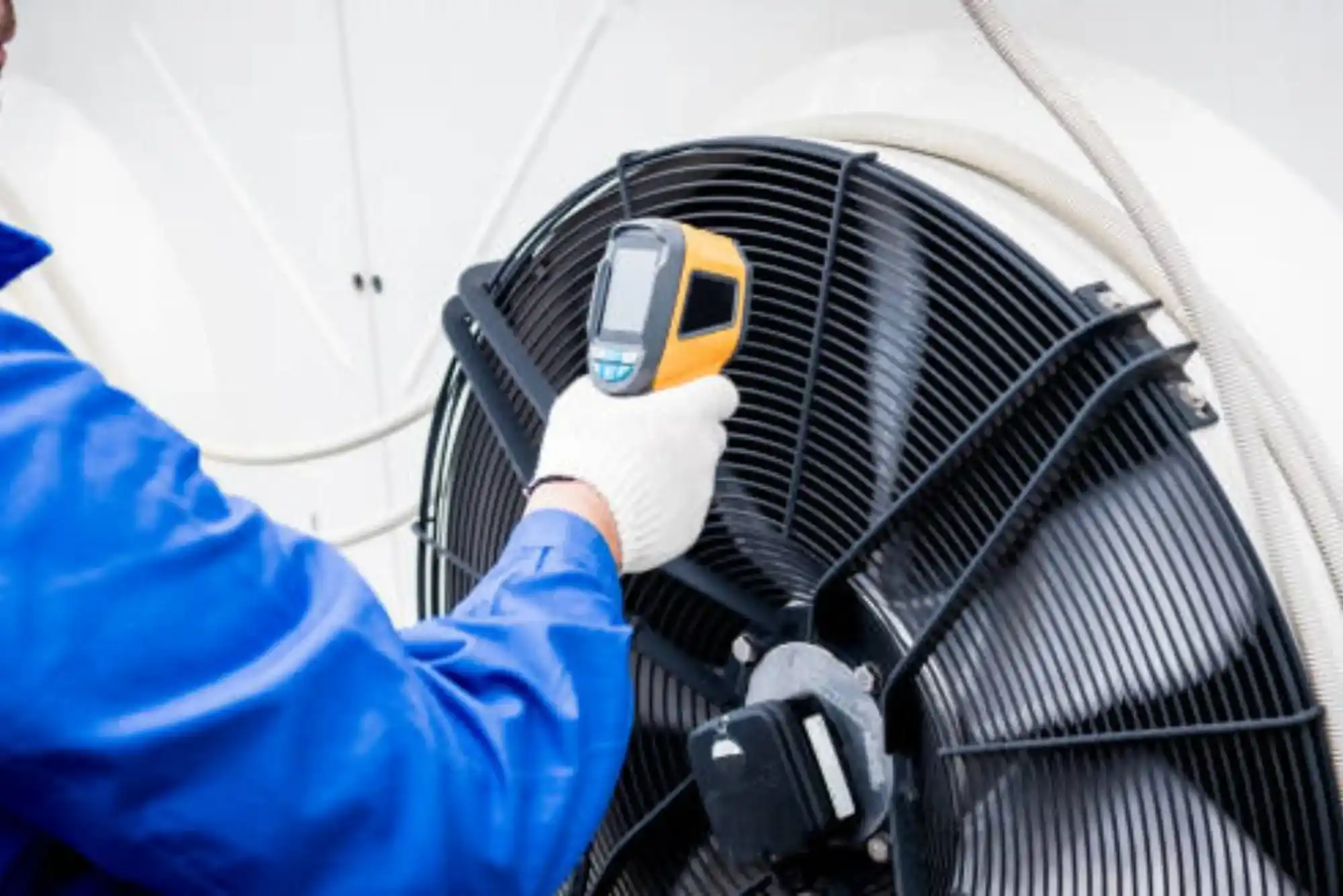
There are multiple reasons why an AC fan speed might remain fixed. One common cause is a malfunctioning fan motor. The motor is responsible for driving the fan blades at different speeds. Over time, wear and tear, dust accumulation, or electrical faults can affect the motor’s ability to adjust speed. A motor that struggles to operate at varying speeds may continue to run at a single setting, preventing the AC from functioning optimally.
Another factor that can lead to this problem is a defective fan capacitor. The capacitor regulates the motor’s starting and running performance. When it weakens or fails, the fan may not respond to speed changes. This can also produce humming noises or irregular airflow. Replacing the capacitor usually resolves the problem.
Faulty control boards or remotes are also common culprits. Modern air conditioners rely on electronic control boards to process signals from the remote and adjust fan speed accordingly. If the board is damaged or the remote control is not transmitting correctly, the fan speed may remain unresponsive. In such cases, professional testing of the control panel or replacement of the remote may be necessary.
Wiring issues and electrical faults can also interfere with fan speed control. Loose connections, burnt wires, or short circuits may prevent the fan motor from receiving the correct signals, resulting in a single-speed operation. Inspecting and repairing wiring issues is critical to restore proper fan function and ensure safety.

Impact of Fan Speed Issues on AC Performance
When the AC fan speed is not changing, several performance-related problems may occur. Reduced airflow leads to uneven cooling, which can create hot and cold spots in the room. This not only reduces comfort but also forces the compressor to work harder to maintain the desired temperature. Consequently, energy consumption increases, and electricity bills may rise.
Furthermore, a fan that cannot change speeds can cause wear and tear on the compressor. The system becomes less efficient, potentially shortening the lifespan of the AC unit. Dust and debris accumulation may also occur if the airflow is inconsistent, leading to clogged filters and reduced indoor air quality. Timely resolution of fan speed issues helps maintain efficiency, prevent energy wastage, and ensure long-lasting performance.
Troubleshooting Fan Speed Problems
Addressing the issue requires a systematic approach. First, ensure that the remote control or wall-mounted panel is functioning correctly. Sometimes, simple issues like low batteries, signal obstruction, or settings errors can prevent fan speed changes. Replacing batteries or resetting the remote may resolve the problem without further intervention.
Next, check the AC filters and vents. Blocked airflow can affect how the fan motor operates, making it appear as though the fan speed is fixed. Cleaning or replacing filters and removing obstructions from vents can improve airflow and restore proper fan operation.
If the problem persists, professional inspection is necessary. A certified technician can test the fan motor, capacitor, and control board to identify faults. Fan motor replacement, capacitor repair, or electronic board servicing are common solutions for restoring variable fan speed control. Electrical inspection also ensures that wiring and connections are intact, reducing the risk of further malfunctions or safety hazards.
Preventive Measures for Fan Speed Issues
Preventive maintenance can significantly reduce the likelihood of fan speed problems. Regular cleaning of AC filters, vents, and coils prevents dust buildup that can interfere with fan operation. Scheduling professional servicing at least once a year ensures that components such as the fan motor, capacitor, and control board are functioning correctly.
Users should also avoid abrupt power cuts or frequent switching of fan speeds, as these can strain electrical components over time. Maintaining a stable power supply with surge protection helps prolong the life of sensitive parts like the control board and motor.
Using the AC within the recommended settings also prevents excessive wear. Avoid running the AC at maximum speed continuously, as it can overheat the fan motor and reduce its ability to adjust speeds. Gradual speed changes and proper usage contribute to long-term reliability.
When to Seek Professional Help
While minor fan speed issues can sometimes be resolved with basic troubleshooting, persistent problems require professional intervention. Certified technicians have the tools and expertise to safely inspect and repair electrical components, replace faulty parts, and restore proper fan operation. Attempting complex repairs without experience may result in further damage or safety risks.
Regular professional maintenance not only addresses existing fan speed problems but also prevents future issues. Technicians can provide comprehensive testing, lubrication of moving parts, and firmware updates for digital AC systems. This proactive approach ensures that the air conditioner operates efficiently, providing consistent cooling and comfort.
Proper maintenance, careful operation, and professional servicing can prevent fan speed issues and prolong the life of the air conditioner. By addressing the problem early, homeowners can ensure consistent cooling, improved air quality, and energy efficiency. Investing in expert solutions and preventive care is essential for maintaining the performance and longevity of modern AC units.