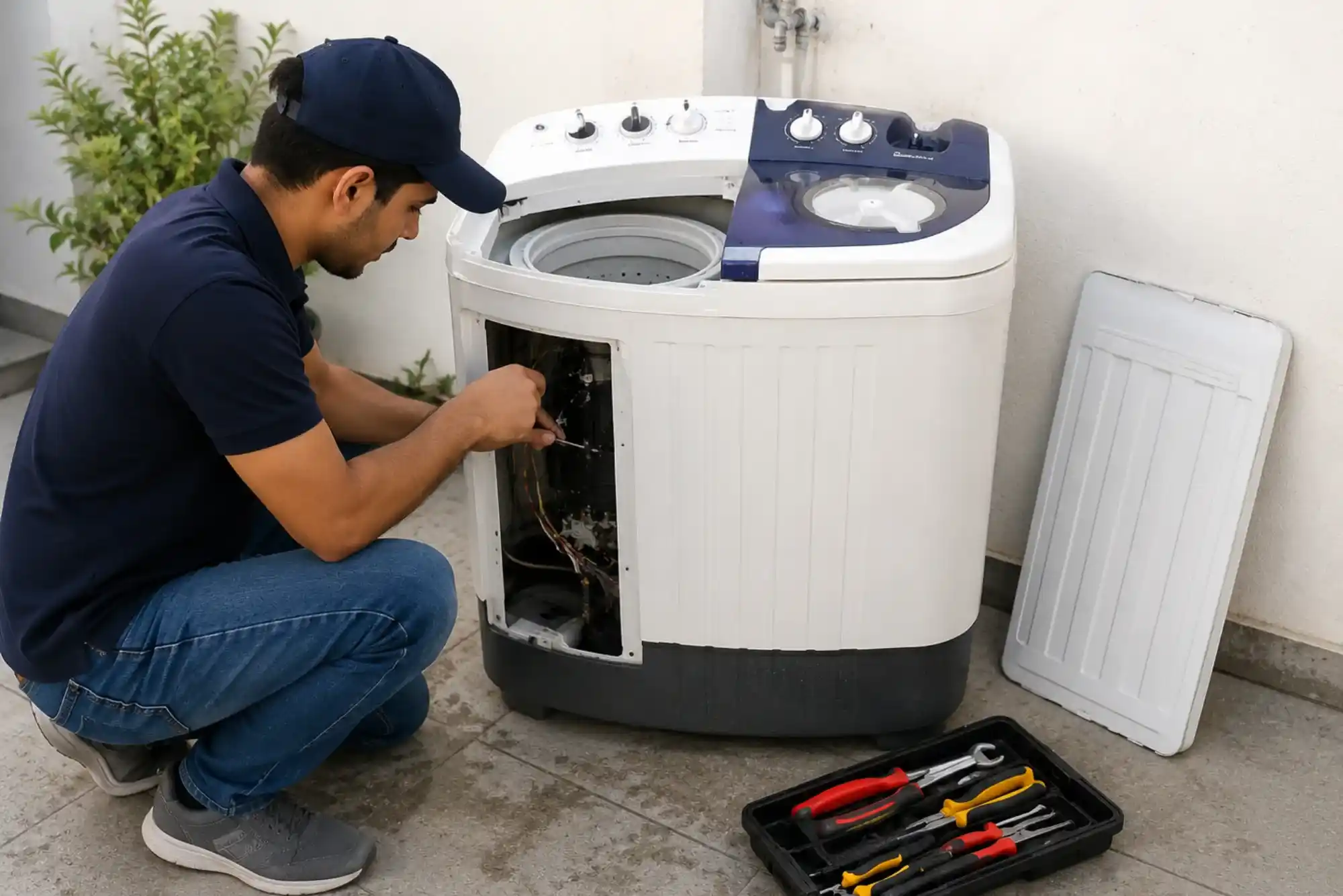
Washing machines are among the most important household appliances, helping families manage laundry efficiently and saving significant time and effort. However, like any complex machine that relies on electricity and mechanical systems, washing machines can develop electrical problems over time. When electrical components fail or become damaged, the appliance may stop working completely or show signs of malfunction. Washing machine electrical repair is therefore essential for restoring the appliance to proper working condition and ensuring safe operation.
Electrical issues in washing machines can range from simple wiring problems to complex failures in control boards or internal circuits. Many homeowners experience situations where the machine suddenly stops mid-cycle, refuses to start, or fails to spin properly. These problems are often connected to electrical faults that require careful inspection and repair. Understanding how electrical systems in washing machines function can help homeowners recognize warning signs early and seek professional repair before the problem becomes more serious.
How Electrical Systems Work in a Washing Machine
A washing machine operates through a combination of mechanical movement and electrical control. Electrical power flows through the appliance to operate essential components such as the motor, control board, water inlet valves, and sensors. These components work together to control different stages of the washing cycle including filling, washing, rinsing, and spinning.
The control board acts as the central command system, receiving input from sensors and sending signals to various parts of the machine. When the user selects a washing program, the control board activates the motor and other components in a specific sequence. If any electrical connection fails or becomes unstable, the entire cycle can be interrupted. This is why washing machine electrical repair is critical when the appliance shows signs of electrical malfunction.
Electrical systems also include wiring harnesses, relays, fuses, and safety switches. Each of these parts plays a role in ensuring that electricity flows safely and correctly through the machine. A fault in any one of these components can cause the washing machine to stop functioning or behave unpredictably.
Common Electrical Problems in Washing Machines
Electrical issues in washing machines can appear in many forms. One of the most common problems is a machine that refuses to start even though it is properly connected to power. This may indicate a faulty power cord, damaged wiring, or a malfunctioning control board.
Another frequent issue occurs when the washing machine stops during operation. The drum may stop spinning or the machine may shut down unexpectedly. This often happens when electrical components such as the motor controller or door lock system fail. Washing machine electrical repair becomes necessary to identify the faulty component and restore proper operation.
Some washing machines may also display error codes on their digital panels. These codes often indicate electrical problems within the system. Sensors may fail to send correct signals to the control board, causing the machine to interrupt the cycle. Electrical faults can also affect heating elements in models that include water heating functions.
Causes of Electrical Failures in Washing Machines
Electrical failures in washing machines can occur for several reasons. One common cause is power fluctuation or voltage spikes. Sudden changes in electricity supply can damage sensitive components such as circuit boards and sensors. In areas where voltage instability is common, washing machines are particularly vulnerable to electrical damage.
Wear and tear over time can also affect wiring and electrical connections inside the machine. Continuous vibration during washing and spinning cycles may gradually loosen connections or damage internal wires. Moisture exposure can also lead to corrosion in electrical parts, especially in humid environments.
Improper installation is another factor that can lead to electrical issues. If the washing machine is not connected correctly to the power supply, it may experience repeated electrical interruptions. In some cases, overloaded circuits or faulty wall outlets may contribute to electrical problems within the appliance.
Signs That Your Washing Machine Needs Electrical Repair
Recognizing the early signs of electrical problems can prevent more serious damage. One of the most noticeable signs is when the washing machine does not respond when the power button is pressed. This may indicate a problem with the power supply or internal wiring.
Another warning sign is inconsistent operation. The washing machine may start normally but stop unexpectedly during the cycle. Lights on the control panel may flicker or display unusual error messages. In some cases, the drum may fail to spin even though the machine appears to be running.
Burning smells or unusual sounds may also indicate electrical trouble. When electrical components overheat or malfunction, they may produce noticeable odors or noises. If such signs appear, immediate washing machine electrical repair is necessary to prevent further damage and ensure safety.
Importance of Professional Electrical Repair
Electrical repairs in washing machines require technical knowledge and proper tools. Attempting to repair electrical components without experience can be dangerous and may worsen the problem. Professional technicians have the training needed to diagnose electrical faults accurately and repair them safely.
A professional repair process usually begins with a detailed inspection of the appliance. Technicians check the power supply, wiring connections, control board, and other electrical components. Using specialized diagnostic equipment, they can identify the exact cause of the malfunction.
Once the problem is located, technicians replace or repair the damaged components. This may involve installing a new control board, repairing wiring connections, or replacing faulty sensors. Professional washing machine electrical repair ensures that the appliance operates safely and efficiently after the repair is completed.
Preventing Electrical Problems in Washing Machines
Preventive maintenance plays an important role in reducing electrical problems. One of the most effective ways to protect a washing machine is by using a voltage stabilizer or surge protector. These devices help regulate electricity supply and prevent damage caused by sudden voltage spikes.
Regular inspection of power cords and outlets is also important. If the power cable shows signs of wear or damage, it should be replaced immediately. Ensuring that the washing machine is connected to a stable and properly grounded electrical outlet helps maintain safe operation.
Keeping the appliance in a dry and well-ventilated area can also protect electrical components from moisture damage. Avoiding overloading the washing machine reduces strain on the motor and electrical systems. Proper use and maintenance significantly lower the chances of needing major washing machine electrical repair.
Benefits of Timely Electrical Repair
Addressing electrical issues promptly offers several advantages. First, it prevents small problems from becoming major failures. A minor wiring issue that is repaired early can prevent costly damage to other components such as the motor or control board.
Timely repair also improves the efficiency of the washing machine. When electrical systems operate correctly, the appliance completes cycles smoothly and consumes energy more efficiently. This helps reduce electricity costs and extends the life of the machine.
Another benefit is safety. Faulty electrical components can pose risks such as short circuits or overheating. By performing washing machine electrical repair as soon as problems appear, homeowners can protect both their appliance and their household.
Long Term Performance and Appliance Care
A well maintained washing machine can last many years without major problems. Regular care, proper installation, and professional repair when needed all contribute to long term reliability. Electrical systems are particularly important because they control every stage of the washing process.
Routine maintenance checks help identify potential issues before they lead to breakdowns. Cleaning the appliance, ensuring proper drainage, and monitoring its performance are simple steps that support long term efficiency. When electrical components receive proper attention, the washing machine continues to deliver consistent performance.
Investing in quality repair services also ensures that replacement parts meet manufacturer standards. This helps maintain the original performance of the appliance and reduces the likelihood of repeated repairs.
Washing machine electrical repair is an essential service for maintaining the performance, safety, and reliability of this important household appliance. Electrical systems control every function of the washing machine, from starting the cycle to spinning and draining. When electrical components fail, the appliance may stop working completely or show signs of malfunction.