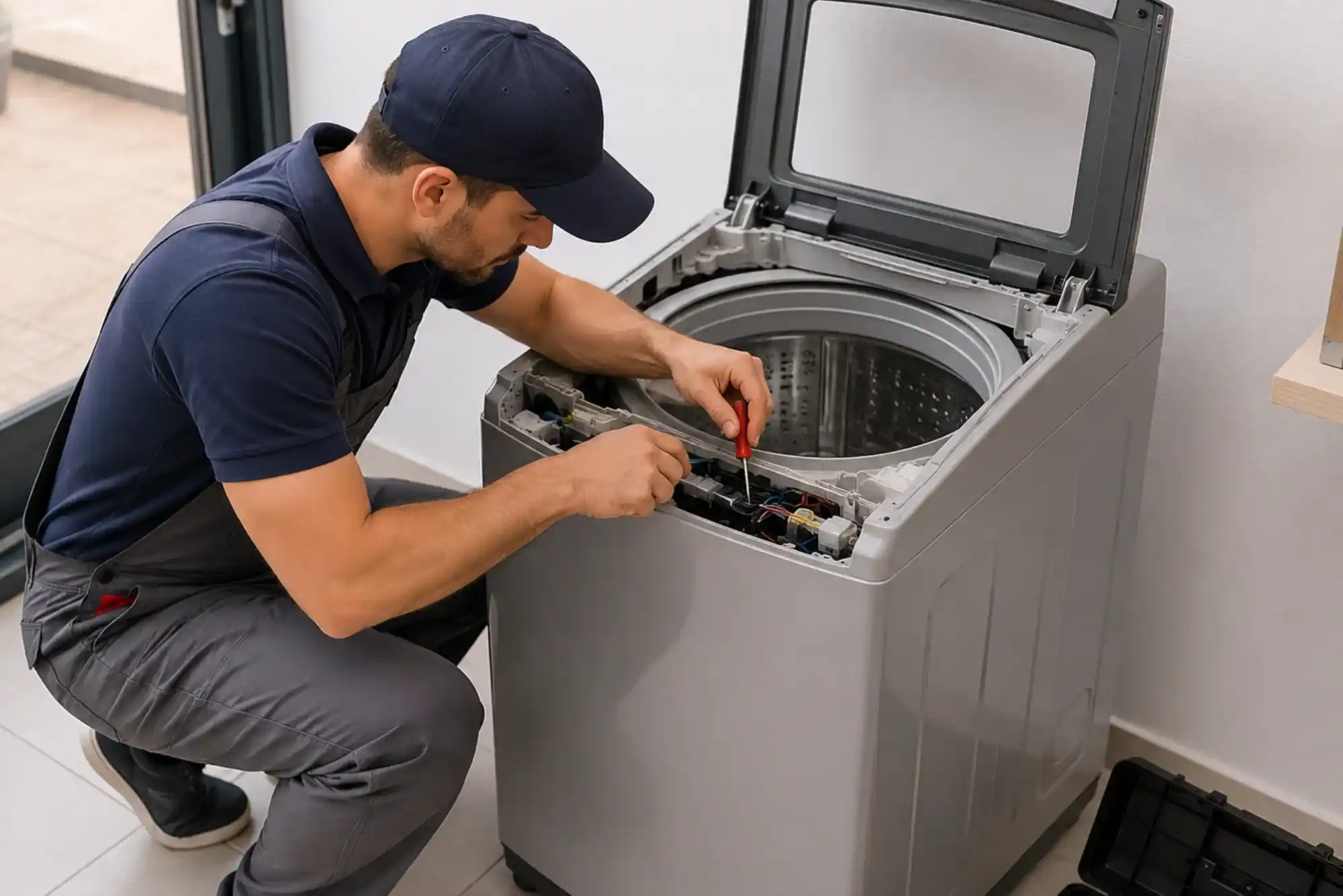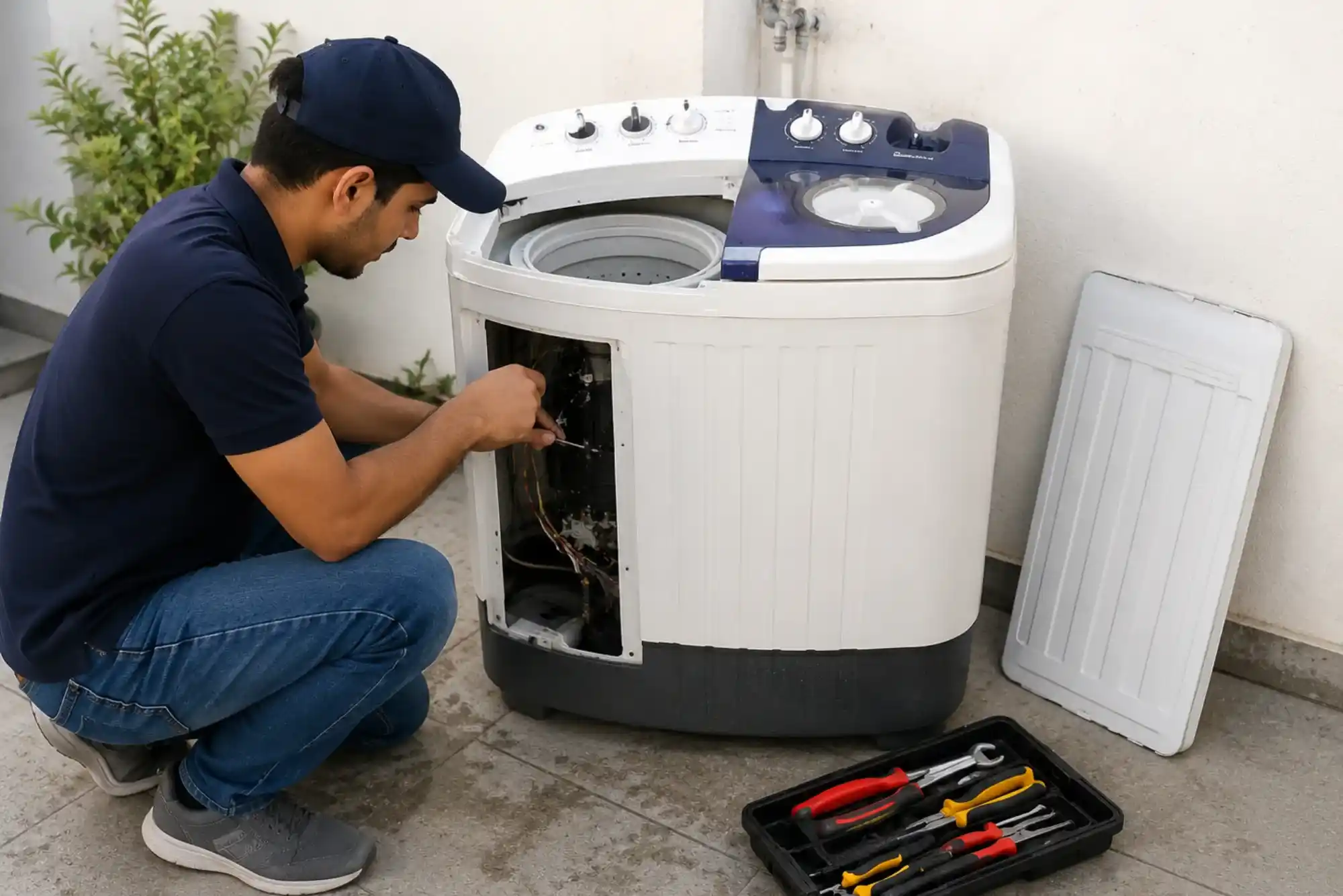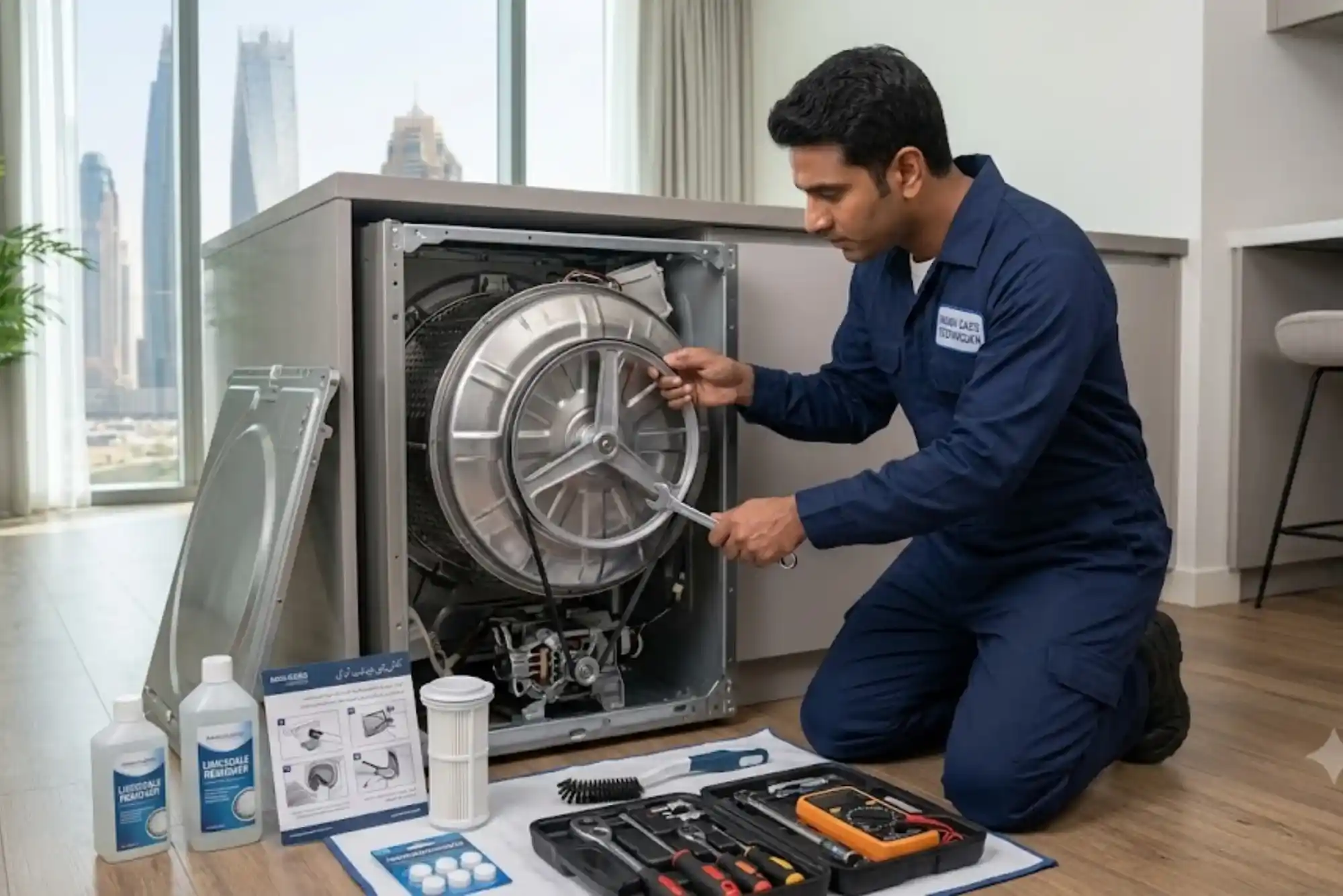
A washing machine is one of the most frequently used appliances in any home, making daily laundry more convenient and time-efficient. However, like any household appliance, it can develop faults over time due to regular wear, improper use, or neglected maintenance. This washing machine repair guide explains the most common washing machine problems, practical troubleshooting steps, preventive maintenance tips, and when professional assistance becomes the safest option.
While some minor issues can be resolved with simple inspections, more complex mechanical or electrical faults require experienced technicians. Understanding the difference can help prevent additional damage and unnecessary repair costs.
Why Washing Machines Develop Problems
Modern washing machines combine electrical systems, electronic controls, motors, pumps, belts, sensors, and plumbing components. Since these parts work together during every wash cycle, even a small malfunction can affect overall performance.
Some of the most common reasons include:
- Normal wear and tear
- Blocked drainage systems
- Hard water mineral buildup
- Power supply fluctuations
- Incorrect loading habits
- Poor routine maintenance
- Damaged internal components
Regular inspections and timely servicing significantly reduce the risk of expensive repairs.
Common Washing Machine Problems Explained
Washer Not Draining Properly
One of the most reported issues is water remaining inside the drum after the wash cycle finishes. This often indicates a clogged drain filter, blocked drain hose, faulty drain pump, or damaged pump impeller.

If your washer frequently leaves standing water, this detailed guide on washer not draining water solutions provides additional information about possible causes and repair options.
Excessive Noise During Washing
Grinding, knocking, or loud spinning noises usually indicate worn bearings, loose drum components, damaged shock absorbers, or foreign objects trapped inside the drum assembly.
Ignoring unusual sounds can eventually lead to larger mechanical failures. You can learn more from this helpful resource on washing machine noise problem repair.
Machine Vibrates or Shakes Excessively
Heavy vibration commonly occurs when the appliance is overloaded, installed on an uneven floor, or has worn suspension components. In front-load machines, damaged shock absorbers can also contribute to excessive movement during high-speed spinning.
Basic Troubleshooting Before Calling a Technician
Before scheduling professional washing machine repair, homeowners can safely perform several simple inspections.
- Verify that the appliance is receiving electrical power.
- Ensure the water supply valves are fully open.
- Inspect the drain hose for kinks or blockages.
- Clean the drain filter.
- Reduce overloaded laundry.
- Restart the washing cycle.
If the problem continues after these checks, internal components may require professional diagnosis.
Front Load vs Top Load Washing Machines
| Feature | Front Load | Top Load |
|---|---|---|
| Water Efficiency | Excellent | Moderate |
| Energy Consumption | Lower | Higher |
| Cleaning Performance | Very High | High |
| Maintenance | Requires regular gasket cleaning | Simpler maintenance |
| Typical Repairs | Door seal, bearings, suspension | Agitator, belt, transmission |
Whether you own a front-load or top-load appliance, using qualified repair specialists ensures accurate diagnosis and long-lasting repairs. Professional services such as front load washing machine repair and washing machine repair services can address both routine and complex issues using appropriate tools and replacement parts.
Preventive Maintenance That Extends Appliance Life
The best way to reduce repair costs is by following a consistent maintenance routine. Preventive care improves efficiency, enhances cleaning performance, and minimises unexpected breakdowns.
- Clean the detergent drawer every few weeks.
- Inspect hoses for leaks or cracks.
- Avoid overloading the drum.
- Use the correct detergent for your machine type.
- Run a monthly drum-cleaning cycle.
- Leave the door slightly open after each wash to reduce moisture buildup.
- Check and clean the drain filter regularly.
Routine maintenance not only improves washing performance but also helps major components such as the motor, pump, bearings, and suspension system last longer.
When Should You Call a Professional?
Many homeowners attempt DIY repairs after watching online tutorials, but not every issue can be safely resolved without the proper tools and technical knowledge. Electrical faults, damaged control boards, motor failures, and transmission issues require professional diagnosis to avoid safety risks and prevent further damage to the appliance.
Seeking help from experienced technicians becomes especially important if your washing machine repeatedly stops mid-cycle, leaks water, produces burning smells, trips the circuit breaker, or fails to spin even after basic troubleshooting. In such situations, professional inspection saves both time and money by identifying the root cause rather than treating temporary symptoms.
Benefits of Professional Washing Machine Repair Services
Hiring qualified repair specialists offers several advantages over attempting complex repairs yourself. Skilled technicians understand different washing machine brands and models, allowing them to diagnose problems accurately and recommend the most effective solution.
- Accurate fault diagnosis
- Safe handling of electrical components
- Proper repair tools and equipment
- Reduced risk of recurring problems
- Longer appliance lifespan
- Improved washing performance
- Time-saving and cost-effective solutions
If you require reliable assistance, experienced technicians offering certified washing machine repair services can inspect your appliance thoroughly and recommend repairs based on its condition rather than unnecessary part replacements.
Simple Habits That Help Avoid Future Repairs
Preventive maintenance is always more affordable than emergency repairs. A few simple habits can significantly improve your washing machine’s reliability throughout the year.
- Never overload the drum.
- Clean the detergent drawer regularly.
- Inspect water hoses every few months.
- Remove lint and debris from the drain filter.
- Use the recommended detergent quantity.
- Run an empty hot cleaning cycle periodically.
- Keep the machine level to minimise vibration.
Following these practices helps maintain consistent washing performance while reducing stress on internal components such as the motor, bearings, suspension, and drainage system.
Expert Tip:
Many washing machine failures begin as small warning signs, including unusual sounds, slower spinning, or occasional drainage issues. Addressing these symptoms early often prevents expensive repairs and extends the overall lifespan of the appliance.
Frequently Asked Questions
1. How often should a washing machine be serviced?
For most households, a professional inspection once every 12 months helps maintain efficiency and identify worn components before they fail.
2. Can I repair a washing machine myself?
You can safely perform simple maintenance tasks such as cleaning filters, checking hoses, and removing blockages. Electrical or mechanical repairs should be handled by qualified technicians.
3. Why is my washing machine making loud noises?
Loud noises may result from worn bearings, damaged suspension parts, loose drum components, or foreign objects trapped inside the drum.
4. Why does my washer stop before finishing the cycle?
This may be caused by drainage problems, faulty sensors, door lock issues, electronic control board faults, or motor-related problems.
5. Is repairing a washing machine worth it?
In many cases, yes. If the appliance is otherwise in good condition, repairing individual components is often more economical than replacing the entire machine.
Conclusion
This washing machine repair guide highlights the importance of recognising early warning signs, carrying out regular maintenance, and knowing when professional assistance is necessary. Small issues such as drainage problems, unusual noises, or excessive vibration should never be ignored, as they can develop into major mechanical failures if left unresolved.
By following good maintenance practices and relying on experienced repair professionals when needed, homeowners can improve appliance performance, reduce unexpected breakdowns, and extend the lifespan of their washing machines. Whether you own a front-load or top-load model, timely servicing remains the most effective way to ensure dependable performance for years to come.
Related Reading: Washing Machine Electrical Repair
Related Reading: AC Outdoor Condenser Repair — full guide