Air conditioning systems are designed not only to cool indoor spaces but also to circulate air evenly throughout a room or building. When airflow is poor, even the most advanced air conditioner struggles to deliver comfort and efficiency. AC indoor air circulation improvement is a critical factor in ensuring balanced temperatures, cleaner air, and reduced strain on cooling equipment. Many homeowners and businesses overlook airflow issues until they experience uneven cooling, rising electricity bills, or indoor air quality concerns.
Proper air circulation allows cooled air to move freely, reach every corner of the space, and return to the system for continuous cooling. Without effective circulation, cold air may remain trapped near the unit while other areas feel warm and uncomfortable. Understanding the importance of airflow and how it impacts overall AC performance helps property owners maintain a healthier and more efficient indoor environment.
Understanding Indoor Air Circulation in AC Systems
Indoor air circulation refers to the movement of air from the air conditioner through ducts or indoor units and back again for repeated cooling. This continuous cycle ensures that conditioned air replaces warm air consistently. When circulation is balanced, temperature remains stable, humidity levels are controlled, and indoor air feels fresh rather than stagnant.
AC indoor air circulation improvement becomes necessary when airflow is blocked, restricted, or uneven. Common indicators include hot and cold spots, weak airflow from vents, excessive dust accumulation, or musty odors. These signs suggest that air is not moving efficiently, causing discomfort and reducing system effectiveness.
Modern air conditioning systems rely heavily on proper airflow to operate as designed. Even minor disruptions in circulation can lead to higher energy consumption and premature wear on components. Improving indoor air circulation enhances both comfort and long-term system reliability.
The Importance of AC Indoor Air Circulation Improvement
One of the primary reasons to focus on AC indoor air circulation improvement is comfort. When air circulates evenly, rooms cool faster and maintain consistent temperatures. This eliminates the frustration of constantly adjusting the thermostat to compensate for uneven cooling.

Air circulation also plays a vital role in indoor air quality. Stagnant air allows dust, allergens, and airborne particles to settle and accumulate. Proper circulation keeps air moving through filters, helping remove contaminants and promote cleaner breathing air. For households with children, elderly individuals, or people with respiratory sensitivities, improved airflow can significantly enhance overall well-being.
Energy efficiency is another major benefit of effective air circulation. When airflow is restricted, the AC system works harder to reach the desired temperature. This increases energy consumption and leads to higher utility bills. Improving air circulation reduces strain on the system, allowing it to cool spaces more efficiently and operate within optimal performance levels.
How Poor Air Circulation Affects AC Performance
Poor air circulation places unnecessary stress on air conditioning systems. When cooled air cannot travel freely, the system compensates by running longer cycles. This not only increases energy usage but also accelerates wear on essential components such as compressors and fans.
Inadequate airflow can also cause temperature imbalances within the system itself. Certain components may become excessively cold, leading to issues like coil freezing. Over time, these problems can result in costly repairs or complete system failure. AC indoor air circulation improvement helps prevent such issues by ensuring consistent airflow and balanced temperature distribution.
Humidity control is another area affected by poor circulation. Air conditioners remove moisture from indoor air as part of the cooling process. If air does not circulate properly, humidity levels may remain high, creating an uncomfortable and unhealthy indoor environment. Improving airflow supports effective moisture removal and enhances overall indoor comfort.
Factors That Influence Indoor Air Circulation
Several elements contribute to how well air circulates within a space. The layout of rooms, placement of furniture, and design of air vents all influence airflow patterns. In many cases, airflow issues arise not because of the AC unit itself but due to obstructions that prevent air from moving freely.
Ductwork condition also plays a major role in AC indoor air circulation improvement. Leaks, blockages, or poor duct design can significantly reduce airflow efficiency. Even in ductless systems, improper placement of indoor units can lead to uneven air distribution.
Maintenance practices strongly impact circulation as well. Dirty filters, clogged coils, and neglected components restrict airflow and reduce cooling effectiveness. Regular professional maintenance ensures that airflow pathways remain clear and that the system operates at peak performance.
The Role of Professional AC Services
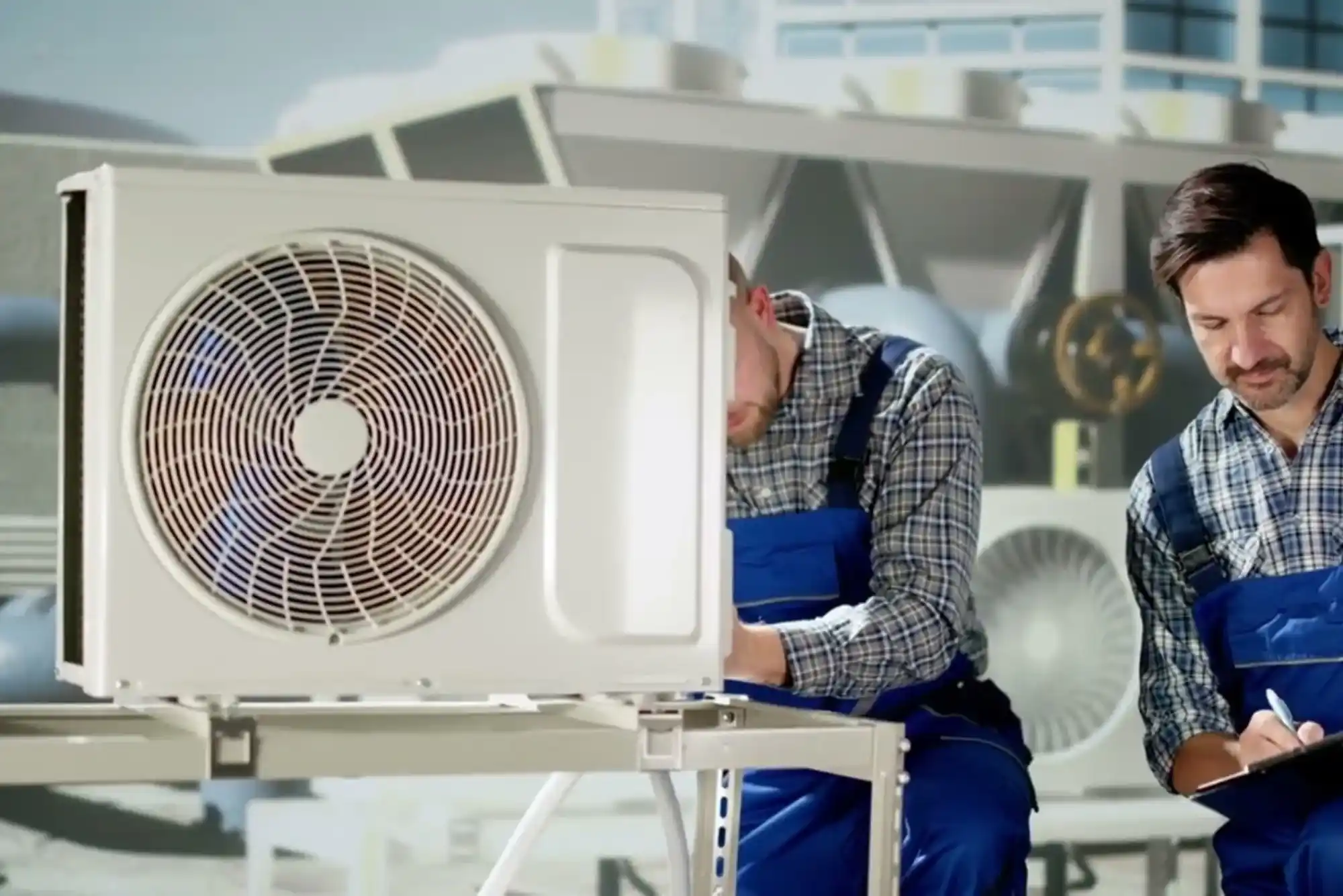
Professional AC services are essential for achieving lasting AC indoor air circulation improvement. Trained technicians evaluate airflow patterns, inspect system components, and identify underlying issues that may not be visible to homeowners. Their expertise allows them to optimize airflow without compromising system safety or efficiency.
During professional inspections, airflow measurements help determine whether the system is distributing air evenly. Technicians can adjust fan settings, clean internal components, and address mechanical issues that restrict circulation. This comprehensive approach ensures that improvements are effective and sustainable.
Professional services also help tailor solutions based on specific property needs. Residential spaces, offices, and commercial buildings all require different airflow strategies. Customized adjustments ensure that indoor air circulation aligns with usage patterns and comfort expectations.
Health Benefits of Improved Air Circulation
AC indoor air circulation improvement has a direct impact on indoor health. Proper airflow reduces the buildup of airborne pollutants such as dust, pet dander, and mold spores. Continuous air movement ensures that these particles are captured by filters rather than lingering in living spaces.
Improved circulation also helps regulate indoor humidity, which plays a crucial role in preventing mold growth. Excess moisture creates an ideal environment for bacteria and fungi, leading to unpleasant odors and potential health risks. Balanced airflow supports effective humidity control, creating a fresher and healthier indoor atmosphere.
For individuals with allergies or respiratory conditions, improved air circulation can make a noticeable difference in daily comfort. Clean, well-circulated air reduces irritation and supports easier breathing, contributing to a higher quality of life indoors.
Long-Term Value of AC Indoor Air Circulation Improvement
Investing in AC indoor air circulation improvement provides long-term benefits beyond immediate comfort. Enhanced airflow reduces the frequency of breakdowns by minimizing stress on system components. This leads to fewer repairs and extends the lifespan of the air conditioning system.
Improved circulation also contributes to consistent performance throughout the year. Whether during peak summer heat or transitional seasons, a well-circulated indoor environment maintains stable temperatures without excessive energy use. This consistency adds value to both residential and commercial properties.
From an environmental perspective, efficient airflow reduces energy consumption and lowers carbon emissions. By optimizing air circulation, property owners contribute to sustainable energy use while enjoying reliable cooling performance.
Choosing the Right Approach for Air Circulation Improvement
Every property has unique airflow challenges, making it important to choose the right approach for AC indoor air circulation improvement. Professional assessments help identify specific issues and recommend solutions that align with system design and building layout.
Rather than focusing solely on cooling capacity, improving circulation emphasizes how air moves within the space. This holistic approach ensures that cooling efforts translate into real comfort and efficiency. Addressing airflow issues early prevents minor problems from developing into major system failures.
By prioritizing air circulation improvement, homeowners and businesses can enjoy a quieter, more effective, and healthier air conditioning experience. Proper airflow transforms an AC system from a basic cooling device into a comprehensive indoor comfort solution.
AC indoor air circulation improvement is a fundamental aspect of achieving optimal comfort, efficiency, and indoor air quality. Proper airflow ensures even cooling, reduces energy consumption, and protects the air conditioning system from unnecessary strain. It also enhances indoor health by promoting cleaner air and better humidity control.
Ignoring airflow issues can lead to discomfort, higher costs, and long-term system damage. By understanding the importance of air circulation and investing in professional maintenance and optimization, property owners can create a comfortable and healthy indoor environment year-round. Focusing on air circulation improvement is not just about cooling faster but about cooling smarter and living better.