Air conditioning is essential for comfort in Dubai, where temperatures can soar during most of the year. An air conditioner that fails to cool properly can be frustrating, affect productivity, and increase electricity bills. The issue of an AC not cooling properly is common, but it can have multiple causes. Understanding these causes, identifying warning signs, and knowing when to call a professional are crucial steps in maintaining a well-functioning AC system.
This guide provides a detailed overview of the reasons behind cooling inefficiencies, methods for diagnosis, professional repair solutions, and preventive measures to ensure your air conditioning system functions optimally.
Understanding Why Your AC Is Not Cooling Properly
Several factors can cause an air conditioner to fail in maintaining the desired indoor temperature. The most common issues are mechanical, electrical, or environmental. One major reason is a dirty or clogged air filter. Over time, dust, pollen, and debris accumulate on filters, restricting airflow and reducing the AC’s ability to cool the air efficiently. This problem not only affects comfort but can also strain the AC system, leading to potential damage.
Another frequent cause is low refrigerant levels or leaks. Refrigerant is the substance that absorbs heat from inside your home and releases it outdoors. If the refrigerant is insufficient due to leaks, the AC cannot absorb heat effectively, resulting in poor cooling. Low refrigerant levels also indicate a possible leak, which requires professional inspection and repair.
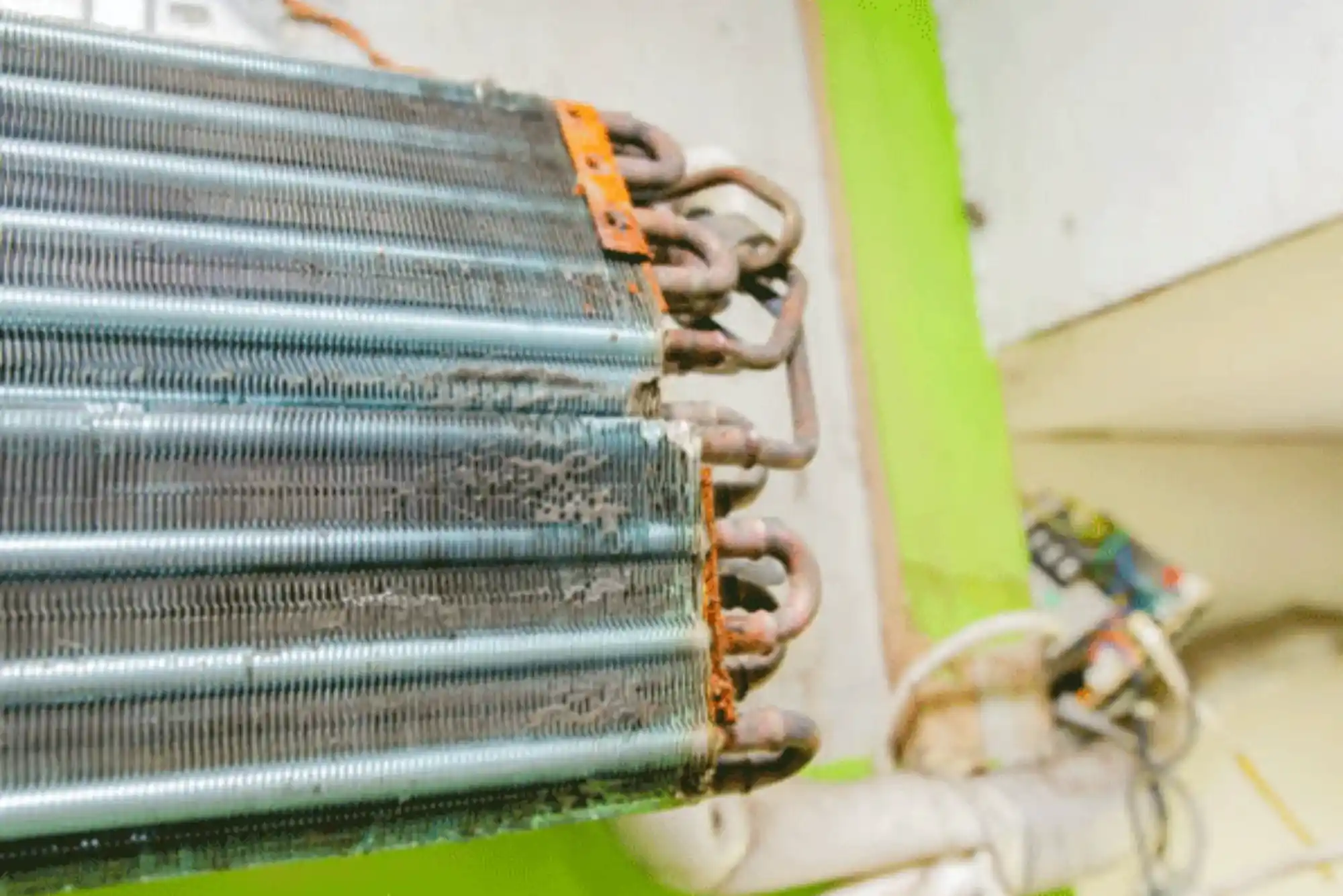
Additionally, dirty or blocked condenser coils can hinder cooling performance. The condenser is responsible for expelling heat from the indoor air to the outdoors. If the coils are covered in dirt or debris, the AC system cannot release heat properly, leading to warm air circulation inside the room. Electrical issues, such as malfunctioning capacitors, thermostats, or circuit boards, are also common causes of an AC not cooling properly. These components regulate the AC’s operation and ensure the compressor and fans function correctly.
Early Signs of AC Not Cooling Properly
Detecting cooling issues early can prevent extensive damage and costly repairs. Homeowners should look for reduced airflow, uneven cooling, and unusual noises during operation. If certain rooms remain warmer than others despite running the AC, it may indicate duct blockage, refrigerant issues, or fan problems.

Another warning sign is increased electricity bills without a change in usage. A malfunctioning AC consumes more energy as it struggles to reach the desired temperature. Foul odors from the vents can also signal mold or bacterial growth in the system, affecting both cooling and air quality. Early recognition of these symptoms allows timely professional intervention, preventing more severe system failures.
How Professionals Diagnose Cooling Problems
Professional AC technicians follow a structured approach when diagnosing an AC not cooling properly fix. They start by inspecting the air filter and vents. Replacing or cleaning filters is often the simplest solution but has a significant impact on cooling efficiency.
Next, technicians check refrigerant levels and look for leaks. Handling refrigerants requires expertise and precision, making professional service essential. Technicians use specialized tools to detect leaks and recharge refrigerant safely, restoring optimal cooling.
Inspecting condenser and evaporator coils is another key step. Dirty coils reduce heat transfer efficiency, so cleaning or servicing these components ensures better cooling performance. Electrical components such as capacitors, motors, and thermostats are also evaluated to verify their functionality. By performing these checks, professionals can identify the root cause of cooling issues and determine the most effective solution.
Effective Repairs for AC Not Cooling Properly
Once the problem is identified, repair solutions are implemented. Cleaning or replacing air filters, ducts, and vents can often restore proper airflow and cooling. If refrigerant levels are low, technicians carefully recharge the system and repair any leaks.
Electrical repairs are also critical. A faulty capacitor or thermostat can prevent the compressor and fan from operating efficiently. Replacing these components ensures the system functions correctly. In some cases, older AC units may require compressor replacement or major component upgrades to restore full performance. Professionals evaluate whether repairs are cost-effective compared to replacing the system, ensuring homeowners receive the best solution for long-term cooling.
The Role of Maintenance in Preventing AC Issues
Preventive maintenance is key to avoiding an AC not cooling properly fix in the first place. Regular servicing, including filter cleaning, coil inspection, and refrigerant level checks, ensures the system operates efficiently. Homeowners should schedule professional maintenance at least once a year to detect potential problems early.
Proper installation is equally important. An AC system that is too small for the space cannot cool effectively, while an oversized system may cycle on and off frequently, causing inefficiency and wear. Professional installation ensures the system is correctly sized and optimized for energy efficiency and performance.
Environmental and Usage Factors
Sometimes, cooling issues are influenced by environmental and usage factors rather than mechanical faults. For instance, high indoor temperatures and excessive sunlight exposure can overload the AC, making it difficult to maintain comfort. Using curtains or blinds to reduce heat gain can support the AC’s performance.
Frequent door openings, poorly insulated windows, or leaking ducts can also reduce cooling efficiency. Addressing these factors alongside professional repairs ensures a consistent and comfortable indoor environment.
Benefits of Professional AC Repair Services
While some minor issues can be managed by homeowners, most AC problems require professional expertise. Professional technicians have the knowledge, tools, and experience to diagnose issues accurately and implement long-lasting solutions. Attempting to handle refrigerant leaks or electrical repairs without proper training can be dangerous and may worsen the problem.
Expert AC repair ensures energy efficiency, reliable cooling, and extended system lifespan. Additionally, professional services often include warranties on parts and labor, giving homeowners confidence that the repair will last. Investing in expert service also prevents repeated issues, saving time and money over the long term.
Case Study: How Expert Intervention Restores Cooling
Consider a residential property in Dubai where the AC was not cooling properly despite running continuously. Upon inspection, the technicians found clogged condenser coils, a leaking refrigerant line, and a failing capacitor. By cleaning the coils, repairing the leak, and replacing the capacitor, the AC system was restored to full functionality. The homeowner experienced improved cooling, lower electricity bills, and long-term reliability.
This example highlights how professional diagnosis and repair directly impact performance, comfort, and cost savings. It also reinforces the importance of addressing issues promptly before they escalate into major failures.
Long-Term Solutions for AC Performance
In addition to immediate repairs, long-term strategies ensure the AC continues to operate efficiently. Regular maintenance, proper usage, and timely upgrades are essential. Homeowners should monitor refrigerant levels, airflow, and energy consumption regularly. Implementing energy-efficient practices, such as using programmable thermostats and reducing heat gain, complements professional repair work.
For older systems, upgrading to newer, energy-efficient AC units may be the most cost-effective solution. Modern units offer advanced features, including inverter technology, improved refrigerants, and better airflow management, providing consistent cooling and reduced energy consumption.
An AC not cooling properly can disrupt comfort, increase energy bills, and indicate underlying issues in the system. Understanding the common causes, recognizing warning signs, and relying on professional technicians for diagnosis and repair are essential steps for restoring optimal cooling.
From clogged filters and refrigerant leaks to electrical malfunctions and environmental factors, multiple issues can affect performance. Professional AC repair services provide accurate diagnosis, effective repairs, and long-term solutions that enhance energy efficiency and system lifespan.
Investing in professional maintenance and timely repairs ensures that your air conditioner functions reliably, providing a comfortable indoor environment regardless of external temperatures. Whether it involves minor servicing or major repairs, expert intervention is the most reliable solution for an AC not cooling properly fix, keeping your home or office cool, safe, and energy-efficient throughout the year.