Air conditioning systems are designed to operate with a precise amount of refrigerant. This carefully balanced level ensures optimal cooling performance, energy efficiency, and long-term reliability. When the refrigerant level exceeds the manufacturer’s recommended capacity, the system becomes overcharged. Understanding AC refrigerant overcharge symptoms is critical for homeowners and business owners who want to prevent expensive damage and maintain comfortable indoor environments. While many people worry about refrigerant leaks and low levels, overcharging can be just as harmful and sometimes even more destructive to the system.
In this comprehensive guide, we will explore AC refrigerant overcharge symptoms in detail, explain how overcharging affects system components, and highlight why a professional ac repair service is essential for correcting the issue safely and effectively.
Understanding How Refrigerant Works in an AC System
Refrigerant is the lifeblood of any air conditioning system. It circulates through the evaporator coil, compressor, condenser coil, and expansion valve, absorbing heat from indoor air and releasing it outside. The process depends on carefully controlled pressure and temperature changes. The system is engineered to operate within a specific refrigerant charge level. Too little refrigerant results in insufficient cooling, while too much creates excessive pressure and mechanical strain.
Modern air conditioners are sealed systems, meaning refrigerant should not need regular topping up unless there is a leak or improper servicing. When an inexperienced technician adds refrigerant without accurate measurement, it can lead to an overcharged system. Recognizing AC refrigerant overcharge symptoms early can help prevent compressor failure and system breakdown.
What Causes Refrigerant Overcharge
Refrigerant overcharge usually occurs during maintenance or repair. Sometimes technicians misinterpret pressure readings or fail to follow manufacturer specifications. In other cases, a system may be recharged without fully recovering the existing refrigerant, leading to excessive volume inside the sealed system.
Another common cause is incorrect diagnosis. If a cooling problem is mistakenly assumed to be low refrigerant, additional refrigerant may be added unnecessarily. This improper approach highlights the importance of hiring a qualified ac repair service that uses precise measuring tools and follows proper charging procedures.
Early AC Refrigerant Overcharge Symptoms
One of the first AC refrigerant overcharge symptoms is reduced cooling efficiency. Many people assume that more refrigerant means better cooling, but the opposite is true. When refrigerant levels are too high, the condenser cannot release heat effectively. This results in warmer air blowing from the vents despite the system running continuously.
Another early sign is unusually high pressure readings. Overcharging increases head pressure within the system. This added stress forces the compressor to work harder, which can quickly escalate into mechanical failure if not corrected.
Higher-than-normal energy bills are also common. When the compressor struggles against excessive pressure, it consumes more electricity. If you notice a sudden increase in power usage without a change in thermostat settings, AC refrigerant overcharge symptoms may be the underlying cause.
Poor Cooling Performance Despite Continuous Operation
An overcharged air conditioner often runs for extended periods without achieving the desired indoor temperature. The system may appear to be functioning normally, but the cooling output remains weak. This happens because excess refrigerant floods the condenser, preventing proper heat exchange.
Instead of cycling off when the set temperature is reached, the system keeps running. This continuous operation not only increases energy consumption but also accelerates wear and tear on critical components. Professional ac repair service technicians can diagnose this condition by evaluating pressure levels and temperature differentials.
Unusual Noises from the Compressor
The compressor is one of the most expensive parts of an air conditioning system. When refrigerant is overcharged, the compressor may produce unusual sounds such as rattling, humming, or knocking. These noises occur because liquid refrigerant can enter the compressor, a condition known as liquid slugging.
Compressors are designed to compress vapor, not liquid. When liquid refrigerant enters the chamber, it can damage internal components. If ignored, this may lead to total compressor failure. Among all AC refrigerant overcharge symptoms, unusual compressor noise is one of the most urgent warning signs.
High Discharge Temperature and Pressure
Technicians often detect AC refrigerant overcharge symptoms by measuring discharge pressure and temperature. Overcharged systems show abnormally high readings on the high-pressure side. Elevated discharge temperatures can overheat the compressor and degrade lubricating oil.
This overheating condition shortens the lifespan of the compressor and other connected parts. Without prompt intervention from a skilled ac repair service, the damage can become irreversible.
Ice Formation on the Evaporator Coil
Although icing is more commonly associated with low refrigerant, it can also appear in overcharged systems under certain conditions. When pressure imbalances occur, airflow and temperature regulation become inconsistent. This may cause parts of the evaporator coil to freeze.
Ice buildup restricts airflow and further reduces cooling efficiency. If you observe ice formation along with poor cooling and high energy bills, AC refrigerant overcharge symptoms should be considered as a possible cause.
Frequent System Shutdowns
Modern air conditioning systems are equipped with safety switches to protect against extreme pressure. When refrigerant levels are too high, the high-pressure switch may activate, causing the system to shut down unexpectedly.
Frequent cycling or abrupt shutdowns are serious AC refrigerant overcharge symptoms that require immediate attention. Ignoring this issue can lead to electrical damage or compressor burnout.
Impact on Compressor Lifespan
The compressor is the heart of the air conditioning system, and it is particularly vulnerable to refrigerant overcharge. Excess refrigerant increases internal pressure, forcing the compressor to work harder than designed. Over time, this strain causes overheating, oil breakdown, and mechanical wear.
Replacing a compressor is one of the most expensive AC repairs. Addressing AC refrigerant overcharge symptoms early through professional ac repair service can save significant repair costs and extend system life.
How Professionals Diagnose Overcharge
Accurate diagnosis requires specialized equipment and technical expertise. Professional technicians use manifold gauges, thermometers, and manufacturer specifications to determine correct refrigerant levels. They measure superheat and subcooling values to confirm whether the system is overcharged.
Attempting to diagnose refrigerant issues without proper tools can lead to further imbalance. That is why hiring an experienced ac repair service is essential for safe and precise correction.
Correcting an Overcharged System
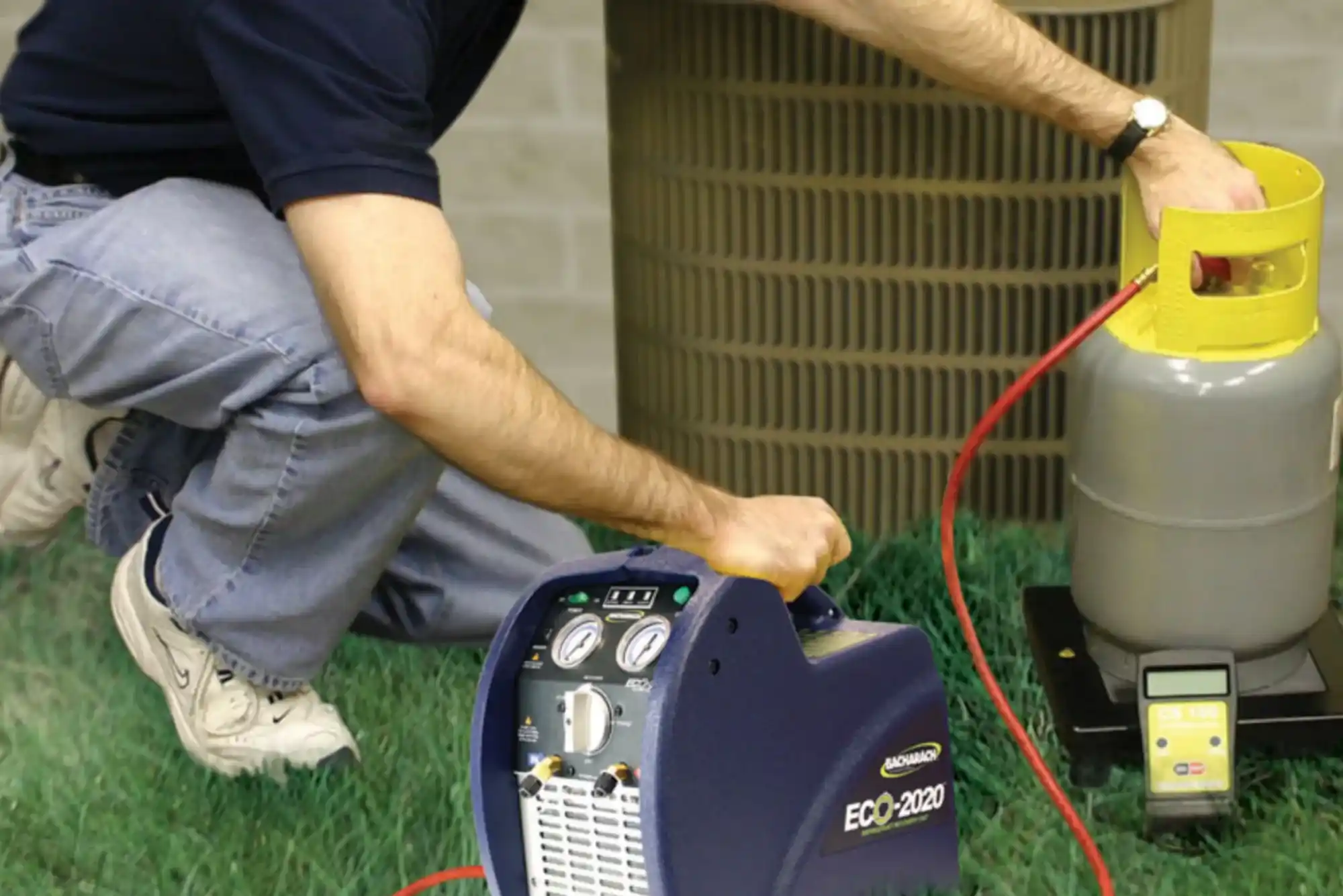
The only proper way to fix an overcharged air conditioner is to recover excess refrigerant using certified recovery equipment. Technicians carefully remove the surplus refrigerant until system pressures return to recommended levels. The process must comply with environmental regulations to prevent refrigerant release into the atmosphere.
After adjusting refrigerant levels, the technician will test system performance, check airflow, and confirm stable operating pressures. Once corrected, cooling efficiency typically improves immediately.
Why DIY Solutions Are Risky
Handling refrigerant without certification is not only dangerous but often illegal. Refrigerants operate under high pressure and can cause injury if mishandled. In addition, improper handling can damage the environment.
DIY attempts to address AC refrigerant overcharge symptoms frequently lead to further complications. Professional ac repair service ensures compliance with safety standards and protects both equipment and occupants.
Preventing Refrigerant Overcharge in the Future
Preventive maintenance is the best strategy for avoiding refrigerant imbalance. Regular inspections allow technicians to verify refrigerant levels, clean coils, and detect early signs of performance issues.
Working with a reputable ac repair service ensures that any recharge procedure is performed according to manufacturer guidelines. Proper documentation and accurate measurement eliminate guesswork and reduce the risk of overcharging.
Long-Term Efficiency and Comfort
Air conditioning systems are significant investments. Maintaining correct refrigerant levels preserves energy efficiency, indoor comfort, and equipment reliability. When AC refrigerant overcharge symptoms are addressed promptly, the system can continue operating at peak performance.
Ignoring these warning signs may result in escalating repair costs, reduced cooling capacity, and premature system replacement. Timely intervention protects both financial investment and indoor air quality.
Final Thoughts on AC Refrigerant Overcharge Symptoms
Understanding AC refrigerant overcharge symptoms empowers homeowners and business owners to take quick action when cooling performance declines. Symptoms such as poor cooling, high energy bills, unusual compressor noise, frequent shutdowns, and elevated pressure readings should never be ignored.
An experienced ac repair service plays a crucial role in diagnosing and correcting refrigerant imbalance. With professional expertise, proper equipment, and adherence to safety standards, technicians can restore your system to optimal condition and prevent costly damage.