Modern air conditioners are far more sophisticated than the traditional cooling units of the past. Today’s systems come equipped with advanced technologies, including smart sensors, which monitor temperature, humidity, occupancy, and air quality to maintain optimal indoor comfort. While these sensors provide remarkable convenience and efficiency, their performance depends heavily on precise calibration. Air conditioner smart sensor calibration is essential to ensure accurate readings, energy savings, and the longevity of your cooling system.
In this article, we will explore the importance of smart sensor calibration, its benefits, the calibration process, warning signs of miscalibration, and professional service options. By understanding these aspects, homeowners and businesses can make informed decisions to maximize their air conditioning efficiency and comfort.
What Are Smart Sensors in Air Conditioners?
Smart sensors are advanced electronic components integrated into modern air conditioners repair. Unlike traditional thermostats that merely detect room temperature, smart sensors monitor multiple environmental factors. These include temperature fluctuations, humidity levels, occupancy, and sometimes even the presence of sunlight or heat generated by appliances.
The main purpose of these sensors is to enable the AC system to adjust its performance automatically. For instance, if a room is unoccupied, the sensor can signal the system to reduce cooling output, conserving energy. Conversely, when more people enter a room or the external temperature rises, the sensors trigger the AC unit to increase cooling.
Smart sensors provide several advantages over standard thermostats, including:
- Consistent temperature control throughout the room
- Enhanced energy efficiency
- Reduced wear on AC components
- Improved indoor air quality
However, all these benefits are contingent on the sensors functioning accurately. Any miscalibration can significantly impact comfort, energy consumption, and equipment lifespan.

Why Air Conditioner Smart Sensor Calibration Matters
Calibration is the process of verifying and adjusting a sensor’s readings to ensure accuracy. Over time, even the most advanced sensors can drift from their initial settings due to environmental factors, electrical fluctuations, or aging components. Without calibration, the sensor may send incorrect data to the AC system, causing improper cooling performance.
Several key issues arise from miscalibrated sensors:
Inconsistent Room Temperatures: Some areas may feel colder or hotter than others due to inaccurate sensor readings.
Increased Energy Consumption: The AC unit may overwork, resulting in higher electricity bills.
Reduced Equipment Lifespan: Continuous overcooling or overuse can damage compressors, fans, and coils.
Poor Indoor Air Quality: Sensors that incorrectly monitor humidity or air circulation can compromise air quality, affecting comfort and health.
Proper calibration ensures that the smart sensors provide precise data, allowing the AC system to operate efficiently, save energy, and maintain a comfortable environment.
The Process of Air Conditioner Smart Sensor Calibration
Calibrating smart sensors is a technical task that requires specialized knowledge and tools. The process generally involves several steps:
Verification of Sensor Readings
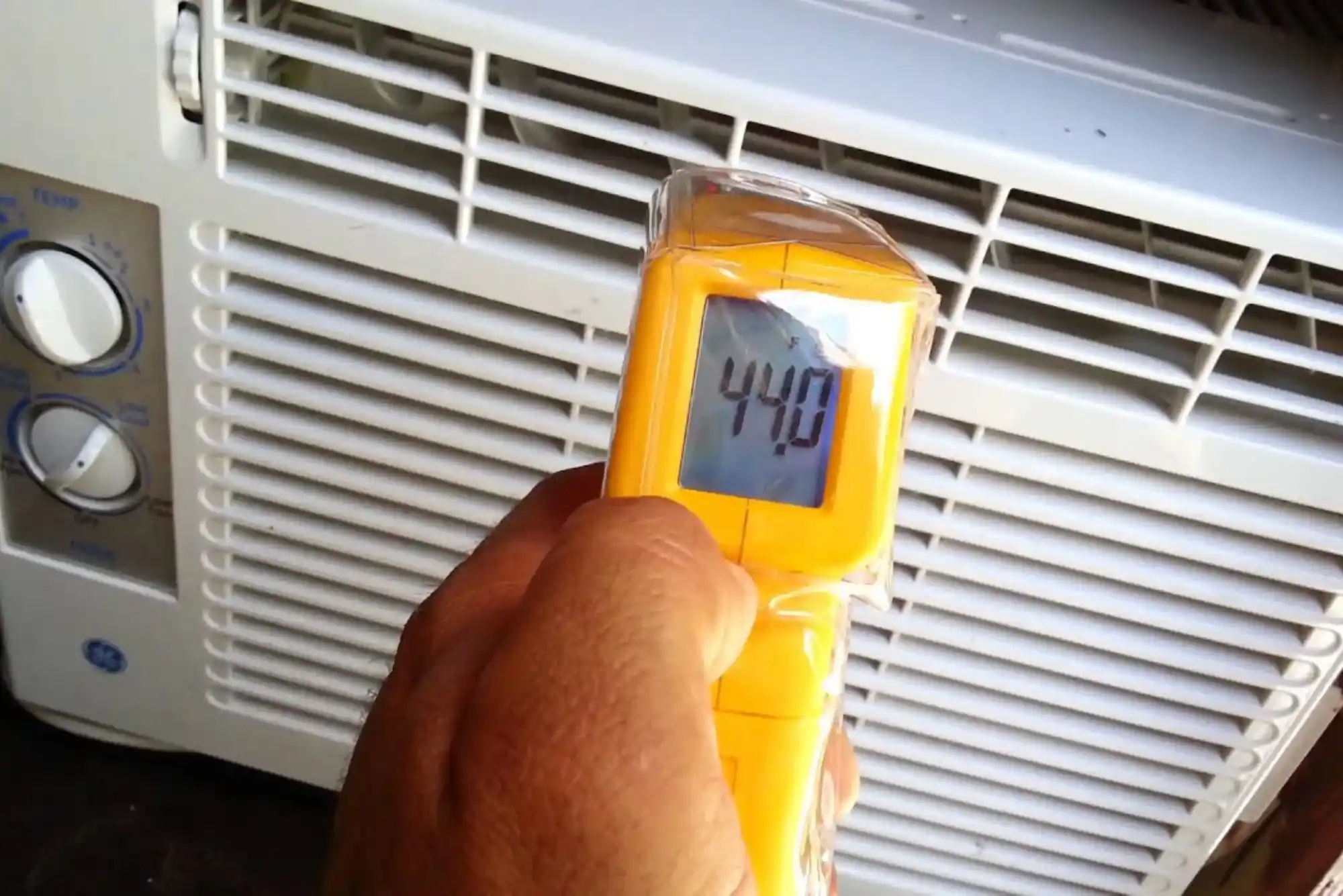
Technicians begin by checking the sensor’s current readings against a standard reference thermometer or humidity meter. This step helps identify any discrepancies between the sensor’s data and actual environmental conditions.
Adjustment of Sensor Parameters
Once discrepancies are detected, the technician adjusts the sensor’s parameters to align with accurate readings. Depending on the AC model, this may involve software-based calibration or manual adjustment of sensor components.
Comprehensive System Check
After calibration, the entire AC system is tested to ensure that the sensors and unit work in harmony. This includes verifying temperature consistency, airflow, humidity control, and response to occupancy.
Documentation and Recommendations
Professional technicians document the calibration results and may recommend additional maintenance if necessary. This ensures that the system continues to operate efficiently and that any potential issues are addressed proactively.
While some AC manufacturers provide basic calibration instructions for minor adjustments, professional calibration guarantees precision and prevents potential damage to the system.
Benefits of Smart Sensor Calibration
Air conditioner smart sensor calibration provides several tangible and long-term benefits:
Improved Cooling Efficiency
Calibrated sensors allow the AC unit to respond accurately to changes in temperature and occupancy. This precise control prevents overcooling or undercooling, ensuring that rooms remain comfortable at all times.
Energy Savings
Accurate sensor readings reduce unnecessary operation of the AC system. This results in lower electricity bills and decreased environmental impact. Over time, the energy savings can be substantial, making calibration a cost-effective investment.
Extended Equipment Lifespan
When sensors function correctly, the AC system avoids unnecessary strain. Components such as compressors, fans, and coils operate within optimal ranges, reducing wear and tear and minimizing the risk of breakdowns.
Enhanced Indoor Air Quality
Some smart sensors also monitor humidity and air quality. Proper calibration ensures that the AC system maintains appropriate humidity levels and air circulation, creating a healthier indoor environment.
Consistent Comfort
Properly calibrated sensors eliminate hot and cold spots within a room, maintaining consistent comfort regardless of room size, occupancy, or external weather conditions.
Signs Your AC Smart Sensors May Need Calibration
Even the most advanced AC systems can experience sensor drift over time. Homeowners and facility managers should look for the following warning signs:
Frequent Temperature Fluctuations: Rooms do not maintain the desired temperature consistently.
Uneven Cooling: Some areas feel warmer or cooler than others.
Longer Operating Hours: The AC runs continuously without achieving the set temperature.
Higher Energy Bills: Increased electricity usage despite no change in cooling habits.
Humidity or Air Quality Issues: The system fails to maintain proper indoor humidity or circulation.
Recognizing these signs early can prevent more serious issues and maintain optimal AC performance.
Frequency of Calibration
How often smart sensors need calibration depends on several factors, including AC usage, environmental conditions, and manufacturer recommendations. Typically, professional calibration is recommended every 12 to 24 months.
High-use systems, such as those in offices or commercial spaces, may require more frequent calibration. Similarly, environments with significant temperature fluctuations or heavy dust accumulation may accelerate sensor drift. Regular maintenance schedules should incorporate sensor calibration to ensure long-term efficiency.
DIY vs. Professional Calibration
Some AC units allow homeowners to perform minor adjustments to sensor readings. However, professional calibration offers several advantages:
Accuracy: Technicians use precise tools to ensure correct calibration.
Comprehensive Inspection: Professionals check all system components, identifying potential issues beyond sensor accuracy.
Manufacturer Compliance: Certified technicians follow manufacturer guidelines, maintaining warranty coverage.
Long-Term Savings: Professional calibration prevents costly repairs and prolongs equipment life.
For these reasons, professional calibration is highly recommended, especially for complex or high-end AC systems.
Choosing a Reliable Calibration Service
When selecting a service provider, consider the following:
Experience with Smart AC Systems: Technicians should have knowledge of modern sensors and cooling technologies.
Professional Certification: Look for certified HVAC professionals familiar with calibration procedures.
Reputation and Reviews: Choose companies with a proven track record of quality service.
Comprehensive Service: Ensure that the provider offers inspection, calibration, and maintenance recommendations.
A reliable service provider ensures that your air conditioner operates efficiently, providing comfort while minimizing energy consumption and repair costs.
Air conditioner smart sensor calibration is a critical step in maintaining modern cooling systems. Accurate sensor readings ensure consistent comfort, reduce energy consumption, and extend the lifespan of your equipment. Miscalibrated sensors can lead to inefficiency, higher costs, and uneven cooling.
Investing in professional calibration services guarantees that your AC system performs optimally, offering precise control over temperature, humidity, and indoor air quality. Regular calibration, combined with routine maintenance, is a proactive approach that enhances comfort, efficiency, and sustainability.