Air conditioning systems have become an essential part of modern living, especially in regions where temperatures rise significantly during summer. However, like any mechanical system, air conditioners can develop faults over time. Understanding air conditioning system diagnostics is crucial for identifying problems early and ensuring that your unit continues to function efficiently. Proper diagnostics not only improve cooling performance but also extend the lifespan of the system and reduce energy consumption.
An air conditioning system consists of several interconnected components, including the compressor, condenser, evaporator coil, expansion valve, and refrigerant lines. When any of these components fail or operate inefficiently, the entire system’s performance is affected. Diagnostics involve a systematic approach to identifying the root cause of these issues rather than just addressing surface-level symptoms. This approach helps technicians provide accurate and long-lasting solutions.
Understanding How Air Conditioning Systems Work
Before diving into diagnostics, it is important to understand the basic working principle of an air conditioning system. The system operates by transferring heat from the indoor environment to the outside. Refrigerant plays a vital role in this process by absorbing heat inside the room and releasing it outdoors through a continuous cycle.
When the system is running properly, it maintains a comfortable indoor temperature and humidity level. However, when there is a disruption in the cycle, such as low refrigerant levels or a faulty compressor, cooling efficiency drops significantly. Air conditioning system diagnostics focus on identifying these disruptions and restoring the system to optimal performance.
Common Signs That Indicate Diagnostic Is Needed
There are several warning signs that suggest your Air Conditioning System requires immediate attention. Reduced cooling efficiency is one of the most noticeable issues. If the air coming from the vents is not as cool as it should be, it may indicate problems such as refrigerant leakage or compressor malfunction.
Unusual noises are another indicator. Grinding, buzzing, or rattling sounds often point to mechanical issues within the system. Similarly, unpleasant odors coming from the AC vents may suggest mold growth or electrical problems. Frequent cycling, where the AC turns on and off repeatedly, is also a sign that something is wrong and needs proper diagnostics.
Water leakage around the indoor unit is another common issue. This could be due to a clogged drain line or frozen evaporator coils. Ignoring these signs can lead to more serious damage, making timely diagnostics essential.
Importance of Professional Air Conditioning System Diagnostics
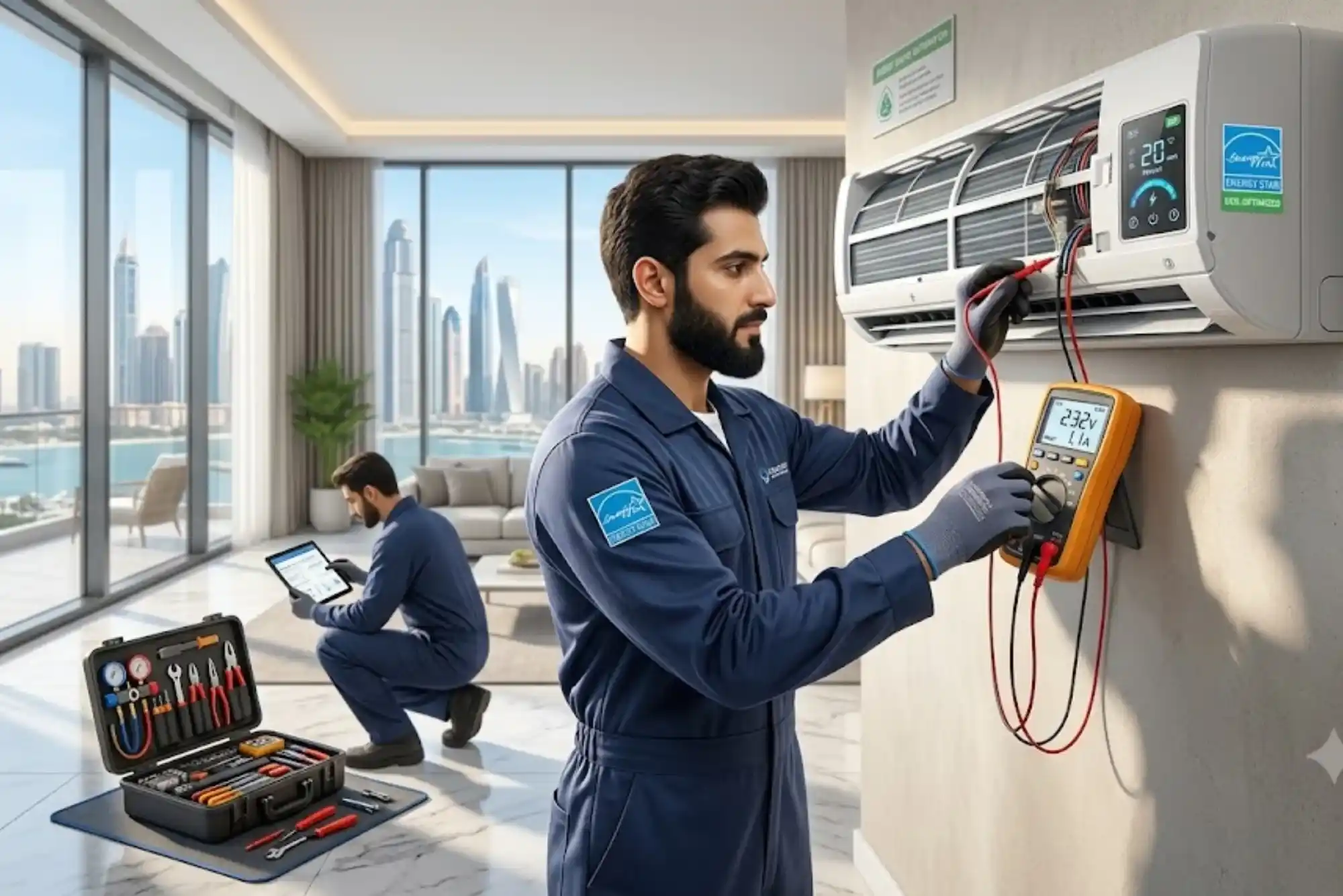
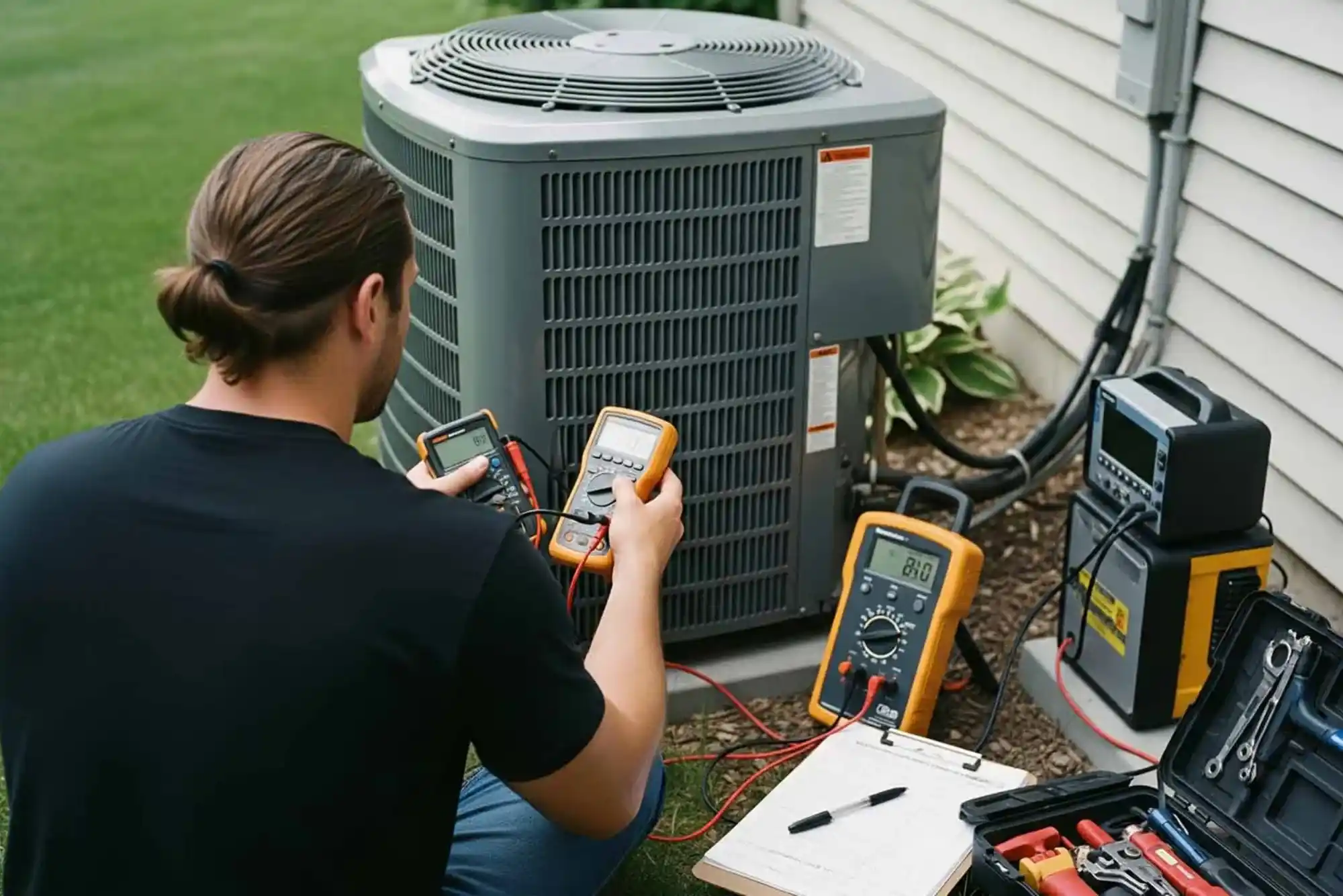
While some minor issues can be identified visually, most problems require professional expertise. Certified technicians use advanced tools and techniques to perform accurate air conditioning system diagnostics. These tools include pressure gauges, digital thermometers, leak detectors, and electrical testing devices.
Professional diagnostics ensure that the exact problem is identified without unnecessary guesswork. This not only saves time but also prevents the replacement of parts that are still functioning properly. Additionally, professional services help maintain warranty coverage and ensure that repairs are performed according to safety standards.
Diagnosing Refrigerant-Related Issues
Refrigerant plays a critical role in the cooling process. Low refrigerant levels can significantly reduce the system’s efficiency and cause the evaporator coil to freeze. During diagnostics, technicians check refrigerant pressure levels to determine whether there is a leak or improper charge.
Leaks are often found in joints, connections, or coils. Identifying and repairing these leaks is essential before recharging the system. Simply adding more refrigerant without fixing the leak will not solve the problem and may lead to repeated issues. Proper air conditioning system diagnostics ensure that refrigerant-related problems are handled effectively.
Electrical System Inspection and Fault Detection
Air conditioning systems rely heavily on electrical components such as capacitors, relays, contactors, and wiring. Faulty electrical components can prevent the system from starting or cause it to shut down unexpectedly. Diagnostics involve checking voltage levels, inspecting wiring connections, and testing electrical parts for proper functionality.
Capacitors, for example, are responsible for starting the compressor and fan motors. If a capacitor fails, the system may struggle to start or produce unusual noises. Identifying such issues early through diagnostics helps prevent complete system failure.
Airflow Problems and Their Impact on Performance
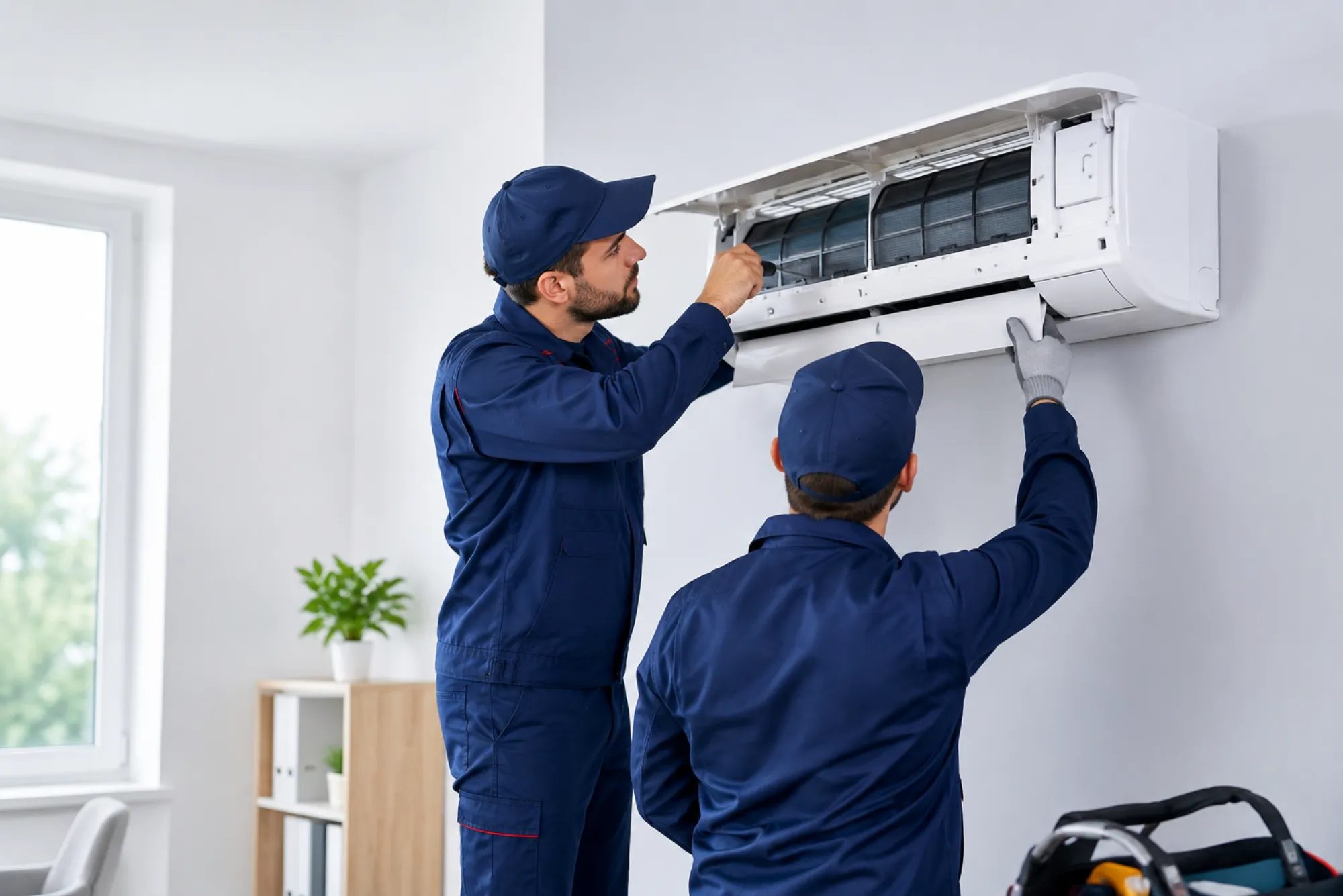
Proper airflow is essential for efficient cooling. Blocked air filters, dirty coils, or malfunctioning fans can restrict airflow and reduce system performance. During diagnostics, technicians inspect air filters, ductwork, and blower fans to ensure that air is circulating properly.
Clogged filters are one of the most common causes of airflow problems. When airflow is restricted, the system has to work harder, leading to increased energy consumption and wear on components. Regular maintenance and timely diagnostics can prevent these issues and keep the system running smoothly.
Compressor and Condenser Unit Diagnostics
The compressor is often referred to as the heart of the air conditioning system. It is responsible for circulating refrigerant throughout the system. If the compressor fails, the entire cooling process is disrupted. Diagnostics involve checking compressor performance, electrical connections, and pressure levels.
The condenser unit, located outside, plays a crucial role in releasing heat. Dirt, debris, or damage to the condenser coils can affect heat dissipation. Technicians inspect the condenser for blockages and ensure that it is operating efficiently. Proper Air Conditioning System Diagnostics help identify whether the issue lies with the compressor, condenser, or both.
Thermostat Calibration and Control Issues
The thermostat acts as the control center of the air conditioning system. If it is not calibrated correctly, it can cause inaccurate temperature readings and improper system operation. Diagnostics include checking thermostat settings, calibration, and communication with the system.
A faulty thermostat may cause the AC to run longer than necessary or shut off prematurely. Modern smart thermostats may also experience software or connectivity issues. Ensuring that the thermostat is functioning correctly is an important part of overall system diagnostics.
Preventive Maintenance and Long-Term Efficiency
Preventive maintenance plays a key role in reducing the need for frequent repairs. Regular servicing includes cleaning coils, replacing filters, checking refrigerant levels, and inspecting electrical components. These steps help identify potential issues before they become major problems.
Air conditioning system diagnostics performed during routine maintenance can significantly improve energy efficiency and extend the lifespan of the unit. A well-maintained system not only cools better but also consumes less electricity, resulting in lower utility bills.
When to Seek Immediate Diagnostic Services
Certain situations require immediate attention to prevent further damage. If the system stops working completely, emits burning smells, or trips the circuit breaker repeatedly, it is important to seek professional help right away. Delaying diagnostics in such cases can lead to costly repairs or even complete system replacement.
Water leakage, ice formation on coils, and sudden spikes in energy bills are also signs that should not be ignored. Prompt air conditioning system diagnostics ensure that these issues are resolved quickly and efficiently.
Ensuring Reliable Cooling Through Proper Diagnostics
Air conditioning system diagnostics are essential for maintaining the efficiency, reliability, and longevity of your AC unit. By identifying problems early and addressing them with precision, diagnostics help prevent major breakdowns and costly repairs. From refrigerant issues and electrical faults to airflow problems and thermostat malfunctions, a comprehensive diagnostic approach covers all aspects of the system.
Regular maintenance combined with professional diagnostics ensures that your air conditioning system continues to deliver optimal cooling performance. Investing in timely diagnostics not only enhances comfort but also protects your appliance and reduces long-term expenses.