Dishwashers have become essential appliances for many households, helping families save time, conserve water, and maintain a hygienic kitchen. While the benefits of having a dishwasher are undeniable, homeowners often face a crucial decision when purchasing one: whether to choose a built-in dishwasher or a portable dishwasher. Each option has distinct advantages and drawbacks depending on the space, lifestyle, and budget of the household. Understanding these differences is key to making a smart investment that enhances convenience without compromising practicality.
Understanding Built-In Dishwashers
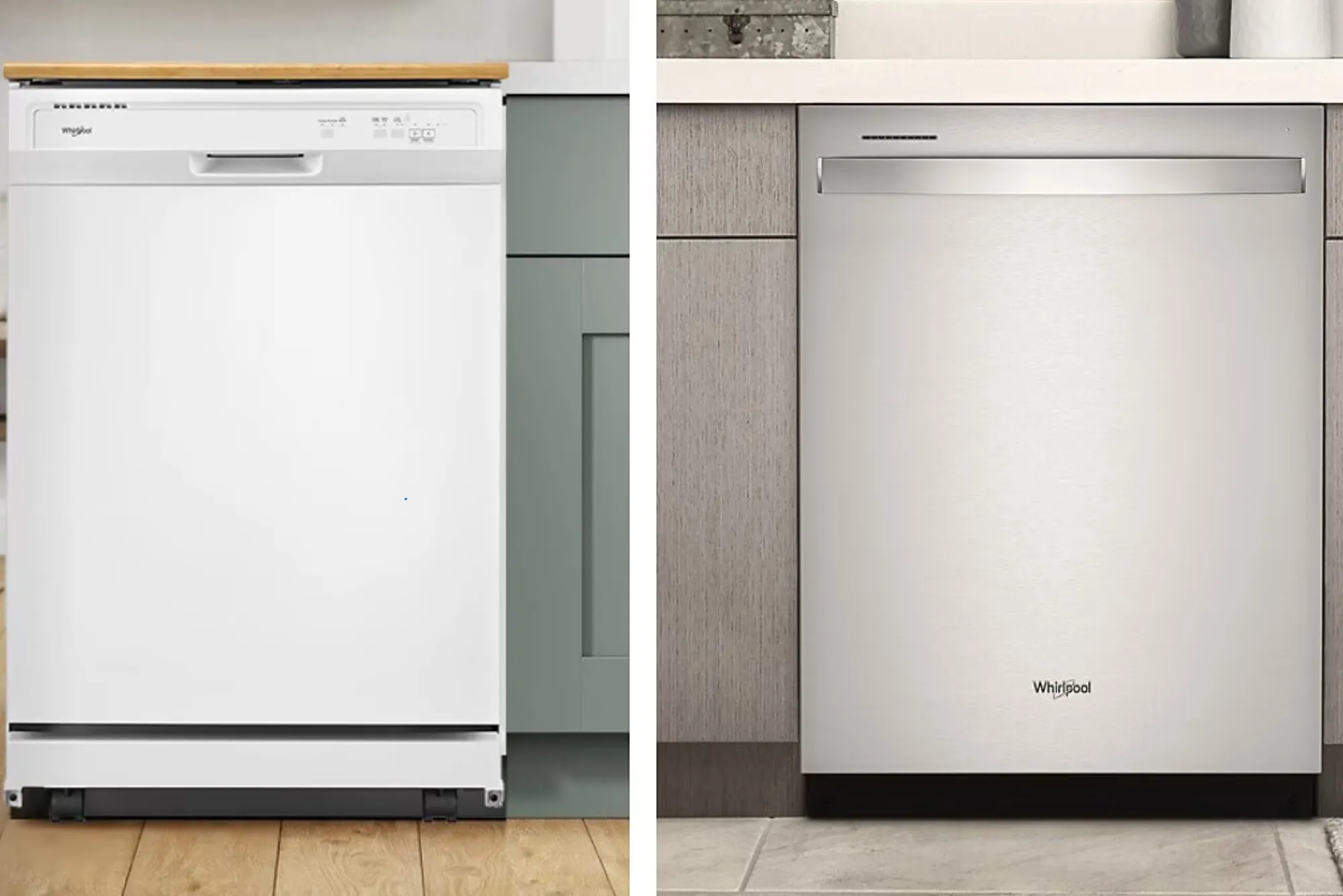
Built-in dishwashers are installed directly into kitchen cabinetry, typically placed beneath the countertop near the sink for easy access to plumbing. They have become the standard choice for many modern homes, as they blend seamlessly into kitchen designs and provide a sense of permanence. Homeowners often prefer built-in models because they are designed for daily use, with features that make them efficient and reliable for larger families.
The integration of built-in dishwashers offers a sleek aesthetic that many homeowners value. They free up floor space, allowing kitchens to remain organized and clutter-free. These appliances usually connect directly to the home’s plumbing, which means there is no need to move or attach them each time you want to run a cycle. For busy households, this convenience can be a major benefit.
However, built-in dishwashers are not without limitations. They require a designated space in the cabinetry, which might not be available in smaller kitchens or in rental apartments where structural modifications are not possible. Additionally, installation often requires professional help, adding to the upfront cost. Still, for those with the available space and resources, built-in dishwashers remain a top choice for long-term efficiency and performance.
Exploring Portable Dishwashers
Portable dishwashers offer a flexible solution for those who cannot accommodate a built-in model. Unlike their built-in counterparts, portable dishwashers are free-standing units that can be moved around the kitchen or even between different locations. They typically connect to a kitchen faucet when in use and are disconnected when the cycle is complete.
This mobility makes portable dishwashers particularly attractive for renters or individuals who frequently relocate. They do not require permanent installation, making them a practical choice for smaller kitchens or older homes without built-in dishwasher connections. Additionally, many portable dishwashers double as countertop space or storage units when not in use, offering multifunctional benefits in compact living areas.

The trade-off, however, is that portable dishwashers may not match the capacity or quiet operation of built-in models. They also require some effort each time they are used, as the user must connect and disconnect the appliance from the faucet. For some, this repeated setup can be inconvenient compared to the simplicity of a built-in dishwasher. Despite these drawbacks, portable dishwashers remain a valuable option for households seeking affordability, flexibility, and convenience without permanent kitchen modifications.
Comparing Convenience and Lifestyle Fit
When deciding between built-in and portable dishwashers, the choice often comes down to lifestyle and household size. Built-in dishwashers are ideal for larger families or individuals who cook frequently and need a reliable, permanent solution for cleaning large amounts of dishes. They are more efficient in the long run and provide the convenience of starting a cycle with minimal preparation.
Portable dishwashers, on the other hand, cater to smaller households, individuals living in apartments, or those who do not want to invest in permanent installations. Their mobility makes them suitable for renters who may move often, and their smaller capacity aligns well with the needs of individuals or couples. For people with limited space, portable dishwashers can double as functional furniture, further justifying their role in a compact home.
Cost Considerations
Budget plays a significant role in appliance decisions. Built-in dishwashers usually cost more upfront, not only for the unit itself but also for professional installation. However, their long-term reliability and higher capacity can make them a worthwhile investment for families. They may also add value to a property, which is appealing for homeowners looking to enhance resale potential.
Portable dishwashers are generally more affordable and do not require installation fees. They are an attractive choice for those on a tighter budget or for people who may not plan to stay in one residence long enough to justify installing a built-in unit. The main financial consideration is whether the convenience and integration of a built-in dishwasher outweigh the flexibility and lower cost of a portable one.
Energy and Water Efficiency
Modern dishwashers are designed with energy efficiency in mind, but built-in models often lead the way in this regard. Because they are connected directly to the home’s plumbing and electrical systems, they can incorporate advanced technology for water conservation and energy savings. Larger families running multiple cycles per week may benefit from these efficiencies over time.
Portable dishwashers have improved significantly in recent years, with many models offering eco-friendly wash cycles. However, their design sometimes limits the extent of efficiency features compared to built-in models. That said, for smaller households running fewer loads, the difference in utility consumption may not be significant enough to outweigh the benefits of portability.
Noise Levels and Performance
Another consideration is noise. Built-in dishwashers are designed to operate more quietly, with many modern models featuring advanced soundproofing. This is especially valuable in open-concept living spaces where a noisy dishwasher could disrupt family activities or relaxation.
Portable dishwashers, while functional, tend to be louder because they lack the built-in insulation of their fixed counterparts. For some households, the noise may not be a major concern, especially if the dishwasher is run at night or during times when it will not interfere with daily life. However, for those who value peace and quiet, a built-in model is often preferable.
Long-Term Practicality
For homeowners who plan to stay in one place and want to maximize convenience, built-in dishwashers offer long-term practicality. Their integration, efficiency, and quiet operation make them a reliable part of the kitchen for many years. They can also enhance property value, making them a solid investment in both function and resale.
Portable dishwashers, while not as permanent, shine in situations where flexibility is key. They are easy to move, require no remodeling, and can travel with their owners to a new residence. This adaptability makes them especially valuable for renters, students, or individuals with ever-changing living arrangements.
Making the Right Choice
Choosing between a built-in and a portable dishwasher ultimately depends on the specific needs of the household. Built-in dishwashers are best suited for families and homeowners seeking a permanent, efficient, and quiet solution that integrates into the kitchen seamlessly. Portable dishwashers, by contrast, are designed for flexibility, affordability, and practicality in smaller spaces or rental situations.
Both types of dishwashers have their strengths and weaknesses, and there is no one-size-fits-all answer. By considering factors such as budget, space, lifestyle, and long-term plans, households can make an informed decision that ensures their dishwasher meets both current needs and future expectations. Whether built-in or portable, the right dishwasher will transform kitchen cleanup into a faster, more efficient, and stress-free task.