Dishwashers have become one of the most reliable appliances in modern households and commercial kitchens, taking away the burden of manually washing piles of dishes. Yet, like any machine, dishwashers can develop issues over time. When something goes wrong, many modern models display error codes to help users identify the problem.
While these codes may look confusing at first glance, they are actually a useful communication tool that helps you understand what your appliance needs. By learning how to interpret and address common dishwasher error codes, you can save time, avoid unnecessary panic, and decide whether a quick adjustment or professional repair is required.
Understanding the Purpose of Dishwasher Error Codes
Error codes are essentially diagnostic messages. Instead of leaving you guessing, your dishwasher alerts you with a symbol or a combination of numbers and letters. These codes are designed to pinpoint the root cause of a malfunction, whether it relates to water supply, drainage, heating, sensors, or electrical components.
Understanding these signals not only helps with quicker repairs but also prevents further damage that might occur if the issue is ignored. For example, a code indicating water leakage should never be overlooked, as it can result in flooding and damage to the flooring or cabinetry.
Common Causes Behind Dishwasher Errors
Many dishwashers today are equipped with highly sensitive sensors and control boards that monitor every stage of the wash cycle. When the system detects something unusual, it generates an error message. Issues may arise due to insufficient water supply, blocked filters, defective pumps, heating element failures, or electronic glitches. In some cases, an error may appear temporarily due to a minor interruption in the cycle, while in other situations, it can indicate a more serious problem that requires professional attention.
Error Codes Related to Water Supply
One of the most common categories of dishwasher error codes relates to water supply issues. These codes usually appear when the appliance cannot draw in enough water or when the pressure is too low. A kinked inlet hose, a closed water valve, or a clogged filter can prevent water from flowing properly. Some dishwashers also signal errors if the water entering the unit is not at the correct temperature. Since dishwashers rely on a specific amount of water to clean effectively, even a slight disruption can stop the cycle and trigger an error. Ensuring that the water source is open and free from obstructions often resolves this type of issue, but if the code persists, it might indicate a faulty inlet valve or pressure switch.

Drainage and Pump-Related Error Codes
Another set of error messages appears when a dishwasher fails to drain water correctly. If dirty water remains in the bottom of the tub after a cycle, the control panel may display a code related to the drain pump, filters, or hose. Food particles, grease, or soap residue can easily clog the system, reducing water flow and causing the pump to overwork.
In more severe cases, the drain motor itself may fail, requiring a replacement. While basic clogs can often be cleared by cleaning filters and hoses, a persistent drainage error should be checked by a technician to avoid strain on the motor and prevent water leaks.
Heating and Temperature Errors
Dishwashers need hot water to dissolve detergent effectively and sanitize dishes. If the appliance detects that water is not reaching the required temperature, it may generate an error code linked to the heating element, thermostat, or sensor. Heating issues can be caused by faulty wiring, a damaged heating coil, or a malfunctioning temperature sensor.
Since these components are vital for both cleaning performance and hygiene, temperature-related errors should be taken seriously. Running a dishwasher with cold water may leave dishes greasy and unsanitary, and in the long run, it can damage internal parts due to residue buildup.
Sensor and Door Lock Error Codes
Modern dishwashers rely on multiple sensors to monitor conditions such as water levels, turbidity, and door position. If a door does not latch properly, the machine may refuse to start, displaying a relevant error code.
Similarly, if a sensor sends inaccurate readings, the control panel may interpret it as a malfunction. A door lock error is often easy to spot since the dishwasher will not begin the cycle. However, sensor-related issues are more subtle and require professional testing to confirm whether the sensor or control board is at fault.
Electrical and Control Board Issues
In addition to mechanical and plumbing-related codes, dishwashers may display errors linked to the control board, wiring, or electrical components. A short circuit, loose connection, or power surge can disrupt the communication between sensors and the control unit. These problems may cause random error codes to appear, even when the appliance seems to be functioning correctly. Resetting the dishwasher can sometimes clear the issue, but if the error recurs, the control board or wiring harness may need inspection by a qualified technician.
When to Attempt a Reset and When to Call a Professional
Not all dishwasher error codes require immediate repair. In some cases, a power interruption or temporary glitch can trigger a false error. Resetting the appliance by turning it off, unplugging it for a few minutes, and restarting the cycle can sometimes clear the code.
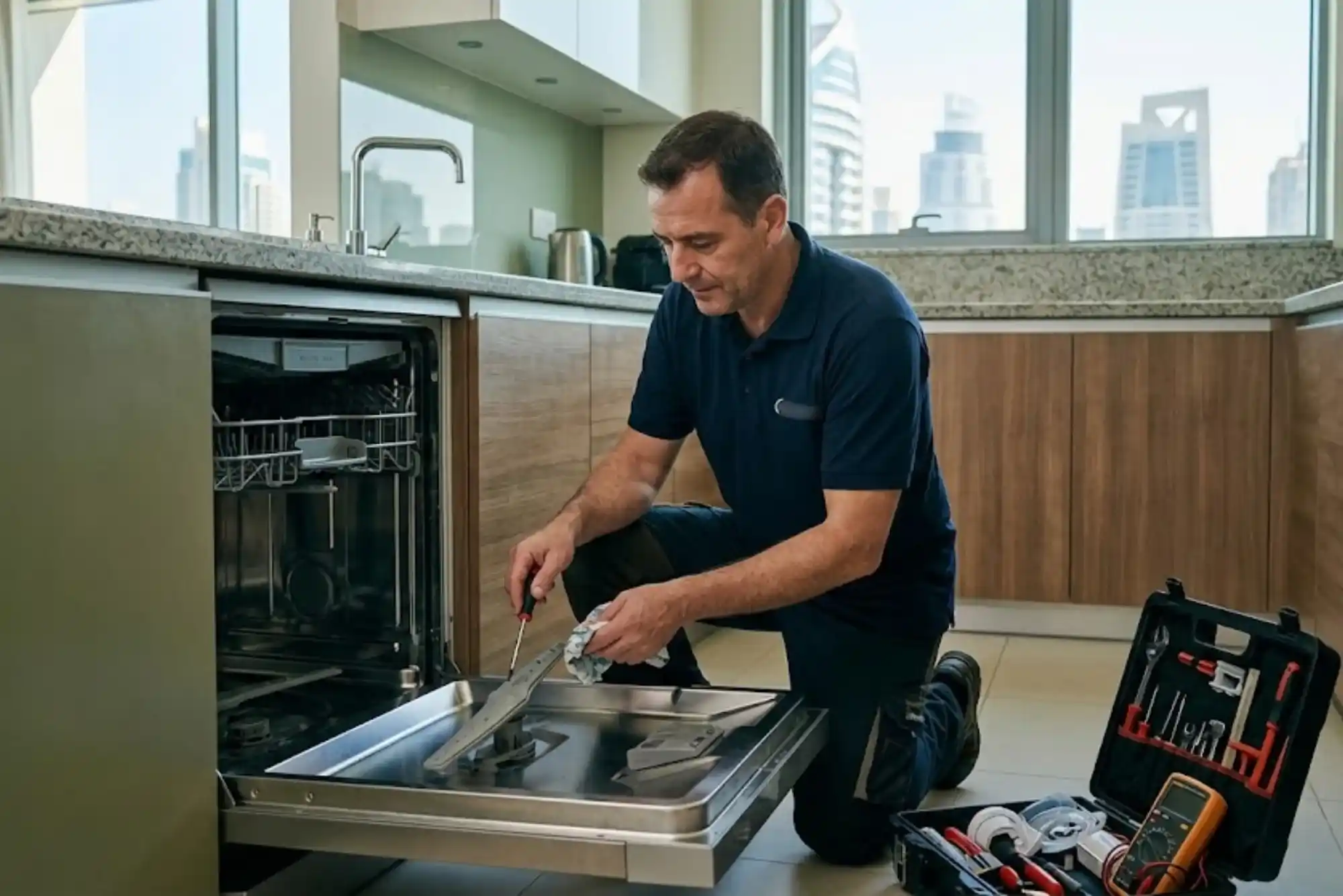
However, if the error reappears consistently or is related to drainage, heating, or leaks, professional service is recommended. Attempting to fix electrical or mechanical components without expertise can worsen the issue or create safety risks. A certified technician has the knowledge and tools to accurately diagnose the cause and carry out the correct repairs.
Preventing Dishwasher Errors Through Maintenance
Regular maintenance can significantly reduce the chances of error codes appearing. Cleaning the filter, ensuring the spray arms are not clogged, checking hoses for blockages, and running occasional cleaning cycles with specialized solutions all help keep the appliance in top condition. Additionally, using the correct detergent and following the manufacturer’s loading instructions prevent unnecessary strain on the system. Preventive care not only ensures smoother performance but also extends the lifespan of the dishwasher.
Why Understanding Error Codes Matters
For homeowners, understanding dishwasher error codes provides peace of mind. Instead of feeling helpless when an unfamiliar code appears, you can identify whether the problem is minor or requires professional attention. This knowledge helps in making informed decisions, saving unnecessary costs, and avoiding delays in daily routines. For businesses such as restaurants and catering services, quick error recognition is even more critical since downtime can disrupt operations.
Dishwasher error codes are more than just confusing combinations of letters and numbers; they are a built-in support system that helps you maintain your appliance efficiently. By learning to interpret these signals, you can prevent minor issues from escalating into major repairs.
From water supply interruptions to heating malfunctions, each code tells a story about what your dishwasher needs. While some issues can be resolved with simple checks and resets, others require the expertise of a professional technician. Regular maintenance further ensures that error codes remain a rare occurrence, allowing your dishwasher to perform reliably for years.