Refrigerators are among the most essential appliances in modern homes and commercial kitchens. They operate continuously to preserve food quality, maintain safe storage temperatures, and support daily routines. However, over time, many units begin to show signs of reduced efficiency. When cooling becomes inconsistent or weak, the need for fridge cooling performance enhancement becomes critical. Improving the cooling capability of a refrigerator is not merely about lowering the temperature setting; it requires a comprehensive understanding of system components, airflow, insulation, and mechanical integrity. In many cases, professional fridge repair service plays a decisive role in restoring optimal performance.
This detailed guide explores the causes of reduced cooling efficiency, practical enhancement strategies, and the importance of timely professional intervention.
Understanding How a Refrigerator Maintains Cooling
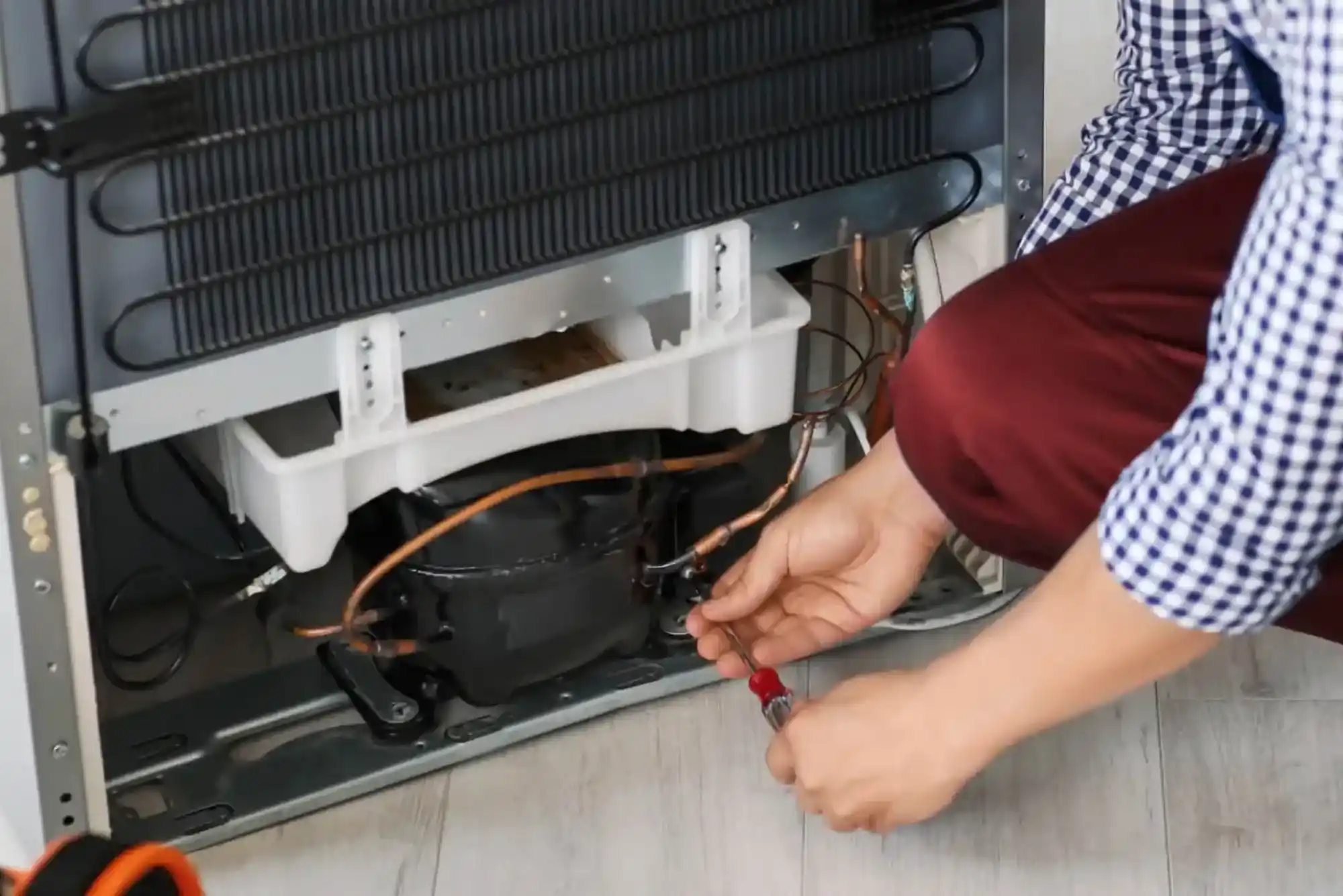
To achieve effective fridge cooling performance enhancement, it is important to understand how a refrigerator functions. A refrigerator operates through a closed-loop refrigeration cycle that includes the compressor, condenser coils, expansion device, and evaporator coils. Refrigerant circulates through these components, absorbing heat from inside the cabinet and releasing it outside.
The compressor compresses refrigerant gas, raising its temperature and pressure. The condenser coils dissipate this heat into the surrounding air. The refrigerant then passes through an expansion mechanism, reducing its pressure and temperature before entering the evaporator coils. Inside the evaporator, the refrigerant absorbs heat from the stored items, creating a cooling effect.
When any part of this cycle is compromised, cooling performance declines. Identifying and correcting these inefficiencies is central to successful fridge cooling performance enhancement.
Signs That Cooling Performance Needs Improvement
Refrigerators rarely fail suddenly without warning. Gradual symptoms often indicate that cooling efficiency is decreasing. Food spoiling faster than usual, uneven cooling between compartments, excess condensation, and prolonged compressor operation are all indicators of reduced performance.
Another common sign is frost accumulation inside the freezer or on the evaporator coils. While some frost is normal, excessive buildup restricts airflow and reduces cooling efficiency. These warning signs should never be ignored. Early intervention through maintenance or a reliable fridge repair service can prevent more serious damage.
Common Causes of Reduced Cooling Efficiency
Several factors contribute to declining cooling performance. Dust and debris accumulation on condenser coils is one of the most frequent causes. When coils are clogged, heat cannot dissipate properly, forcing the compressor to work harder.
Improper airflow inside the cabinet also reduces cooling effectiveness. Overloading shelves, blocking air vents, or storing warm food directly inside the fridge disrupts internal circulation.
Worn door gaskets are another significant factor. If the rubber seals are cracked or loose, cold air escapes and warm air enters, placing additional strain on the cooling system.
Mechanical issues such as refrigerant leaks, faulty thermostats, failing compressors, or damaged evaporator fans require professional evaluation. In such cases, comprehensive fridge cooling performance enhancement can only be achieved through expert fridge repair service.
The Importance of Regular Maintenance
Preventive maintenance plays a crucial role in preserving cooling performance. Routine cleaning of condenser coils, typically located at the back or beneath the unit, improves heat dissipation. Vacuuming or brushing these coils at least twice a year significantly enhances energy efficiency.
Checking and cleaning door seals ensures that cold air remains trapped inside. Testing the seal by closing the door on a thin sheet of paper can reveal gaps. If the paper slides out easily, the gasket may need replacement.
Interior organization also contributes to fridge cooling performance enhancement. Maintaining proper spacing between items allows air to circulate freely. Overcrowding restricts airflow, leading to uneven cooling and increased energy consumption.
Optimizing Temperature Settings for Performance
Many users attempt to improve cooling by lowering the thermostat excessively. While this may temporarily create a colder environment, it does not address underlying inefficiencies. The ideal refrigerator temperature is generally around 3 to 5 degrees Celsius, while the freezer should remain at approximately negative 18 degrees Celsius.
Maintaining these recommended settings supports efficient operation without overburdening the compressor. If the appliance struggles to maintain these temperatures despite proper settings, professional fridge repair service should be considered.
Airflow Management and Internal Circulation
Air circulation is fundamental to fridge cooling performance enhancement. Modern refrigerators rely on fans to distribute cold air evenly across compartments. When evaporator fans malfunction or vents become blocked, temperature imbalance occurs.
Users should avoid placing food items directly against rear walls or air vents. Allowing space between products improves circulation and ensures consistent cooling. In cases where airflow remains weak despite proper arrangement, internal fan components may require inspection by qualified technicians.
Addressing Frost and Ice Buildup
Excess frost is both a symptom and a cause of poor cooling performance. It restricts airflow and forces the compressor to operate longer. Automatic defrost systems are designed to prevent this issue, but they can fail due to faulty heaters, timers, or sensors.
If frost accumulation becomes excessive, unplugging the refrigerator temporarily to allow manual defrosting can restore airflow. However, recurring frost problems typically indicate mechanical faults. A professional fridge repair service can diagnose defrost system failures and restore efficient operation.
Compressor Efficiency and Cooling Enhancement
The compressor is the heart of the refrigeration system. Reduced compressor efficiency directly impacts cooling performance. Symptoms of compressor issues include loud noises, frequent cycling, or continuous operation without adequate cooling.
Fridge cooling performance enhancement at this stage often requires technical diagnostics. Low refrigerant levels due to leaks also reduce cooling capacity. Only licensed professionals should handle refrigerant-related repairs, as improper handling can damage the system and pose safety risks.
Energy Efficiency and Cooling Optimization
Improving cooling performance not only preserves food but also reduces energy consumption. An inefficient refrigerator consumes more electricity due to extended compressor runtime. By enhancing airflow, maintaining clean coils, and ensuring proper sealing, energy usage can be significantly reduced.
Upgrading outdated units with modern energy-efficient models is another long-term solution. However, before considering replacement, professional fridge repair service can often restore existing appliances to near-optimal efficiency at a lower cost.
Environmental Factors Affecting Cooling
External environmental conditions also influence refrigerator performance. High ambient temperatures force the system to work harder. Placing the refrigerator near ovens, direct sunlight, or heat-generating appliances can reduce efficiency.
Ensuring adequate ventilation space around the appliance supports proper heat dissipation. Leaving sufficient clearance behind and above the refrigerator improves airflow around condenser coils, contributing to overall fridge cooling performance enhancement.
The Role of Professional Fridge Repair Service
While basic maintenance can improve performance, complex mechanical issues demand expert attention. A professional fridge repair service provides comprehensive diagnostics using specialized tools. Technicians can identify hidden faults such as refrigerant leaks, compressor wear, thermostat calibration errors, and electronic control malfunctions.
Professional servicing ensures accurate repairs that restore factory-level cooling efficiency. Attempting DIY repairs on sealed system components can cause irreversible damage. Investing in qualified repair support not only enhances cooling performance but also extends appliance lifespan.
Long-Term Benefits of Cooling Performance Enhancement
When cooling performance is optimized, food remains fresher for longer periods, reducing waste and maintaining nutritional quality. Stable temperatures prevent bacterial growth and protect sensitive items such as dairy products and medications.
Enhanced cooling also reduces strain on mechanical components, minimizing wear and tear. Over time, this translates into fewer breakdowns and lower repair costs. The combined benefits of maintenance and timely fridge repair service create a reliable and energy-efficient appliance.
When Replacement Becomes Necessary
In some cases, despite repeated repairs, cooling performance cannot be fully restored due to aging components or obsolete technology. If repair costs approach the price of a new unit, replacement may be more practical. However, professional evaluation should always precede such decisions.
A trusted fridge repair service can provide honest assessments regarding repair viability versus replacement. Many cooling issues that appear severe are often repairable with cost-effective solutions.
Fridge cooling performance enhancement is a multifaceted process that involves maintenance, environmental adjustments, mechanical inspection, and professional expertise. Understanding how refrigeration systems operate empowers users to recognize early warning signs and take corrective action.
Regular cleaning, proper temperature management, and airflow optimization significantly improve efficiency. However, when underlying mechanical faults exist, professional fridge repair service becomes essential.