A dishwasher is one of the most valuable appliances in any modern kitchen, saving both time and energy while ensuring your dishes come out sparkling clean. However, like any appliance, a dishwasher requires consistent care and attention to function at its best. One of the components that often goes unnoticed but plays an important role in energy efficiency and drying performance is the heat exchanger. Not every dishwasher model is equipped with this feature, but for those that are, it becomes a critical part of the cleaning cycle. Learning how to clean the dishwasher heat exchanger, and understanding why it matters, can extend the life of your appliance and improve its overall performance.
Understanding the Dishwasher Heat Exchanger
Before delving into the cleaning process, it is important to understand what the heat exchanger does. The heat exchanger is a specialized chamber built into certain dishwashers, designed to regulate water temperature and reduce energy consumption. Instead of heating water rapidly with high energy output, the heat exchanger gradually heats the incoming water, ensuring it reaches the optimal cleaning temperature while using less electricity. Additionally, it aids in the drying process by minimizing condensation inside the machine.
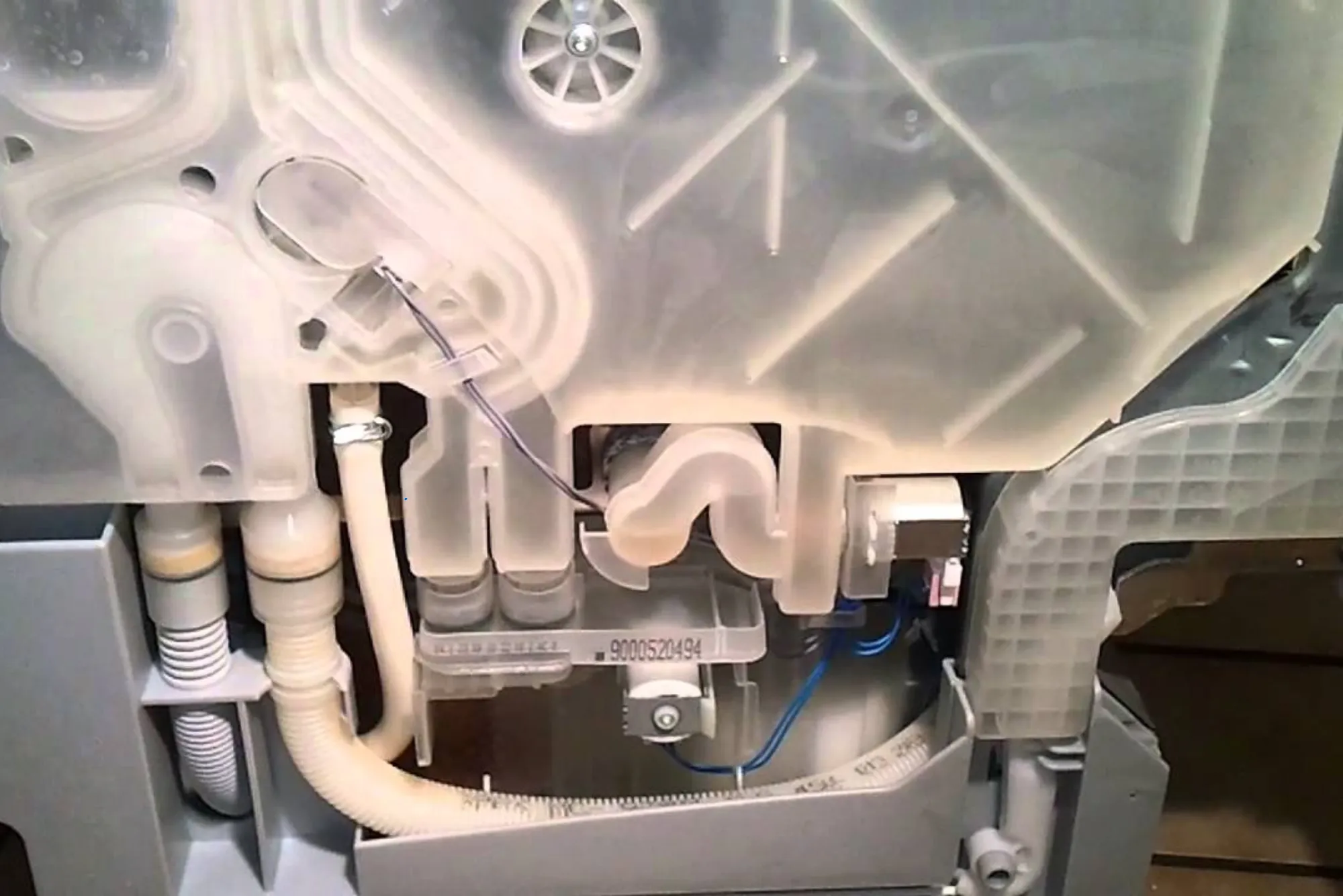
This feature is commonly found in European dishwashers and higher-end models from major brands. If your dishwasher has a heat exchanger, it is usually located on the side panel of the interior tub, recognizable as a narrow compartment with water channels. Over time, mineral deposits, grease, soap scum, and food residue can accumulate in the exchanger, leading to reduced performance and possible blockages. That is why regular maintenance and proper cleaning are essential.
Why Cleaning the Heat Exchanger Is Important
Just like filters and spray arms, the heat exchanger requires attention to function effectively. A dirty or clogged exchanger can affect the appliance in multiple ways. First, mineral scale buildup from hard water can restrict water flow and reduce heat efficiency, forcing the dishwasher to consume more energy. Second, greasy residues or detergent buildup can trap odors inside the chamber, which may transfer to dishes. Third, improper heating or reduced drying efficiency can result from a poorly maintained exchanger. Over time, neglect can even shorten the lifespan of your dishwasher, leading to costly repairs or replacements.
For homeowners, regular cleaning of the heat exchanger is both a preventive and performance-boosting measure. It helps maintain hygienic conditions inside the appliance, improves washing results, and ensures that the dishwasher operates in an energy-efficient way. This not only saves money on electricity bills but also reduces the overall carbon footprint of household cleaning.
Signs That the Heat Exchanger Needs Cleaning
Since the heat exchanger is not a visible or heavily used part of the dishwasher, many users may not immediately realize when it requires maintenance. However, there are several warning signs that suggest buildup or blockage. If you notice your dishwasher taking longer to complete a cycle, struggling to heat water properly, or leaving dishes wet instead of dry, the exchanger may be dirty. Unpleasant odors that persist even after cleaning the filter or running a cleaning cycle can also indicate a hidden problem inside the exchanger. Another symptom is visible mineral scaling on the side panel, suggesting hard water deposits have begun to accumulate inside the chamber.

Paying attention to these small signs helps prevent bigger issues in the long run. Catching the problem early makes cleaning easier and prevents damage to other connected components such as pumps and valves.
Preparing for Cleaning
Before attempting to clean the heat exchanger, it is essential to prepare properly. Safety is always a priority when working with appliances that combine water and electricity. The first step is to switch off the dishwasher and unplug it from the power supply. Then, turn off the water connection to prevent leaks during maintenance. Gather basic cleaning tools such as a soft brush, microfiber cloths, distilled white vinegar, and warm water. In some cases, a specialized dishwasher cleaning solution designed to dissolve limescale may also be useful.
Professional dishwasher repair technicians often recommend regular monthly maintenance to keep both the heat exchanger and other internal components free from buildup. However, if you live in an area with very hard water, more frequent cleaning may be necessary.
How to Clean the Dishwasher Heat Exchanger
Cleaning the heat exchanger requires patience and attention to detail. Since this part is a sealed chamber, it is not always possible to access the interior directly. However, most dishwashers with this feature allow for effective cleaning through indirect methods. Begin by inspecting the chamber visually. If you see discoloration, scaling, or greasy deposits, it is time to flush the system.
One common method is to run an empty dishwasher cycle using white vinegar. Simply place a cup of vinegar on the top rack and set the machine to run a hot cycle. The vinegar circulates through the system, breaking down mineral deposits and greasy residues inside the heat exchanger. Alternatively, you can use a dishwasher cleaner specifically designed to target scale and buildup. These products are effective at reaching hidden areas, including the heat exchanger.
For stubborn deposits, manual cleaning may be required. This involves carefully removing the side panel or accessing the exchanger through maintenance openings, depending on the model. Using a soft brush dipped in warm water and vinegar solution, gently scrub visible buildup. Avoid using sharp tools or harsh chemicals that could damage the chamber or seals. Once cleaned, rinse thoroughly to remove any residues.
It is also advisable to check the dishwasher’s water softener unit, if equipped, since this works together with the heat exchanger to prevent scaling. Replenishing the softener salt ensures better protection against future buildup.
Maintaining the Heat Exchanger Long Term
Once the exchanger is clean, preventive care ensures it stays in good condition for longer. Running regular maintenance cycles using dishwasher cleaners every month helps dissolve grease and limescale before they become problematic. If your area has very hard water, installing a water softener system in the home or using dishwasher salt regularly can reduce mineral buildup significantly.
Additionally, avoid using excessive detergent, as too much soap can create residue inside the exchanger. Always scrape food from plates before loading to minimize debris circulating through the machine. Following these habits keeps the heat exchanger and the entire dishwasher functioning at peak efficiency.
Professional Help for Dishwasher Heat Exchanger Issues
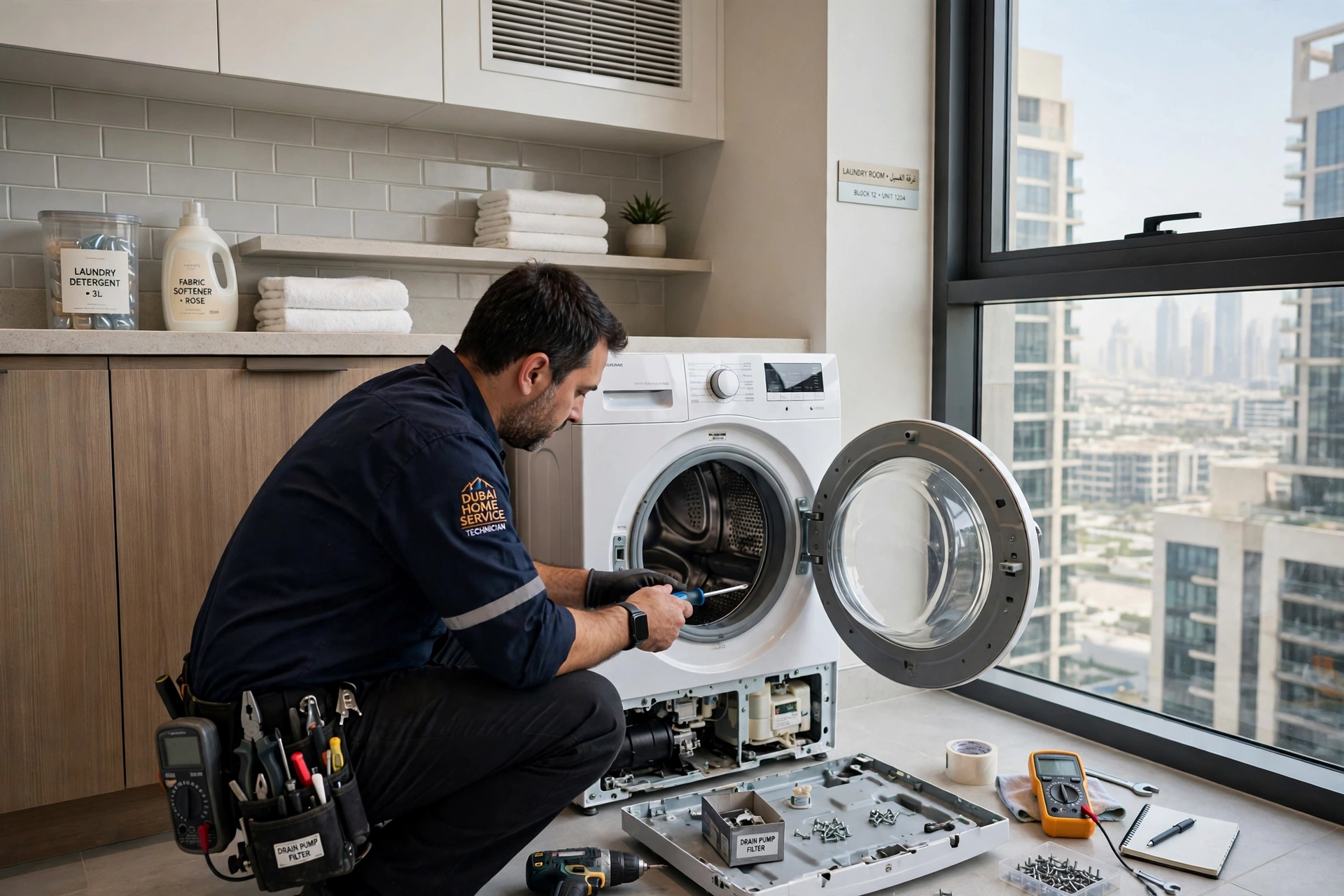
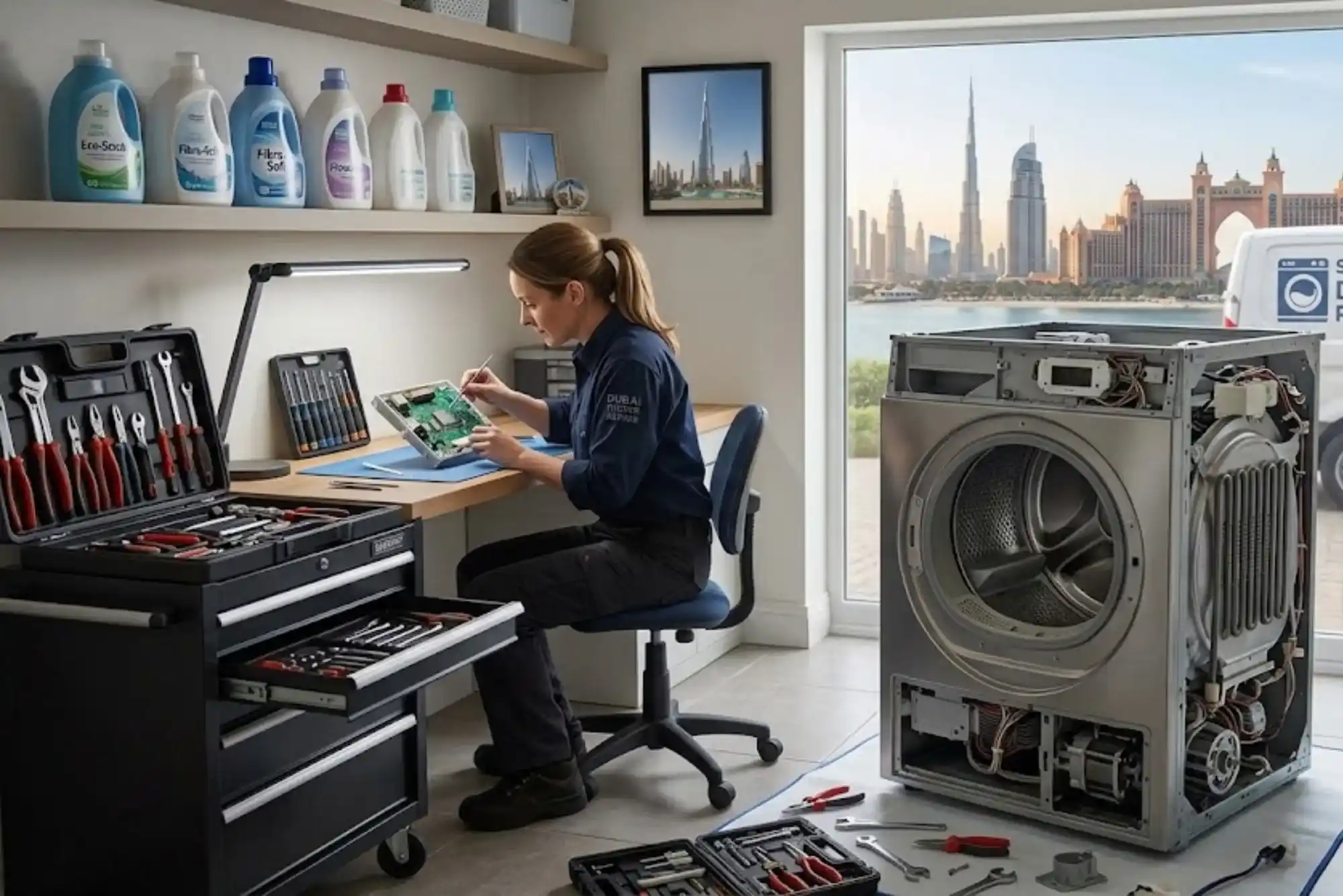
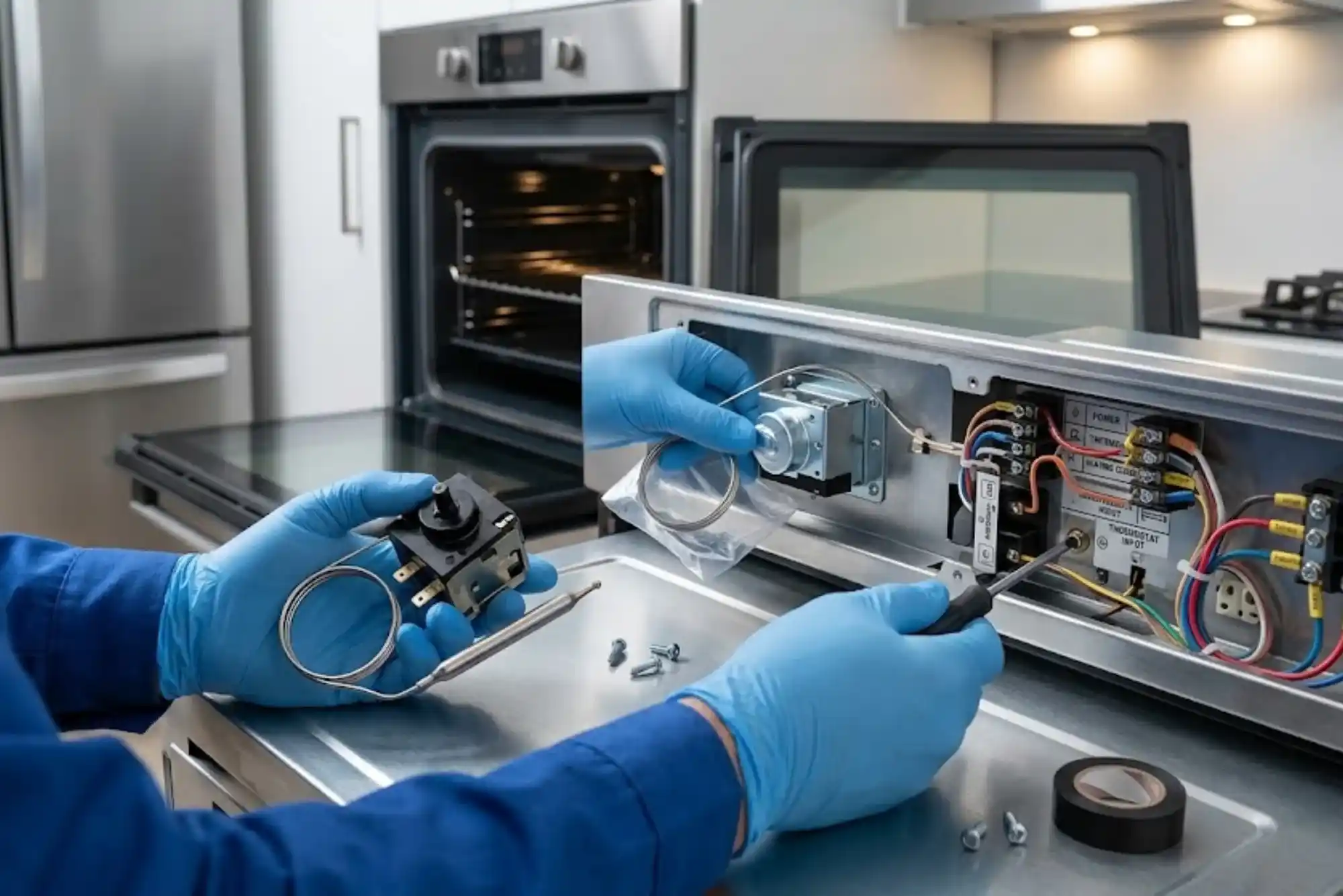
While basic cleaning can often be done at home, some situations require professional attention. If your dishwasher consistently fails to heat water properly, if cycles take much longer than normal, or if the exchanger appears to be damaged, it is best to call an experienced technician. Professionals have the tools and expertise to disassemble the machine safely, deep-clean internal components, and repair or replace faulty parts if necessary.
Ignoring severe exchanger problems can lead to higher energy bills, poor washing performance, or even leaks inside the machine. Investing in timely professional service not only saves money on future repairs but also extends the overall lifespan of your dishwasher.
The heat exchanger is a vital but often overlooked component of modern dishwashers. By regulating temperature efficiently, it ensures that water is heated properly for optimal cleaning and drying performance. However, like all parts of an appliance, it requires care to function well. Learning how to clean the dishwasher heat exchanger and incorporating it into your regular maintenance routine helps improve hygiene, performance, and energy efficiency.