Dishwashers have become one of the most reliable household appliances, offering convenience and efficiency in maintaining a clean kitchen. Like many appliances, they rely on a series of interconnected components to function properly. Among the most critical parts is the dishwasher timer, a device responsible for controlling the different stages of the wash cycle. When the timer malfunctions, the appliance may stop mid-cycle, skip essential functions, or fail to start altogether. Understanding how to diagnose a faulty dishwasher timer can help homeowners and technicians address issues effectively while preventing unnecessary expenses.
The Importance of a Dishwasher Timer
The dishwasher timer acts as the brain of the machine, controlling when and how long each part of the cycle runs. It manages functions such as filling the tub with water, heating, dispensing detergent, activating the spray arms, and draining the dirty water. Without a properly functioning timer, the sequence of operations becomes disrupted, leaving dishes dirty or cycles incomplete.
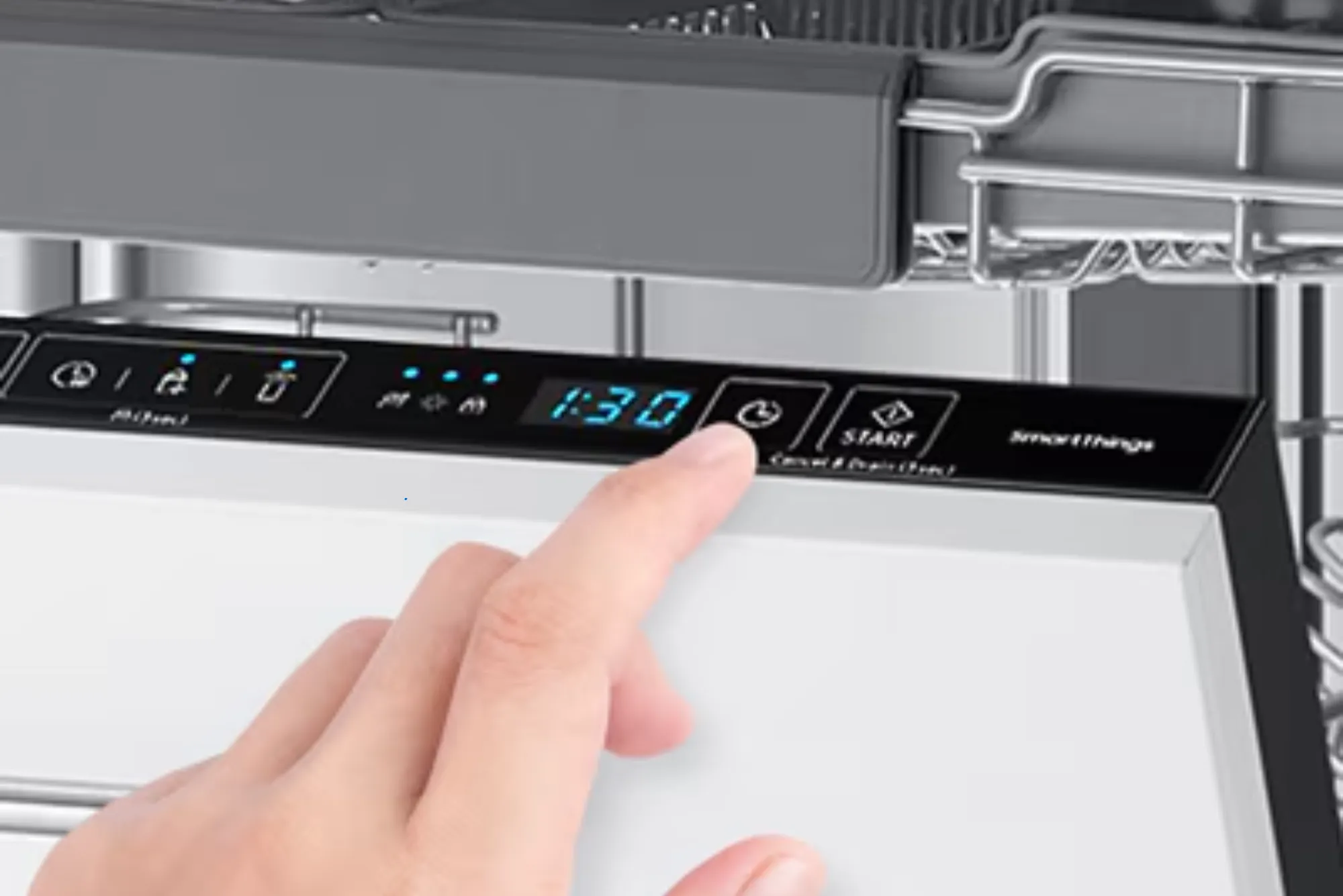
While modern dishwashers often use electronic control boards instead of traditional mechanical timers, many households still have models that depend on this essential component. Even with electronic versions, diagnosing timing-related issues follows the same principle: the control system must synchronize the operations correctly for the appliance to perform efficiently.
Common Symptoms of a Faulty Dishwasher Timer
When a dishwasher timer begins to fail, the appliance often gives subtle but noticeable signs. One of the most common symptoms is the cycle getting stuck in one stage. For instance, the dishwasher may continue filling with water without moving on to the wash stage, or it might wash endlessly without progressing to the drain cycle. Another indicator is the dishwasher skipping steps, such as not rinsing dishes properly or not initiating the drying process.
In some cases, the timer may stop the dishwasher entirely, leaving the user with a half-cleaned load. Strange noises, irregular clicking sounds, or the dishwasher door not unlocking at the end of the cycle can also point toward timer-related issues. Recognizing these symptoms early helps prevent further damage to other parts of the appliance, such as the motor, heating element, or pump.
Causes Behind Timer Malfunctions
Understanding the causes behind timer malfunctions can make diagnosis more straightforward. Mechanical timers rely on gears, springs, and electrical contacts, which may wear down over time. Continuous use, exposure to moisture, and age-related deterioration are common reasons for failure. Electrical surges or short circuits may also damage the control board in dishwashers equipped with electronic timers.

Another factor contributing to timer problems is user error. Overloading the dishwasher, using the wrong detergent, or ignoring regular maintenance can place extra strain on internal components. Over time, these practices may affect the performance of the timer and related parts.
Steps to Diagnose a Faulty Dishwasher Timer
Diagnosing a dishwasher timer requires patience and careful observation. The process usually begins with monitoring the dishwasher cycle from start to finish. If the appliance consistently stalls at the same stage, it often indicates timer failure.
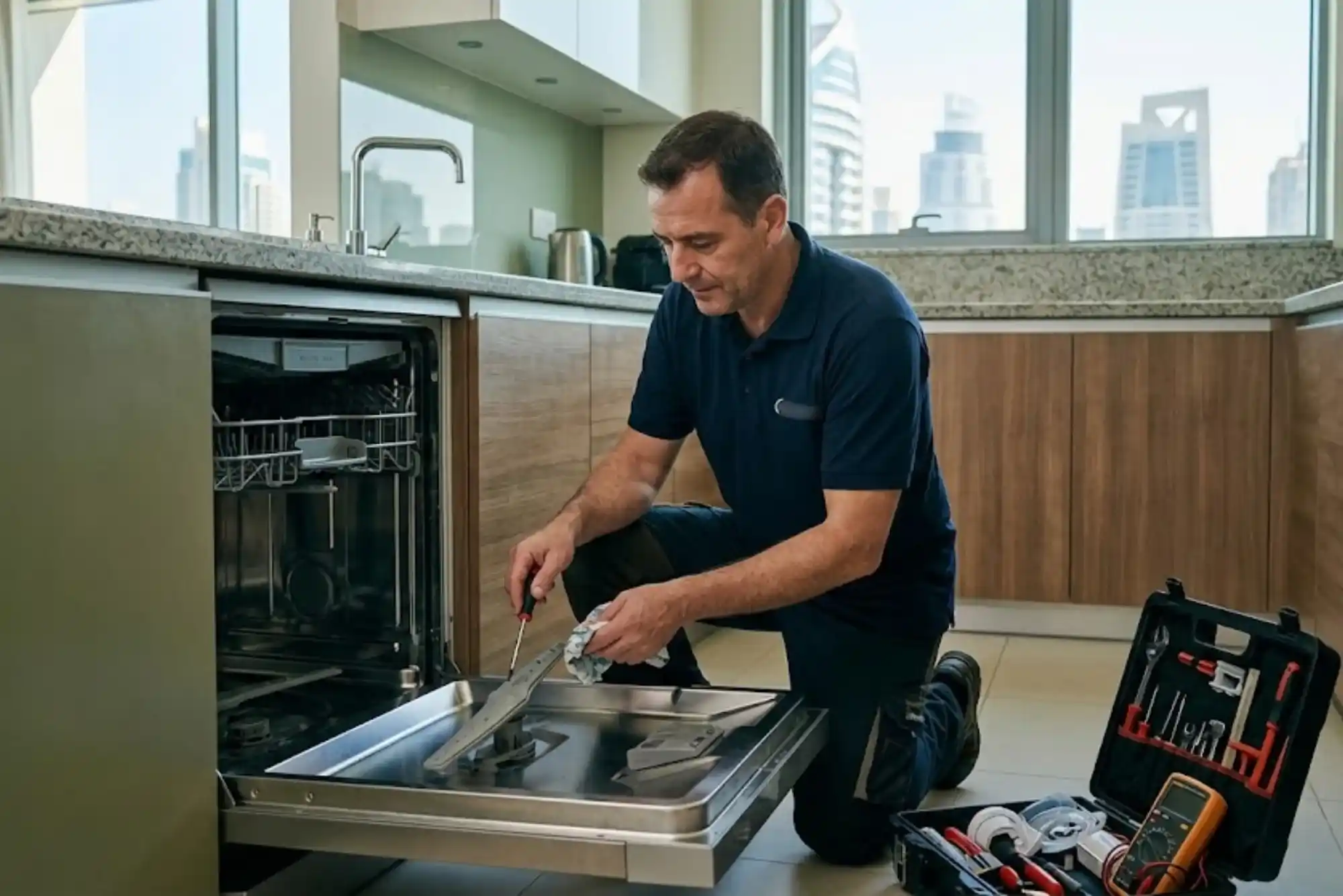
Before proceeding with inspection, it is crucial to disconnect the dishwasher from its power supply to ensure safety. Once unplugged, access the control panel by removing the screws and carefully lifting the cover. The timer is usually located behind the control knob or within the electronic control module, depending on the dishwasher model.
For mechanical timers, visual inspection can reveal worn-out gears, burnt contacts, or loose wiring. Testing with a multimeter provides more accurate results, as it measures continuity and electrical flow through the timer. If the timer does not show proper continuity, it is likely defective and needs replacement.
With electronic timers, diagnosis becomes more complex. Since they rely on circuit boards, burnt or damaged areas may be visible upon inspection. However, in many cases, a professional technician may be required to test the control board with advanced tools, as electronic failures are not always apparent to the naked eye.
Why Professional Diagnosis Is Recommended
While basic troubleshooting can be done at home, professional diagnosis is often the safest and most efficient option. Dishwasher timers are directly connected to the appliance’s electrical system, making improper handling a safety hazard. In addition, replacing a faulty timer requires technical knowledge and the ability to source compatible parts.
Appliance repair professionals not only diagnose the problem but also check related components such as wiring, motor function, and heating elements. This ensures that the dishwasher’s malfunction is not misattributed solely to the timer. In some cases, what appears to be a timer problem may actually be caused by a faulty motor or water inlet valve. Professional expertise eliminates guesswork, saving time and money for the homeowner.
Preventing Future Timer Problems
Prevention plays a significant role in extending the lifespan of a dishwasher timer. Regular cleaning of filters, ensuring proper detergent use, and avoiding overloading can reduce strain on the appliance. Running periodic maintenance cycles with dishwasher cleaners helps prevent buildup that may interfere with proper operation.
Additionally, protecting appliances from electrical surges with stabilizers or surge protectors can prevent sudden damage to electronic timers. Following manufacturer recommendations for cycle settings and maintenance intervals also goes a long way in ensuring consistent performance.
Cost Considerations for Timer Replacement
When diagnosing a faulty dishwasher timer, cost is often a major concern for homeowners. The price of replacing a timer depends on the dishwasher model, brand, and type of control system. Mechanical timers are generally less expensive than electronic control boards, but both require skilled installation. Factoring in labor charges, the overall repair cost can vary widely.
In some cases, particularly with older dishwashers, replacing the entire appliance may be more economical than investing in a new timer. However, if the dishwasher is relatively new and in good condition, timer replacement offers a practical solution. Consulting with a repair professional provides clarity on the most cost-effective approach.
When to Replace vs. Repair
Determining whether to repair or replace a faulty timer depends on the overall condition of the dishwasher. If other components such as the motor, pump, and heating element are functioning well, replacing the timer makes sense. On the other hand, if the dishwasher is more than ten years old and experiencing multiple issues, replacement may be the wiser investment.
Ultimately, the decision comes down to balancing repair costs with the expected lifespan of the appliance. Many homeowners choose repair when the dishwasher is still under warranty or when the replacement part is affordable. A professional evaluation ensures the right decision is made.
The Role of Timely Repairs
Delaying repairs for a faulty dishwasher timer can create bigger problems in the long run. Continued use of a malfunctioning appliance may cause other components to overwork or fail prematurely. For instance, if the timer does not regulate water levels properly, it may lead to flooding or damage to the motor. Acting quickly prevents such complications and restores the dishwasher’s efficiency.
A dishwasher timer, whether mechanical or electronic, is a vital part of the appliance’s operation. When it malfunctions, the entire cleaning cycle is compromised, leading to inconvenience and frustration. By recognizing the symptoms of timer failure, understanding the causes, and following proper diagnostic steps, homeowners can identify issues before they escalate.
Although basic inspection can be carried out at home, professional diagnosis remains the safest and most reliable way to address timer problems. Timely intervention not only restores the appliance’s functionality but also extends its lifespan, ensuring continued convenience in the kitchen.
For those facing repeated dishwasher issues, consulting with an experienced appliance repair service is highly recommended. With expert help, a faulty dishwasher timer can be accurately diagnosed and repaired, allowing the appliance to return to peak performance.