Gas ovens are one of the most reliable appliances in kitchens, providing consistent heat for cooking and baking. However, like all gas-powered appliances, they can experience issues that affect performance and safety. Among the most critical problems is a gas line blockage, which can lead to uneven flames, delayed ignition, or even complete failure of the oven to operate. For homeowners and professionals alike, understanding how to fix oven gas line blockages safely is crucial for effective oven repair.
Addressing a gas line blockage requires caution, the right tools, and a methodical approach. Ignoring the problem or attempting careless repairs can result in gas leaks, fire hazards, or damage to the oven. This guide provides a detailed, step-by-step approach to safely resolving gas line blockages while ensuring the oven operates efficiently.
Understanding Gas Line Blockages
A gas line blockage occurs when the passage that delivers gas from the supply to the oven burners becomes partially or fully obstructed. Blockages often develop due to the accumulation of debris, food particles, rust, or soot within the line. Over time, these obstructions restrict gas flow, leading to weak flames or complete failure of ignition.
Recognizing the signs of a blockage early is essential for safe oven repair. Indicators include uneven flame patterns, hissing sounds from the burners, delayed ignition, or the oven failing to heat at all. If left unaddressed, blockages can escalate into hazardous situations, including the risk of gas leaks, which can be highly flammable and toxic.
Prioritizing Safety
Safety is the most important consideration when dealing with gas appliances. Before beginning any repair, ensure the oven is completely turned off and disconnected from the gas supply. This precaution prevents accidental gas release during inspection or cleaning.
Ventilate the kitchen by opening windows and doors to allow any residual gas to escape. Protective gloves and safety goggles are essential to prevent injury from sharp edges or debris in the gas line. Additionally, keeping a fire extinguisher nearby is a prudent measure in case of accidental ignition. Following these precautions minimizes risks and ensures a safe working environment.

Tools and Equipment Needed
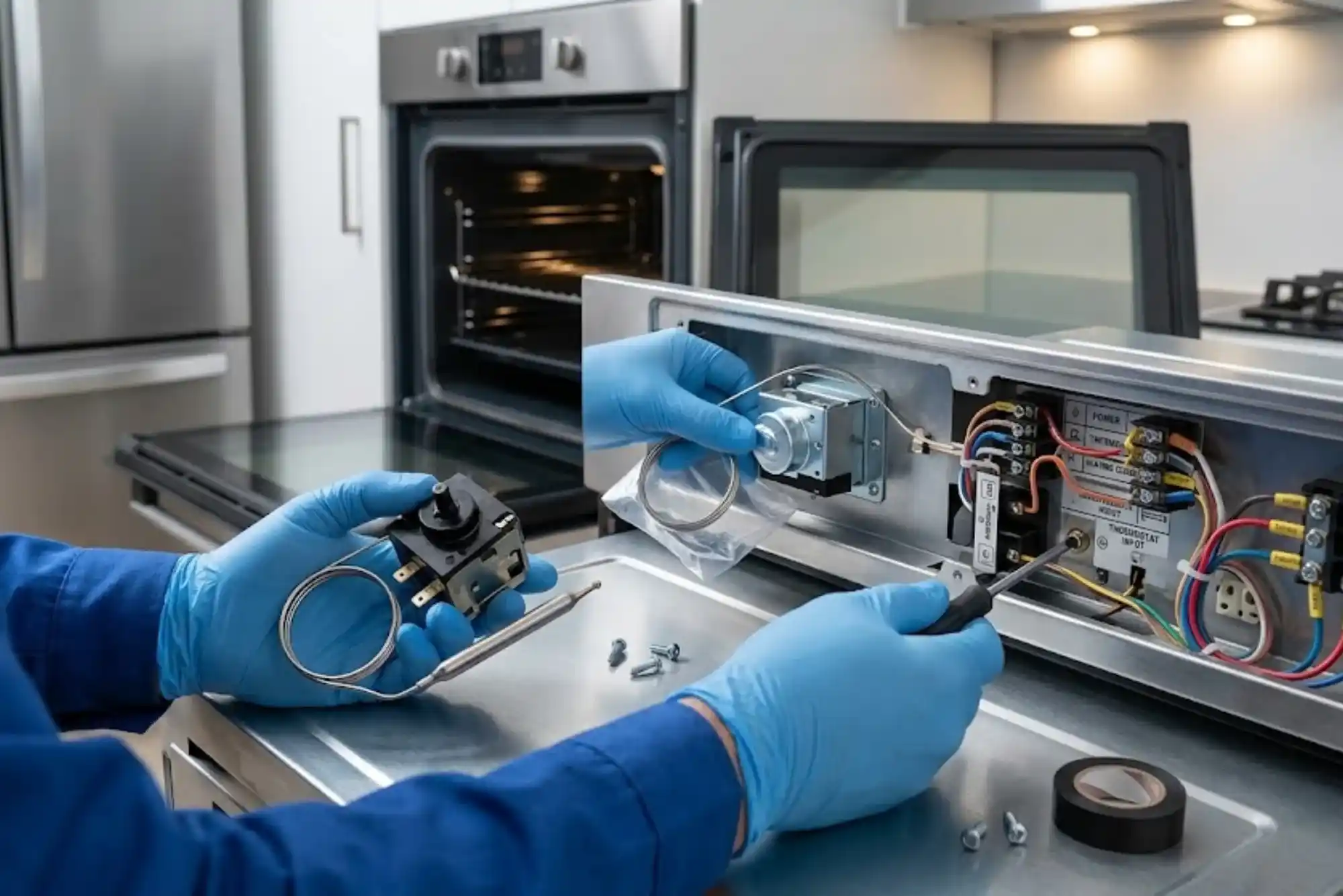
Performing safe oven repair requires specific tools. Essential items include a flexible wire brush or pipe cleaner for removing debris from the gas line, a wrench for loosening and tightening connections, and a vacuum for clearing loose particles. A gas leak detector or soapy water solution is necessary to confirm that repairs are leak-free.
Using proper tools ensures that the blockage is cleared effectively without damaging the gas line. Attempting repairs without appropriate equipment increases the likelihood of mistakes, which can lead to dangerous situations or costly appliance damage.
Step-by-Step Guide to Clearing a Gas Line Blockage
Turn Off the Gas Supply
Before beginning any repair, turn off the main gas supply to the oven and allow it to cool completely. Attempting to work on a hot oven or with an active gas supply can result in serious injury.
Access the Gas Line
Locate the gas line connecting the supply to the oven burners. Depending on the oven model, this may require removing panels or components to gain full access. Inspect the line carefully for signs of obstruction, rust, or corrosion.
Clear the Blockage
Using a flexible wire brush or pipe cleaner, gently remove any debris inside the gas line. Take care not to apply excessive force, as this could damage the line or fittings. A vacuum can be used to extract loose particles and ensure the line is clear.
Reconnect the Gas Line
Once the blockage is removed, reconnect the gas line securely. Ensure that all connections are tight and properly sealed to prevent leaks. Proper reconnection is critical for safe oven operation.
Test for Gas Leaks
Before restoring the gas supply fully, test the connections for leaks. Apply a soapy water solution to the joints or use a gas leak detector. If bubbles appear or the detector signals a leak, the connections must be adjusted before proceeding. Confirming the line is leak-free is essential for safety.
Step 6: Restore Gas Supply and Test the Oven
Turn on the gas supply and observe the flames on the burners. Ensure that the flames are even, blue in color, and consistent. This confirms that the blockage has been cleared successfully. Monitor the oven during initial use to verify proper ignition and consistent performance.
Common Causes of Gas Line Blockages
Gas line blockages can develop for several reasons. Food particles or grease that enter the burner ports during cooking are a frequent cause. Over time, corrosion and rust within metal lines further restrict gas flow. In some cases, improper installation or aging components can contribute to blockages.
Understanding these causes helps homeowners take preventive measures to avoid future issues. Regular maintenance and careful operation of the oven can significantly reduce the risk of blockages, ensuring reliable performance over the long term.
When to Call a Professional
While minor blockages can sometimes be addressed at home, more severe or complex issues require professional intervention. If the gas line is heavily corroded, fittings are damaged, or the blockage persists despite cleaning, contact a certified oven repair technician.
Professionals have specialized tools and expertise to handle gas safely, reducing the risk of leaks and ensuring repairs comply with safety standards. Attempting repairs without proper knowledge can result in incomplete fixes, dangerous gas leaks, or damage to the appliance.
Preventive Maintenance for Gas Lines
Preventing blockages is more effective than repairing them. Keep the oven and burners clean, avoid spilling food into burner ports, and schedule regular professional maintenance. Inspecting flame patterns and oven performance frequently can provide early warning of potential blockages.
Proper ventilation, careful cooking practices, and periodic professional inspections help maintain consistent gas flow, improve efficiency, and ensure safe operation. Preventive maintenance also extends the lifespan of the appliance and minimizes the risk of emergencies.
Importance of Professional Oven Repair
Safe and effective oven repair is vital to maintain appliance performance and household safety. Gas line blockages are not only inconvenient but can pose serious hazards if handled incorrectly. Following professional guidelines, understanding the causes of blockages, and performing regular maintenance are critical to ensuring the oven operates safely and efficiently.
Professional technicians can identify hidden problems, provide thorough inspections, and implement repairs that guarantee long-term functionality. Investing in professional service protects both the appliance and the safety of the household.
Fixing an oven gas line blockage requires knowledge, caution, and the right tools. While minor issues may be addressed by careful cleaning at home, complex or persistent blockages should always be handled by professionals. Prioritizing safety, understanding the causes, and implementing preventive maintenance are essential steps in effective oven repair.