Air conditioning systems are critical for maintaining indoor comfort in both residential and commercial environments. However, many property owners experience uneven cooling, high energy bills, and unnecessary wear on their HVAC equipment. One of the most effective solutions to these issues is the implementation of a zoning system. Zoning divides your property into separate temperature-controlled areas, allowing each space to be cooled based on its specific requirements. This approach enhances system efficiency, minimizes energy waste, and significantly improves overall comfort.
Understanding How Zoning Systems Work
An AC zoning system operates by dividing a building into different zones, each with its own thermostat and motorized dampers installed within the ductwork. These dampers control airflow, ensuring that conditioned air is directed precisely where it is needed. For example, rooms that are rarely occupied can receive less cooling, while high-traffic areas can maintain a consistent and comfortable temperature.
Traditional AC systems typically function as single-zone systems, which means they distribute cooled air evenly across the entire space regardless of occupancy or varying heat loads. This often leads to overcooling in some rooms and undercooling in others. By contrast, zoning systems optimize airflow and temperature control, reducing energy consumption and enhancing occupant satisfaction.
The Connection Between Zoning and Energy Efficiency
One of the primary benefits of Zoning Systems is their ability to improve energy efficiency. Standard air conditioning units consume a significant amount of electricity because they attempt to cool the entire building at the same time. In larger homes or commercial spaces, this results in wasted energy for rooms that may not need cooling.
By using zoning systems, the AC unit only works as hard as necessary to cool specific areas. For instance, during the day, you can focus cooling on living areas or office spaces and reduce energy usage in bedrooms or storage rooms. At night, the system can shift focus to sleeping areas while reducing operation in common spaces. This targeted cooling reduces the load on your AC system, decreases energy costs, and extends the life of your equipment.
Enhancing Comfort and Indoor Climate Control
Uneven temperatures are a common challenge with traditional air conditioning systems. Factors such as sun exposure, room size, insulation quality, and occupancy patterns can cause temperature imbalances. Zoning addresses this problem by allowing independent temperature control for each area.

For example, upper floors in multi-story homes typically retain more heat than lower levels. With a zoning system, you can cool the upper floor without overcooling the lower floor. This leads to a more balanced and comfortable indoor environment while reducing strain on the system. The ability to fine-tune comfort levels for different areas is particularly beneficial in commercial properties, where various departments or rooms have different cooling needs.
Reducing System Wear and Extending Equipment Life
Running an AC system at full capacity to cool an entire building puts considerable stress on the equipment. Over time, this can lead to more frequent breakdowns and costly repairs. A zoning system minimizes unnecessary workload by only directing cooled air to zones that require it.
By reducing operational strain, zoning extends the life of critical components like compressors, motors, and blowers. Fewer runtime hours also translate into lower maintenance costs and longer intervals between major repairs. Property owners who invest in zoning systems often notice fewer emergency service calls and more consistent system performance over the years.
Smart Thermostat Integration for Maximum Efficiency
Modern zoning systems often integrate seamlessly with smart thermostats and home automation technology. This integration allows users to control temperatures remotely through smartphones or tablets, program schedules,Post Category, and even monitor energy usage in real time.
Smart thermostats also analyze occupancy patterns and weather conditions to adjust cooling settings automatically. For example, if a particular zone is unoccupied for several hours, the thermostat can reduce cooling to that area without compromising comfort elsewhere. This level of precision and automation maximizes energy savings and further enhances system efficiency.
Ideal Applications for AC Zoning Systems
While zoning can benefit almost any property, it is particularly effective in spaces with diverse cooling needs. Large homes with multiple floors, open floor plans, or rooms with varying sun exposure can see significant improvements in comfort and energy performance.
Commercial buildings also gain tremendous value from zoning systems, especially offices with conference rooms, server rooms, or sections with inconsistent occupancy. In addition, properties with guest rooms, home theaters, or sunrooms can enjoy tailored comfort without wasting energy on unused areas.
By targeting problem areas and preventing overcooling, zoning provides a practical solution for properties that struggle with hot and cold spots or excessive energy bills.
Professional Installation and Maintenance Considerations
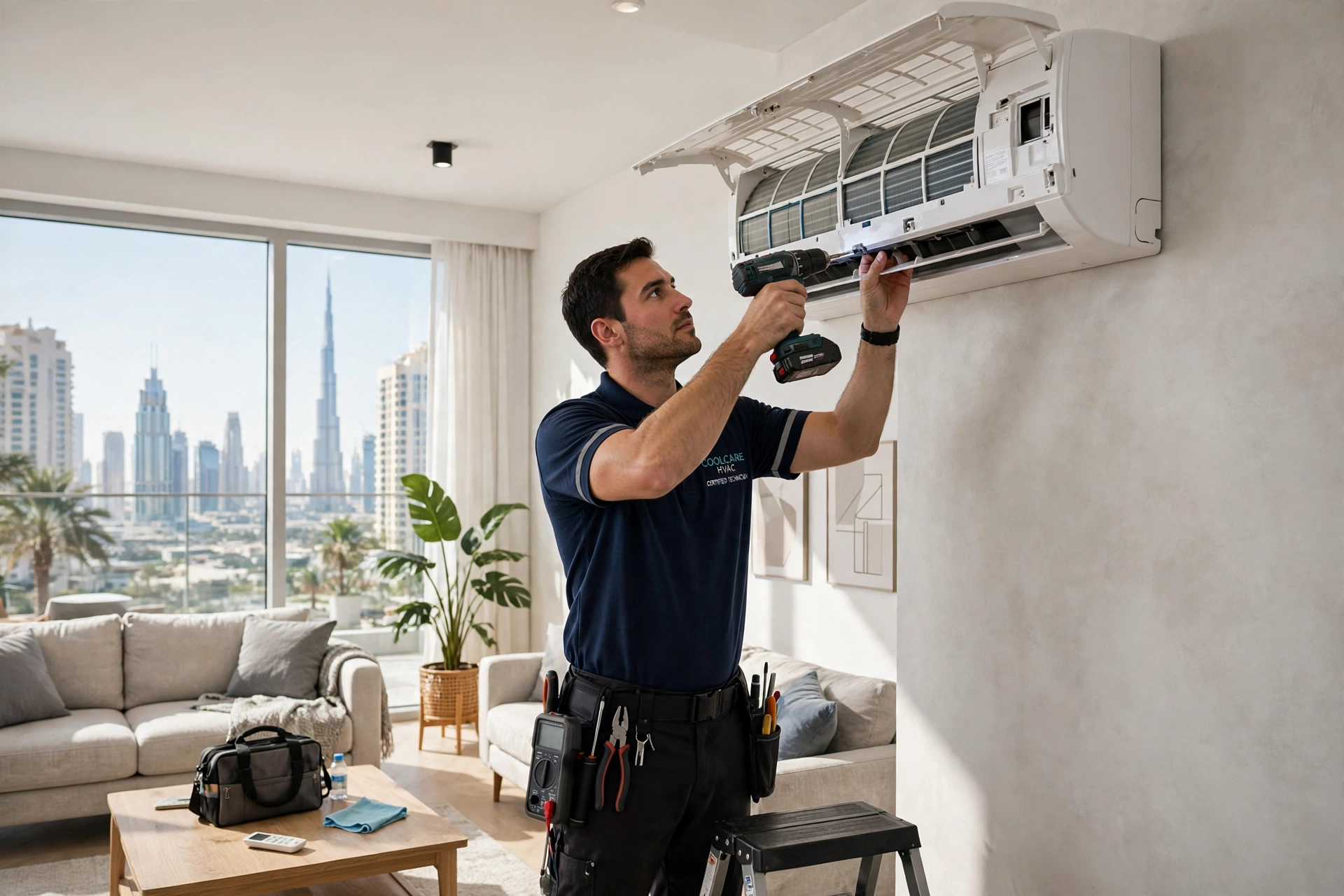
The effectiveness of a zoning system depends heavily on professional installation and proper maintenance. A qualified HVAC technician can assess your property, identify areas that would benefit from zoning, and design a system that maximizes efficiency.
During installation, dampers must be strategically placed in the ductwork, and thermostats should be installed in each zone for precise control. Proper sealing of ducts is also critical to prevent air leaks that reduce efficiency. Once the system is in place, periodic inspections and maintenance ensure that dampers, thermostats, and the AC unit continue to operate efficiently.
Long-Term Cost Savings and Return on Investment
Although the initial cost of installing a zoning system may be higher than that of a standard single-zone setup, the long-term savings often justify the investment. Lower energy consumption leads to reduced utility bills, and the extended lifespan of the AC system minimizes repair and replacement costs.
Property owners also benefit from increased comfort and flexibility, which enhances the overall value of the home or commercial building. In regions with extreme heat or rising energy costs, zoning can deliver a substantial return on investment over time.
Maximizing AC Performance with Zoning
Improving air conditioning efficiency requires a combination of smart technology, precise airflow management, and reduced energy waste. Zoning systems achieve all three by giving property owners the power to control temperatures in different areas independently.
From lowering energy bills and enhancing comfort to extending equipment life, the benefits of zoning are clear. When installed and maintained by professionals, zoning systems represent one of the most effective strategies for optimizing AC performance and ensuring long-term reliability.