A dryer that won’t heat is one of the most frustrating household appliance issues. When your dryer tumbles clothes but fails to generate heat, it not only disrupts your daily routine but also indicates a problem that needs immediate attention. Professional dryer repair services can help identify the underlying issues and ensure your appliance works efficiently again. Understanding common causes and solutions is key to diagnosing and repairing your dryer safely and effectively.
Understanding the Causes of a Dryer That Won’t Heat
Dryers rely on multiple components to generate heat. When one or more of these components fail, the dryer may continue to tumble but remain cold. Some of the most frequent causes include a malfunctioning heating element, a faulty thermostat, a blown thermal fuse, or blocked vents. Electrical issues, such as damaged wiring or a tripped circuit breaker, can also prevent the dryer from producing heat. Identifying the specific cause is critical before attempting any repair.
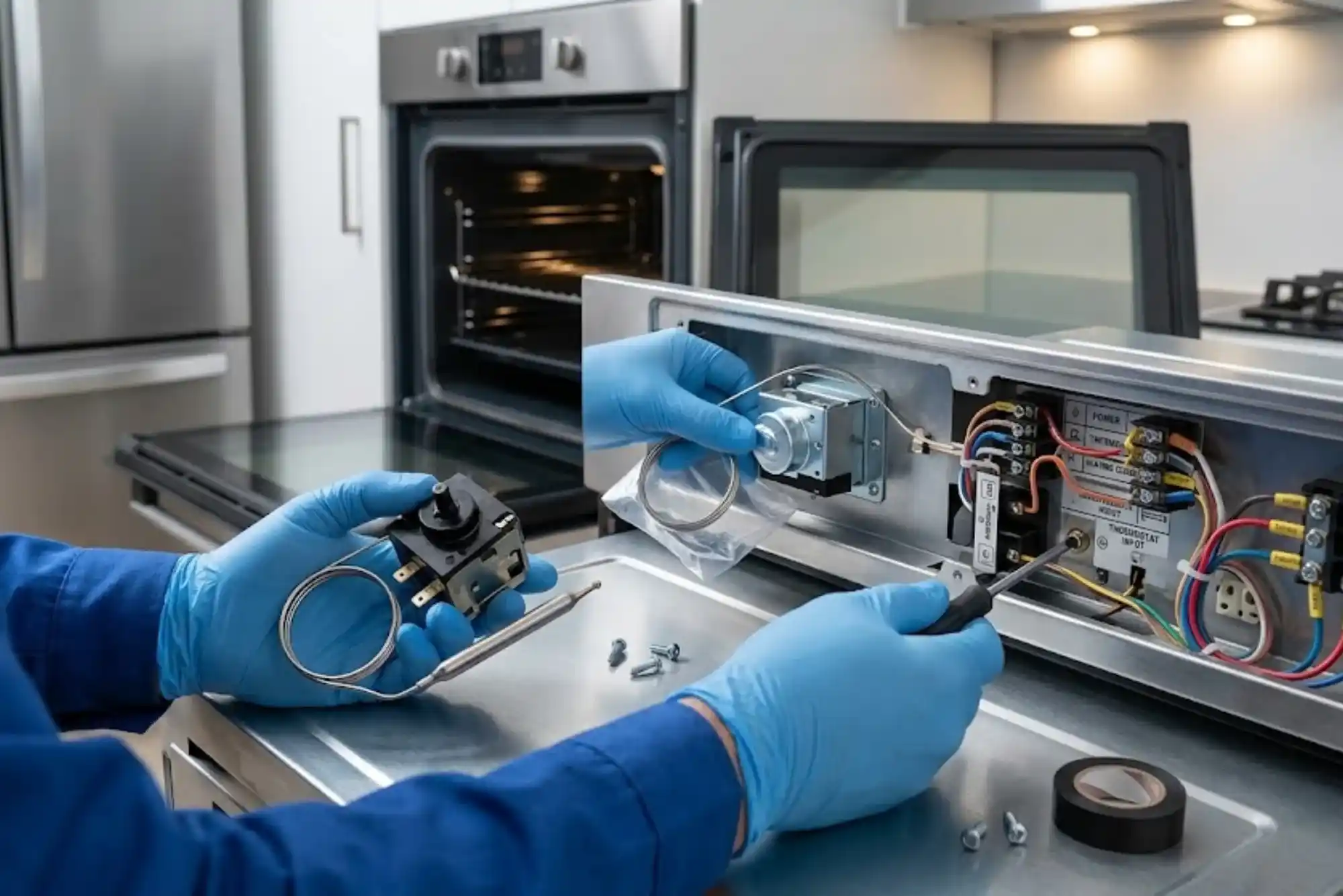
A heating element is responsible for producing the hot air inside the dryer drum. If it becomes damaged or burned out, the dryer will tumble without generating warmth. Similarly, thermostats monitor and regulate temperature inside the dryer. A defective thermostat may prevent the dryer from heating to the appropriate temperature, leaving clothes damp after a full cycle.
The thermal fuse is a safety device that cuts off power to the heating element in case of overheating. If this fuse blows, the dryer will tumble without heat. Blocked or clogged vents can also lead to insufficient airflow, causing the dryer to overheat or fail to heat properly. Recognizing the signs of these common problems helps determine whether professional intervention is necessary.
Safety Precautions Before Repairing Your Dryer
Before attempting any dryer repair, safety should be your top priority. Always unplug the appliance from the power source to avoid electrical shock. If your dryer uses gas, turn off the gas supply to prevent leaks or accidental ignition. Wearing protective gloves and eyewear is advisable, especially when handling electrical components or sharp parts.
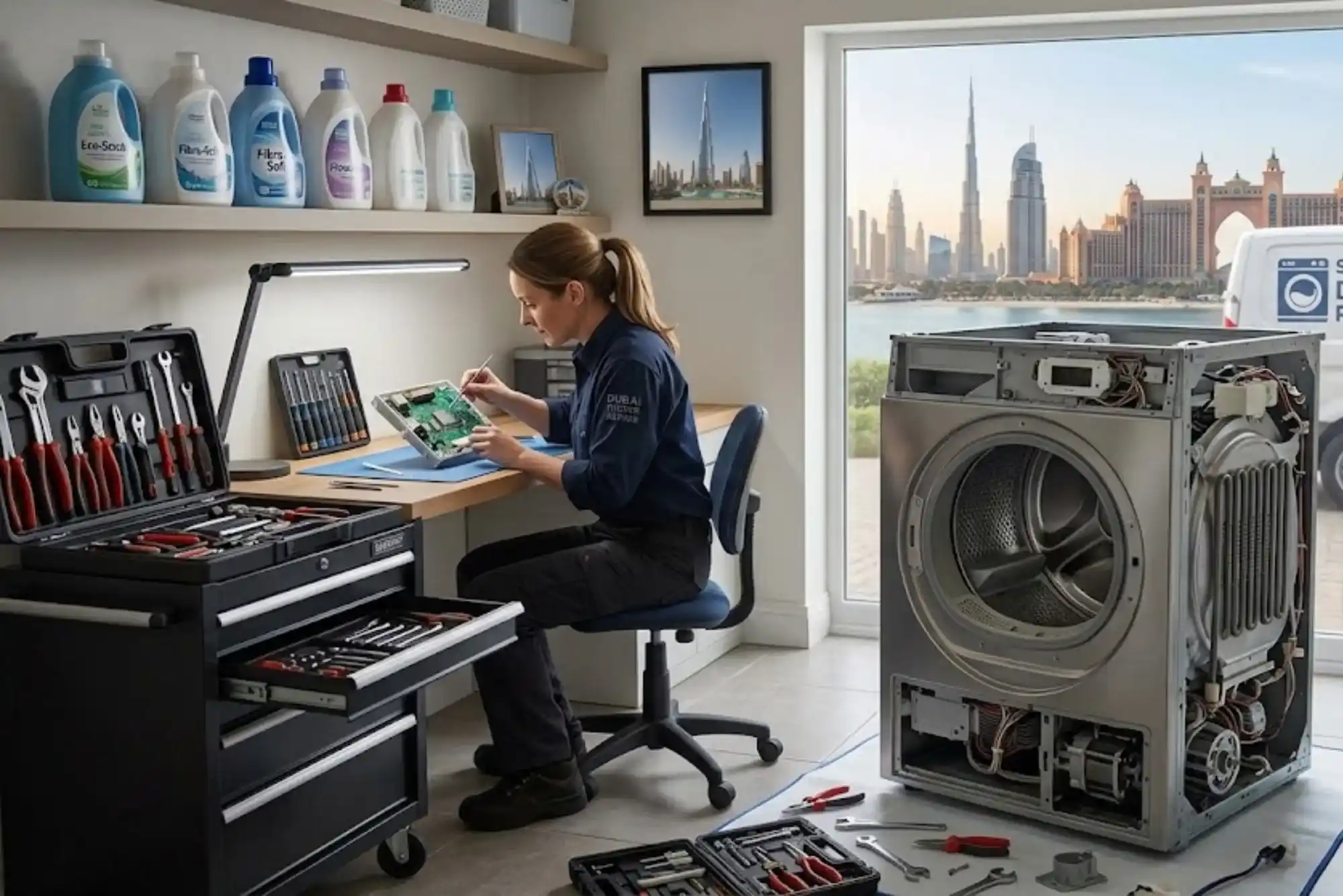
Professional dryer repair technicians emphasize the importance of using the right tools. A multimeter is often used to test the heating element, thermostat, and thermal fuse for continuity. Attempting repairs without proper tools or knowledge can cause further damage or pose a safety hazard. Therefore, knowing when to call a professional is as important as understanding the problem itself.

Step-by-Step Approach to Diagnosing the Problem
Diagnosing a dryer that won’t heat requires a systematic approach. Begin by checking the power supply and ensuring the dryer is properly plugged in. Verify that the circuit breaker hasn’t tripped. Next, inspect the lint filter and vent system. Blockages can significantly affect heating efficiency, so clearing lint and debris is essential.
If the power supply and vents are intact, focus on the internal components. Use a multimeter to test the heating element for continuity. A lack of continuity indicates that the element needs replacement. Similarly, test the thermal fuse and thermostats. Any component that fails the continuity test should be replaced with an exact match recommended by the manufacturer.
Replacing Faulty Components
Once a defective component is identified, replacement is the next step. Removing the dryer’s back panel provides access to the heating element and thermostat. Carefully disconnect the wires and remove the damaged part. Install the new component, ensuring all connections are secure and properly aligned. For gas dryers, replace components like the igniter or gas valve as needed, following the manufacturer’s instructions closely.
Professional dryer repair technicians often emphasize testing the dryer after each replacement. This ensures the problem has been resolved before reassembling all panels. Attempting to operate a dryer with faulty parts or improper installation can lead to further damage or safety risks.
Maintaining Your Dryer to Prevent Future Issues
Regular maintenance can prevent many common dryer problems. Cleaning the lint filter after each use, inspecting vents for blockages, and scheduling periodic professional inspections helps maintain optimal performance. Avoid overloading the dryer, as excessive weight can strain components and reduce heating efficiency. Using the correct dryer settings for different types of fabrics also contributes to longevity and consistent heat output.
Professional dryer repair services also recommend monitoring unusual noises, extended drying times, or inconsistent temperatures. These signs often indicate that maintenance or minor repairs are required before a more severe issue develops. Taking proactive measures reduces the likelihood of sudden failures and costly repairs.
When to Seek Professional Dryer Repair Services
While some minor dryer issues can be resolved with basic troubleshooting, professional intervention is crucial for complex problems. Electrical faults, gas line issues, or persistent heating failures require specialized knowledge and tools. Attempting to repair these issues without expertise can result in injury or further appliance damage.
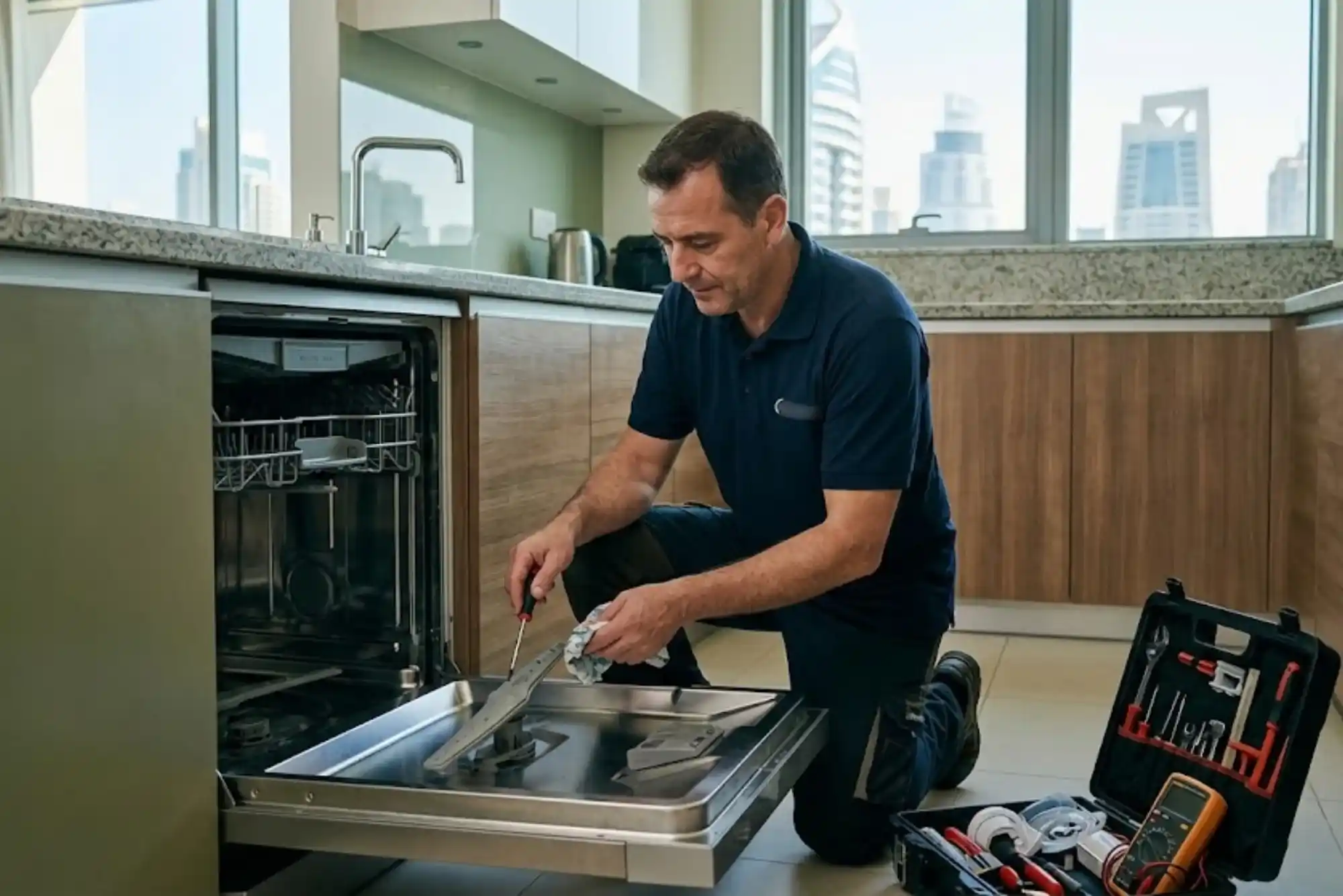
Hiring a certified dryer repair technician ensures that your appliance is repaired safely and efficiently. Professionals have access to manufacturer-approved parts, diagnostic equipment, and technical expertise that homeowners typically lack. Moreover, professional services often include warranties on repairs, providing peace of mind and long-term reliability.
A dryer that won’t heat disrupts household routines and can indicate underlying problems that need immediate attention. Identifying the cause, whether it’s a heating element, thermostat, thermal fuse, or vent issue, is the first step toward effective repair. Prioritizing safety and using proper tools is essential when attempting any DIY troubleshooting.
Regular maintenance, such as cleaning vents and lint filters and avoiding overloading the dryer, helps prevent future heating issues. For complex electrical or gas-related problems, professional dryer repair services offer the expertise, tools, and assurance necessary for safe and reliable solutions. Addressing dryer heating issues promptly ensures your appliance continues to perform efficiently, saving time, energy, and frustration.