A dishwasher is one of the most valuable appliances in any modern kitchen, taking away the hassle of manual dishwashing while ensuring that plates, glasses, and utensils come out sparkling clean. However, like any household appliance, dishwashers can experience mechanical or electrical issues that affect their performance. One critical component inside a dishwasher that often goes unnoticed but plays a vital role is the float switch.
When this small but essential device malfunctions, it can disrupt the entire cleaning process. Understanding how to identify, diagnose, and replace a faulty dishwasher float switch is crucial for maintaining the efficiency and safety of your appliance.
Understanding the Role of the Dishwasher Float Switch
To fully grasp why replacing a float switch is necessary, it is important to understand its function within the dishwasher system. The float switch works as a safety mechanism that prevents the dishwasher from overfilling with water. As water enters the dishwasher tub during a wash cycle, a small float, usually located at the bottom of the appliance, rises with the water level. Once it reaches a specific height, it triggers the float switch to shut off the water supply. This ensures that the dishwasher fills with just the right amount of water for optimal cleaning.
If the float switch is faulty, the dishwasher may overfill and cause leaks, or it may fail to fill at all, leaving dishes dirty. In some cases, a malfunctioning float switch can even lead to damage of other internal components, such as the pump or heating element, making it a problem that should not be ignored.
Signs That the Float Switch May Be Faulty
Before attempting to replace the float switch, it is important to recognize the signs that indicate a potential problem. A dishwasher that continues to fill with water without stopping is a clear sign that the float switch is not functioning properly.
On the other hand, if the appliance does not fill with water even though it powers on, the float switch may be stuck in the off position. Additionally, if you notice pooling water inside the dishwasher after cycles, leaks around the bottom of the appliance, or unusual noises during operation, these can also point to a malfunctioning float switch.

Preparing for the Replacement Process
Replacing a dishwasher float switch requires some preparation to ensure safety and efficiency. The first step is always to disconnect the dishwasher from its power source. This can be done either by unplugging the appliance from the wall socket or switching off the circuit breaker connected to it. Since the process involves handling water connections as well, it is advisable to turn off the water supply to the dishwasher.
Another important step in preparation is having the right tools and replacement parts ready. While each dishwasher model may vary slightly, most float switches are designed to be replaced with basic tools such as screwdrivers, pliers, and sometimes a nut driver. Having the correct replacement float switch, specific to your dishwasher’s make and model, is essential for a successful installation.
Accessing the Dishwasher Float Switch
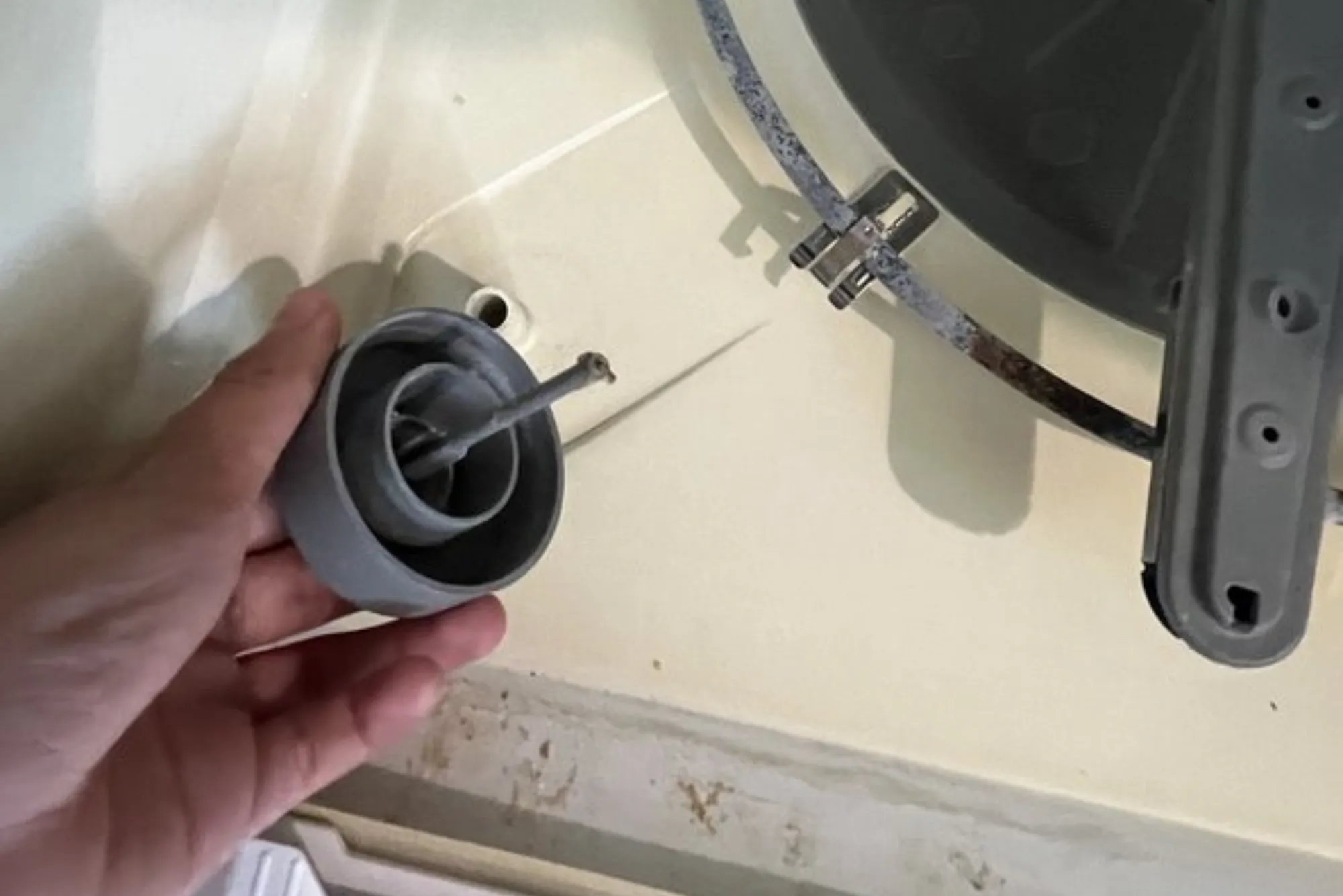
Once the appliance is safely disconnected from power and water, the next stage involves accessing the float switch. The float itself is typically located at the bottom of the dishwasher tub. It is a small, dome-shaped or cylindrical component that moves up and down as water enters the dishwasher. By gently lifting the float, you can check whether it moves freely. If it feels stuck, this may already indicate a problem.
The float switch is usually located beneath the dishwasher, directly under where the float rests inside the tub. Depending on the design of your dishwasher, you may need to remove the lower kickplate or access panel to reach it. This is generally held in place with screws that can be removed with a screwdriver. Once the panel is off, the float switch should be visible and connected to the float mechanism above.
Removing the Faulty Float Switch
To remove the faulty float switch, you will need to disconnect the electrical wires connected to it. It is a good practice to take note of the wire placement or take a quick photo before disconnecting, as this makes reinstallation easier. After the wires are detached, the switch itself can be carefully removed from its mounting bracket. In some dishwashers, the float switch may be secured with screws, while in others, it may simply snap into place. Gently release the switch, ensuring not to damage any surrounding parts in the process.
Installing the New Float Switch
With the faulty switch removed, the new float switch can be installed. Begin by placing it in the same position as the old one, ensuring that it fits securely in its mounting bracket. If screws were used to secure the original switch, tighten the new one in place with the same method. Next, reconnect the electrical wires exactly as they were attached to the previous switch. Secure the connections firmly, as loose wiring can prevent the switch from functioning correctly.
Once the new float switch is in position, check that the float inside the tub moves freely and engages with the switch when lifted. This simple test ensures that the new part is properly aligned and ready to function as intended.
Reassembling and Testing the Dishwasher
After the replacement process is complete, reassemble any access panels or kickplates that were removed earlier. Turn on the water supply and restore power to the dishwasher. To test the new float switch, run a short wash cycle and observe the water filling process. The dishwasher should fill to the proper level and stop automatically once the float rises. This confirms that the float switch is functioning correctly.
During the test cycle, also monitor the appliance for any unusual leaks or noises. If the dishwasher operates normally and the water fills and drains as expected, the replacement has been successful.
Why Professional Assistance May Be Needed
While replacing a float switch can be a manageable task for individuals with some DIY experience, not everyone may feel comfortable working with electrical components and water connections. If you are unsure at any step or lack the proper tools, seeking professional repair services is a safer option. A qualified technician can quickly diagnose the issue, replace the faulty part, and ensure that the dishwasher is running smoothly without the risk of further damage.
Professional assistance is also recommended if replacing the float switch does not resolve the issue. In some cases, the problem may involve wiring faults, control board malfunctions, or other internal components that require specialized knowledge to repair.
Extending the Lifespan of Your Dishwasher
Replacing a faulty float switch not only restores the dishwasher’s ability to regulate water levels but also extends the overall lifespan of the appliance. Routine maintenance plays a significant role in preventing similar issues in the future. Keeping the dishwasher clean, checking for clogs in the filter, and inspecting components such as the float and switch during regular intervals can save both time and money on repairs.
It is also helpful to use the dishwasher according to the manufacturer’s guidelines. Overloading the racks, using the wrong detergent, or ignoring early signs of malfunction can lead to more serious damage over time. A well-maintained dishwasher can provide reliable service for many years, making small repairs like float switch replacement a worthwhile investment.
Final Thoughts
A faulty float switch may seem like a minor issue, but its impact on a dishwasher’s performance can be significant. By understanding how this component works, recognizing the signs of malfunction, and knowing how to replace it, homeowners can take proactive steps to keep their dishwasher operating efficiently.
Whether you choose to handle the repair yourself or rely on a professional technician, timely action ensures that your dishwasher continues to deliver the convenience and reliability that makes it an essential part of your kitchen.
Replacing a float switch is not only about fixing a current problem but also about protecting your appliance from further damage and ensuring it continues to serve you effectively. With proper care and attention, a dishwasher can remain a dependable household companion for years, and learning how to address issues like a faulty float switch is an important part of responsible appliance ownership.