A refrigerator is one of the most important home appliances because it keeps food fresh, drinks cool, and helps maintain the daily routine of every household. When it stops cooling suddenly, frustration quickly sets in. One of the most common causes behind such issues is a malfunctioning start relay. Although it is a small component, it plays a crucial role in the proper functioning of the refrigerator. Knowing how to test refrigerator start relays can save both time and money while helping you identify the real cause of your cooling problem.
The start relay is directly connected to the compressor of the refrigerator. Its function is to provide the initial electrical boost that the compressor needs to start working. Once the compressor reaches the required speed, the relay disengages, allowing the compressor to continue running normally. Without this tiny part, the compressor would struggle to start, which leads to improper cooling or a complete system failure. Understanding how this component functions is the first step toward diagnosing and fixing any refrigerator performance issues.
Understanding the Function of the Start Relay
The compressor is the heart of the refrigerator, and the start relay acts like its trigger. It briefly connects the start and run windings inside the compressor motor, creating the initial torque that allows the motor to start. After the compressor starts, the relay automatically disconnects, ensuring the motor continues to run smoothly with the right electrical flow. This sequence happens every time your refrigerator starts a new cooling cycle.
When the start relay fails, the compressor may not receive the necessary electrical current, and the cooling process stops completely. This can lead to warm food compartments, a silent compressor, and increased energy consumption. Because the relay works in close coordination with the overload protector, both must function perfectly to maintain consistent refrigeration.
Signs That the Start Relay Might Be Failing
A defective start relay often gives several warning signs before it stops working entirely. The most common symptom is a repetitive clicking sound coming from the back of the refrigerator. This noise indicates that the relay is trying to start the compressor but fails repeatedly. Another common sign is when the refrigerator’s interior remains warm even though the lights and fans are running. In such cases, the compressor is not starting due to the relay’s failure.
Sometimes, a burnt smell or slight melting around the relay casing can also indicate electrical failure. Another sign of a defective relay is when the refrigerator runs for a few seconds, then shuts off, and tries to start again after a short pause. This short cycling can damage other electrical components if left unchecked. Recognizing these early symptoms can prevent costly repairs later on.

Preparing to Test the Start Relay
Before beginning the testing process, safety must be the first priority. Always unplug the refrigerator repair from the power source to prevent any electrical hazards. The start relay connects directly to the compressor, which operates at a high voltage, so never attempt to test it while the appliance is plugged in. Prepare your workspace by ensuring it is clean, dry, and well-lit.
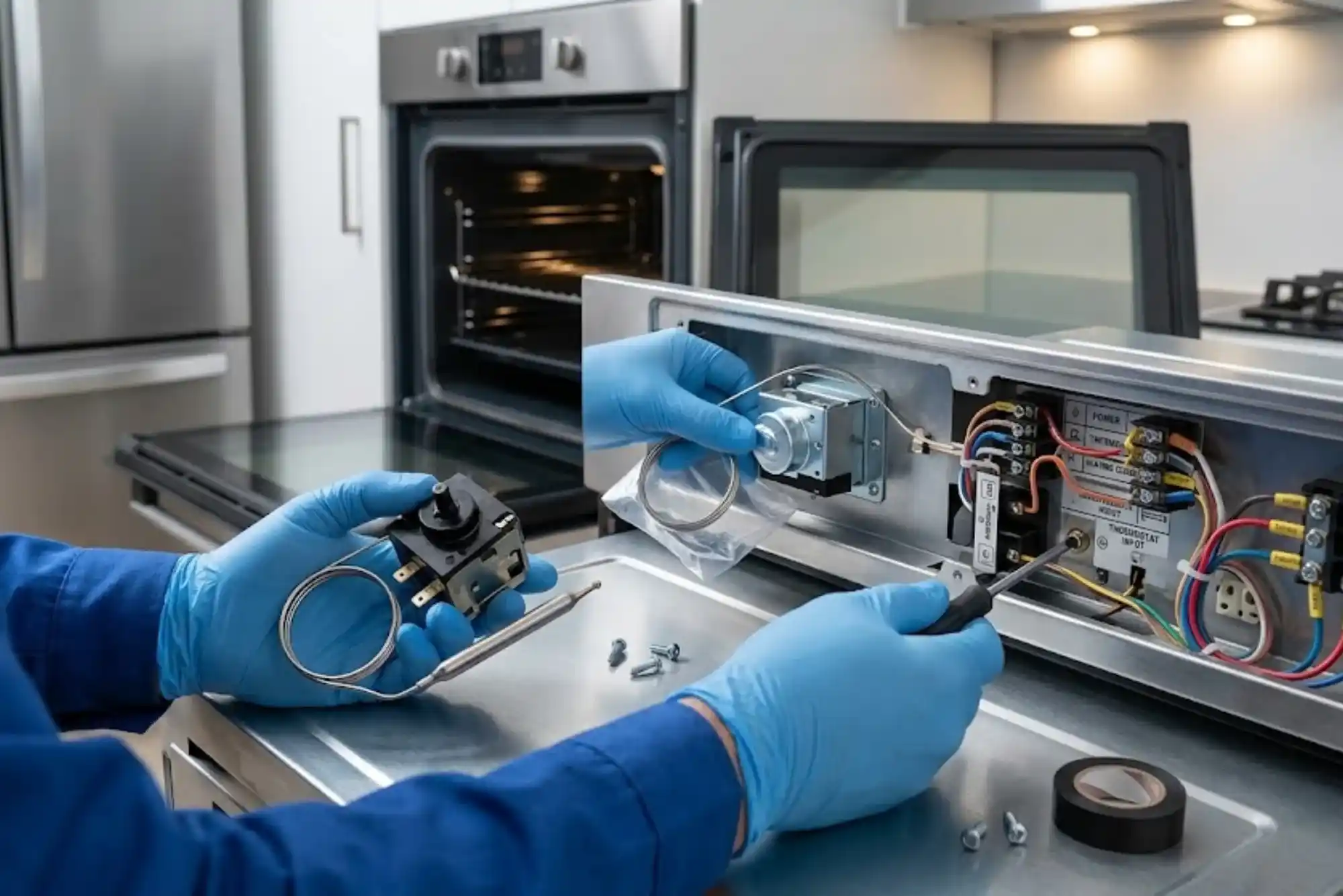
You will need a multimeter, which is a simple device that measures electrical resistance and continuity. You may also need a screwdriver to remove the back panel of the refrigerator and insulated gloves to protect your hands while handling electrical parts. Once you have these basic tools ready, move the refrigerator slightly away from the wall to access the compressor compartment at the back.
Locating and Removing the Start Relay
At the lower back side of the refrigerator, you will see a round, black component that looks like a metal canister. This is the compressor. The start relay is usually attached to the side of it, often enclosed in a small plastic housing. Carefully remove the back cover panel using the screwdriver and set it aside. Once the compressor is exposed, gently detach the relay from its position. It usually plugs directly into the compressor terminals and can be removed by pulling it straight out.
Take care not to use excessive force because the terminals and connectors are delicate. After removing the relay, inspect it visually for any burn marks, melted sections, or discoloration. A burnt smell or darkened plastic indicates that the relay has likely failed. However, visual inspection alone is not enough; testing with a multimeter will confirm the relay’s actual condition.
How to Test the Start Relay
Testing the start relay is a precise but simple process. Start by setting your multimeter to the lowest resistance level, often marked as the ohm setting. Every start relay has two or three electrical terminals. If your relay has only two, place one multimeter probe on each terminal and observe the reading. A functional relay will show continuity, meaning there is a complete electrical path. If the multimeter shows no movement or infinite resistance, it indicates that the relay is open and therefore defective.
If the relay has three terminals, usually marked as common, start, and run, you will need to check continuity between common and start, and then between common and run. Both readings should show low resistance. A reading that shows an open circuit means the relay is faulty. You can also gently shake the relay; if you hear loose pieces rattling inside, it is a clear sign that the internal coil or contacts are broken.
Once testing is complete, note your readings. Proper readings mean the relay is functional, while abnormal readings or physical damage confirm that it needs replacement.
Understanding the Test Results
If your test shows proper electrical continuity and there are no signs of physical damage, the start relay is most likely working fine. This means the problem could be related to another component, such as the compressor or the overload protector. However, if there is no continuity or you notice rattling or burnt marks, the relay should be replaced immediately.
Replacing a faulty relay is a cost-effective solution that often restores the refrigerator to normal function. It is much cheaper than replacing a compressor and can prevent further electrical damage. A professional technician can easily install the new relay, but many homeowners who are comfortable with basic repairs can also perform the replacement safely by following the correct steps.
How to Replace the Refrigerator Start Relay
If the test confirms that the start relay is defective, replacing it is relatively straightforward. Make sure that the refrigerator remains unplugged during the entire process. Purchase a compatible replacement relay that matches your refrigerator model. You can find the model number on the inside wall of the refrigerator or on a sticker near the compressor.
Attach the new relay to the compressor terminals exactly as the old one was connected. Ensure that the connection is firm and secure. Once you have installed the new relay, reattach the protective cover and screw the back panel into place. Plug the refrigerator back into the power outlet and wait for a few seconds. If the compressor starts running with a steady humming sound, it means the relay replacement was successful and your refrigerator is now operating properly again.
Importance of Professional Testing and Repair
While it may seem simple to test or replace a start relay, not everyone is comfortable handling electrical parts. A refrigerator contains components that operate at high voltage, and a small mistake can lead to electric shock or appliance damage. Professional technicians have the right tools, skills, and experience to handle these repairs safely.
When a professional tests the start relay, they also check the compressor and other connected components, ensuring that the root cause of the problem is properly identified. Sometimes, what appears to be a faulty relay could actually be a problem with the compressor itself, the overload protector, or even the control board. By hiring an expert, you save time and prevent unnecessary part replacements.
Professional refrigerator repair services, like those offered by HAFixer Home Appliances Repair in Dubai, specialize in diagnosing and repairing these issues. Their trained technicians can quickly identify whether the start relay is faulty and replace it efficiently using genuine parts.
Preventing Start Relay Problems in the Future
Maintaining your refrigerator properly can prevent start relay problems from occurring again. The compressor and relay work closely together, and any strain on one affects the other. Keeping the condenser coils clean ensures that the compressor doesn’t overwork due to heat buildup. Proper ventilation around the appliance also helps the system operate smoothly.
It’s also important to avoid overloading your refrigerator with too many items, as this causes the compressor to run continuously. In areas where voltage fluctuations are common, using a voltage stabilizer is an effective way to protect sensitive electrical components, including the start relay. Scheduling regular maintenance checks with a qualified technician is another smart step that keeps your refrigerator performing efficiently year after year.
Why Testing the Start Relay Matters
Testing the start relay is not just a repair task—it is an essential step in maintaining your refrigerator’s health. A properly functioning relay ensures that the compressor starts efficiently and keeps the refrigerator cool with minimal energy consumption. A defective relay can cause the compressor to fail repeatedly, increasing energy use and leading to premature component failure.
By testing the start relay as soon as you notice signs of trouble, you can prevent food spoilage, reduce repair costs, and extend the life of your refrigerator. Early testing and replacement also ensure consistent cooling performance and protect other internal components from electrical stress.
When to Call for Professional Assistance
If, after replacing the start relay, the compressor still does not run or you hear unusual sounds, the issue might be more complex. It could involve the compressor windings, the overload protector, or the control board. At this point, it’s wise to call a professional technician for a complete diagnosis.
In Dubai, HAFixer Home Appliances Repair provides reliable refrigerator repair services, including start relay testing, compressor inspection, and full system diagnostics. Their team ensures safe and professional handling of your appliance, restoring it to perfect working condition quickly and efficiently.
The refrigerator start relay may be a small part, but it plays a big role in keeping your appliance running efficiently. When the start relay fails, the compressor cannot start, and the entire cooling system stops working. Learning how to test refrigerator start relays empowers you to detect the problem early and make informed repair decisions.
By following proper testing procedures and maintaining safety at every step, you can determine whether the relay is the cause of the issue. However, for accurate diagnosis and long-term reliability, professional help is always the best option. Skilled technicians can not only test and replace the start relay but also ensure that your entire refrigerator system is operating at its best.