An oven is one of the most essential appliances in any modern kitchen, and when it suddenly stops heating, it can disrupt daily routines and cooking plans. The issue of oven not heating repair is more common than many people realize, and it can stem from a variety of underlying causes. Whether you are using an electric or gas oven, heating problems can arise due to wear and tear, faulty components, or improper maintenance. Understanding the root cause is the first step toward restoring your oven’s performance and avoiding costly replacements.
When an oven fails to heat properly, it is not always necessary to replace the entire unit. In many cases, the problem can be resolved with simple repairs or adjustments. However, ignoring the issue can lead to further damage and increased repair costs over time. Homeowners should pay close attention to early warning signs such as uneven cooking, longer preheating times, or complete lack of heat, as these indicators often point to deeper mechanical or electrical problems.
Common Reasons Behind Heating Failure
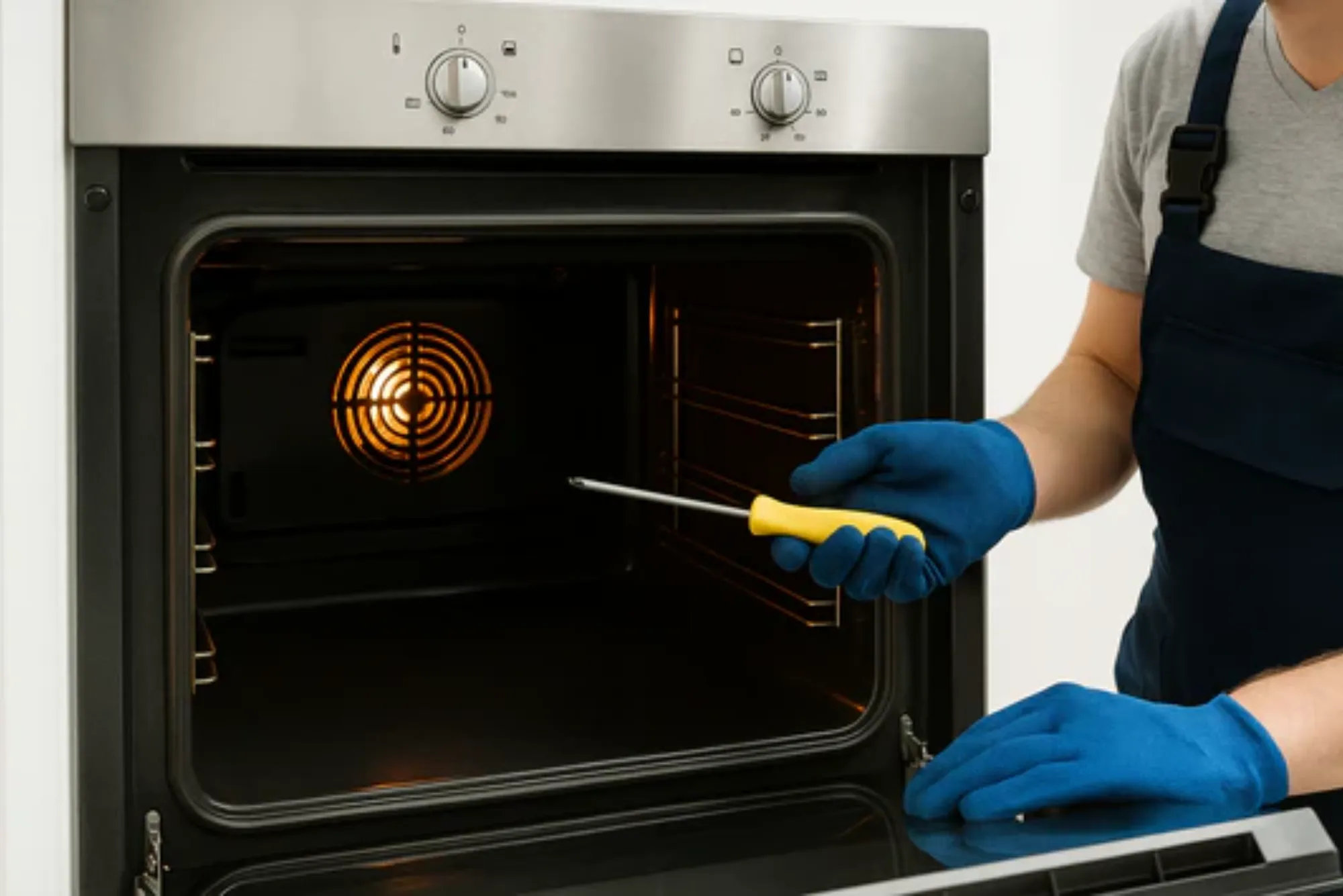
One of the most frequent causes of heating issues in ovens is a malfunctioning heating element. In electric ovens, the bake and broil elements are responsible for generating heat. Over time, these elements can burn out or develop visible damage such as cracks or blisters. When this happens, the oven may not heat at all or may produce inconsistent temperatures. Addressing this issue promptly through proper Oven Not Heating Repair can restore normal functionality.
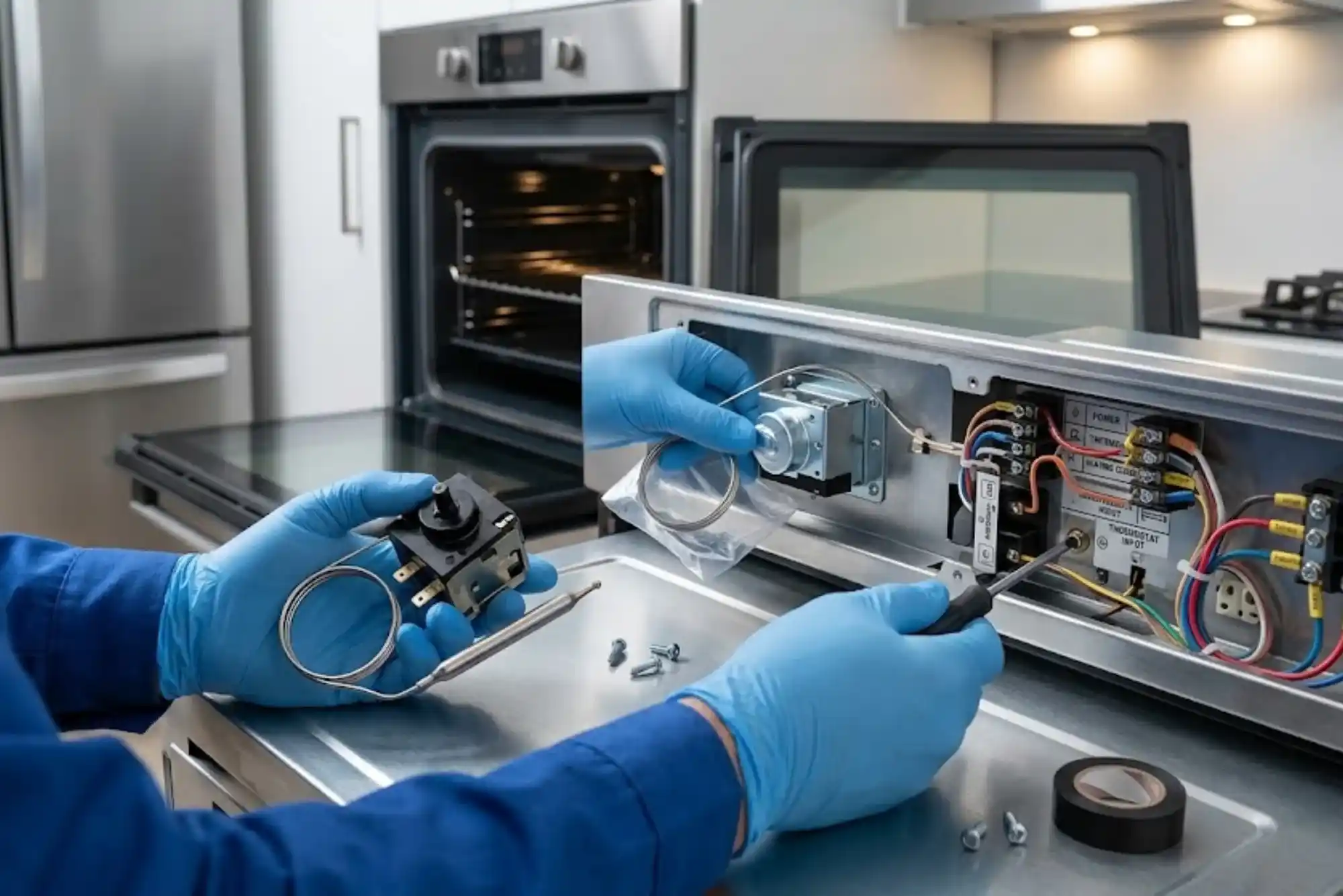
Another common factor is a faulty thermostat or temperature sensor. These components regulate the internal temperature of the oven and ensure accurate cooking conditions. If the thermostat is not working correctly, the oven may fail to reach the desired temperature or may not heat up at all. This can lead to undercooked or overcooked food, causing frustration for users who rely on precise cooking results.
For gas ovens, ignition problems are often the primary cause of heating failure. A defective igniter can prevent the gas from lighting, resulting in no heat production. In such cases, you may notice that the oven does not glow or takes an unusually long time to ignite. Replacing the igniter is typically required to resolve the issue and restore proper heating.
Electrical and Power-Related Issues
Electrical problems can also play a significant role in oven heating failures. A tripped circuit breaker, damaged wiring, or faulty control board can prevent the oven from receiving the power it needs to function. These issues are often overlooked but can be easily identified with proper inspection. Ensuring that the oven is connected to a stable power source and that all electrical connections are secure is an essential step in diagnosing the problem.

Modern ovens rely heavily on electronic control systems to manage temperature settings and cooking modes. If the control board becomes defective, it may fail to send the necessary signals to the heating elements, resulting in a non-heating oven. In such situations, professional assistance is usually required to replace or repair the control board safely.
The Role of Regular Maintenance
Regular maintenance is crucial in preventing heating issues and extending the lifespan of your oven. Cleaning the interior, checking components, and ensuring proper ventilation can significantly reduce the risk of malfunction. Grease buildup and food debris can interfere with heating elements and airflow, leading to uneven cooking or complete heating failure.
Routine inspections allow homeowners to identify potential problems before they escalate. For example, noticing a slight delay in heating or a minor temperature inconsistency can prompt early intervention, preventing major repairs later. Incorporating maintenance into your household routine ensures that your oven remains efficient and reliable over time.
Importance of Timely Repairs
Delaying repairs can worsen the condition of your oven and lead to more extensive damage. When heating issues are ignored, they can affect other components, increasing the overall cost of repair. Addressing problems as soon as they arise is the most effective way to maintain your appliance’s performance and avoid inconvenience.
Timely Oven Not Heating repair not only restores functionality but also improves energy efficiency. An oven that struggles to heat properly consumes more energy, leading to higher utility bills. By fixing the issue promptly, you can ensure that your appliance operates efficiently and cost-effectively.
Professional Repair vs DIY Solutions
While some minor issues can be resolved through basic troubleshooting, more complex problems require professional expertise. Attempting to repair electrical components or gas connections without proper knowledge can be dangerous and may cause further damage. Professional technicians have the skills and tools needed to diagnose and fix issues accurately, ensuring safe and reliable results.
That said, homeowners can perform simple checks such as inspecting the power supply, cleaning the oven interior, and ensuring that settings are correctly configured. These basic steps can sometimes resolve minor issues without the need for professional intervention. However, if the problem persists, seeking expert help is always the best course of action.
Signs That Indicate Immediate Attention
Certain signs clearly indicate that your oven requires immediate repair. These include the oven not heating at all, uneven cooking results, unusual noises, or a burning smell during operation. Ignoring these warning signs can lead to more serious issues, including safety hazards.
Recognizing these symptoms early allows you to take action before the problem becomes severe. Whether it involves replacing a faulty component or addressing an electrical issue, timely intervention ensures that your oven continues to function safely and effectively.
Enhancing Oven Performance After Repair
Once the repair is completed, it is important to adopt practices that enhance your oven’s performance. Proper usage, regular cleaning, and avoiding overloading the oven can help maintain consistent heating. Using appropriate cookware and following recommended cooking guidelines also contribute to better results.
Additionally, periodic professional servicing can ensure that all components remain in good condition. This proactive approach minimizes the risk of future breakdowns and ensures that your oven operates at optimal efficiency.
Long-Term Benefits of Proper Care
Investing in proper care and maintenance offers long-term benefits for your oven. A well-maintained appliance not only performs better but also lasts longer, providing greater value for your investment. By addressing heating issues promptly and following recommended maintenance practices, you can enjoy reliable performance for years to come.
Understanding the importance of oven not heating repair empowers homeowners to take control of their appliance maintenance. Instead of facing unexpected breakdowns, you can ensure consistent performance through timely action and informed decisions.
Heating issues in ovens are a common yet manageable problem that can be resolved with the right approach. From faulty heating elements and thermostats to electrical and ignition issues, there are several factors that can affect your oven’s performance. Identifying the cause and taking timely action is essential for restoring functionality and maintaining efficiency.
Related Reading: Oven Heating System Repair